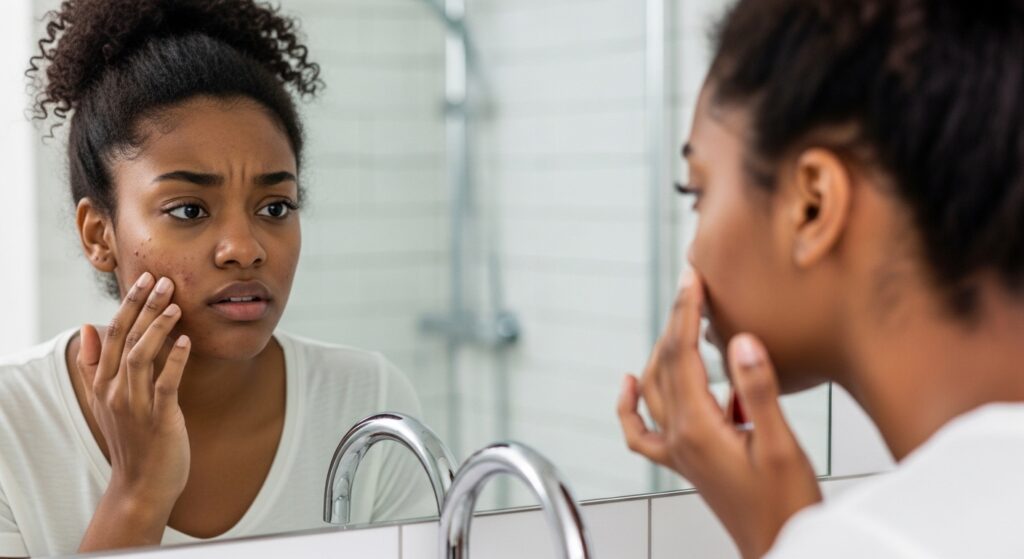
Finding affordable hyperpigmentation treatment for sensitive skin near you starts with choosing care that addresses dark spots without causing unnecessary irritation. When skin reacts easily, an aggressive brightening routine can create further inflammation and make uneven pigmentation harder to manage.
We recommend a practical approach: identify the cause of discoloration, protect the skin barrier, and compare treatment plans by their overall cost. A manageable routine, supported by qualified professional advice where needed, provides a clearer starting point than buying multiple products without knowing which problem they are treating.
Understanding Hyperpigmentation in Sensitive Skin
Hyperpigmentation describes areas of skin that appear darker than the surrounding skin. However, similar-looking patches can have different causes and may require different treatment plans.
Post-inflammatory hyperpigmentation can follow acne, eczema, irritation, or an injury. Melasma commonly appears as facial patches and can be influenced by sunlight and hormonal changes. Establishing the diagnosis helps avoid spending money on unsuitable products or procedures. A dermatologist can assess whether the discoloration is melasma or another skin condition.
For sensitive skin, we also need to consider what causes burning, itching, dryness, or recurring rashes. Treating pigmentation while continuing to use an irritating product can undermine progress.
Common Concerns to Discuss During an Assessment
Before choosing a dark spot treatment, we recommend discussing:
- Acne or eczema that remains active.
- Previous reactions to skincare products.
- Recent peels, waxing, or other cosmetic treatments.
- Current medicines and prescription creams.
- Whether patches appeared suddenly or have changed.
- Pregnancy, breastfeeding, or plans for pregnancy.
These details help a clinician assess treatment suitability and identify issues that need attention before a brightening routine begins.
How to Find Affordable Hyperpigmentation Treatment Near You
A local search can produce dermatology clinics, aesthetic centres, beauty salons, and online product sellers. We recommend checking who will assess your skin, what qualifications they hold, and whether they have experience treating pigmentation in your skin tone.
Convenience matters, particularly when follow-up appointments are necessary. However, a nearby provider should also explain the diagnosis, treatment alternatives, expected limitations, and potential side effects.
Questions to Ask Before Booking
Use an initial enquiry to clarify the following:
- Who performs the consultation and treatment?
- Does the provider treat sensitive skin and your skin tone regularly?
- What does the consultation fee include?
- Can treatment begin with topical care?
- Are follow-up visits charged separately?
- What happens if a product causes irritation?
- Will you receive a written treatment plan and cost estimate?
A clear answer helps us compare providers more meaningfully than a discounted package price alone.
Affordable Treatment Options for Sensitive Skin
The appropriate treatment depends on the cause and depth of pigmentation, existing skin conditions, and individual tolerance. For post-inflammatory hyperpigmentation, expert consensus supports topical treatment as the first approach, with procedures generally reserved for selected or persistent cases.
Azelaic Acid for Dark Spots
Azelaic acid is among the topical options used for pigmentation. A dermatologist may consider it when selecting treatment for someone who needs a gentler alternative, although individual tolerance still matters. We recommend asking which formulation is appropriate rather than choosing solely by the highest advertised strength.
Other Topical Pigmentation Treatments
Options used for post-inflammatory pigmentation include niacinamide, vitamin C, hydroquinone, and tretinoin, among others. Their suitability varies; an ingredient being available in a brightening product does not mean every formulation will suit sensitive skin.
We favour a plan that explains the purpose of each product. Before adding another serum, ask whether it offers a distinct benefit or duplicates an ingredient already in the routine.
Prescription Treatment for Persistent Discoloration
A clinician may recommend prescription treatment when appropriate. For melasma, options can include hydroquinone or combination creams, chosen according to the individual assessment. Prescription treatment requires clear instructions and follow-up, particularly when sensitivity limits what the skin tolerates.
Ask how long to use each medicine, where to apply it, and which reactions should prompt a review. Avoid extending a prescribed course or sharing someone else’s cream without professional guidance.
Daily Sun Protection for Hyperpigmentation
Sun protection is a core part of pigmentation care. We recommend a broad-spectrum sunscreen with SPF 30 or higher, alongside shade and protective clothing. Tinted sunscreen containing iron oxide can also help protect against visible light, which may worsen dark spots, particularly in darker skin tones.
Choosing Sunscreen for Sensitive Skin
Choose a sunscreen you can comfortably use consistently. Formulas containing zinc oxide or titanium dioxide may cause less irritation for sensitive skin, although comfort varies between products.
When comparing prices, consider the amount supplied and how readily you can replace it. An expensive sunscreen used sparingly may be less practical than an affordable option that fits your daily routine.
Are Chemical Peels and Laser Treatments Worth the Cost?
Chemical peels, lasers, and intense pulsed light may help certain types of pigmentation, but they can also aggravate discoloration by injuring the skin. Sensitive skin needs careful assessment before a procedure, especially when there is a history of pigmentation after irritation.
We recommend asking why a procedure is being proposed, what improvement is realistic, and whether topical care should be tried first.
Costs to Clarify Before Paying for a Package
Request a written breakdown covering:
- Consultation and assessment.
- Each proposed treatment session.
- Preparation products.
- Aftercare products.
- Follow-up appointments.
- Arrangements for managing complications.
Avoid choosing a procedure simply because a promotional deadline creates pressure. A suitable plan should remain understandable when the sales language is removed.
A Simple Skincare Routine That Supports Your Budget
We recommend keeping the routine easy to follow. Start by discussing a gentle cleanser, moisturiser, sunscreen, and one appropriate treatment with your clinician. Add products only when there is a clear reason.
A shorter routine makes it easier to track spending and notice which product may be causing discomfort. Keep a list of product names and ingredients, and bring it to appointments.
Avoid Irritation While Treating Dark Spots
Irritation can trigger further dark marks, particularly in skin of colour. Retinoids therefore require thoughtful selection and use when sensitivity is a concern.
We recommend avoiding the assumption that stronger burning or heavier peeling means better results. If treatment produces persistent discomfort, seek advice before continuing or adding another active ingredient.
How to Compare the Total Cost of Treatment
There is no reliable universal price for hyperpigmentation treatment near you. Fees depend on location, provider qualifications, diagnosis, medicines, and whether procedures are included.
For a useful comparison, request the cost of an initial treatment period rather than one appointment alone. Include transport, repeat prescriptions, routine skincare, and review visits.
We also recommend asking about generic prescription alternatives, where appropriate, and whether the provider offers consultations without requiring a prepaid treatment package. These questions help establish a budget before committing.
Preparing for a Pigmentation Consultation
Bring photographs showing how the patches have changed, together with your skincare products or a written list. Explain previous treatments, reactions, and what you can realistically spend.
Agree on how progress will be reviewed. Photographs taken in similar lighting can support that discussion, while frequent product changes make comparison more difficult.
We recommend seeking medical assessment before cosmetic treatment for a spot that is new, changing, bleeding, or otherwise unusual. Not every dark mark should be approached as a routine cosmetic concern.
FAQs about Affordable Hyperpigmentation Treatment for Sensitive Skin Near Me
1. What is the best hyperpigmentation treatment for sensitive skin?
Gentle treatments containing niacinamide, azelaic acid, and low-strength vitamin C may help reduce dark spots and uneven skin tone without causing excessive irritation.
2. Where can I find affordable hyperpigmentation treatment near me?
You can find affordable treatments at local dermatology clinics, skincare centres, and pharmacies. Search for providers offering sensitive-skin consultations and budget-friendly treatment options.
3. How much does hyperpigmentation treatment cost?
Costs vary depending on your location, treatment type, and skin condition. Over-the-counter skincare products are generally more affordable than professional chemical peels or laser treatments.
4. Can sensitive skin be treated for hyperpigmentation?
Yes. Sensitive skin can be treated using gentle skincare products and dermatologist-recommended procedures. Avoid harsh exfoliants and strong chemical treatments that may worsen irritation.
5. How long does hyperpigmentation take to fade?
Mild dark spots may begin improving within 8–12 weeks with consistent treatment. Deeper pigmentation can take several months or longer.
6. Are natural remedies safe for sensitive skin?
Not all natural remedies are safe. Lemon juice, baking soda, and abrasive scrubs can irritate sensitive skin and worsen pigmentation.
7. What is the cheapest way to treat hyperpigmentation?
An affordable routine may include a gentle cleanser, fragrance-free moisturiser, azelaic acid or niacinamide, and broad-spectrum SPF 30 or higher sunscreen.
8. Do I need a dermatologist for hyperpigmentation?
A dermatologist can help identify the cause of pigmentation and recommend appropriate treatment, especially when dark spots persist, spread, or worsen.
9. Can hyperpigmentation return after treatment?
Yes. Sun exposure, hormonal changes, inflammation, and skin irritation can trigger pigmentation again. Daily sunscreen and consistent skincare help prevent recurrence.
10. Is sunscreen necessary during hyperpigmentation treatment?
Absolutely. Broad-spectrum sunscreen helps prevent existing dark spots from becoming darker and supports treatment results.
Conclusion
Finding affordable hyperpigmentation treatment for sensitive skin near you means choosing a clear diagnosis, suitable treatment, and a budget you can maintain. We recommend comparing qualified providers, requesting transparent costs, and beginning with a manageable plan.
Consistent sun protection, careful product selection, and appropriate follow-up provide a practical foundation for addressing uneven pigmentation while respecting sensitive skin.