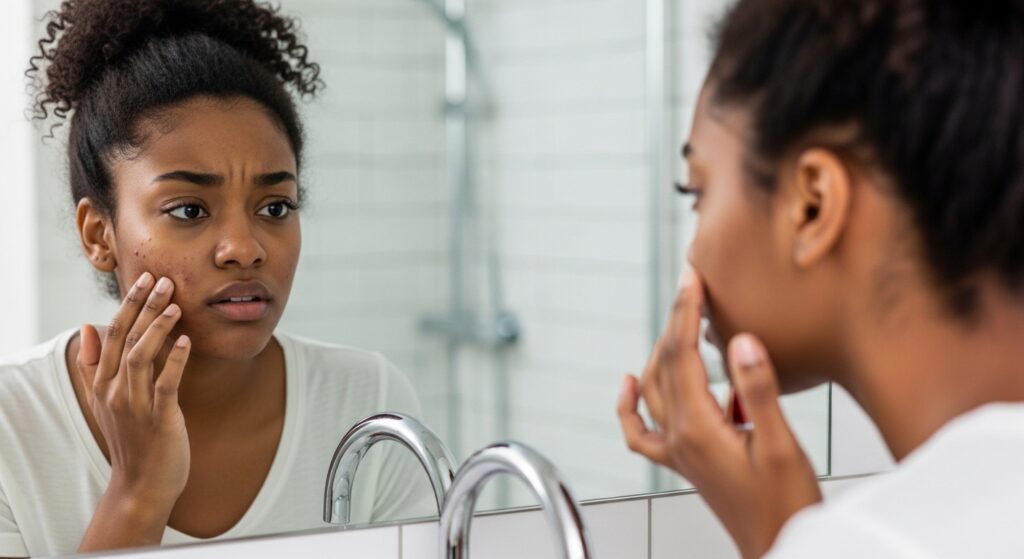
Searching for affordable cystic acne treatment near me often means dealing with more than an occasional breakout. Cystic acne can cause deep, painful, inflamed bumps beneath the skin, and without appropriate treatment, it may increase the risk of persistent discoloration and permanent acne scars.
We believe effective treatment should focus on controlling inflammation, preventing new cysts, protecting the skin barrier, and reducing the risk of scarring without automatically choosing the most expensive option. The right treatment depends on the severity of the acne, previous treatments, skin type, medical history, and whether hormonal factors are contributing to breakouts.
For people experiencing recurring painful cysts or nodules, professional assessment can be especially important because severe acne often requires prescription treatment rather than skincare products alone. The American Academy of Dermatology recommends several topical and systemic therapies for acne and recommends isotretinoin particularly for severe acne or acne that has not responded adequately to conventional treatments.
What Is Cystic Acne?
Cystic acne is a severe form of inflammatory acne characterized by large, tender lesions that develop deep within the skin. Unlike ordinary blackheads or small pimples, cysts and nodules may remain painful for extended periods and can affect the face, jawline, chest, shoulders, and back.
Acne develops when hair follicles become blocked by excess oil and dead skin cells. Inflammation can occur within these blocked follicles, producing red, swollen, painful lesions. Hormonal changes, certain medicines, and oily skin or hair products can also contribute to acne in some people.
Because cystic acne develops deeper in the skin, aggressively squeezing or picking lesions is unlikely to solve the underlying problem and can increase irritation and the risk of infection or scarring.
When Should We Look for Affordable Cystic Acne Treatment Near Me?
Professional acne treatment should be considered when breakouts become deep, painful, persistent, widespread, or resistant to over-the-counter treatments.
Signs That Professional Acne Treatment May Be Needed
We recommend seeking qualified medical care when acne involves:
- Painful cysts or nodules
- Breakouts that repeatedly develop in the same areas
- Acne affecting the face, chest, shoulders, or back
- Persistent inflammation despite consistent skincare
- Developing acne scars or dark marks
- Frequent breakouts that significantly affect daily life
- Acne that has not improved with appropriate non-prescription products
Severe acne and painful nodules are among the circumstances in which specialist evaluation may be appropriate.
Finding care early may also help reduce the likelihood of long-term scarring.
Affordable Cystic Acne Treatment Options
Affordable treatment does not necessarily mean choosing the cheapest product available. A better approach is finding an appropriate treatment plan that targets the causes of acne while avoiding unnecessary products and procedures.
1. Benzoyl Peroxide
Benzoyl peroxide is one of the commonly recommended topical treatments for acne. It reduces acne-associated bacteria and can help improve blocked pores and inflammatory breakouts.
Lower-strength formulations may be sufficient for some people and may cause less irritation than stronger concentrations.
Possible side effects include:
- Dryness
- Redness
- Peeling
- Burning or irritation
Starting gradually and using a gentle moisturizer can make treatment easier to tolerate.
2. Topical Retinoids
Topical retinoids such as adapalene and tretinoin help prevent blocked follicles and are frequently used as part of acne treatment plans. They can be particularly valuable when ongoing prevention is needed rather than simply treating individual pimples after they develop.
Topical retinoids may initially cause dryness, peeling, or irritation. They also require appropriate pregnancy precautions; NHS guidance states that topical retinoids should not be used during pregnancy.
3. Azelaic Acid
Azelaic acid is another topical option included in acne treatment guidelines. It may be useful for people who need an alternative to other acne medications or who are also concerned about post-acne discoloration.
A dermatologist can determine whether azelaic acid is suitable as a primary treatment or part of a combination routine.
4. Prescription Oral Antibiotics
Moderate to severe inflammatory acne may sometimes require oral antibiotics such as doxycycline or other tetracycline-class medicines.
However, antibiotics are generally not intended to become indefinite acne treatments. Current dermatology guidance emphasizes limiting systemic antibiotic use and combining antibiotics with treatments such as benzoyl peroxide when appropriate to reduce antibiotic resistance.
This is one reason professional supervision matters when searching for affordable cystic acne treatment near me. Repeatedly taking antibiotics without an appropriate long-term acne strategy may not provide the best result.
Hormonal Treatment for Cystic Acne
Some cystic acne is strongly influenced by hormones. Breakouts may repeatedly appear around the jawline, chin, or lower face, or worsen around hormonal changes.
Depending on the patient’s circumstances, clinicians may consider hormonal therapies such as:
- Combined oral contraceptives
- Spironolactone
Both are among systemic treatments included in American Academy of Dermatology acne recommendations.
Hormonal medications are not appropriate for everyone, so treatment requires an individual medical assessment rather than self-prescribing.
Isotretinoin for Severe Cystic Acne
For persistent or severe cystic acne, isotretinoin may be considered, particularly when conventional treatments have failed.
The American Academy of Dermatology describes isotretinoin as a prescription treatment for severe acne involving deep, painful cysts and nodules. It can produce prolonged clearance in many patients and may reduce future scarring by controlling severe breakouts.
Because isotretinoin has important risks and monitoring requirements, it should always be taken under qualified medical supervision. Monitoring may include blood tests, and strict pregnancy-prevention precautions are required for people who could become pregnant.
Fast Treatment for a Large Painful Acne Cyst
Sometimes one exceptionally painful cyst becomes the immediate concern.
A dermatologist may be able to treat certain large inflammatory cysts or nodules with an intralesional corticosteroid injection. Dermatology guidelines recognize corticosteroid injections as an option for more rapid relief of inflammation and pain in selected lesions.
A dermatologist may also perform incision and drainage in selected cases involving large lesions that do not respond adequately to medication.
These procedures should not be attempted at home. Trying to puncture, drain, or squeeze a cyst can increase inflammation, infection risk, pigmentation changes, and scarring.
How to Find Affordable Cystic Acne Treatment Near Me
Cost can vary significantly between dermatology clinics, treatment plans, diagnostic requirements, medications, and procedures. Finding affordable treatment therefore involves evaluating the total cost of care, rather than comparing consultation prices alone.
What to Ask Before Booking an Acne Consultation
Before choosing a clinic, we recommend asking:
- What is the consultation fee?
- Does the clinic routinely treat severe or cystic acne?
- Are follow-up appointments charged separately?
- Are laboratory tests required for the recommended treatment?
- Are generic medication alternatives available?
- What treatments are included in the quoted price?
- Will we receive a written home-care routine?
- How frequently will follow-up appointments be required?
A slightly higher initial consultation can sometimes become more cost-effective when it produces a clear diagnosis and targeted treatment plan instead of repeated purchases of products that do not address the underlying problem.
How to Make Cystic Acne Treatment More Affordable
A carefully simplified skincare routine may help control unnecessary spending.
Focus on Essential Products
For many people, a dermatologist-directed routine may revolve around a few essentials:
- Gentle cleanser
- Prescribed or recommended acne treatment
- Non-comedogenic moisturizer
- Broad-spectrum sunscreen
- Additional medication only when medically necessary
Buying numerous scrubs, masks, serums, spot treatments, exfoliating acids, and trending skincare products simultaneously can make acne care expensive while also increasing the risk of irritation.
A consistent, evidence-based routine is usually more practical than frequently switching products.
What to Avoid When Treating Cystic Acne
Severe acne can encourage aggressive treatment, but more irritation does not mean faster improvement.
Common Mistakes That Can Make Acne Worse
We recommend avoiding:
- Squeezing or popping deep cysts
- Scrubbing the face aggressively
- Using several strong exfoliating products together
- Applying undiluted household substances to acne
- Frequently changing treatments before they have had adequate time to work
- Using prescription medications belonging to someone else
- Taking antibiotics without medical supervision
- Purchasing unregulated acne products promising immediate cures
- Stopping treatment immediately after the skin begins improving
Acne therapy frequently takes time. NHS guidance notes that acne treatment may require several months before substantial improvement occurs.
Affordable Skincare Routine for Cystic Acne
The skincare routine surrounding prescription treatment should generally support the skin rather than compete with the medication.
Morning Routine
A practical morning routine may include:
- Wash with a gentle cleanser.
- Apply prescribed morning acne treatment when directed.
- Use a non-comedogenic moisturizer.
- Apply broad-spectrum sunscreen.
Evening Routine
At night:
- Remove makeup and sunscreen gently.
- Cleanse without excessive rubbing.
- Apply the prescribed medication as instructed.
- Finish with moisturizer when needed.
Anyone using potentially irritating treatments such as retinoids or benzoyl peroxide may need gradual introduction depending on professional advice and skin tolerance.
Can Over-the-Counter Products Treat Cystic Acne?
Over-the-counter products can play an important role, particularly products containing ingredients such as benzoyl peroxide, adapalene, salicylic acid, or azelaic acid. Several of these topical therapies are included in current dermatology acne guidelines.
However, repeated deep cysts or nodules often require more than an OTC skincare routine.
When severe acne continues despite appropriate topical treatment, professional care can identify whether prescription retinoids, hormonal therapy, oral medication, isotretinoin, or an office procedure is appropriate.
How Long Does Cystic Acne Treatment Take?
Acne treatment is rarely instantaneous. Improvement depends on the treatment used, severity of acne, consistency, skin tolerance, and individual response.
Some treatments begin affecting acne within several weeks, while substantial improvement may require considerably longer.
For example, benzoyl peroxide may begin working within approximately four weeks, according to NHS guidance. Severe acne treatments may require months of structured care.
The goal should therefore be steady improvement and prevention of new lesions, not simply making one existing cyst disappear overnight.
Can Cystic Acne Cause Permanent Scarring?
Yes. Deep inflammatory acne can result in permanent scars, particularly when cysts and nodules are severe or persistent. The AAD notes that severe acne involving deep cysts and nodules can leave scars as lesions clear.
That makes early management important.
Treatment can focus first on controlling active acne. Once breakouts are consistently controlled, a dermatologist can evaluate remaining scars and discoloration and discuss appropriate treatment separately.
Choosing a Clinic for Affordable Cystic Acne Treatment Near Me
Cost matters, but affordability should be considered alongside clinical expertise, safety, follow-up care, and treatment quality.
What to Look for in an Acne Treatment Provider
Consider whether the clinic offers:
- Assessment by a qualified healthcare professional
- Experience managing moderate to severe acne
- Individualized treatment plans
- Clear explanations of medication risks and benefits
- Follow-up monitoring
- Transparent pricing
- Evidence-based treatment options
- Appropriate laboratory monitoring where necessary
- Guidance for preventing acne scars
- Clear instructions for managing medication side effects
Be cautious of clinics promising that every case of cystic acne can be permanently cured with one facial, peel, supplement, injection, or cosmetic procedure.
Why Personalized Cystic Acne Treatment Matters
Two people with visually similar acne may require different treatment.
One person may have predominantly inflammatory acne requiring topical combination treatment. Another may have hormonally influenced acne. Someone with widespread nodules and existing scars may require systemic treatment much sooner.
Other factors that may influence treatment include:
- Age
- Pregnancy or pregnancy plans
- Current medications
- Medical conditions
- Previous acne treatments
- Skin sensitivity
- Acne severity
- Distribution of breakouts
- History of scarring
For this reason, the most affordable long-term approach is often the one that targets the correct problem early rather than repeatedly treating symptoms without a structured plan.
Getting Effective Cystic Acne Care Without Overspending
Finding affordable cystic acne treatment near me should mean identifying safe, evidence-based care that fits both the severity of the acne and the available budget.
We recommend beginning with a professional assessment when cysts are deep, painful, recurring, or causing scars. Treatment may involve benzoyl peroxide, topical retinoids, azelaic acid, prescription antibiotics, hormonal therapy, isotretinoin, or selected in-office treatments, depending on individual needs. Current American Academy of Dermatology guidance supports a range of these topical and systemic options while emphasizing combination therapy and responsible antibiotic use.
FAQs about Affordable Cystic Acne Treatment Near Me
1. How can I find affordable cystic acne treatment near me?
Start by searching for licensed dermatologists, community health clinics, and dermatology practices in your area. Ask about consultation fees, treatment costs, payment options, and whether your insurance is accepted.
2. What is the most affordable treatment for cystic acne?
Treatment depends on acne severity and individual health factors. Dermatologists may recommend topical retinoids, benzoyl peroxide, prescription antibiotics, hormonal treatments, or isotretinoin when appropriate.
3. Do I need a dermatologist for cystic acne?
Because cystic acne develops deep within the skin and may cause permanent scarring, professional evaluation is generally recommended, especially when acne is painful, persistent, or widespread.
4. How much does cystic acne treatment cost?
Costs vary based on your location, consultation fees, medications, laboratory testing, insurance coverage, and the treatment required. Asking clinics for an estimated cost before your appointment can help you compare affordable options.
5. Can cystic acne be treated without expensive procedures?
Yes. Many treatment plans rely primarily on prescription or over-the-counter medications and consistent skincare rather than cosmetic procedures. A dermatologist can determine which approach is appropriate.
6. Does insurance cover cystic acne treatment?
Coverage varies by insurance plan. Medically necessary dermatologist visits and prescription medications may be covered, while cosmetic procedures may not be.
7. When should I seek professional treatment?
Consider professional care if you have deep, painful cysts, recurring breakouts, acne scars, or acne that does not improve with appropriate over-the-counter treatment. Early treatment can help reduce the risk of lasting scars.
Conclusion
An effective affordable cystic acne treatment near me should do more than temporarily reduce the appearance of individual pimples. The goal is to control inflammation, prevent new cysts, minimize scarring, protect the skin barrier, and establish a sustainable long-term treatment plan.
We recommend choosing a qualified provider who can assess the severity of the acne, explain suitable treatment options, discuss expected costs, and monitor progress appropriately. With the right combination of professional treatment, consistent skincare, and realistic follow-up, cystic acne can often be managed far more effectively than through repeated trial-and-error product purchases.
The earlier persistent cystic acne is appropriately treated, the better the opportunity to control active breakouts and reduce avoidable long-term skin damage.