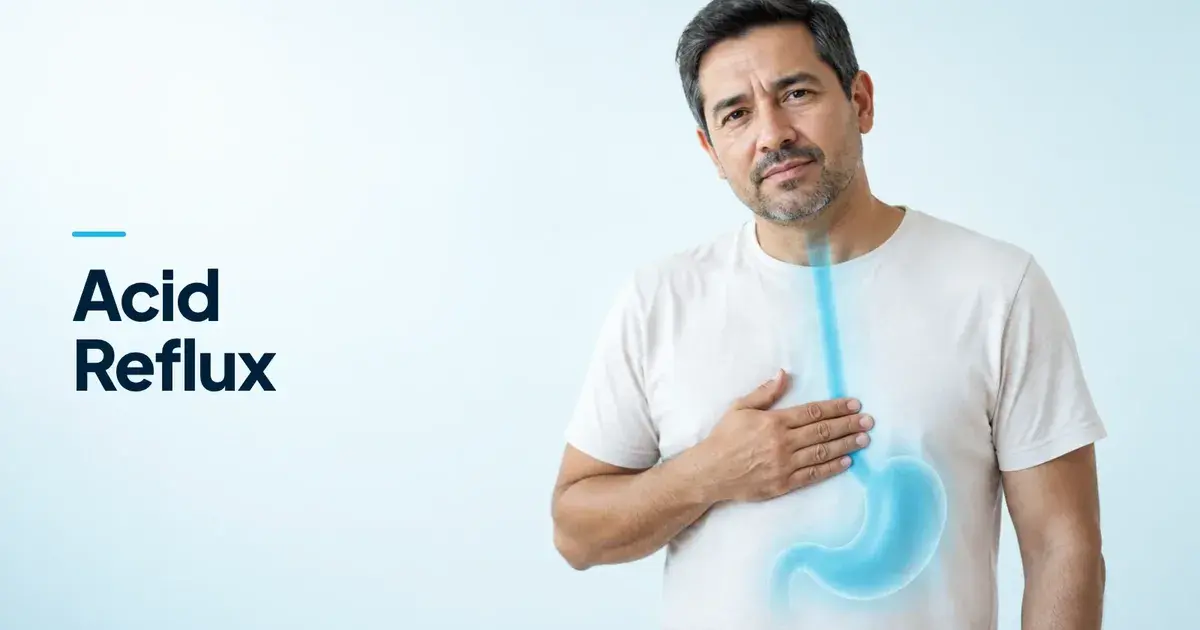
Acid reflux is a common digestive condition that occurs when stomach contents flow backward into the esophagus, causing heartburn, irritation, and discomfort. When acid reflux becomes persistent, causes troublesome symptoms, or leads to complications, it is known as gastroesophageal reflux disease (GERD).
Early diagnosis and appropriate treatment are essential for managing symptoms, protecting the esophageal lining, and preventing long-term complications. We recommend a comprehensive approach that combines medical evaluation, lifestyle modifications, dietary adjustments, and appropriate medications to improve digestive health and quality of life.
How Is Acid Reflux and GERD Diagnosed?
The diagnosis of acid reflux and GERD typically begins with a review of medical history, symptoms, dietary habits, and lifestyle factors. Healthcare professionals may diagnose GERD based on characteristic symptoms, particularly frequent heartburn and acid regurgitation.
However, additional diagnostic tests may be necessary when symptoms persist despite treatment or when complications are suspected.
Common Diagnostic Tests for Acid Reflux and GERD
Healthcare professionals may recommend the following diagnostic procedures:
- Physical examination and medical history: Evaluates symptoms, underlying health conditions, and potential risk factors.
- Upper gastrointestinal endoscopy: Uses a flexible camera to examine the esophagus and stomach for inflammation, ulcers, narrowing, or Barrett’s esophagus.
- Ambulatory esophageal pH monitoring: Measures acid exposure in the esophagus over an extended period.
- Esophageal impedance-pH monitoring: Detects both acidic and non-acidic reflux episodes.
- Esophageal manometry: Assesses esophageal muscle function and the movement of food through the digestive tract.
- Barium swallow test: Helps identify structural abnormalities, swallowing difficulties, and hiatal hernias, although it cannot independently confirm GERD.
The appropriate diagnostic method depends on symptom severity, medical history, and response to initial treatment.
Treatment Options for Acid Reflux and GERD
Effective acid reflux and GERD treatment focuses on reducing stomach acid, relieving symptoms, healing damaged esophageal tissues, and preventing recurrent reflux. Treatment varies depending on the frequency and severity of symptoms and the presence of underlying complications.
Medications for Acid Reflux and GERD
Several medications can help manage acid reflux and improve digestive comfort:
- Antacids: Neutralize stomach acid and provide temporary relief from occasional heartburn.
- H2 receptor blockers: Medications such as famotidine reduce stomach acid production and provide longer-lasting symptom relief.
- Proton pump inhibitors (PPIs): Omeprazole, pantoprazole, lansoprazole, and esomeprazole reduce acid production and promote esophageal healing.
- Alginates: Create a protective barrier above stomach contents, helping reduce reflux into the esophagus.
Proton pump inhibitors are generally the most effective medications for managing GERD and healing reflux-related esophageal inflammation. We recommend consulting a healthcare professional before using acid-suppressing medications for extended periods. NIDDK+1
Lifestyle Changes to Manage Acid Reflux and GERD
Lifestyle modifications play an important role in controlling acid reflux symptoms. Maintaining healthy daily habits can reduce pressure on the stomach and minimize reflux episodes.
Effective Lifestyle Modifications for GERD
We recommend incorporating the following habits into your daily routine:
- Maintain a healthy body weight.
- Eat smaller, well-balanced meals.
- Avoid lying down for at least two to three hours after eating.
- Elevate the head of the bed when experiencing nighttime reflux.
- Avoid smoking and excessive alcohol consumption.
- Limit foods that trigger heartburn.
- Sleep on your left side to help reduce nighttime reflux.
- Avoid overeating, particularly before bedtime.
Consistent lifestyle changes can improve symptom management and complement prescribed GERD treatments.
Best Diet for Acid Reflux and GERD
A balanced GERD-friendly diet can help minimize digestive discomfort and reduce exposure to individual reflux triggers. Although dietary triggers vary among individuals, identifying foods that worsen symptoms is essential for long-term management.
Foods to Eat With Acid Reflux
- Oatmeal and whole grains
- Bananas, apples, and melons
- Leafy green vegetables
- Lean chicken and fish
- Non-citrus fruits
- Low-fat dairy products, if tolerated
- Boiled or steamed vegetables
Foods to Avoid With GERD
- Spicy and heavily seasoned foods
- Fried and high-fat meals
- Chocolate and peppermint
- Citrus fruits and juices
- Tomatoes and tomato-based products
- Caffeinated beverages
- Carbonated drinks
- Alcoholic beverages
We recommend maintaining a food diary to identify specific dietary triggers rather than unnecessarily eliminating entire food groups.
Surgical Treatment for Acid Reflux and GERD
Surgery may be considered for individuals with confirmed GERD who experience persistent symptoms despite appropriate medical treatment or have significant structural abnormalities.
Advanced GERD Treatment Procedures
Common surgical and minimally invasive treatment options include:
- Fundoplication: A surgical procedure that wraps the upper portion of the stomach around the lower esophagus to strengthen the anti-reflux barrier.
- LINX procedure: Uses a small ring of magnetic beads to reinforce the lower esophageal sphincter.
- Transoral incisionless fundoplication (TIF): An endoscopic procedure that reconstructs the anti-reflux barrier without external surgical incisions in suitable patients.
- Hiatal hernia repair: Corrects anatomical abnormalities that may contribute to gastroesophageal reflux.
These procedures may provide long-term symptom relief in carefully selected patients. A specialist must evaluate the potential benefits, risks, and suitability of each procedure before treatment. DOI+1
How Long Does GERD Treatment Take?
The duration of GERD treatment depends on symptom severity, esophageal damage, and individual response to medication. Healthcare professionals commonly recommend an initial four- to eight-week course of proton pump inhibitor therapy for typical GERD symptoms without warning signs.
While some individuals experience improvement within a few days, healing of the esophageal lining may require several weeks. Chronic or complicated GERD may require ongoing medication, lifestyle management, and regular medical monitoring.
Persistent symptoms despite treatment may require further diagnostic testing to determine whether reflux or another medical condition is responsible. American Gastroenterological Association+1
Complications of Untreated Acid Reflux and GERD
Untreated or poorly controlled GERD can result in repeated exposure of the esophagus to stomach acid, increasing the risk of inflammation and tissue damage.
Potential Long-Term GERD Complications
- Esophagitis: Inflammation and irritation of the esophageal lining.
- Esophageal ulcers: Open sores caused by repeated acid exposure.
- Esophageal stricture: Narrowing of the esophagus due to scar tissue.
- Barrett’s esophagus: Abnormal changes in the cells lining the lower esophagus.
- Esophageal adenocarcinoma: A relatively uncommon but serious cancer associated with Barrett’s esophagus.
- Dental erosion: Damage to tooth enamel caused by repeated exposure to stomach acid.
Early diagnosis, appropriate treatment, and regular follow-up can help reduce the risk of these complications.
Can Acid Reflux and GERD Be Cured Permanently?
Occasional acid reflux can often be resolved through dietary adjustments and lifestyle modifications. However, GERD is frequently a chronic condition that requires ongoing management.
Some individuals achieve lasting symptom relief through weight management, medication, or anti-reflux surgery. Nevertheless, symptoms may return when treatment is discontinued or underlying risk factors persist.
We recommend developing a personalized treatment plan that addresses symptom triggers, underlying causes, and long-term digestive health.
When to See a Doctor for Acid Reflux and GERD
Medical attention is important when acid reflux becomes frequent, severe, or interferes with daily activities.
Warning Signs That Require Medical Evaluation
- Persistent or worsening heartburn
- Difficulty or pain when swallowing
- Unexplained weight loss
- Frequent nausea or vomiting
- Persistent nighttime reflux
- Symptoms that do not improve with medication
- Vomiting blood or passing black, tarry stools
Vomiting blood, black stools, and new or severe chest pain require immediate medical attention. Chest pain accompanied by shortness of breath, sweating, or pain spreading to the arm or jaw may indicate a cardiac emergency rather than acid reflux.
How to Prevent Recurrent Acid Reflux and GERD
Preventing recurrent GERD symptoms requires consistent attention to dietary habits, physical health, and treatment adherence. We recommend maintaining a healthy weight, avoiding personal food triggers, eating earlier in the evening, and following prescribed treatment recommendations.
Regular medical evaluations are particularly important for individuals with chronic reflux, previous esophageal damage, or Barrett’s esophagus.
FAQs about Acid Reflux & GERD Treatment
1. What Is the Best Treatment for Acid Reflux and GERD?
The best acid reflux and GERD treatment depends on symptom severity. We recommend lifestyle modifications, dietary changes, and medications such as antacids, H2 blockers, or proton pump inhibitors (PPIs) to manage symptoms effectively.
2. Can GERD Be Cured Permanently?
GERD is often a chronic condition, but symptoms can be effectively controlled. Some patients achieve long-term relief through lifestyle changes, medication, or surgical procedures when appropriate.
3. What Medications Are Used to Treat GERD?
Common GERD medications include antacids for temporary relief, H2 blockers to reduce stomach acid, and PPIs such as omeprazole for stronger acid suppression and healing of the esophagus.
4. How Can I Treat Acid Reflux Naturally?
We recommend eating smaller meals, maintaining a healthy weight, avoiding trigger foods, elevating the head of the bed, and avoiding lying down for at least two to three hours after eating.
5. What Foods Should I Avoid With GERD?
Common triggers include spicy foods, fatty meals, chocolate, caffeine, citrus fruits, tomatoes, and carbonated beverages. However, individual triggers vary, so we encourage identifying foods that worsen symptoms.
6. How Long Does GERD Treatment Take?
Mild acid reflux may improve within days, while healing reflux-related esophageal inflammation can require several weeks of consistent treatment.
7. When Is Surgery Necessary for GERD?
GERD surgery may be considered when medications fail, symptoms remain troublesome, or patients have certain complications. Procedures such as fundoplication can help prevent stomach acid from flowing backward.
8. When Should I See a Doctor for Acid Reflux?
We recommend medical evaluation for frequent heartburn, persistent symptoms, difficulty swallowing, or unexplained weight loss. Seek emergency care for severe chest pain, especially with shortness of breath or sweating.
Conclusion
Effective acid reflux and GERD diagnosis and treatment are essential for relieving heartburn, improving digestive health, and preventing serious esophageal complications. From dietary modifications and acid-reducing medications to advanced surgical procedures, various treatment options are available to address individual needs.
We recommend early medical evaluation, personalized treatment, and sustainable lifestyle changes to achieve lasting symptom control, protect the esophagus, and improve overall quality of life.