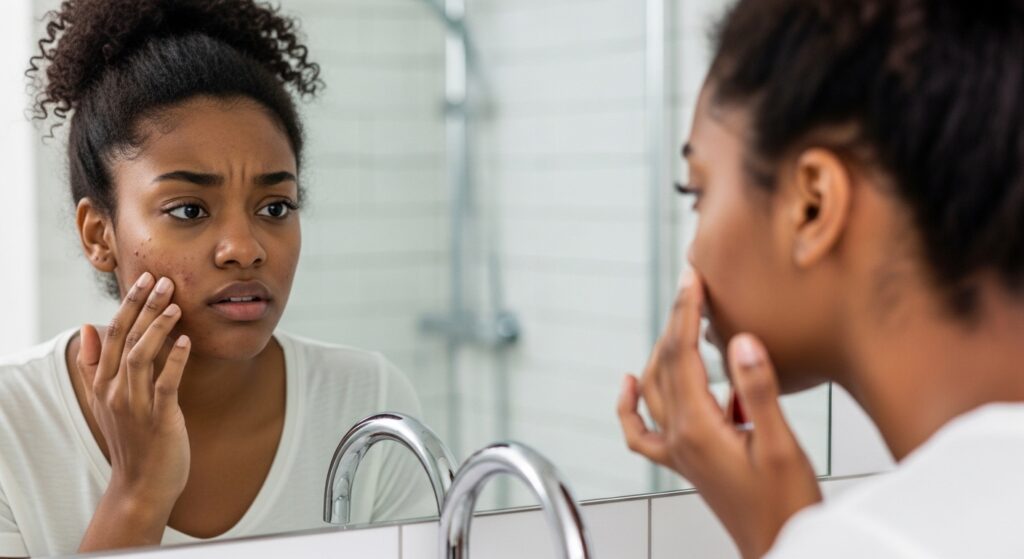
Facial skin allergies can cause redness, itching, swelling, dryness, inflammation, and uncomfortable rashes that affect skin health and appearance. Finding the best skin allergy treatment for the face involves identifying the underlying trigger, relieving irritation, and restoring the skin’s natural protective barrier.
From dermatologist-recommended creams and antihistamines to gentle skincare products, several treatment options can help manage allergic skin reactions. We recommend choosing treatments based on the severity of symptoms, individual skin sensitivity, and the underlying cause of the reaction.
What Is a Facial Skin Allergy?
A facial skin allergy occurs when the immune system reacts to a substance that comes into contact with the skin or enters the body. This reaction may trigger inflammation, itching, swelling, and other uncomfortable symptoms.
Allergic contact dermatitis is a common type of facial allergic reaction. However, conditions such as irritant contact dermatitis, eczema, and rosacea can produce similar symptoms and may require different treatments.
Common Symptoms of Facial Skin Allergies
Recognising the symptoms of a facial skin allergy can help determine the appropriate treatment. Common symptoms include:
- Persistent facial itching and irritation
- Redness and skin inflammation
- Small bumps or raised rashes
- Dry, flaky, or peeling skin
- Swelling around the eyes or cheeks
- Burning or stinging sensations
- Hives or raised patches
- Increased skin sensitivity
- Small fluid-filled blisters
Symptoms may develop immediately after exposure or gradually over several hours or days.
Common Causes of Skin Allergies on the Face
Identifying the cause of facial skin allergies is essential for selecting an effective treatment and preventing recurring reactions. Several environmental factors, skincare ingredients, and everyday substances can trigger allergic reactions.
Skincare and Cosmetic Products
Facial cleansers, moisturisers, makeup, perfumes, and anti-ageing products may contain ingredients that trigger allergic reactions. Artificial fragrances, preservatives, and certain botanical extracts are common potential allergens.
Environmental Allergens
Pollen, dust mites, mould, and pet dander may contribute to allergic symptoms and aggravate existing skin conditions in sensitive individuals.
Hair Care Products
Shampoos, conditioners, hair dyes, and styling products can cause allergic contact dermatitis when they come into contact with the forehead, cheeks, eyelids, or neck.
Food and Medication Allergies
Certain foods and medications may trigger hives, facial swelling, and other allergic reactions. Identifying these triggers with professional medical assistance is important for preventing serious complications.
Best Skin Allergy Treatments for the Face
The most effective facial allergy treatments focus on controlling inflammation, relieving discomfort, and supporting skin recovery.
1. Hydrocortisone Cream for Facial Skin Allergies
Hydrocortisone is a mild topical corticosteroid that may help reduce inflammation, redness, and itching associated with certain allergic skin reactions.
Its potential benefits include reducing inflammatory rashes, relieving itching, and improving skin comfort.
However, facial skin is particularly delicate. We recommend using hydrocortisone on the face only under the guidance of a doctor or pharmacist. Prolonged or inappropriate use may cause skin thinning and other complications. NHS
2. Oral Antihistamines for Facial Allergies
Antihistamines are particularly useful for managing histamine-related allergic reactions, including hives and itching.
Common antihistamine options include cetirizine, loratadine, and fexofenadine. These medications may help control allergic symptoms, although they do not directly treat every form of facial dermatitis.
A healthcare professional can recommend the appropriate antihistamine based on individual symptoms, medical history, and other medications. NHS
3. Fragrance-Free Moisturisers
A high-quality moisturiser for sensitive and allergy-prone skin can help restore the protective skin barrier and minimise moisture loss.
We recommend gentle formulations containing ingredients such as ceramides, glycerin, hyaluronic acid, and petrolatum, provided they are individually tolerated.
Regular moisturising can improve skin hydration, reduce dryness, and protect compromised skin from further irritation.
4. Prescription Non-Steroidal Creams
Dermatologists may recommend topical calcineurin inhibitors, such as tacrolimus or pimecrolimus, for appropriate inflammatory skin conditions affecting delicate facial areas.
These prescription treatments may provide an alternative when corticosteroids are unsuitable, particularly for certain types of facial eczema. Treatment should follow an accurate medical diagnosis.
5. Cold Compresses for Facial Allergy Relief
A cool compress is a simple and effective way to temporarily soothe irritated, itchy, and inflamed facial skin.
We recommend placing a clean, cool, damp cloth over the affected area for approximately 10–15 minutes. Avoid applying ice directly to the face, as extreme temperatures may damage sensitive skin. American Academy of Dermatology
Best Ingredients for Treating Allergy-Prone Facial Skin
Choosing skincare products with gentle, soothing ingredients can support recovery and improve long-term skin health.
| Ingredient | Skin benefits |
|---|---|
| Ceramides | Support the protective skin barrier |
| Colloidal oatmeal | Helps relieve dryness and itching |
| Glycerin | Improves skin hydration |
| Hyaluronic acid | Helps retain moisture |
| Petrolatum | Reduces moisture loss |
| Panthenol | Supports hydration and skin comfort |
| Squalane | Softens dry and sensitive skin |
Although these ingredients are generally well tolerated, individual sensitivities vary. We recommend introducing new products gradually and avoiding ingredients associated with previous allergic reactions.
Best Skincare Routine for Facial Skin Allergies
Maintaining a simple and consistent skincare routine for allergy-prone skin can minimise irritation and support the skin’s natural recovery process.
Morning Skincare Routine
Begin with a gentle, fragrance-free facial cleanser or rinse with lukewarm water if cleansing causes discomfort. Apply a suitable moisturiser to maintain hydration and follow with a broad-spectrum SPF 30 or higher sunscreen that the skin tolerates.
Mineral sunscreens containing zinc oxide or titanium dioxide may be suitable for individuals who experience irritation from certain other sunscreen formulations.
Evening Skincare Routine
Remove makeup, sunscreen, and environmental impurities using a mild cleanser. Apply any prescribed topical medication according to medical instructions before completing the routine with a suitable moisturiser.
During an allergic flare-up, we recommend temporarily avoiding exfoliating acids, retinol, harsh scrubs, fragranced serums, and unnecessary cosmetic products.
Natural Remedies for Facial Skin Allergies
Certain home remedies may provide temporary relief from mild facial irritation when used appropriately.
Colloidal Oatmeal
Colloidal oatmeal has soothing and moisturising properties that may help relieve itching and dryness associated with irritated skin. Fragrance-free skincare products formulated with colloidal oatmeal are preferable to homemade mixtures.
Cool Water Compress
Applying a cool, damp cloth can help relieve itching and provide temporary comfort without introducing additional skincare ingredients.
Petroleum Jelly
Plain petroleum jelly helps reduce moisture loss and protects dry, compromised skin. A thin layer may be beneficial for individuals who tolerate it.
We recommend avoiding lemon juice, baking soda, undiluted essential oils, and other potentially irritating home remedies. Natural ingredients are not necessarily hypoallergenic and may worsen existing skin reactions.
Dermatologist-Recommended Treatment for Facial Skin Allergies
Professional dermatological treatment is particularly important for persistent, recurring, or severe facial allergic reactions.
Allergy Patch Testing
Patch testing helps identify substances responsible for allergic contact dermatitis. A dermatologist applies selected allergens to the skin and evaluates subsequent reactions.
Identifying specific allergens allows individuals to make informed skincare choices and reduce the likelihood of repeated flare-ups. American Academy of Dermatology
Personalised Prescription Treatment
Depending on the diagnosis, a dermatologist may recommend topical anti-inflammatory medications, oral antihistamines, prescription creams, or other appropriate treatments.
A personalised treatment plan helps address the underlying skin condition rather than simply masking visible symptoms.
How Long Does a Facial Skin Allergy Take to Heal?
Recovery time depends on the cause, severity, duration of allergen exposure, and effectiveness of treatment.
Mild allergic reactions may improve within several days after the trigger is removed. Allergic contact dermatitis may take several weeks to resolve completely, particularly when inflammation is extensive or exposure continues.
We recommend maintaining a gentle skincare routine throughout recovery and avoiding the suspected allergen. Persistent or worsening symptoms require professional medical evaluation.
How to Prevent Facial Skin Allergic Reactions
Preventing recurring facial allergies requires careful product selection and consistent skincare habits. We recommend choosing fragrance-free products, checking ingredient labels, testing new cosmetics on a small area of unaffected skin, avoiding known allergens, and maintaining adequate skin hydration.
It is also important to clean makeup brushes regularly, avoid excessive facial exfoliation, and introduce new skincare products individually. These practices make it easier to identify potential triggers while protecting the skin barrier.
When to See a Doctor for Facial Skin Allergies
Medical attention is necessary when facial rashes persist, worsen, spread, develop painful blisters, or show signs of infection. Significant swelling around the eyes also requires prompt assessment.
Sudden swelling of the lips, tongue, or throat, difficulty breathing, difficulty swallowing, or faintness may indicate a life-threatening allergic reaction. Seek emergency medical assistance immediately and use an adrenaline auto-injector if one has been prescribed.
Early diagnosis and appropriate medical intervention can prevent complications and improve treatment outcomes.
FAQs about Best Skin Allergy Treatment for Face
What is the best skin allergy treatment for the face?
The best skin allergy treatment for the face depends on the cause and severity of the reaction. Mild symptoms may improve by avoiding known triggers, using a gentle fragrance-free moisturizer, applying cool compresses, and following appropriate medical advice.
What causes skin allergies on the face?
Common triggers include skincare products, cosmetics, fragrances, soaps, hair products, certain metals, medications, environmental allergens, and contact with irritating substances.
Can antihistamines help with facial skin allergies?
Oral antihistamines may help reduce itching and other allergy-related symptoms in some cases. However, they may not treat every type of facial rash, so professional advice is recommended when symptoms persist.
Is hydrocortisone safe to use on the face?
Low-strength hydrocortisone may sometimes be recommended for short-term use, but facial skin is delicate. Steroid creams should not be used repeatedly or for long periods without guidance from a healthcare professional.
How can I calm an allergic reaction on my face?
Stop using any suspected product, wash the area gently with lukewarm water, avoid scratching, apply a cool compress, and use a simple fragrance-free moisturizer. Avoid introducing new skincare products until the irritation settles.
When should I see a dermatologist?
Seek medical advice if the rash is severe, painful, spreading, repeatedly returns, shows signs of infection, or does not improve. Emergency care is necessary if facial swelling is accompanied by difficulty breathing, throat swelling, dizziness, or trouble swallowing.
How can facial skin allergies be prevented?
Patch-test new products, choose fragrance-free skincare, avoid known allergens, use gentle cleansers, and introduce new products one at a time.
Conclusion
The best skin allergy treatment for the face combines allergen avoidance, appropriate medication, gentle skincare, and effective skin barrier protection. Fragrance-free moisturisers, cool compresses, antihistamines, and professionally recommended topical treatments can help manage symptoms and support recovery.
We recommend prioritising dermatologist-approved treatment options, identifying individual allergy triggers, and maintaining a consistent skincare routine. With appropriate diagnosis, preventive care, and suitable treatment, individuals can achieve healthier, calmer, and more comfortable facial skin.

