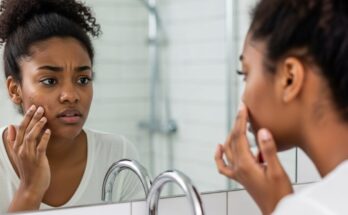
The best microneedling for skin tightening helps improve skin firmness, stimulate collagen production, and reduce the appearance of fine lines and mild skin laxity. This minimally invasive cosmetic treatment works by encouraging the skin’s natural repair process, resulting in smoother, firmer, and more youthful-looking skin over time.
As collagen and elastin production naturally decline, the skin gradually loses its firmness and elasticity. Microneedling addresses these concerns by stimulating tissue remodelling and supporting skin rejuvenation. We recommend choosing a professional microneedling treatment based on skin type, the severity of skin laxity, treatment goals, and individual sensitivity.
Top Microneedling Treatments for Skin Tightening
Different microneedling techniques offer varying benefits for improving skin firmness and elasticity. We consider the following among the leading professional treatment options for skin rejuvenation.
1. Traditional Microneedling
Traditional microneedling, also known as collagen induction therapy, uses fine needles to create controlled micro-injuries within the skin. This stimulates the natural healing response and encourages collagen and elastin production.
Traditional microneedling is particularly suitable for individuals experiencing early signs of ageing, mild skin laxity, enlarged pores, and uneven skin texture.
The potential benefits include improved skin elasticity, reduced fine lines, enhanced skin texture, and a firmer complexion. Multiple treatment sessions are generally necessary to achieve noticeable improvements.
2. Radiofrequency (RF) Microneedling
Radiofrequency microneedling for skin tightening combines controlled microneedling with radiofrequency energy delivered into targeted layers of the skin. The thermal energy encourages collagen remodelling and may improve skin firmness.
RF microneedling may be considered for mild to moderate skin laxity around the cheeks, jawline, and neck. However, it carries additional risks associated with thermal energy, making professional assessment and appropriate device settings essential.
3. Automated Microneedling Pen Treatment
Automated microneedling pens feature adjustable needle depths that allow practitioners to customise treatment according to specific skin concerns and facial areas.
We recommend professional automated microneedling for individuals seeking gradual improvements in skin firmness, elasticity, fine lines, and overall texture. Adjustable treatment settings allow qualified practitioners to address delicate and thicker skin areas appropriately.
4. Microneedling with Platelet-Rich Plasma (PRP)
Microneedling with PRP combines conventional microneedling with platelet-rich plasma obtained from the patient’s blood. PRP contains growth factors that may support tissue repair and skin rejuvenation.
Although this combination may provide additional cosmetic benefits, evidence establishing its superiority for skin tightening remains limited. We recommend discussing its suitability, potential benefits, and additional costs with a qualified dermatologist.
How Microneedling Works for Skin Tightening
Microneedling works by stimulating the skin’s natural regenerative mechanisms. The controlled micro-injuries activate a healing response that encourages the production of collagen, a structural protein responsible for maintaining skin firmness and strength.
As collagen remodelling progresses, the skin may become smoother, firmer, and more resilient. Unlike treatments that deliver temporary hydration, professional microneedling targets structural changes within the skin, supporting gradual improvements in its appearance.
Research suggests that microneedling can improve several signs of facial ageing, although results vary depending on individual skin conditions and treatment techniques. PubMed+1
Key Benefits of Microneedling for Skin Tightening
We consider microneedling a valuable nonsurgical skin rejuvenation option because of its potential to address multiple cosmetic concerns simultaneously.
- Stimulates collagen production: Encourages the formation of new collagen fibres.
- Improves skin firmness: Helps reduce the appearance of mild skin laxity.
- Enhances skin elasticity: Supports healthier, more resilient skin.
- Reduces fine lines and wrinkles: Softens visible signs of ageing.
- Refines skin texture: Promotes a smoother and more even complexion.
- Supports gradual rejuvenation: Encourages progressive improvements through natural tissue remodelling.
- Offers relatively short recovery: Conventional microneedling typically requires less downtime than invasive cosmetic surgery.
Traditional Microneedling vs. RF Microneedling for Skin Tightening
Choosing between traditional and radiofrequency microneedling requires careful consideration of treatment expectations, skin sensitivity, and potential risks.
| Treatment feature | Traditional Microneedling | RF Microneedling |
|---|---|---|
| Technology | Mechanical microneedles | Microneedles and RF energy |
| Skin laxity | Primarily mild | Mild to moderate |
| Collagen stimulation | Mechanical stimulation | Mechanical and thermal stimulation |
| Recovery | Generally shorter | Varies with treatment intensity |
| Treatment cost | Generally lower | Generally higher |
| Thermal injury risk | No RF-related thermal injury | Additional thermal injury risk |
We recommend traditional microneedling for early signs of ageing, while RF microneedling may be considered for selected individuals requiring additional skin remodelling.
However, the FDA has reported serious complications associated with certain uses of RF microneedling, including burns, facial fat loss, nerve injuries, and permanent scarring. Treatment should only be performed by an appropriately trained medical professional. FDA+1
Best Areas for Microneedling Skin Tightening
Professional microneedling may address mild skin laxity and uneven texture across different areas of the face and body.
Facial Skin Tightening
Facial microneedling can help improve firmness around the cheeks, forehead, chin, and jawline. It is particularly beneficial for individuals experiencing early collagen loss and fine lines.
Neck Skin Tightening
Microneedling may help improve the appearance of mildly loose neck skin and fine horizontal lines. Treatment settings must be carefully selected because the neck contains relatively delicate skin.
Décolletage Skin Rejuvenation
The chest area is frequently exposed to environmental damage and ultraviolet radiation. Microneedling may improve uneven texture, fine lines, and visible signs of ageing in this region.
Body Skin Tightening
Selected microneedling treatments may address mild skin laxity around the abdomen and upper arms. However, results are generally limited when significant excess skin is present.
How Many Microneedling Sessions Are Needed for Skin Tightening?
A typical initial treatment plan may involve three to six microneedling sessions, often scheduled four to six weeks apart, depending on the procedure and individual healing response.
Collagen production and tissue remodelling continue after treatment, meaning that improvements generally develop gradually over several months.
We recommend following a personalised treatment schedule rather than undergoing frequent or excessively aggressive procedures that could compromise the skin barrier.
Maintenance sessions may be considered depending on skin condition, lifestyle, age, and previous treatment results.
Microneedling for Skin Tightening Before and After Results
Before treatment, individuals may experience reduced skin elasticity, fine wrinkles, uneven texture, and mild sagging.
Following a successful course of professional microneedling, potential improvements include a firmer complexion, smoother skin texture, softer fine lines, and improved overall skin quality.
We recommend assessing results through consistent before-and-after photographs taken under similar lighting conditions. Immediate post-treatment swelling should not be mistaken for permanent skin tightening.
Significant sagging or excess skin may require alternative medical or surgical treatments to achieve more substantial improvements.
How to Maximise Microneedling Skin Tightening Results
Achieving optimal results requires appropriate preparation, professional treatment, and consistent aftercare.
We recommend using a gentle facial cleanser, maintaining adequate skin hydration, and applying broad-spectrum SPF 30 or higher sunscreen once the skin can tolerate it. Retinoids, exfoliating acids, and other potentially irritating skincare ingredients should be avoided until the skin has recovered and the treating practitioner approves their use.
Maintaining a balanced diet, avoiding smoking, and limiting excessive sun exposure may also support long-term skin health and help preserve collagen.
Is Microneedling for Skin Tightening Safe?
Professional microneedling is generally well tolerated when performed by a qualified practitioner using appropriate equipment and sterile, single-use needle cartridges.
Temporary redness, swelling, dryness, and sensitivity may occur following treatment. Less common complications include infection, pigmentation changes, and scarring.
Individuals with active skin infections, poor wound healing, a history of keloid formation, or certain underlying medical conditions should undergo a professional assessment before treatment.
We advise against using aggressive at-home microneedling devices as substitutes for professional skin tightening procedures. American Academy of Dermatology+1
Who Is the Ideal Candidate for Microneedling Skin Tightening?
The best candidates for microneedling are generally individuals experiencing mild skin laxity, early signs of ageing, reduced skin elasticity, fine wrinkles, or uneven skin texture.
Microneedling may be suitable for various skin tones, although individuals prone to post-inflammatory hyperpigmentation require carefully selected treatment settings.
We recommend a comprehensive dermatological consultation to determine the most appropriate technique and establish realistic treatment expectations.
FAQs about Best Microneedling for Skin Tightening
1. What Is the Best Microneedling for Skin Tightening?
The best microneedling for skin tightening depends on your skin condition and treatment goals. Radiofrequency (RF) microneedling is a popular option because it combines controlled micro-injuries with radiofrequency energy to stimulate collagen production and improve skin firmness.
2. Does Microneedling Really Tighten Loose Skin?
Yes, microneedling can improve mild skin laxity by stimulating collagen and elastin production. However, results vary, and it cannot replace surgical procedures for significantly sagging skin.
3. How Many Microneedling Sessions Are Needed for Skin Tightening?
Most patients benefit from three to six microneedling sessions, depending on their skin concerns and treatment type. A qualified dermatologist can recommend an appropriate treatment plan.
4. Is RF Microneedling Better Than Traditional Microneedling for Skin Tightening?
RF microneedling may provide greater skin-tightening benefits than traditional microneedling for some patients because it delivers controlled heat into deeper skin layers. However, it also carries additional risks and requires careful professional assessment.
5. How Long Does Microneedling Take to Tighten Skin?
Initial improvements may appear within a few weeks, but noticeable skin-tightening results typically develop over two to six months as collagen production increases.
6. Is Microneedling Safe for All Skin Types?
Microneedling can be suitable for many skin types and tones. However, individuals with active infections, certain skin conditions, or a history of abnormal scarring should consult a dermatologist before treatment.
7. How Long Do Microneedling Skin-Tightening Results Last?
Results may last several months or longer, depending on age, skin condition, lifestyle, and skincare maintenance. Follow-up treatments may help maintain improvements.
8. What Areas Can Be Treated With Microneedling for Skin Tightening?
Common treatment areas include the face, neck, jawline, and décolletage. Treatment suitability depends on skin thickness, laxity, and individual needs.
Conclusion
The best microneedling for skin tightening combines appropriate technology, professional expertise, personalised treatment settings, and consistent aftercare. Traditional microneedling offers a valuable option for improving early signs of ageing, while radiofrequency microneedling may provide additional benefits for selected patients but carries greater potential risks.
We recommend prioritising professional assessment, treatment safety, and realistic expectations to achieve gradual, sustainable improvements in skin firmness, collagen production, elasticity, and overall skin rejuvenation.