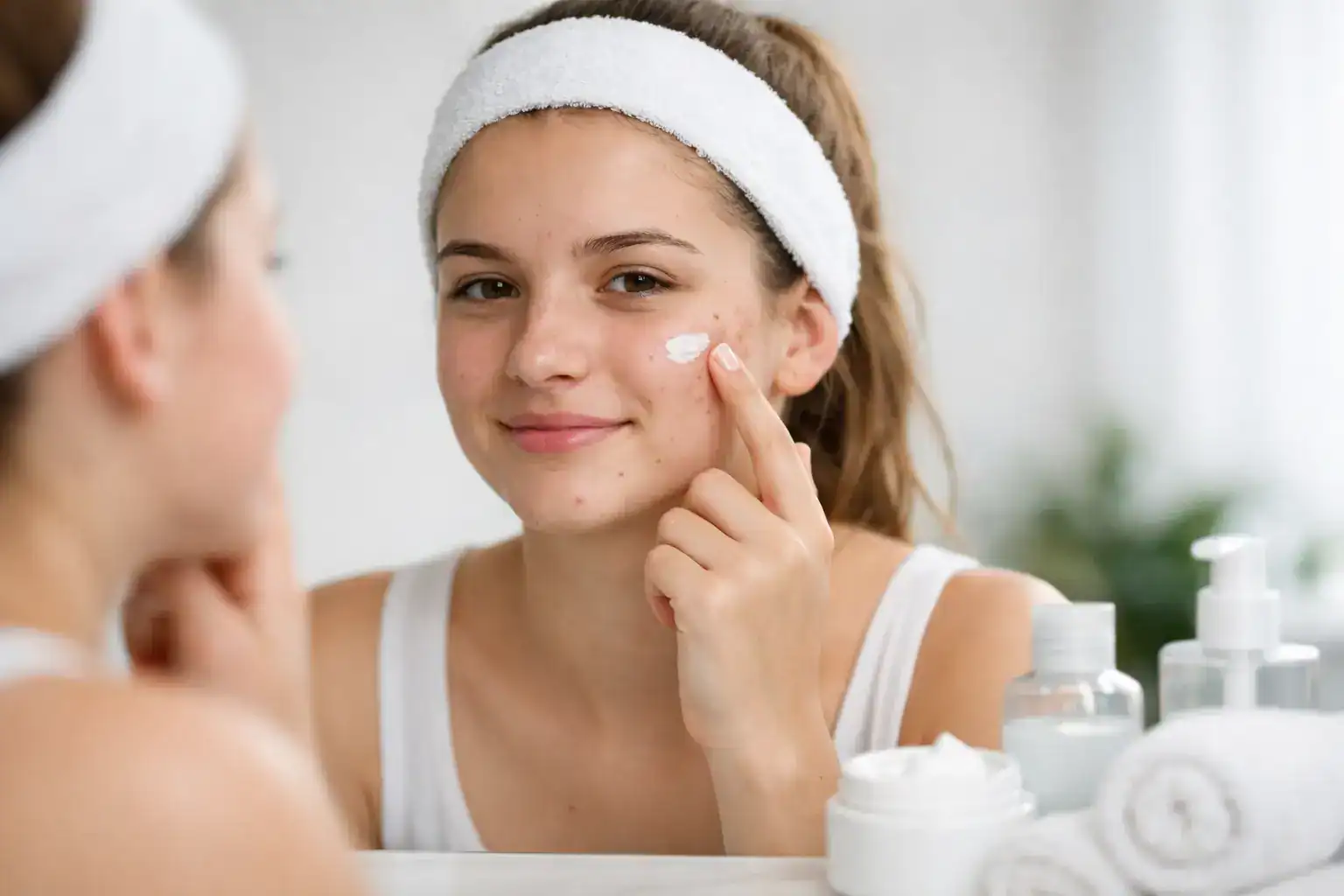
Finding the best dermatologist recommended chemical peel for dark skin requires careful consideration of skin type, pigmentation concerns, and treatment safety. While chemical peels can effectively improve uneven skin tone, acne scars, dark spots, and rough skin texture, darker complexions require a carefully selected approach to minimize irritation and prevent unwanted pigmentation changes.
We understand that melanin-rich skin has unique skincare needs, particularly when undergoing professional exfoliation treatments. Choosing the right chemical peel can help restore a smoother, brighter, and more even-looking complexion without compromising the skin’s natural protective barrier.
In this guide, we explore the best chemical peels for dark skin, their benefits, potential risks, and dermatologist-recommended precautions to help achieve healthier-looking skin.
What Is a Dermatologist Recommended Chemical Peel for Dark Skin?
A dermatologist recommended chemical peel for dark skin is a professional exfoliating treatment selected to improve specific skin concerns while reducing the risk of complications associated with melanin-rich complexions.
Chemical peels work by applying a controlled chemical solution to the skin to remove damaged surface layers and promote skin renewal. Depending on the formulation and depth of treatment, they may improve hyperpigmentation, acne, fine lines, and uneven texture.
However, darker skin tones are more susceptible to post-inflammatory hyperpigmentation (PIH), a condition in which inflammation or skin injury triggers excess pigment production.
We therefore emphasize the importance of selecting appropriate peeling agents, carefully controlling treatment strength, and consulting a qualified dermatologist experienced in treating skin of color.
For many individuals with dark skin, superficial chemical peels offer a more conservative starting point than medium-depth or deep peels.
Best Dermatologist Recommended Chemical Peels for Dark Skin
Several chemical peeling agents may be suitable for darker skin tones when administered by a qualified professional. The ideal choice depends on skin sensitivity, acne activity, pigmentation severity, and treatment goals.
1. Glycolic Acid Peel for Dark Skin
Glycolic acid peels are commonly used to address uneven skin tone, superficial hyperpigmentation, and rough skin texture.
Derived from sugar cane, glycolic acid belongs to the alpha hydroxy acid (AHA) family and promotes exfoliation by loosening the bonds between dead skin cells.
Potential benefits include:
- Improving mild hyperpigmentation and dark spots.
- Smoothing rough or uneven skin texture.
- Supporting brighter-looking skin.
- Reducing the appearance of some superficial acne marks.
- Encouraging more even surface exfoliation.
We recommend professional assessment before undergoing a glycolic acid peel because higher concentrations, prolonged exposure, or inappropriate preparation can cause irritation and pigmentation problems.
2. Mandelic Acid Peel for Sensitive Dark Skin
Mandelic acid is an alpha hydroxy acid derived from bitter almonds. Its relatively large molecular structure allows slower penetration than glycolic acid, making it a potential option for individuals seeking gentler exfoliation.
Mandelic acid peels may be considered for individuals experiencing mild acne, uneven pigmentation, or sensitive skin.
The main advantages include improved skin smoothness, gradual exfoliation, and potential reduction in mild discoloration.
However, we recognize that no chemical peel is completely free from irritation. Even gentler formulations require careful selection, particularly for individuals with eczema, an impaired skin barrier, or a history of post-inflammatory hyperpigmentation.
3. Salicylic Acid Peel for Acne-Prone Dark Skin
For individuals struggling with acne, clogged pores, and acne-related dark spots, salicylic acid peels may offer targeted benefits.
Salicylic acid is a beta hydroxy acid (BHA) that helps exfoliate inside oil-filled pores while reducing the buildup of dead skin cells.
Dermatologists may recommend superficial salicylic acid peels to:
- Improve mild acne and clogged pores.
- Reduce excessive surface oil.
- Refine uneven skin texture.
- Support the management of acne-related discoloration.
- Complement an ongoing acne treatment routine.
We consider salicylic acid particularly relevant when active breakouts and post-acne pigmentation occur together. Nevertheless, active acne often requires additional treatment, and peels should not replace prescribed medication.
4. Lactic Acid Peel for Dry and Uneven Dark Skin
Lactic acid peels provide surface exfoliation and may improve dullness, mild roughness, and uneven pigmentation.
As an alpha hydroxy acid, lactic acid helps remove dead skin cells while also having humectant properties that support skin hydration.
A dermatologist may consider a superficial lactic acid peel for individuals whose skin concerns include mild discoloration and dry-looking texture.
We generally favor an individualized, gradual treatment approach rather than aggressive exfoliation, especially when the skin is easily irritated.
5. Jessner’s Peel for Dark Spots and Acne Scars
A Jessner’s peel is a combination chemical peel that traditionally contains lactic acid, salicylic acid, and resorcinol, although modified formulations are also available.
Dermatologists may use selected Jessner’s formulations to treat acne, uneven pigmentation, and certain superficial textural concerns.
However, Jessner’s peels can vary in strength and depth. They may carry a greater risk of irritation or pigmentation complications when improperly applied.
We recommend that individuals with darker complexions undergo a thorough skin assessment before considering this treatment.
For deeper acne scars, chemical peels alone may provide limited improvement, and other dermatologist-guided procedures may be more appropriate.
Benefits of Chemical Peels for Dark Skin
When carefully selected and professionally administered, chemical peels may improve several common concerns affecting melanin-rich skin.
Hyperpigmentation reduction: Superficial peels can help improve certain dark spots by promoting the removal of pigmented surface cells.
Improved skin texture: Controlled exfoliation may reduce roughness and make the skin appear smoother.
Acne management: Selected peeling agents, particularly salicylic acid, may help reduce clogged pores and mild acne.
Brighter-looking complexion: Removing accumulated dead skin cells can improve dullness and support a more even appearance.
Enhanced skincare treatment plans: Chemical peels may complement dermatologist-prescribed treatments for acne or pigmentation.
We emphasize that results vary according to the underlying condition, peel formulation, skin response, and consistency of aftercare.
Importantly, chemical peels should improve the appearance of uneven pigmentation rather than attempt to change the skin’s natural color.
How to Choose the Safest Chemical Peel for Dark Skin
Choosing a safe chemical peel involves more than identifying an effective exfoliating ingredient. Dermatologists consider several factors before recommending treatment.
Important Factors to Consider Before Treatment
- Skin type and sensitivity: Dry, oily, combination, and sensitive skin may respond differently to chemical peeling agents.
- Type of hyperpigmentation: Acne marks, melasma, and sun-related discoloration may require different approaches.
- Peel concentration and depth: Superficial peels are generally preferred initially because deeper treatments increase the risk of pigmentation changes.
- Previous skin reactions: A history of burns, eczema, scarring, or post-inflammatory hyperpigmentation may influence treatment selection.
- Dermatologist experience: Working with a professional experienced in treating darker complexions is essential for reducing complications.
The American Academy of Dermatology confirms that chemical peels can be performed on skin of color but emphasizes the importance of treatment by a dermatologist experienced with darker skin tones. American Academy of Dermatology
Dermatologist Recommended Chemical Peel Aftercare for Dark Skin
Proper aftercare is essential for protecting melanin-rich skin following chemical exfoliation.
We recommend following these dermatologist-guided skincare practices:
- Apply broad-spectrum sunscreen: Use SPF 30 or higher daily and reapply as directed, particularly during outdoor activities.
- Maintain skin hydration: Choose gentle, fragrance-free moisturizers that support the skin barrier.
- Avoid harsh exfoliation: Do not use facial scrubs, strong acids, or other irritating treatments until the skin has recovered.
- Prevent unnecessary irritation: Avoid picking, scratching, or peeling away flaking skin.
- Follow prescribed skincare instructions: Resume retinoids, exfoliating acids, and pigmentation treatments only when your dermatologist advises.
- Monitor unusual reactions: Seek professional guidance if severe burning, blistering, significant swelling, or increasing discoloration develops.
We also recommend avoiding unregulated, high-strength chemical peeling products at home. Improper application can lead to chemical burns, scarring, and persistent pigmentation changes.
How Many Chemical Peel Sessions Are Needed for Dark Skin?
The number of chemical peel sessions required depends on the severity of pigmentation, the skin’s response, and the type of treatment selected.
Some individuals notice improvements in texture and brightness following a single superficial peel. However, treating persistent dark spots or uneven pigmentation may require multiple sessions.
Dermatologists may recommend a series of superficial treatments spaced several weeks apart, with the exact interval determined by the formulation and skin recovery.
We emphasize that gradual improvement is generally preferable to aggressive exfoliation in darker skin tones.
Furthermore, maintaining results often requires continued sun protection, gentle skincare, and appropriate treatment of underlying conditions such as acne or melasma.
Are Chemical Peels Safe for Black and African Skin?
Yes, chemical peels can be safe for Black and African skin when appropriately selected and performed by an experienced dermatologist.
However, excessive exfoliation and inflammation can worsen hyperpigmentation, particularly in individuals with melanin-rich complexions.
Superficial peels are frequently considered for suitable patients, while medium-depth and deep chemical peels require substantially greater caution because of their potential to cause prolonged discoloration or scarring. DermNet®+1
We recommend professional evaluation before treatment, especially for individuals with persistent melasma, sensitive skin, active infections, or a history of pigmentation complications.
FAQs about Dermatologist Recommended Chemical Peel for Dark Skin
1. What Is the Best Dermatologist Recommended Chemical Peel for Dark Skin?
Dermatologists often recommend superficial chemical peels containing glycolic acid, lactic acid, mandelic acid, or salicylic acid for darker skin tones. The best option depends on your skin type, concerns, and sensitivity.
2. Are Chemical Peels Safe for Dark Skin?
Yes, chemical peels for dark skin can be safe when performed by an experienced dermatologist. However, improper application may cause irritation, burns, or post-inflammatory hyperpigmentation.
3. Can Chemical Peels Remove Dark Spots and Hyperpigmentation?
Chemical peels can help reduce dark spots, acne marks, and uneven skin tone by promoting skin exfoliation and renewal. Multiple treatments may be necessary for noticeable improvements.
4. Which Chemical Peel Is Best for African American Skin?
Mandelic acid, lactic acid, and carefully selected salicylic acid peels are commonly considered for African American skin. Dermatologists typically prefer gentle, superficial treatments to minimize pigmentation complications.
5. How Often Should Dark Skin Get a Chemical Peel?
Superficial chemical peels are often scheduled every 2–4 weeks, depending on the formulation, skin response, and dermatologist’s recommendations.
6. Can Chemical Peels Make Dark Skin Darker?
Yes. Excessively strong peels or improper aftercare can trigger post-inflammatory hyperpigmentation, making treated areas darker. Professional evaluation and daily sunscreen use help reduce this risk.
7. How Long Does It Take to See Results?
Some improvements in skin texture may appear within one to two weeks. However, hyperpigmentation and acne scars may require several sessions over several months.
8. What Should You Avoid After a Chemical Peel?
We recommend avoiding direct sun exposure, harsh exfoliants, picking peeling skin, and irritating skincare products during recovery. Use gentle moisturizers and broad-spectrum SPF 30 or higher sunscreen as directed by your dermatologist.
Conclusion
The best dermatologist recommended chemical peel for dark skin is one that addresses individual skincare concerns while minimizing irritation and pigmentation risks.
Glycolic acid, mandelic acid, salicylic acid, and lactic acid peels may offer benefits for acne, dark spots, uneven skin tone, and rough texture. However, the safest and most effective option depends on professional assessment, appropriate treatment strength, and consistent aftercare.
We encourage a personalized approach that prioritizes healthy skin, gradual improvement, and long-term pigmentation control. With experienced dermatological guidance and proper sun protection, chemical peels can contribute to smoother, clearer, and more even-looking melanin-rich skin.

