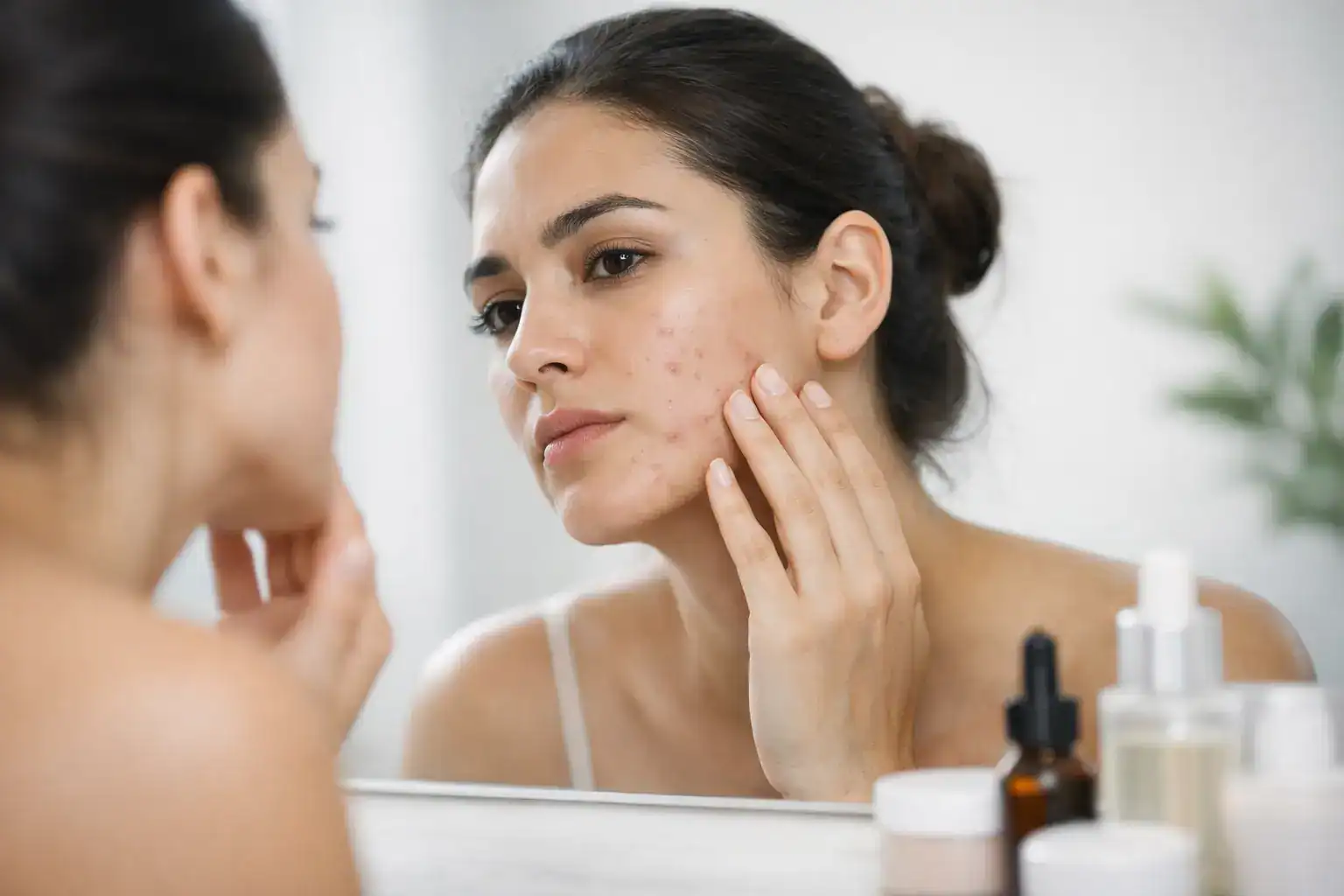
Dark spots, uneven skin tone, and stubborn pigmentation can affect the appearance and confidence of individuals seeking healthier, more radiant skin. Fortunately, chemical peels for dark spots offer an effective approach to improving skin discoloration, reducing hyperpigmentation, and promoting smoother skin.
Understanding the chemical peel for dark spots cost and options is essential when selecting a treatment that suits your skin type, pigmentation concerns, and budget.
At our clinic, we believe that achieving a brighter, more even complexion begins with professional skin assessment and personalized treatment recommendations. In this guide, we explore chemical peel options, their estimated costs, potential benefits, and important factors to consider before treatment.
What Is a Chemical Peel for Dark Spots?
A chemical peel for dark spots is a cosmetic skin treatment that uses specially formulated exfoliating acids to remove damaged surface skin cells and encourage skin renewal.
Chemical peels can help improve several pigmentation concerns, including post-inflammatory hyperpigmentation, acne marks, sun spots, and certain forms of melasma.
Depending on the chemical solution and treatment depth, a peel may target superficial discoloration or improve more persistent pigmentation over multiple sessions.
Common ingredients include glycolic acid, salicylic acid, lactic acid, mandelic acid, and trichloroacetic acid (TCA).
However, not every chemical peel is suitable for every skin type. We recommend professional evaluation to determine the safest and most appropriate treatment, particularly for individuals with darker skin tones or sensitive skin.
Chemical Peel for Dark Spots Cost: What to Expect
The cost of a chemical peel for dark spots varies depending on the type of peel, treatment area, provider’s expertise, geographical location, and number of sessions required.
In the United States, superficial chemical peels commonly cost approximately $100–$300 per session, while more intensive treatments may cost considerably more.
Average Chemical Peel Prices by Treatment Type
| Chemical Peel Type | Estimated Cost Per Session (USD) | Common Uses |
|---|---|---|
| Glycolic Acid Peel | $100–$250 | Sun spots, mild pigmentation |
| Salicylic Acid Peel | $100–$250 | Acne-related dark spots |
| Lactic Acid Peel | $100–$200 | Mild discoloration and dullness |
| Mandelic Acid Peel | $100–$250 | Superficial pigmentation |
| Jessner’s Peel | $150–$350 | Uneven skin tone and acne marks |
| TCA Chemical Peel | $250–$1,000+ | Selected pigmentation concerns |
| Deep Chemical Peel | $1,000–$3,000+ | Significant skin damage; generally unsuitable solely for dark spots |
These are illustrative US price ranges, not verified clinic quotations. Actual treatment fees vary, and consultation, preparation, medication, and aftercare may incur additional charges.
We encourage patients to request a complete treatment estimate before committing to a procedure.
Best Chemical Peel Options for Dark Spots and Hyperpigmentation
Choosing the best chemical peel for dark spots depends on the cause of pigmentation, skin sensitivity, and desired results.
1. Glycolic Acid Peel for Dark Spots
Glycolic acid is an alpha hydroxy acid (AHA) commonly used to exfoliate the skin and improve superficial pigmentation.
It can help reduce the appearance of sun damage, uneven skin tone, and post-acne marks.
Key benefits include:
- Improving mild hyperpigmentation.
- Encouraging surface skin renewal.
- Smoothing rough skin texture.
- Enhancing overall skin radiance.
Glycolic acid peels are available in different strengths. Higher concentrations require professional supervision because excessive irritation can worsen pigmentation.
2. Salicylic Acid Peel for Acne Dark Spots
Salicylic acid is a beta hydroxy acid (BHA) particularly useful for oily and acne-prone skin.
It penetrates oily pores and helps remove accumulated dead skin cells while reducing clogged pores.
We may recommend salicylic acid peels for individuals experiencing acne alongside post-inflammatory dark spots.
Potential benefits include improved pore appearance, reduced acne congestion, and gradual improvement in superficial acne-related pigmentation.
3. Lactic Acid Peel for Mild Hyperpigmentation
Lactic acid is a relatively gentle AHA that exfoliates the skin while supporting a smoother, more hydrated appearance.
It may be appropriate for patients with mild discoloration who require a less aggressive treatment approach.
However, even gentle chemical peels can trigger irritation, making professional guidance important for sensitive or pigmentation-prone skin.
4. Mandelic Acid Peel for Darker Skin Tones
Mandelic acid is another AHA frequently considered for individuals with darker skin tones or acne-related pigmentation.
Its relatively large molecular structure contributes to slower skin penetration compared with some other exfoliating acids.
This can make mandelic acid a useful option when a cautious approach is necessary.
Nevertheless, no chemical peel is completely risk-free for darker skin, and incorrect application can cause additional darkening or light patches.
5. TCA Peel for Stubborn Dark Spots
Trichloroacetic acid (TCA) peels are available in different concentrations and can produce varying depths of skin exfoliation.
They may be considered for selected pigmentation and photoaging concerns.
However, medium-depth TCA peels carry a higher risk of prolonged redness, scarring, and pigment changes.
For individuals with melasma or deeper skin tones, we generally emphasize careful assessment and conservative treatment selection rather than automatically choosing a stronger peel.
Factors That Affect Chemical Peel for Dark Spots Cost
Several factors influence the overall price of professional chemical peel treatments.
Important Factors to Consider Before Treatment
- Type and strength of peel: Superficial peels generally cost less than medium-depth or deep treatments.
- Treatment area: Facial treatments may have different prices from peels performed on the back, chest, hands, or other areas.
- Number of sessions: Some pigmentation concerns require several treatments spaced weeks apart.
- Provider qualifications: Experienced dermatologists and appropriately trained medical professionals may charge higher fees.
- Skin preparation: Patients may need prescribed skincare products before treatment.
- Aftercare requirements: Sunscreen, moisturizers, and follow-up appointments can increase total expenses.
We recommend evaluating the full treatment plan rather than selecting a provider based solely on the lowest advertised price.
How Many Chemical Peel Sessions Are Needed for Dark Spots?
The number of treatments required depends on the type and severity of pigmentation.
Some patients notice improvements in skin brightness after one superficial peel. However, visible reduction in dark spots often requires multiple sessions.
A professional may recommend a series of approximately three to six superficial peels, although some conditions require fewer or additional sessions.
For melasma, treatment can be especially challenging because pigmentation may return after improvement.
We often emphasize consistent sun protection and appropriate topical skincare alongside professional treatments to improve and maintain results.
Are Chemical Peels Safe for Dark Skin?
Chemical peels can be performed on darker skin tones, but treatment selection and application technique require particular care.
Skin with more melanin may be more susceptible to post-inflammatory hyperpigmentation, especially after aggressive exfoliation, burns, or excessive irritation.
We recommend beginning with a thorough skin assessment and, where appropriate, selecting a conservative superficial peel.
Patients should also avoid unverified high-strength home peels because incorrect use can cause chemical burns, infection, permanent discoloration, or scarring.
For persistent or complicated pigmentation, consultation with a dermatologist experienced in treating skin of color is particularly valuable.
Chemical Peel Recovery Time and Aftercare
Recovery depends on the treatment depth and individual skin response.
Superficial peels may cause temporary redness, dryness, or light flaking for several days. Medium-depth peels generally involve more noticeable peeling and a longer healing period.
To support recovery, we recommend:
- Applying a broad-spectrum sunscreen with SPF 30 or higher daily.
- Using gentle, fragrance-free skincare products.
- Avoiding picking, peeling, or scrubbing treated skin.
- Temporarily avoiding retinoids and strong exfoliants as directed by the treating professional.
- Limiting direct sun exposure during recovery.
- Following all prescribed post-treatment instructions.
Persistent pain, severe swelling, blisters, increasing redness, or signs of infection require prompt medical assessment.
Chemical Peel vs. Laser Treatment for Dark Spots
Patients comparing chemical peel for hyperpigmentation cost and options may also consider laser treatments.
Chemical peels primarily work through controlled exfoliation, while laser treatments use targeted energy to address selected skin concerns.
Superficial chemical peels are often less expensive per appointment than laser procedures. However, multiple peel sessions may be necessary.
Laser treatments may benefit certain pigmentation conditions, but inappropriate laser selection can worsen discoloration, particularly in darker skin tones.
We recommend choosing a procedure based on the specific diagnosis rather than assuming that a more expensive treatment will deliver better results.
How to Choose an Affordable Chemical Peel for Dark Spots
Finding an affordable chemical peel for dark spots involves balancing treatment costs with safety, qualifications, and realistic expectations.
Before booking, we recommend confirming that the provider performs a proper skin consultation, explains the recommended peel, discusses potential complications, and provides clear aftercare guidance.
A reputable provider should also identify whether the pigmentation is caused by acne, sun exposure, hormonal changes, or another underlying condition.
This matters because some dark spots respond well to superficial peels, while conditions such as melasma may require a broader treatment plan involving topical medications and strict sun protection.
Is a Chemical Peel for Dark Spots Worth the Cost?
A chemical peel may be a worthwhile investment for individuals seeking improvement in superficial hyperpigmentation, acne marks, and uneven skin tone.
However, treatment outcomes vary depending on skin type, pigmentation depth, underlying causes, and adherence to aftercare instructions.
We encourage patients to focus on gradual, sustainable skin improvement rather than expecting instant or permanent removal of discoloration.
Combining carefully selected treatments with appropriate skincare and daily sunscreen often provides a more practical approach than relying on chemical peels alone.
FAQs about Chemical Peel for Dark Spots Cost and Options
1. How Much Does a Chemical Peel for Dark Spots Cost?
The cost of a chemical peel for dark spots varies depending on the type of peel, treatment area, clinic location, and provider’s expertise. In the United States, superficial chemical peels may cost approximately $100–$300 per session, while medium and deep peels generally cost more.
2. What Is the Best Chemical Peel for Dark Spots?
The best chemical peel for dark spots depends on your skin type and pigmentation concerns. Glycolic acid, lactic acid, salicylic acid, and Jessner’s peels are commonly used to improve uneven skin tone and certain types of hyperpigmentation.
3. How Many Chemical Peel Sessions Are Needed for Dark Spots?
Most patients require 3–6 superficial chemical peel sessions to achieve noticeable improvements. However, treatment frequency depends on the severity of pigmentation, skin sensitivity, and individual response.
4. Are Chemical Peels Safe for Dark Skin?
Yes, chemical peels can be safe for darker skin tones when performed by qualified professionals. However, inappropriate peel selection or excessive strength can increase the risk of post-inflammatory hyperpigmentation.
5. Are Chemical Peels for Dark Spots Worth the Cost?
Chemical peels can be worthwhile for individuals seeking smoother skin and reduced pigmentation. Results vary, and ongoing sun protection is essential for maintaining improvements.
6. What Are the Different Chemical Peel Options for Dark Spots?
The main options include superficial, medium, and deep chemical peels. Superficial peels generally involve less downtime, while deeper treatments require longer recovery and carry greater risks.
7. How Do We Choose an Affordable Chemical Peel for Dark Spots?
We recommend comparing treatment costs, checking provider qualifications, and scheduling a professional skin assessment. Choosing the right chemical peel treatment is more important than selecting the cheapest option.
Conclusion
Understanding the chemical peel for dark spots cost and options helps patients make informed decisions about professional pigmentation treatments.
From glycolic acid and salicylic acid to mandelic acid and carefully selected TCA peels, different treatments offer distinct advantages depending on skin type and pigmentation concerns.
While superficial peels are generally more affordable and involve shorter recovery periods, stronger treatments require greater caution and may not be appropriate for every patient.
At our clinic, we prioritize personalized skin assessments, safe treatment selection, and realistic expectations to help patients work toward clearer, smoother, and more even-toned skin.