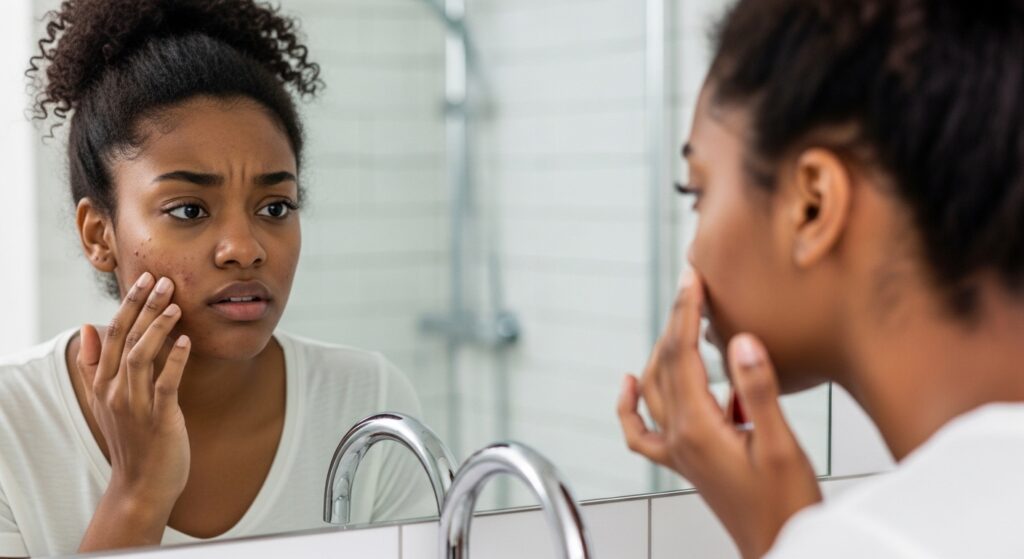
Wrinkles, fine lines, and changes in skin texture are common signs of aging. As collagen production naturally declines, the skin gradually loses firmness, elasticity, and its youthful appearance. Fortunately, modern dermatology offers advanced solutions to address these concerns. Among the most effective options is laser treatment for wrinkles, a non-surgical approach designed to improve skin texture, stimulate collagen production, and reduce visible signs of aging.
Choosing the best laser treatment for wrinkles depends on several factors, including skin type, wrinkle severity, treatment goals, and recovery preferences. From fractional CO2 lasers to non-ablative laser resurfacing, different technologies offer varying levels of improvement.
In this guide, we explore the most effective laser treatments for facial wrinkles, their benefits, potential costs, recovery expectations, and essential considerations for achieving smoother, healthier-looking skin.
What Is Laser Treatment for Wrinkles?
Laser treatment for wrinkles is a cosmetic dermatological procedure that uses concentrated light energy to improve the appearance of aging skin. The treatment works by targeting specific skin layers, encouraging collagen remodeling, and supporting the skin’s natural renewal processes.
Laser skin resurfacing can help improve several aging-related concerns, including fine lines, uneven skin texture, sun damage, and certain types of wrinkles.
We generally classify wrinkle laser treatments into two main categories:
- Ablative laser treatments: Remove controlled portions of the outer skin layers while heating deeper tissue to promote collagen remodeling.
- Non-ablative laser treatments: Deliver heat beneath the skin surface without intentionally removing the outer layer, resulting in less downtime but typically more gradual improvements.
Both approaches can improve skin appearance, although deeper wrinkles may require more intensive treatment or a combination of cosmetic procedures.
Best Laser Treatments for Wrinkles and Fine Lines
Several laser technologies are used to address facial aging. Selecting the appropriate procedure requires an understanding of how each treatment works and the results it can realistically deliver.
1. Fractional CO2 Laser Treatment for Deep Wrinkles
Fractional CO2 laser resurfacing is among the more intensive laser treatments for wrinkles, particularly when addressing pronounced fine lines, sun-damaged skin, and certain deeper facial wrinkles.
The procedure delivers microscopic columns of laser energy into the skin, creating controlled treatment zones while leaving surrounding areas relatively intact. This stimulates tissue repair and collagen remodeling.
Key benefits include:
- Improvement in moderate to pronounced wrinkles.
- Smoother skin texture and reduced surface irregularities.
- Increased collagen remodeling over subsequent months.
- Improvement in some forms of sun damage and acne scarring.
- Potentially substantial results after a single treatment.
However, fractional CO2 laser treatment commonly involves several days to two weeks of visible healing, depending on treatment intensity. Redness may persist longer.
Individuals with darker skin tones also face an increased risk of post-inflammatory hyperpigmentation, making professional assessment and careful treatment selection especially important.
2. Erbium YAG Laser for Fine Lines and Skin Resurfacing
The Erbium YAG laser is another effective option for treating superficial wrinkles and improving uneven skin texture.
This laser precisely removes thin layers of damaged skin, often with less surrounding thermal injury than traditional CO2 resurfacing.
It may be particularly suitable for individuals seeking visible improvement in fine lines while avoiding the recovery demands of more aggressive resurfacing.
Erbium laser treatment can provide benefits such as improved skin smoothness, reduced superficial wrinkles, and a more even-looking complexion.
Although recovery may be shorter than with some CO2 procedures, redness, swelling, pigment changes, and other complications remain possible.
3. Fractional Non-Ablative Laser for Early Wrinkles
For individuals with mild wrinkles or early signs of aging, fractional non-ablative laser treatment offers a less intensive alternative.
These lasers create microscopic zones of controlled heating beneath the skin while preserving the outer surface.
The treatment encourages collagen remodeling and gradual improvement in skin texture.
Non-ablative fractional lasers are commonly used for fine lines, mild textural irregularities, and early photoaging.
We consider this approach particularly relevant when minimal downtime is a priority. However, multiple sessions are often necessary, and results are generally less dramatic than those achieved with aggressive ablative resurfacing.
4. Nd:YAG Laser Treatment for Skin Rejuvenation
Certain Nd:YAG laser treatments, particularly long-pulsed 1064 nm approaches, may support mild skin tightening and improvement in fine lines through controlled dermal heating.
Because the wavelength penetrates relatively deeply and interacts differently with skin pigment, selected Nd:YAG treatments may be appropriate for some individuals with darker skin tones.
Nevertheless, effectiveness depends on the device, settings, operator experience, and treatment objective.
Nd:YAG laser rejuvenation generally produces more subtle wrinkle improvement than ablative resurfacing and should not be regarded as a direct replacement for fractional CO2 treatment in cases involving substantial wrinkles.
How to Choose the Best Laser Treatment for Wrinkles
Selecting the most suitable treatment involves evaluating skin characteristics and balancing expected improvements against recovery requirements.
We recommend considering the following factors before undergoing laser wrinkle removal:
- Wrinkle severity: Fine lines may respond to non-ablative lasers, while more pronounced static wrinkles may benefit from ablative resurfacing.
- Skin tone: Individuals with deeper skin tones require careful assessment because some laser procedures carry greater pigmentation risks.
- Recovery time: Aggressive laser resurfacing generally requires more downtime than non-ablative treatments.
- Treatment goals: Patients seeking significant texture improvement may require a different approach from those seeking subtle skin rejuvenation.
- Medical history: Active infections, certain medications, previous scarring, and underlying skin conditions may affect treatment eligibility.
- Dermatologist experience: A qualified practitioner should select the device and settings according to individual skin characteristics.
We also emphasize that wrinkles caused primarily by repeated muscle movement, such as certain forehead lines, may respond better to treatments such as botulinum toxin injections than to laser resurfacing alone.
Benefits of Laser Skin Resurfacing for Wrinkles
The growing popularity of laser skin resurfacing for wrinkles reflects its ability to address multiple visible signs of aging without traditional surgery.
Beyond reducing fine lines, appropriately selected laser treatments can improve overall skin quality and appearance.
Improved Collagen Production and Skin Firmness
Collagen provides structural support to the skin. Laser treatment creates controlled thermal stimulation that encourages collagen remodeling, helping improve skin firmness and texture over time.
Reduced Fine Lines and Facial Wrinkles
Laser resurfacing can soften wrinkles around the eyes, mouth, and cheeks. Results depend on wrinkle depth and treatment intensity, and complete wrinkle removal is not guaranteed.
Smoother Skin Texture and More Even Skin Tone
Certain laser treatments improve rough skin, uneven pigmentation, and visible sun damage, contributing to a smoother and more refreshed complexion.
Long-Lasting Skin Rejuvenation
Improvements from ablative laser resurfacing can last for years, although natural aging and continued sun exposure affect how long results remain visible. Mayo Clinic+2
Laser Treatment for Wrinkles: Cost and Recovery
The cost of laser treatment for wrinkles depends on the technology used, treatment area, clinic location, practitioner expertise, and number of sessions required.
Fractional CO2 resurfacing is often more expensive per session than less intensive non-ablative procedures, but a single treatment may produce more noticeable improvement.
When comparing treatment options, we recommend requesting a complete quotation covering consultation fees, treatment sessions, anesthesia where necessary, aftercare products, and follow-up appointments.
What to Expect During Recovery
Recovery differs considerably between laser technologies.
| Laser treatment | Typical recovery expectations |
|---|---|
| Fractional CO2 laser | Several days to two weeks of initial healing; redness may last longer |
| Erbium YAG laser | Several days to approximately two weeks, depending on intensity |
| Non-ablative fractional laser | Mild redness or swelling, often with limited downtime |
| Non-ablative Nd:YAG laser | Usually minimal downtime, depending on treatment settings |
Following professional aftercare instructions is essential for minimizing complications and protecting treatment results.
Possible Side Effects of Laser Treatment for Wrinkles
Although laser resurfacing can provide meaningful cosmetic improvements, it also carries potential risks.
Common side effects include temporary redness, swelling, tenderness, peeling, and skin sensitivity. More serious complications may include infection, scarring, and changes in pigmentation.
People with darker skin tones may be especially susceptible to post-inflammatory hyperpigmentation following certain aggressive laser procedures.
We recommend consulting a qualified dermatologist who has experience treating different skin tones and can evaluate whether laser resurfacing is appropriate.
Patients should also disclose previous cold sores, medications, and any medical conditions that could interfere with healing.
How to Maintain Results After Laser Wrinkle Treatment
Maintaining improvements requires consistent skincare and protection against environmental damage.
We recommend a gentle skincare routine that supports skin recovery and minimizes irritation.
Daily broad-spectrum sunscreen with SPF 30 or higher is particularly important once the skin has healed sufficiently for sunscreen application. During initial healing, patients should follow their dermatologist’s specific sun-avoidance and wound-care instructions.
Moisturizers, suitable antioxidants, and dermatologist-recommended anti-aging ingredients may further support skin health.
We also encourage avoiding excessive sun exposure, smoking, and harsh skincare products that can damage or irritate the skin.
Is Laser Treatment the Best Option for Deep Wrinkles?
Laser resurfacing can significantly improve some deep wrinkles, especially those associated with sun damage and skin texture changes. However, it cannot completely eliminate every wrinkle or correct substantial skin sagging.
For pronounced expression lines or significant volume loss, injectable treatments or other procedures may provide better results.
We therefore recommend individualized treatment plans rather than relying on a single cosmetic procedure for every sign of facial aging.
FAQs about the Best Laser Treatment for Wrinkles
1. What is the best laser treatment for wrinkles?
The best laser treatment for wrinkles depends on skin type, wrinkle depth, and treatment goals. Fractional CO2 lasers are often effective for deeper wrinkles, while erbium lasers may be suitable for fine lines with less downtime.
2. Does laser treatment permanently remove wrinkles?
Laser wrinkle treatment can significantly reduce the appearance of wrinkles, but results are not permanent. Natural aging continues, and maintenance treatments may be necessary.
3. How many laser sessions are needed for wrinkles?
The number of sessions depends on the laser technology and wrinkle severity. Some patients achieve noticeable improvement after one ablative laser session, while non-ablative treatments often require multiple sessions.
4. Is laser treatment for wrinkles painful?
Most patients experience mild to moderate discomfort during treatment. Dermatologists may apply topical anesthetics or use other pain-management techniques to improve comfort.
5. Which laser is best for deep wrinkles?
Fractional CO2 laser resurfacing is frequently recommended for deeper wrinkles because it promotes collagen remodeling and improves skin texture. However, suitability depends on individual skin characteristics.
6. How long does laser wrinkle treatment take to heal?
Recovery varies by treatment. Non-ablative lasers generally require minimal downtime, while ablative laser resurfacing may require one to two weeks of initial healing, sometimes longer.
7. Is laser treatment safe for all skin types?
Laser treatments can be appropriate for different skin tones, but darker skin carries a higher risk of pigmentation changes. A qualified dermatologist should assess the safest treatment option.
8. What is the best age to start laser treatment for wrinkles?
There is no specific age requirement. Treatment suitability depends on skin condition, wrinkle severity, medical history, and individual aesthetic goals.
Conclusion
The best laser treatment for wrinkles depends on skin condition, wrinkle depth, desired results, and acceptable downtime. Fractional CO2 lasers offer substantial resurfacing benefits, while Erbium YAG and non-ablative fractional lasers provide alternatives for different treatment goals.
We believe successful skin rejuvenation begins with professional assessment, realistic expectations, and appropriate aftercare. By selecting the right laser technology and working with an experienced dermatologist, patients can achieve smoother skin, improved texture, and a naturally refreshed appearance.
For those seeking effective laser wrinkle removal, a personalized consultation remains the most reliable first step toward identifying a safe and suitable treatment.