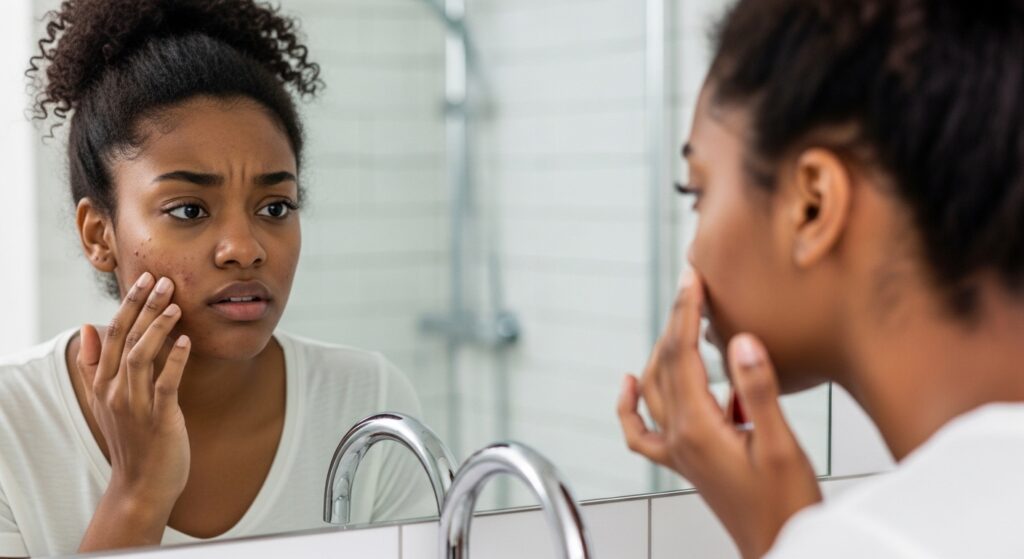
Dark spots, uneven skin tone, and hyperpigmentation are common skincare concerns that can affect people of all ages and skin types. Whether caused by acne scars, sun exposure, hormonal changes, or aging, these discolorations can be difficult to treat without professional guidance. Consulting a dermatologist for dark spots is one of the most effective ways to identify the underlying cause and explore safe, personalized treatment options.
Understanding the cost of dermatologist treatments for dark spots is essential when choosing the right skincare solution. Treatment prices vary depending on the severity of pigmentation, the dermatologist’s experience, the clinic’s location, and the procedures recommended.
In this guide, we explore dermatologist costs, hyperpigmentation treatment options, professional skincare procedures, and affordable solutions to help you make an informed decision.
What Causes Dark Spots on the Skin?
Dark spots develop when certain areas of the skin produce excess melanin, the pigment responsible for skin color. This condition, known as hyperpigmentation, can occur on the face, neck, hands, shoulders, and other areas frequently exposed to sunlight.
Several factors contribute to dark spots, including:
- Sun exposure: Ultraviolet radiation stimulates melanin production, leading to sunspots and uneven pigmentation.
- Acne and inflammation: Pimples, injuries, and skin irritation can leave behind post-inflammatory hyperpigmentation.
- Hormonal changes: Pregnancy, hormonal medications, and other hormonal influences may contribute to melasma.
- Aging: Years of sun exposure can lead to age spots and pigmentation irregularities.
- Skin irritation: Harsh skincare products and inappropriate cosmetic treatments may worsen existing discoloration.
We recommend identifying the specific cause of pigmentation before beginning treatment because different types of dark spots respond to different dermatological approaches.
How Much Does a Dermatologist for Dark Spots Cost?
The cost of seeing a dermatologist for dark spots depends on the consultation fee, diagnostic requirements, prescribed medications, and professional procedures.
For readers comparing treatment prices, the following are illustrative ranges commonly associated with private dermatology services in the United States. They are not verified quotes from a particular clinic.
Average Dermatologist Treatment Costs for Dark Spots
| Treatment option | Estimated cost (USD) |
|---|---|
| Initial dermatologist consultation | $100–$300 |
| Prescription topical treatments | $20–$200 |
| Superficial chemical peel | $100–$300 per session |
| Microneedling | $200–$700 per session |
| Laser pigmentation treatment | $200–$1,000+ per session |
| Intense Pulsed Light (IPL) therapy | $300–$600 per session |
These estimates vary significantly based on geography, provider, treatment area, and technology. Multiple sessions, follow-up visits, and aftercare products may increase the total cost.
Medical insurance may cover a consultation when it is necessary to diagnose a suspected skin condition. However, procedures performed solely to improve appearance are generally considered cosmetic and may not be covered.
Best Dermatologist Treatment Options for Dark Spots
Professional dermatologists offer several treatments designed to reduce pigmentation and improve overall skin appearance. The most appropriate treatment depends on skin type, pigmentation depth, medical history, and treatment goals.
1. Prescription Creams for Hyperpigmentation
Prescription creams are frequently recommended as an initial treatment for dark spots, especially when pigmentation is mild or moderate.
Common dermatologist-prescribed ingredients include:
- Hydroquinone: Reduces melanin production and may help fade certain types of hyperpigmentation.
- Tretinoin: Encourages skin cell turnover and can improve discoloration over time.
- Azelaic acid: Helps reduce acne-related pigmentation and may benefit sensitive or acne-prone skin.
- Combination creams: Certain prescription formulas combine ingredients to treat melasma more effectively.
These treatments generally cost less than procedures, although results often require several weeks or months of consistent use.
We recommend using prescription-strength products only under professional supervision because inappropriate application can cause irritation and worsen pigmentation.
2. Chemical Peels for Dark Spots
Chemical peels for hyperpigmentation use carefully selected exfoliating solutions to remove superficial skin layers and encourage skin renewal.
Dermatologists may recommend glycolic acid, salicylic acid, or other specialized formulations depending on the condition being treated.
Chemical peels can help improve:
- Post-acne dark marks
- Superficial sun damage
- Uneven skin tone
- Certain forms of stubborn pigmentation
The average cost of a superficial chemical peel may range from $100 to $300 per session, although stronger treatments can cost more.
Individuals with darker skin tones require particular care because overly aggressive peels can trigger additional hyperpigmentation.
3. Laser Treatment for Dark Spots
Laser therapy targets unwanted pigmentation using concentrated light energy. Depending on the type of discoloration, dermatologists may use pigment-specific lasers or other carefully selected laser technologies.
Laser treatment for dark spots may help improve certain sunspots and localized pigmentation more rapidly than topical products alone.
However, not every pigmentation condition is suitable for laser treatment. Melasma, for example, can sometimes worsen or recur after inappropriate laser procedures.
The cost typically ranges from $200 to $1,000 or more per session, depending on the equipment and treatment area.
We recommend consulting a dermatologist experienced in treating your specific skin tone before choosing laser therapy.
4. Microneedling for Hyperpigmentation
Microneedling involves creating controlled microscopic injuries in the skin to stimulate repair and collagen production.
Although commonly used for acne scars and skin texture concerns, microneedling may also be considered for selected pigmentation conditions, sometimes alongside topical treatments.
Treatment costs often range from $200 to $700 per session.
Microneedling is not suitable for every patient, particularly those with active skin infections or certain inflammatory conditions. Improper technique may also worsen discoloration.
5. Intense Pulsed Light (IPL) Therapy
IPL uses broad-spectrum light to address selected pigmentation problems, especially some sun-related brown spots.
It may be useful for individuals with superficial sun damage, but treatment suitability depends heavily on skin tone and pigmentation type.
Because IPL carries an increased risk of burns and pigment changes in darker skin, we recommend a thorough dermatological assessment before proceeding.
Factors That Affect the Cost of Dark Spot Treatment
Several factors influence the total price of professional hyperpigmentation treatment. Understanding these considerations helps patients compare dermatology clinics and select appropriate services.
Severity and Type of Hyperpigmentation
Mild pigmentation may respond to topical treatments, while deeper or persistent discoloration can require a longer treatment plan.
Melasma, post-inflammatory hyperpigmentation, and sunspots may need different approaches, affecting overall expenses.
Dermatologist’s Experience and Qualifications
Board-certified dermatologists with specialized experience in pigmentation disorders may charge higher consultation fees.
However, professional expertise is particularly important when treating darker skin tones or complex pigmentation conditions.
Clinic Location and Technology
Dermatology clinics in major metropolitan areas may charge more than practices in smaller communities.
Advanced equipment, specialized laser systems, and additional clinical services can also influence treatment prices.
Number of Treatment Sessions
Some patients experience improvement with prescription creams, while others require several professional procedures.
We recommend requesting a comprehensive treatment estimate, including follow-up visits, prescribed products, and potential maintenance sessions.
Affordable Dermatologist Options for Dark Spots
Professional hyperpigmentation treatment does not always require expensive cosmetic procedures. Several affordable approaches may deliver meaningful improvements when selected appropriately.
Cost-Effective Ways to Treat Dark Spots
- Start with a dermatologist consultation: An accurate diagnosis helps prevent spending money on unsuitable products or procedures.
- Consider prescription topical treatments: Medications such as azelaic acid or prescription retinoids may offer cost-effective alternatives to cosmetic procedures.
- Use daily sunscreen: Broad-spectrum SPF 30 or higher helps prevent existing pigmentation from becoming darker.
- Compare treatment packages: Some clinics offer discounted rates for multiple sessions, although patients should confirm whether every session is necessary.
- Explore teaching hospitals: Dermatology departments at teaching hospitals may offer accessible consultation and treatment options.
- Treat underlying skin conditions: Managing acne, eczema, or other sources of inflammation can reduce the formation of new dark marks.
We emphasize that the cheapest dark spot treatment is not necessarily the safest or most effective. Selecting appropriate care can prevent complications that require additional treatment.
How Long Does Dermatologist Treatment Take to Remove Dark Spots?
The time required to fade dark spots varies according to pigmentation depth, skin type, treatment consistency, and the underlying cause.
Superficial pigmentation may gradually improve over several months, while deeper discoloration can take significantly longer.
According to the American Academy of Dermatology, some dark spots that are only slightly darker than the surrounding skin may take 6–12 months to fade naturally, while deeper pigmentation can persist for years. Professional treatment may accelerate improvement. American Academy of Dermatology+1
We recommend maintaining realistic expectations and following the dermatologist’s prescribed treatment schedule.
How to Choose the Best Dermatologist for Dark Spots
Selecting a qualified dermatologist is essential for achieving safe and satisfactory treatment outcomes.
When comparing specialists, we recommend considering the following qualifications:
- Professional certification: Choose a properly licensed dermatologist with recognized specialist training.
- Hyperpigmentation expertise: Look for experience treating melasma, sun damage, and post-inflammatory pigmentation.
- Experience with different skin tones: Ask whether the dermatologist regularly treats patients with similar skin characteristics.
- Personalized treatment plans: A reputable specialist should assess the cause of discoloration before recommending procedures.
- Transparent pricing: Request a clear explanation of consultation charges, treatment costs, and additional expenses.
- Follow-up support: Choose a clinic that provides ongoing monitoring and skincare guidance.
We also recommend reviewing verified patient feedback while recognizing that individual treatment results can vary.
How to Prevent Dark Spots After Dermatologist Treatment
Preventing new pigmentation is an important part of maintaining treatment results.
Daily sun protection remains one of the most effective preventive strategies. Dermatologists commonly recommend broad-spectrum SPF 30 or higher, with tinted sunscreen containing iron oxides particularly beneficial for some pigmentation disorders.
Gentle skincare products, consistent treatment of underlying skin conditions, and avoiding unnecessary irritation can also reduce the likelihood of recurring discoloration. American Academy of Dermatology+1
Patients should avoid unregulated skin-lightening products, harsh bleaching agents, and aggressive home treatments that may cause burns or permanent pigmentation changes.
When Should You See a Dermatologist for Dark Spots?
A dermatology consultation is especially valuable when dark spots persist despite appropriate skincare, spread across the face, or repeatedly return after treatment.
Professional evaluation is also important when pigmentation develops alongside acne, persistent inflammation, or suspected hormonal changes.
Any new or changing dark spot that has irregular borders, multiple colors, bleeding, or other unusual features should be medically assessed before attempting cosmetic removal.
FAQs about Best Dermatologist for Dark Spots
1. What type of dermatologist is best for dark spots?
The best dermatologist for dark spots is a board-certified dermatologist experienced in treating hyperpigmentation, melasma, acne scars, and uneven skin tone. We recommend choosing a specialist who provides personalized treatments based on skin type and pigmentation concerns.
2. Can a dermatologist permanently remove dark spots?
A dermatologist can significantly reduce or eliminate certain dark spots using prescription creams, chemical peels, laser treatments, and other procedures. However, results depend on the underlying cause, and some pigmentation may return without proper skincare and sun protection.
3. What treatments do dermatologists recommend for dark spots?
Dermatologists commonly recommend topical retinoids, azelaic acid, hydroquinone, chemical peels, and laser therapy. We advise consulting a qualified dermatologist to determine the safest and most effective treatment for your skin.
4. How long does dermatologist treatment take to remove dark spots?
Most dark spot treatments require several weeks to months before noticeable improvements appear. Treatment duration depends on pigmentation severity, skin type, and the recommended procedure.
5. How much does a dermatologist charge for dark spot removal?
The cost of dermatologist treatment for dark spots varies depending on consultation fees, location, pigmentation severity, and treatment options. Prescription creams may be more affordable than laser treatments or professional chemical peels.
6. Is laser treatment safe for dark spots?
Laser treatment can be effective when performed by an experienced dermatologist. However, certain skin types, particularly darker skin tones, may have a higher risk of post-inflammatory hyperpigmentation.
7. How do we choose the best dermatologist for dark spots near us?
We recommend checking professional qualifications, experience with hyperpigmentation, patient reviews, treatment options, and consultation costs. Choosing a dermatologist experienced with your skin tone can improve treatment safety and outcomes.
Conclusion
From prescription creams and chemical peels to laser therapy and other professional procedures, several solutions are available for managing hyperpigmentation.
We recommend beginning with a comprehensive skin assessment, discussing realistic treatment expectations, and comparing costs before committing to a procedure.
With appropriate dermatological care, consistent sun protection, and a personalized skincare routine, patients can work toward fading dark spots, improving uneven skin tone, and maintaining healthier-looking skin without unnecessary treatments or excessive expenses.