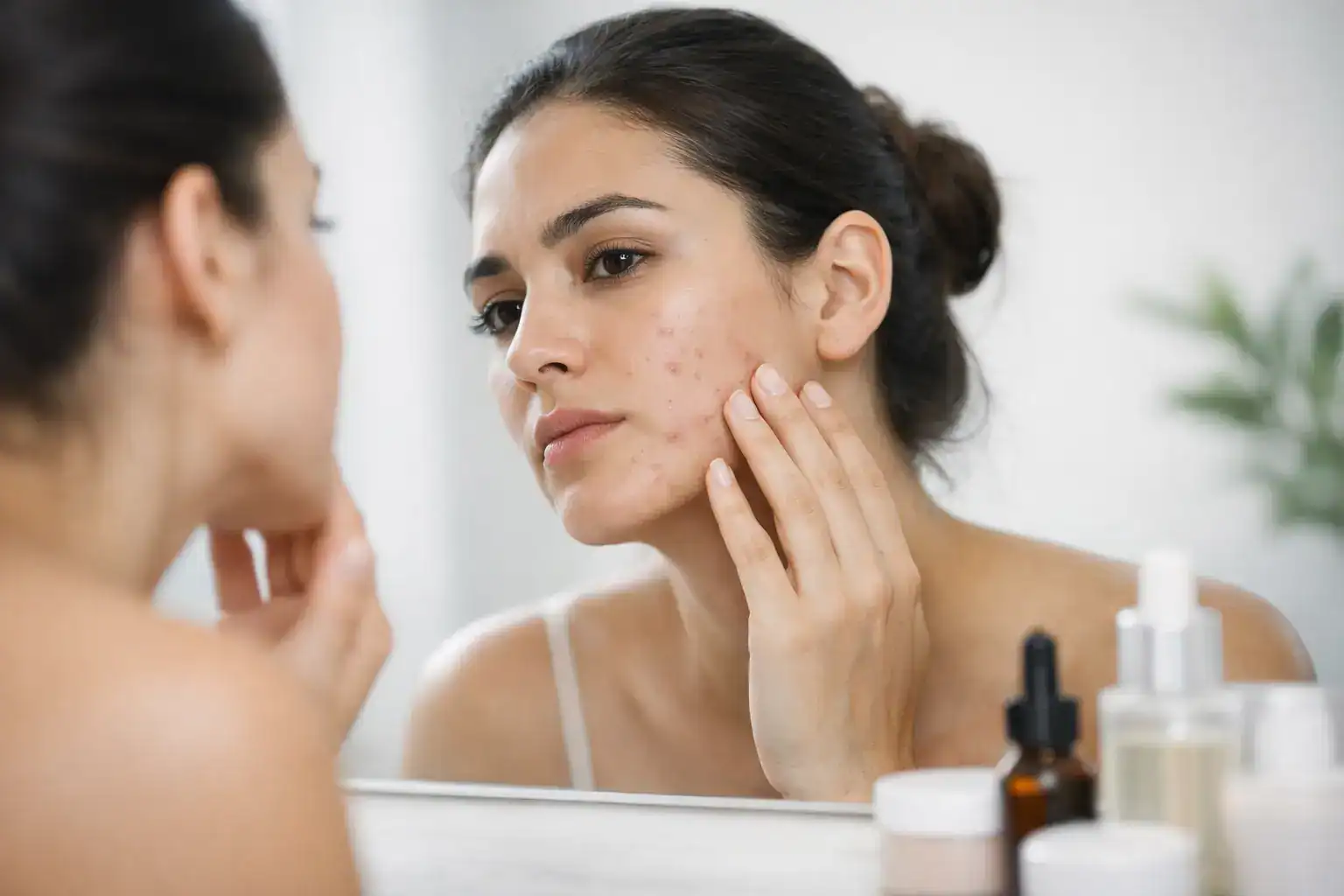
Finding the best dermatologist for sensitive skin is essential for maintaining healthy, comfortable, and irritation-free skin. Sensitive skin often reacts to skincare products, environmental conditions, fragrances, and certain cosmetic treatments. Without proper dermatological care, these reactions may lead to persistent redness, dryness, itching, burning sensations, and skin inflammation.
We understand that managing sensitive skin requires more than purchasing products labeled as gentle or hypoallergenic. A qualified dermatologist can identify underlying skin conditions, recommend suitable treatments, and develop a personalized skincare routine that protects the skin barrier.
In this comprehensive guide, we explore how to find the best dermatologist for sensitive skin, available treatment options, essential qualifications, consultation costs, and practical recommendations for achieving healthier skin.
Why You Need the Best Dermatologist for Sensitive Skin
Sensitive skin requires specialized attention because its symptoms can overlap with several dermatological conditions. Individuals experiencing frequent irritation, redness, or discomfort may have an underlying condition that requires professional diagnosis.
We recommend consulting an experienced dermatologist when skin sensitivity becomes persistent, worsens, or interferes with everyday activities.
Common Sensitive Skin Problems Dermatologists Treat
The best dermatologists for sensitive skin provide diagnosis and treatment for various skin concerns, including:
- Persistent redness and irritation: Frequent flushing, inflammation, or burning sensations triggered by skincare products or environmental conditions.
- Eczema and atopic dermatitis: Inflammatory skin conditions that may cause dryness, itching, cracking, and discomfort.
- Rosacea: A chronic skin condition associated with facial redness, flushing, sensitivity, and sometimes acne-like bumps.
- Contact dermatitis: Skin inflammation caused by exposure to irritants or substances that trigger allergic reactions.
- Dry and dehydrated skin: Skin experiencing moisture loss, tightness, roughness, or impaired barrier function.
- Reactions to skincare products: Irritation caused by fragrances, exfoliating acids, preservatives, or active ingredients.
By identifying the cause of these symptoms, a dermatologist can recommend targeted treatments rather than relying on trial-and-error skincare solutions.
How to Choose the Best Dermatologist for Sensitive Skin
Selecting a qualified dermatologist is one of the most important steps toward effective sensitive skin management. We recommend evaluating professional credentials, clinical experience, treatment approaches, and patient communication before scheduling an appointment.
Important Qualities to Look for in a Sensitive Skin Dermatologist
When searching for a dermatologist specializing in sensitive skin, we recommend considering the following factors:
- Professional qualifications: Choose a licensed dermatologist with recognized specialist training and appropriate medical credentials.
- Experience treating sensitive skin: Look for experience managing eczema, rosacea, contact dermatitis, and skin barrier disorders.
- Personalized treatment plans: A qualified specialist should recommend treatments based on your symptoms, medical history, and skin condition.
- Evidence-based recommendations: Prioritize dermatologists who use clinically supported treatments instead of promoting unnecessary cosmetic procedures.
- Patch testing services: Dermatologists with access to allergy patch testing can help identify substances responsible for allergic contact dermatitis.
- Positive patient experiences: Consider reviews that discuss communication, thorough examinations, treatment explanations, and follow-up care.
We also recommend selecting a dermatologist who explains potential treatment side effects and provides clear instructions for managing skin reactions.
Best Dermatologist-Recommended Treatments for Sensitive Skin
Effective sensitive skin treatment depends on identifying the underlying cause of irritation. Dermatologists may recommend gentle skincare products, prescription medications, lifestyle adjustments, or specialized procedures.
1. Gentle Cleansers for Sensitive Skin
Harsh cleansers can disrupt the skin barrier and worsen dryness, redness, and irritation.
We recommend discussing fragrance-free, non-abrasive cleansers with a dermatologist. Suitable formulations should remove dirt and excess oil without unnecessarily stripping the skin of protective moisture.
2. Moisturizers That Repair the Skin Barrier
A weakened skin barrier can contribute to increased sensitivity and moisture loss.
Dermatologists frequently recommend moisturizers containing ingredients such as:
- Ceramides: Help replenish lipids that support the skin’s protective barrier.
- Glycerin: Attracts moisture and supports skin hydration.
- Hyaluronic acid: Helps maintain hydration when incorporated into a well-formulated moisturizer.
- Petrolatum: Reduces water loss and protects dry or compromised skin.
- Colloidal oatmeal: May help soothe dryness and itching in suitable formulations.
We recommend choosing fragrance-free moisturizers and applying them consistently according to your dermatologist’s guidance.
3. Prescription Treatments for Skin Inflammation
When sensitive skin is associated with eczema, rosacea, or dermatitis, prescription medications may be necessary.
Depending on the diagnosis, dermatologists may recommend topical corticosteroids, nonsteroidal anti-inflammatory treatments, or medications specifically formulated for rosacea.
We emphasize that prescription treatments should be used according to medical instructions, particularly on delicate facial skin.
4. Allergy Testing and Irritant Identification
For individuals experiencing repeated skin reactions, dermatologists may recommend patch testing for allergic contact dermatitis.
This procedure helps identify delayed allergic reactions to substances such as fragrances, preservatives, metals, and certain cosmetic ingredients.
Identifying these triggers can reduce repeated exposure and improve long-term skin management.
Best Skincare Routine Recommended by Dermatologists for Sensitive Skin
A consistent skincare routine plays an important role in reducing irritation and maintaining skin barrier health.
We recommend starting with a simple routine before introducing additional skincare products.
Morning Skincare Routine
- Cleanse gently using lukewarm water and a mild cleanser when needed.
- Apply a fragrance-free moisturizer suitable for your skin type.
- Use a broad-spectrum sunscreen with SPF 30 or higher.
- Avoid unnecessary exfoliating products or multiple active ingredients.
Evening Skincare Routine
- Remove sunscreen and makeup using a gentle cleanser.
- Apply dermatologist-prescribed treatments when appropriate.
- Moisturize to support skin hydration overnight.
- Avoid introducing several new skincare products simultaneously.
Mineral sunscreens containing zinc oxide or titanium dioxide may be better tolerated by some individuals with reactive skin.
We recommend testing new products on a small area before incorporating them into a complete skincare routine.
How Much Does a Dermatologist for Sensitive Skin Cost?
The cost of visiting a dermatologist for sensitive skin varies depending on location, consultation type, professional experience, insurance coverage, and treatment requirements.
Initial consultations may include an examination, discussion of symptoms, skincare review, and recommendations for additional testing.
Factors That Influence Dermatologist Consultation Costs
| Cost factor | What to expect |
|---|---|
| Initial consultation | Assessment of symptoms, skin history, and possible diagnoses |
| Follow-up appointments | Evaluation of treatment progress and adjustments |
| Allergy patch testing | Additional charges when testing is medically necessary |
| Prescription medications | Costs vary by medication, formulation, and insurance |
| Specialized procedures | Pricing depends on the procedure and clinical indication |
We recommend requesting a detailed explanation of consultation fees, testing costs, and follow-up requirements before booking.
Patients with health insurance should also confirm whether dermatology consultations and medically necessary treatments are covered.
How to Find an Affordable Dermatologist for Sensitive Skin Near Me
Finding an affordable dermatologist for sensitive skin near me requires balancing treatment costs with medical expertise.
We recommend comparing qualified specialists through reputable medical directories, healthcare facilities, and professional dermatology organizations.
Practical Ways to Find Quality Dermatological Care
- Search for licensed dermatologists with experience treating sensitive skin conditions.
- Check specialist credentials through relevant medical regulatory bodies.
- Ask healthcare providers for recommendations.
- Compare consultation fees and available insurance benefits.
- Consider hospital dermatology clinics when private consultations are expensive.
- Ask whether teledermatology appointments are appropriate for your concerns.
Although online consultations can be convenient, certain conditions require in-person examinations or diagnostic testing.
We recommend prioritizing professional qualifications and appropriate treatment over low consultation fees alone.
Signs You Should Visit a Dermatologist for Sensitive Skin
Occasional skin irritation may improve after discontinuing an unsuitable product. However, persistent or worsening symptoms deserve professional attention.
We recommend scheduling a dermatology appointment when you experience recurring redness, severe dryness, repeated product reactions, unexplained rashes, or persistent itching.
Skin symptoms that disrupt sleep, cause discomfort, or fail to improve with gentle skincare may indicate an underlying dermatological condition.
Urgent medical attention is appropriate if a skin reaction involves breathing difficulties, swelling of the lips or tongue, rapidly spreading blistering, or other severe symptoms.
A dermatologist can help distinguish ordinary skin sensitivity from conditions requiring targeted medical treatment.
Benefits of Choosing a Dermatologist Who Specializes in Sensitive Skin
Working with an experienced dermatologist offers benefits that extend beyond managing temporary irritation.
We believe professional dermatological care is especially valuable for individuals who have struggled to find suitable skincare products or experienced repeated unsuccessful treatments.
Long-Term Advantages of Professional Sensitive Skin Care
Accurate skin diagnosis: Dermatologists can distinguish between irritation, allergies, eczema, rosacea, and other inflammatory conditions.
Personalized skincare recommendations: Treatment plans can account for individual symptoms, skin type, medical history, and product tolerability.
Reduced unnecessary product use: Professional guidance can help eliminate products that may contribute to irritation.
Improved skin barrier protection: Appropriate cleansers, moisturizers, and treatments support healthier skin function.
Ongoing treatment monitoring: Follow-up consultations allow dermatologists to assess improvements and adjust treatments when necessary.
With consistent care, many individuals can achieve better symptom control and experience fewer episodes of irritation.
Questions to Ask the Best Dermatologist for Sensitive Skin
Preparing questions before your consultation can help you better understand your skin condition and available treatment options.
We recommend asking your dermatologist whether your symptoms indicate a specific skin disorder, which ingredients you should avoid, and whether allergy testing is necessary.
You may also ask how long treatment improvements typically take, which moisturizers and sunscreens are suitable, and how to introduce new products safely.
Understanding your treatment plan can help you maintain a consistent skincare routine and recognize when additional medical advice is necessary.
FAQs about Best Dermatologist for Sensitive Skin
1. Who Is the Best Dermatologist for Sensitive Skin?
The best dermatologist for sensitive skin is a qualified, experienced specialist who understands skin sensitivity, irritation, allergies, and conditions such as eczema and rosacea. They provide personalized treatment plans based on individual skin needs.
2. When Should I See a Dermatologist for Sensitive Skin?
We recommend visiting a dermatologist for sensitive skin if you experience persistent redness, itching, burning, dryness, or irritation. Professional evaluation can help identify underlying conditions and prevent further discomfort.
3. What Treatments Do Dermatologists Recommend for Sensitive Skin?
Dermatologists may recommend gentle cleansers, fragrance-free moisturizers, mineral sunscreens, and prescription treatments when necessary. Treatment depends on the underlying cause and severity of skin sensitivity.
4. How Do I Choose the Best Dermatologist for Sensitive Skin?
Look for a board-certified dermatologist with experience treating sensitive skin conditions. We recommend checking professional credentials, patient reviews, treatment approaches, and consultation availability before making an appointment.
5. Can a Dermatologist Help Repair Sensitive Skin?
Yes. A dermatologist can identify factors contributing to skin irritation and recommend treatments that support the skin’s protective barrier, improve hydration, and reduce inflammation.
6. How Much Does a Dermatologist for Sensitive Skin Cost?
The cost of seeing a dermatologist for sensitive skin varies depending on location, consultation fees, diagnostic tests, and recommended treatments. Insurance coverage may help reduce expenses.
7. Can Sensitive Skin Be Permanently Cured?
Sensitive skin cannot always be permanently cured, particularly when associated with chronic conditions. However, appropriate dermatological care and consistent skincare can significantly improve symptoms.
8. What Skincare Ingredients Should Sensitive Skin Avoid?
We recommend avoiding products containing strong fragrances, harsh exfoliants, and irritating alcohols when they trigger reactions. A dermatologist can help identify individual sensitivities and recommend safer alternatives.
Conclusion
Choosing the best dermatologist for sensitive skin is an important investment in long-term skin health. A qualified specialist can identify the causes of irritation, recommend appropriate treatments, and develop a personalized skincare routine that supports skin barrier protection.
We recommend prioritizing professional credentials, experience with sensitive skin conditions, patient-centered care, and evidence-based treatment methods.
Whether you are managing persistent redness, eczema, contact dermatitis, or frequent skincare reactions, professional dermatological guidance can help improve comfort and reduce recurring irritation.
With the right dermatologist, consistent skincare practices, and appropriate treatment, maintaining healthier and more comfortable sensitive skin becomes a more achievable goal.