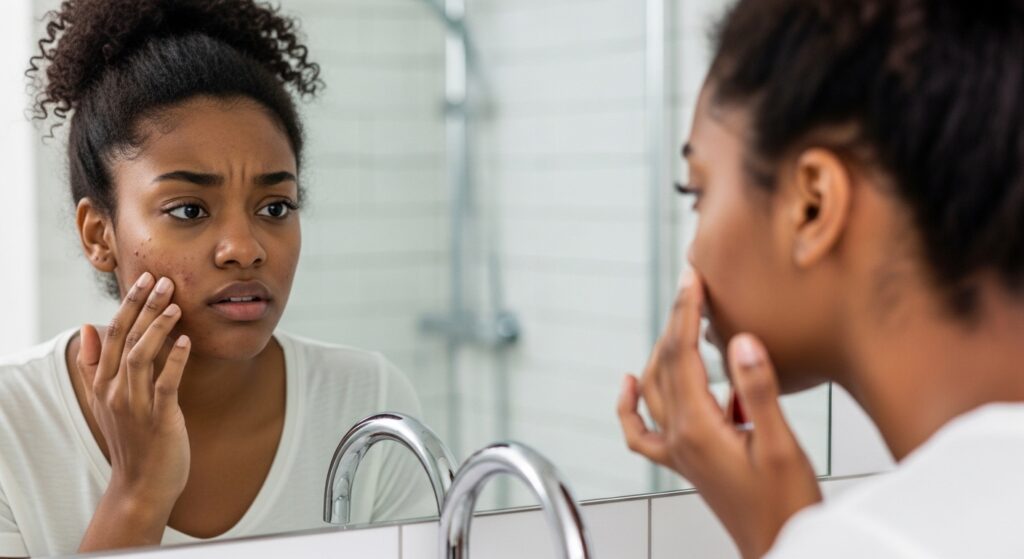
Rosacea is a chronic inflammatory skin condition that causes facial redness, flushing, visible blood vessels, and, in some cases, acne-like bumps. Although rosacea cannot currently be cured, professional dermatological treatments can effectively manage symptoms, reduce flare-ups, and improve skin appearance.
Understanding dermatologist for rosacea cost and options is essential when choosing an effective and affordable treatment plan. The overall cost depends on the severity of the condition, the dermatologist’s expertise, the recommended treatment, and the number of appointments required.
We believe that access to professional rosacea care should be straightforward and affordable. In this guide, we explore rosacea treatment costs, dermatologist consultation fees, prescription medications, laser treatments, and affordable care options to help patients make informed decisions.
How Much Does a Dermatologist for Rosacea Cost?
The cost of seeing a dermatologist for rosacea varies depending on location, healthcare provider, and treatment requirements. Some patients achieve satisfactory symptom control with prescription creams, while others require oral medications, laser procedures, or ongoing specialist care.
Average Dermatologist Consultation and Rosacea Treatment Costs
The following estimates provide a general overview of common rosacea treatment expenses in the United States.
| Rosacea Treatment | Estimated Cost |
|---|---|
| Initial dermatologist consultation | $100–$300 |
| Follow-up dermatologist appointment | $75–$200 |
| Prescription topical medication | $20–$300+ per prescription |
| Oral antibiotics | $10–$150+ per prescription |
| Laser or light therapy | $200–$700+ per session |
| IPL treatment | $250–$600+ per session |
| Professional skincare products | $15–$100+ per product |
These figures are approximate, not guaranteed prices. Actual charges depend on insurance coverage, clinic location, medication choice, procedure complexity, and provider fees.
Patients should request a detailed treatment estimate before beginning dermatological care, particularly when considering procedures requiring multiple sessions.
Factors That Affect Dermatologist Costs for Rosacea
Several factors determine the total cost of professional rosacea treatment. Understanding these expenses allows patients to select suitable treatment options without compromising medical care.
1. Severity and Type of Rosacea
Mild rosacea may respond to topical medications and a gentle skincare routine. More persistent redness, inflammatory bumps, or skin thickening may require additional medications or specialist procedures.
Patients experiencing ocular rosacea, which affects the eyes, may also need evaluation by an ophthalmologist.
2. Dermatologist Experience and Location
Consultation costs differ between cities and medical practices. Highly specialized dermatologists and clinics in major metropolitan areas may charge higher fees.
However, choosing a qualified dermatologist with experience treating rosacea can help patients receive an appropriate diagnosis and avoid unnecessary treatments.
3. Prescription Medication Requirements
Rosacea medications vary considerably in price. Generic prescriptions may cost less than branded treatments, although availability and insurance coverage influence actual expenses.
4. Number of Treatment Sessions
Laser therapy and intense pulsed light treatments may require several sessions to achieve the desired improvement. Maintenance treatment can also increase long-term expenses.
5. Health Insurance Coverage
Insurance may cover medically necessary rosacea consultations and prescription medications, depending on the policy. Cosmetic procedures targeting persistent redness or visible blood vessels are frequently excluded.
We recommend reviewing insurance benefits and requesting information about out-of-pocket costs before scheduling treatment.
Best Dermatologist Treatment Options for Rosacea
There is no single treatment suitable for every patient. Dermatologists develop personalized management plans based on rosacea symptoms, skin sensitivity, medical history, and treatment goals.
Prescription Topical Treatments for Rosacea
Topical medications are commonly recommended for mild to moderate rosacea.
Common prescription options include:
- Metronidazole: Helps reduce inflammatory bumps and lesions associated with rosacea.
- Azelaic acid: Reduces inflammatory lesions and may help improve some redness.
- Ivermectin cream: Targets inflammatory rosacea lesions and may help control associated inflammation.
- Brimonidine gel: Temporarily reduces persistent facial redness by narrowing superficial blood vessels.
- Oxymetazoline cream: Provides temporary improvement in persistent facial redness.
These treatments address different symptoms. A dermatologist can identify the most appropriate medication and explain possible irritation, rebound redness, and other side effects.
Oral Medications for Moderate to Severe Rosacea
When topical treatments provide insufficient improvement, dermatologists may recommend oral medications.
Doxycycline is commonly used to manage inflammatory rosacea. Low-dose formulations target inflammation, while other dosing approaches may be appropriate in selected circumstances.
For severe, treatment-resistant cases, a dermatologist may consider isotretinoin with appropriate monitoring and discussion of its significant risks, including pregnancy-related risks.
Oral medications are not necessary for every patient, and treatment duration varies according to individual response.
Laser Treatment for Rosacea
Laser therapy is an option for patients experiencing persistent facial redness or visible blood vessels.
Dermatologists may recommend vascular lasers, including pulsed dye lasers, to target superficial blood vessels.
Potential benefits include reduced redness, improvement in visible vessels, and longer-lasting symptom control for some patients.
However, laser treatment does not eliminate rosacea permanently. Results vary, and repeat sessions may be necessary.
Intense Pulsed Light (IPL) Therapy
IPL treatment uses broad-spectrum light to target redness and visible blood vessels. It can be effective for selected patients with erythematotelangiectatic features of rosacea.
A qualified provider should assess skin tone, sensitivity, and individual risk before recommending IPL.
Potential side effects include temporary redness, swelling, burns, and pigmentation changes. Careful treatment selection is especially important for darker skin tones.
Affordable Dermatologist for Rosacea: Treatment Options on a Budget
Professional rosacea care does not always require expensive procedures. Patients can often manage symptoms through affordable prescription medications, consistent skincare, and appropriate medical supervision.
Ways to Reduce Rosacea Treatment Costs
We recommend considering the following strategies when looking for an affordable dermatologist for rosacea:
- Choose generic medications: Ask your dermatologist whether an appropriate generic prescription is available.
- Compare consultation fees: Contact several dermatology clinics to understand initial appointment charges.
- Review insurance benefits: Check whether specialist visits and prescription medications qualify for coverage.
- Consider teledermatology: Virtual consultations may offer a convenient alternative for appropriate cases.
- Explore community health clinics: Some facilities offer reduced-cost consultations or referrals.
- Prioritize essential treatments: Discuss medically necessary medications before considering optional cosmetic procedures.
We also encourage patients to avoid purchasing expensive skincare products without understanding their ingredients and suitability for rosacea-prone skin.
How to Choose the Best Dermatologist for Rosacea
Finding an experienced dermatologist is essential for accurate diagnosis and effective symptom management.
Important Qualifications and Services to Consider
When selecting a rosacea specialist, we recommend evaluating:
- Professional qualifications: Look for a board-certified dermatologist or an appropriately accredited specialist in your country.
- Rosacea treatment experience: Choose a provider familiar with different rosacea symptoms and treatment approaches.
- Personalized treatment plans: Effective care should address individual skin concerns, triggers, and medical history.
- Transparent treatment pricing: Request clear information about consultation fees, medications, and additional procedures.
- Follow-up availability: Regular assessments can help monitor improvement and adjust treatment when necessary.
A dermatologist should also explain realistic treatment outcomes, potential medication side effects, and whether additional specialist referrals are necessary.
Is Rosacea Treatment Covered by Health Insurance?
Health insurance can significantly reduce the cost of dermatologist consultations and medically necessary rosacea treatments.
Coverage commonly depends on whether the treatment is classified as medical or cosmetic.
Dermatologist consultations, diagnostic evaluations, and prescription medications may qualify for insurance benefits. However, laser therapy and IPL treatments are frequently excluded, particularly when performed primarily to improve appearance. American Academy of Dermatology+1
Patients should contact their insurance provider to confirm coverage, referral requirements, deductibles, and prescription copayments.
For those without insurance, asking about self-pay discounts, payment plans, and lower-cost medication alternatives may help reduce expenses.
How Long Does Dermatologist Treatment for Rosacea Take?
Rosacea treatment results depend on the symptoms being treated, the selected medication, and individual skin response.
Some topical medications begin improving inflammatory lesions within several weeks, although more noticeable results may take two to three months.
Medications that temporarily reduce facial redness can work within hours, but their effects gradually wear off.
Laser and light therapies may provide improvement after one or more sessions, particularly for visible blood vessels. However, rosacea remains a long-term condition, and maintenance care may be necessary. American Academy of Dermatology+1
We recommend maintaining realistic expectations and following the treatment schedule established by a qualified dermatologist.
Daily Skincare and Lifestyle Tips to Reduce Rosacea Flare-Ups
Alongside professional treatment, proper skincare and trigger management can help minimize rosacea symptoms.
Recommended Skincare Practices for Rosacea-Prone Skin
A supportive skincare routine should focus on protecting the skin barrier and reducing irritation.
We recommend:
- Washing the face with a mild, fragrance-free cleanser.
- Applying a gentle moisturizer suitable for sensitive skin.
- Using broad-spectrum sunscreen with SPF 30 or higher.
- Avoiding harsh exfoliants and irritating skincare ingredients.
- Identifying personal triggers, including heat, spicy foods, alcohol, and stress.
- Following prescribed medication instructions consistently.
These practices complement dermatological treatment and may help prevent unnecessary flare-ups.
When Should You See a Dermatologist for Rosacea?
Patients should consider professional evaluation when facial redness persists, inflammatory bumps repeatedly appear, or over-the-counter skincare products fail to improve symptoms.
Early assessment is particularly important when rosacea causes significant discomfort, visible blood vessels, or thickening of facial skin.
Eye symptoms such as dryness, irritation, and redness can also indicate ocular rosacea. Eye pain, sensitivity to light, or vision changes require prompt medical assessment because untreated eye inflammation may threaten vision.
A qualified dermatologist can distinguish rosacea from conditions with similar symptoms and recommend appropriate treatment.
Choosing the Right Rosacea Treatment for Long-Term Results
The most effective rosacea management plan combines appropriate medical treatment with ongoing skincare and symptom monitoring. While prescription creams and oral medications may control inflammatory symptoms, laser and light treatments can offer additional benefits for persistent redness and visible blood vessels.
We encourage patients to compare dermatologist consultation costs, explore insurance benefits, and discuss affordable treatment alternatives before beginning care.
By choosing a qualified specialist and following a personalized treatment plan, patients can manage rosacea more confidently while balancing treatment effectiveness, safety, and affordability.
FAQs about Dermatologist for Rosacea Cost and Options
What Is the Cheapest Treatment for Rosacea?
Generic topical medications and gentle skincare products are often among the more affordable options. The most suitable treatment depends on the patient’s symptoms and professional diagnosis.
Is Laser Treatment Worth the Cost for Rosacea?
Laser treatment may be worthwhile for persistent redness and visible blood vessels that do not respond adequately to other treatments. However, costs, expected improvements, and potential side effects should be discussed with a qualified dermatologist.
Can Rosacea Be Treated Without a Dermatologist?
Mild symptoms may improve with gentle skincare and trigger avoidance. However, professional diagnosis is recommended for persistent or worsening symptoms, especially because other skin conditions can resemble rosacea.
How Many Dermatologist Visits Are Needed for Rosacea?
The number of visits depends on symptom severity and treatment response. Patients commonly require an initial consultation, follow-up assessments, and occasional maintenance appointments.
Can Rosacea Be Permanently Cured?
There is currently no permanent cure for rosacea. Nevertheless, appropriate medication, skincare, and professional treatment can provide effective long-term symptom control.
Conclusion
Understanding dermatologist for rosacea cost and options helps patients make informed decisions about their skin health and treatment expenses.
From affordable topical medications to advanced laser procedures, several treatment approaches are available for different rosacea symptoms and budgets.
We recommend prioritizing professional diagnosis, evidence-based treatments, and consistent skincare rather than relying on expensive products or procedures without medical guidance.
With the right dermatologist and a suitable long-term treatment plan, patients can reduce rosacea symptoms, improve skin comfort, and maintain healthier-looking skin.