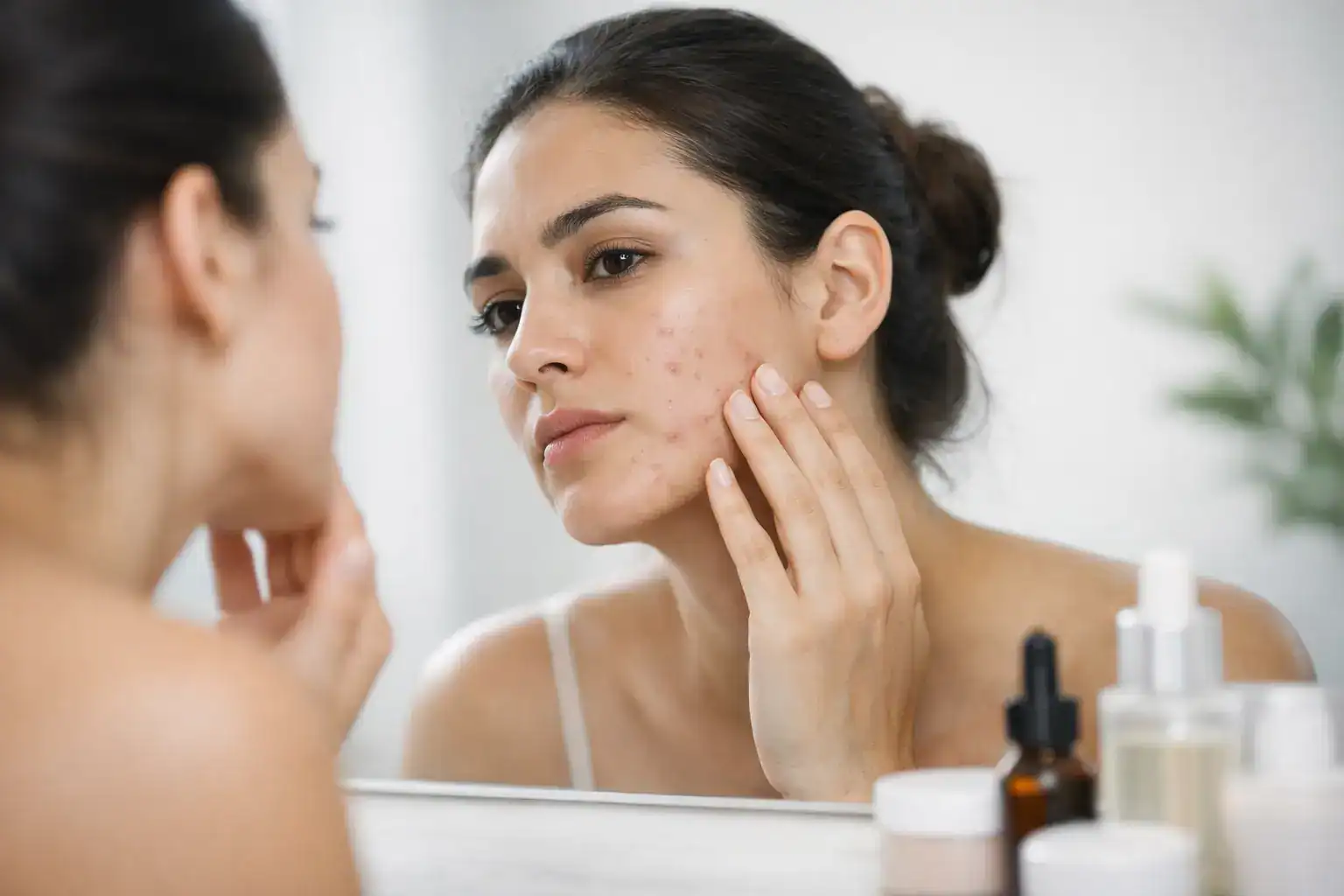
Finding the best dermatologist for acne is essential for achieving clearer, healthier skin and preventing long-term skin damage. Acne is one of the most common skin conditions, affecting teenagers and adults with different skin types. While mild breakouts may respond to over-the-counter skincare products, persistent or severe acne often requires professional evaluation and targeted treatment.
We understand that acne can affect more than physical appearance. Persistent pimples, painful cysts, blackheads, and acne scars can also influence confidence and emotional well-being. Choosing an experienced acne dermatologist allows patients to receive personalized treatment based on their skin condition, medical history, and individual needs.
A qualified dermatologist can identify the underlying factors contributing to breakouts, recommend evidence-based treatments, and develop a long-term plan for maintaining healthy skin.
Why You Need the Best Dermatologist for Acne
Acne develops when hair follicles become clogged with excess oil and dead skin cells. Bacteria and inflammation can contribute to the formation of pimples, pustules, nodules, and cysts. Hormonal changes, genetics, certain medications, and skincare products may also influence acne development.
The best dermatologist for acne treatment evaluates these contributing factors before recommending a suitable treatment plan.
Professional dermatological care offers several important advantages, including accurate diagnosis, effective treatment options, scar prevention, and ongoing skin health management.
We emphasize that early treatment can be particularly beneficial for individuals experiencing painful, inflammatory, or recurring breakouts. Addressing acne promptly may reduce the risk of permanent scarring and persistent dark spots.
Common Types of Acne Treated by Dermatologists
Understanding different types of acne helps patients recognize when professional dermatological care may be necessary.
1. Hormonal Acne
Hormonal acne commonly appears around the jawline, chin, and lower face, although it can develop elsewhere. It may worsen during menstrual cycles or other periods of hormonal fluctuation.
A dermatologist for hormonal acne may recommend topical medications, hormonal treatments when appropriate, or other prescription therapies.
2. Cystic Acne
Cystic acne involves deep, painful, inflamed lesions that can increase the risk of permanent scarring.
We recommend professional evaluation for this condition because standard skincare products may not adequately control severe inflammation.
3. Comedonal Acne
Comedonal acne includes blackheads and whiteheads caused by clogged pores. Dermatologists frequently recommend topical retinoids and other treatments designed to prevent pore blockages.
4. Inflammatory Acne
Inflammatory acne includes red, swollen pimples and pus-filled lesions. Treatment may involve benzoyl peroxide, topical retinoids, or prescription medications depending on severity.
5. Adult Acne
Adult acne can develop or persist beyond adolescence. Hormonal influences, genetics, stress, and certain cosmetic products may contribute to breakouts.
An experienced adult acne dermatologist can recommend treatments suitable for mature skin while addressing concerns such as sensitivity, pigmentation, and skin aging.
How to Choose the Best Dermatologist for Acne
Selecting the right skin specialist requires evaluating professional qualifications, clinical experience, and treatment approaches.
Important Qualities to Look for in an Acne Dermatologist
We recommend considering the following factors when choosing a dermatologist:
- Professional qualifications: Choose a licensed medical professional with recognized specialist training in dermatology.
- Acne treatment experience: Look for experience managing hormonal acne, cystic acne, inflammatory acne, and acne scarring.
- Personalized treatment plans: A qualified dermatologist should consider skin type, acne severity, medical history, and treatment preferences.
- Evidence-based treatment: Effective acne management should prioritize clinically supported medications and procedures.
- Patient communication: Choose a specialist who explains treatment options, possible side effects, and expected results clearly.
- Follow-up appointments: Regular assessments allow dermatologists to monitor progress and adjust medications when necessary.
- Transparent treatment costs: A reputable clinic should explain consultation fees, medication expenses, and procedure costs.
We also encourage patients to verify professional credentials and review credible patient feedback before scheduling an appointment.
Best Dermatologist-Recommended Acne Treatments
The most effective acne treatment depends on the type, severity, and persistence of breakouts. Dermatologists may recommend topical medications, oral prescriptions, professional procedures, or a combination of approaches.
Topical Acne Medications
Topical treatments are commonly prescribed for mild to moderate acne.
Benzoyl peroxide helps reduce acne-associated bacteria and inflammation, while salicylic acid helps unclog pores.
Topical retinoids, including adapalene and tretinoin, help regulate skin cell turnover and prevent new comedones from forming.
Azelaic acid may also improve acne and help reduce certain forms of post-inflammatory hyperpigmentation.
Prescription Oral Medications
Moderate to severe inflammatory acne sometimes requires oral treatment.
Dermatologists may prescribe oral antibiotics for a limited period, generally alongside benzoyl peroxide and other topical therapies to reduce antibiotic resistance.
For eligible patients, hormonal treatments such as certain combined oral contraceptives or spironolactone may be considered.
Isotretinoin is an important treatment option for severe, scarring, or treatment-resistant acne. It requires medical supervision because of potential adverse effects and significant pregnancy-related risks.
Professional Acne Procedures
Some dermatologists offer procedures to complement medical treatment.
These may include chemical peels, selected light-based treatments, comedone extraction, or corticosteroid injections for particularly painful inflammatory nodules.
We emphasize that professional procedures should be selected according to individual skin needs rather than considered universal solutions.
Best Dermatologist for Acne Scars and Dark Spots
Acne can leave visible marks even after active breakouts improve. These may include depressed scars, raised scars, and post-inflammatory hyperpigmentation.
The best dermatologist for acne scars first determines whether the concern involves permanent textural scarring or temporary skin discoloration.
Common treatments include:
- Microneedling: May improve selected depressed acne scars by stimulating collagen remodeling.
- Laser resurfacing: Can improve certain acne scars and uneven skin texture.
- Chemical peels: May help address superficial pigmentation and selected textural concerns.
- Subcision: Can improve certain rolling scars caused by fibrous attachments beneath the skin.
- Prescription pigmentation treatments: May help reduce dark marks remaining after inflammation.
We recommend controlling active acne before beginning many scar-focused procedures. This approach helps reduce the development of additional scars while supporting more consistent treatment outcomes.
Affordable Dermatologist for Acne Near Me
Finding an affordable dermatologist for acne near me involves comparing treatment quality, professional experience, and overall medical expenses.
Consultation fees vary depending on the clinic, location, dermatologist’s qualifications, and services provided.
Patients should consider the full treatment cost rather than focusing exclusively on the initial consultation fee.
Ways to Find Affordable Acne Treatment
We recommend several practical approaches to managing dermatology expenses:
- Compare consultation fees at reputable dermatology clinics.
- Ask whether health insurance covers medically necessary acne treatment.
- Consider generic prescription medications when clinically appropriate.
- Request an estimated cost for follow-up appointments and procedures.
- Prioritize proven treatments over expensive products with limited supporting evidence.
- Explore qualified dermatology services at recognized hospitals or teaching institutions.
An affordable treatment plan should still provide professional assessment, appropriate medication, and proper monitoring.
What to Expect During an Acne Dermatologist Consultation
A consultation with an experienced dermatologist generally begins with a detailed assessment of the skin.
The dermatologist examines acne lesions, evaluates their severity, and checks for signs of scarring or pigmentation changes.
Patients may also be asked about previous skincare products, prescription medications, allergies, family history, and hormonal symptoms.
Additional investigations are not necessary for every patient. However, blood tests or hormonal assessments may be considered when medical history and symptoms suggest an underlying condition.
After evaluation, the dermatologist develops a treatment plan and explains how prescribed medications should be used.
We encourage patients to discuss their treatment goals, skincare routines, medication concerns, and expectations during the consultation.
Daily Skincare Tips Recommended by Acne Dermatologists
Professional acne treatment is most effective when supported by a consistent skincare routine.
Essential Skincare Habits for Acne-Prone Skin
- Use a gentle cleanser: Wash the face gently, typically twice daily and after significant sweating.
- Apply a non-comedogenic moisturizer: Maintain hydration without unnecessarily clogging pores.
- Wear broad-spectrum sunscreen: Choose SPF 30 or higher to protect the skin and help prevent dark spots from becoming more noticeable.
- Avoid picking pimples: Squeezing acne lesions can worsen inflammation and increase scarring risks.
- Introduce active ingredients gradually: Follow professional instructions to minimize irritation.
- Avoid harsh exfoliation: Excessive scrubbing can damage the skin barrier and aggravate breakouts.
- Maintain treatment consistency: Many acne medications require several weeks before noticeable improvement occurs.
We recommend choosing fragrance-free, gentle products when acne-prone skin is also sensitive.
When Should You See a Dermatologist for Acne?
Although occasional mild breakouts may respond to appropriate over-the-counter treatments, some situations require professional care.
We recommend consulting an acne specialist when breakouts become painful, persistent, widespread, or emotionally distressing.
Early dermatological evaluation is particularly important when acne begins causing scars, develops into deep cysts, or fails to improve with consistent nonprescription treatment.
Individuals experiencing sudden severe acne or acne accompanied by unusual hormonal symptoms may also benefit from further medical assessment.
How Long Does Dermatologist Acne Treatment Take to Work?
The time required to achieve visible improvement depends on acne severity, prescribed medications, and individual treatment response.
Some patients notice improvements within several weeks, while others require longer treatment periods.
Many topical acne treatments need approximately six to eight weeks before meaningful improvement becomes apparent, and fuller results may take several months.
We recommend attending scheduled follow-up appointments rather than discontinuing treatment prematurely.
Because acne may recur, some individuals also benefit from maintenance therapy after their breakouts become controlled.
Benefits of Choosing a Qualified Acne Skin Specialist
Working with a qualified dermatologist offers advantages beyond temporary breakout management.
A specialist can distinguish acne from conditions such as rosacea, folliculitis, and perioral dermatitis, which may require different treatments.
Professional care also helps patients avoid potentially irritating skincare combinations, unnecessary medications, and inappropriate cosmetic procedures.
We believe that effective acne management should focus on three primary goals: controlling existing breakouts, preventing new lesions, and reducing the risk of permanent skin damage.
A comprehensive approach supports lasting skin health while addressing each patient’s unique concerns.
FAQs about Best Dermatologist for Acne
1. Who Is the Best Dermatologist for Acne?
The best dermatologist for acne is a qualified, experienced skin specialist who diagnoses and treats different types of acne. We recommend choosing a dermatologist with expertise in persistent acne, hormonal acne, cystic acne, and acne scarring.
2. When Should I See a Dermatologist for Acne?
We recommend visiting a dermatologist when acne becomes severe, painful, persistent, or causes scarring. Early professional treatment can help reduce breakouts and prevent long-term skin damage.
3. What Treatments Do Dermatologists Recommend for Acne?
Dermatologists recommend treatments based on acne severity and skin type. Common options include topical retinoids, benzoyl peroxide, prescription medications, hormonal treatments, and isotretinoin for selected severe cases.
4. Can a Dermatologist Permanently Cure Acne?
Acne cannot always be permanently cured, but professional treatment can significantly control breakouts. We recommend following a personalized skincare routine and treatment plan to maintain clearer skin.
5. How Much Does an Acne Dermatologist Cost?
The cost of visiting an acne dermatologist depends on location, consultation fees, treatment complexity, and prescribed medications. We recommend comparing reputable clinics and checking insurance coverage before booking.
6. How Long Does Dermatologist Acne Treatment Take?
Most acne treatments require approximately 6–12 weeks before noticeable improvements appear. However, treatment duration varies depending on acne severity, medication, and individual skin response.
7. How Do I Choose the Best Dermatologist for Acne Near Me?
We recommend checking professional qualifications, acne treatment experience, patient reviews, clinic reputation, and consultation availability. A reliable dermatologist should provide a personalized acne treatment plan tailored to your skin concerns.
Conclusion
Choosing the best dermatologist for acne is an important step toward achieving healthier, clearer skin. An experienced specialist provides accurate diagnosis, personalized treatment, and professional guidance for managing acne effectively.
We recommend prioritizing dermatologists with recognized qualifications, experience treating different acne types, and a commitment to evidence-based skincare.
Whether dealing with hormonal acne, cystic acne, adult acne, or acne scars, professional dermatological care can improve treatment outcomes and reduce the likelihood of long-term skin complications.
With the right dermatologist, consistent treatment, and a suitable daily skincare routine, patients can manage acne more effectively and maintain healthier skin over time.

