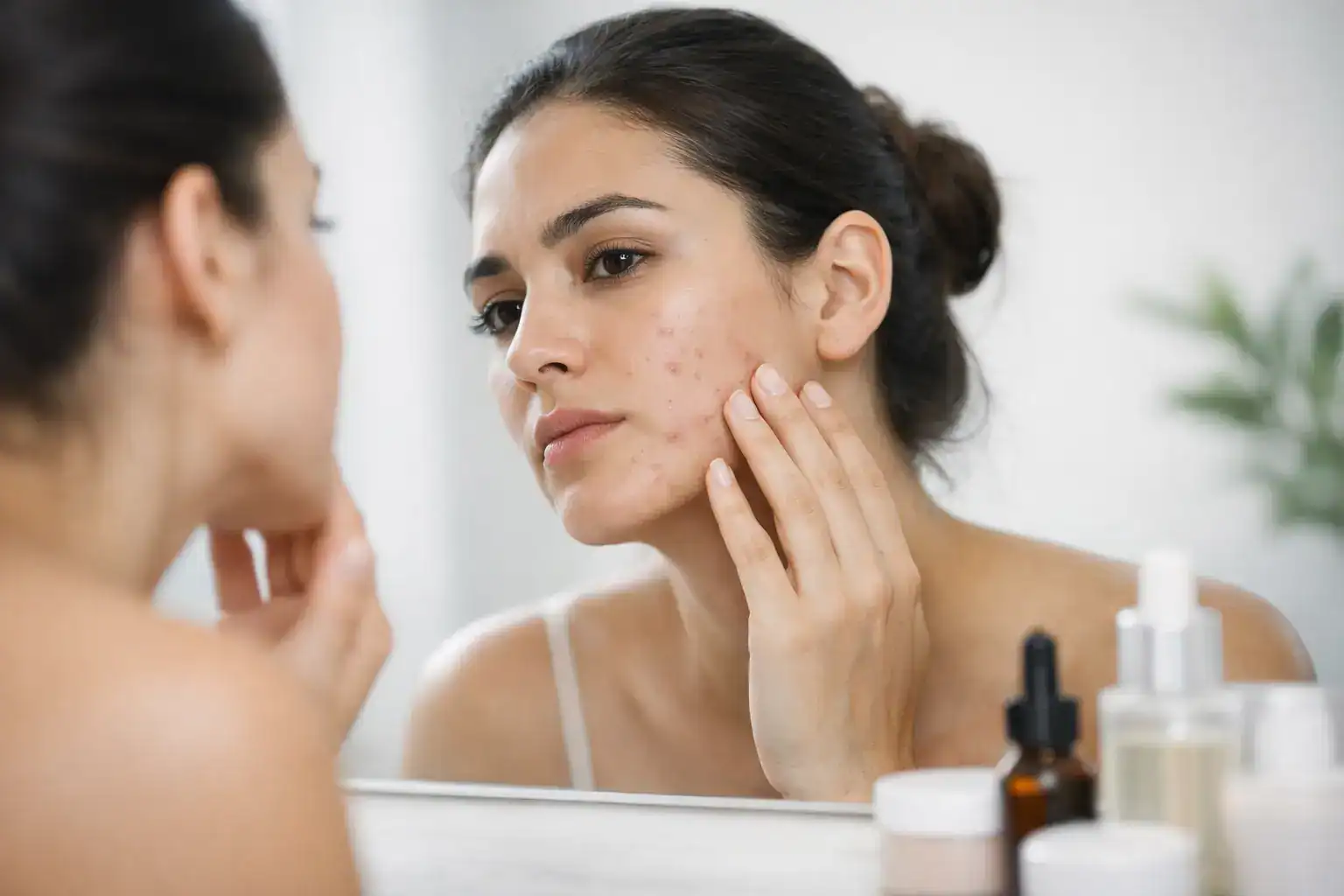
Choosing a dermatologist recommended cosmetic dermatologist is essential for achieving healthier, smoother, and more youthful-looking skin. Cosmetic dermatology combines medical expertise with advanced aesthetic treatments to address concerns such as acne scars, wrinkles, pigmentation, uneven skin texture, and visible signs of aging.
We believe that successful cosmetic skin treatments begin with professional assessment, personalized treatment planning, and evidence-based procedures. A qualified cosmetic dermatologist evaluates individual skin conditions, recommends suitable treatments, and prioritizes patient safety while working toward natural-looking results.
Whether we are exploring laser skin resurfacing, chemical peels, Botox, dermal fillers, or anti-aging skincare treatments, understanding the qualifications and services of a cosmetic dermatologist helps us make informed decisions.
What Is a Dermatologist Recommended Cosmetic Dermatologist?
A dermatologist recommended cosmetic dermatologist is a medical professional with dermatology training who provides aesthetic treatments designed to improve skin appearance, texture, and overall condition.
Cosmetic dermatologists specialize in procedures that address aesthetic concerns while considering the underlying health of the skin.
Unlike general beauty treatments, medical cosmetic dermatology involves evaluating skin conditions, identifying potential risks, and selecting appropriate procedures based on clinical knowledge.
We recommend choosing a dermatologist who has recognized medical qualifications, relevant cosmetic procedure training, and experience treating different skin types.
A qualified cosmetic dermatologist can provide treatment options for:
- Fine lines and wrinkles: Treatments that reduce the appearance of aging.
- Acne scars: Procedures designed to improve uneven skin texture.
- Hyperpigmentation: Treatments that address dark spots and discoloration.
- Sun damage: Procedures that improve visible signs of prolonged ultraviolet exposure.
- Skin laxity: Treatments intended to improve skin firmness.
- Uneven skin tone: Personalized skincare and resurfacing procedures.
- Facial volume loss: Injectable treatments that restore or enhance facial contours.
Each treatment should be selected according to skin condition, medical history, treatment goals, and potential side effects.
Best Dermatologist Recommended Cosmetic Dermatology Treatments
Modern cosmetic dermatology provides several effective options for improving skin appearance. We emphasize choosing treatments with established safety profiles and evidence supporting their intended benefits.
1. Botox and Anti-Wrinkle Injections
Botulinum toxin injections are commonly used to reduce the appearance of dynamic facial wrinkles caused by repeated muscle movements.
These treatments may improve forehead lines, crow’s feet, and frown lines.
Results are temporary, and repeat treatment may be necessary to maintain the desired appearance.
2. Dermal Fillers for Facial Rejuvenation
Dermal fillers are injectable treatments used to restore facial volume, soften certain wrinkles, and enhance facial contours.
Hyaluronic acid fillers are frequently selected because they can provide temporary volume enhancement.
However, fillers carry important risks, including vascular occlusion and tissue injury. We recommend choosing an appropriately trained medical professional who understands facial anatomy and emergency complication management.
3. Chemical Peels for Skin Renewal
Chemical peels use carefully selected solutions to exfoliate the skin and encourage renewal.
Depending on their formulation and depth, they may help improve acne, uneven pigmentation, fine lines, and rough texture.
We recommend professional consultation before undergoing medium or deep chemical peels, particularly for individuals with sensitive skin or a higher risk of post-inflammatory hyperpigmentation.
4. Laser Skin Resurfacing
Laser treatments can improve certain acne scars, wrinkles, pigmentation concerns, and uneven skin texture.
Different laser technologies target different skin conditions.
Treatment selection should consider skin tone, sensitivity, recovery time, and the possibility of burns, scarring, or pigmentation changes.
5. Microneedling for Acne Scars and Skin Texture
Microneedling involves creating controlled micro-injuries in the skin to stimulate natural repair processes.
It may improve the appearance of certain acne scars and fine lines through collagen remodeling.
Professional microneedling should be performed with appropriate infection-control measures and careful patient selection.
Benefits of Choosing a Dermatologist Recommended Cosmetic Dermatologist
Selecting an experienced cosmetic dermatologist provides benefits beyond aesthetic improvement. Medical expertise plays an important role in determining treatment suitability and managing complications.
Key Advantages of Professional Cosmetic Dermatology
- Personalized skincare solutions: Treatment plans tailored to individual skin concerns.
- Professional skin assessment: Identification of underlying dermatological conditions before cosmetic procedures.
- Evidence-based treatments: Selection of procedures supported by relevant clinical research.
- Improved treatment safety: Appropriate screening, sterile techniques, and complication management.
- Natural-looking improvements: Conservative treatment approaches designed around facial anatomy and individual preferences.
- Long-term skin maintenance: Guidance on sun protection, skincare routines, and follow-up treatments.
We believe that the best cosmetic dermatology results are achieved through realistic expectations, suitable procedures, and consistent skin care rather than unnecessary treatments.
How to Choose the Best Cosmetic Dermatologist
Finding the best dermatologist recommended cosmetic dermatologist requires careful consideration of qualifications, treatment experience, patient safety, and consultation quality.
We recommend evaluating the following factors before scheduling a cosmetic procedure.
Important Factors to Consider Before Treatment
1. Verify professional qualifications
Choose a licensed medical practitioner with recognized dermatology training and relevant expertise in cosmetic procedures. Where available, verify board certification or equivalent specialist credentials through the appropriate regulatory body.
2. Review treatment experience
A dermatologist should have practical experience performing the specific procedure being considered, particularly treatments involving lasers, injectable fillers, or deeper skin resurfacing.
3. Evaluate the consultation process
A professional consultation should include a review of medical history, skin concerns, potential contraindications, expected outcomes, and possible complications.
4. Check patient reviews and treatment results
Independent patient feedback can provide useful insight into communication, professionalism, and overall experiences. Before-and-after photographs may also help assess results, although individual outcomes vary.
5. Confirm safety standards
A reputable cosmetic dermatology clinic should maintain appropriate hygiene standards, use properly regulated products and devices, and explain how complications are managed.
6. Compare treatment costs
Cosmetic dermatology prices vary according to procedure complexity, practitioner experience, geographical location, and the number of sessions required.
We recommend requesting a detailed treatment quotation that includes consultations, follow-up appointments, and any additional charges.
Dermatologist Recommended Cosmetic Dermatologist for Different Skin Types
Skin type plays an important role in cosmetic treatment selection.
A procedure that is appropriate for one patient may not be suitable for another, particularly when pigmentation concerns, skin sensitivity, or previous scarring are involved.
Cosmetic Treatments for Sensitive Skin
Individuals with sensitive skin may benefit from gentle skincare regimens, carefully selected topical products, and conservative professional procedures.
We recommend avoiding aggressive exfoliation and unnecessary combinations of active ingredients that may increase irritation.
Cosmetic Dermatology for Oily and Acne-Prone Skin
For oily or acne-prone skin, dermatologists may recommend appropriate acne medications, targeted chemical peels, and selected procedures for residual scarring.
Active acne should be evaluated and managed before certain cosmetic treatments.
Cosmetic Dermatology for Mature Skin
Mature skin often experiences changes in collagen, elasticity, hydration, and facial volume.
Common treatment options include topical retinoids, moisturizers, wrinkle-relaxing injections, laser procedures, and selected dermal fillers.
We prioritize procedures that address specific concerns while maintaining realistic expectations.
Cosmetic Treatments for Darker Skin Tones
Darker skin tones can be more susceptible to post-inflammatory hyperpigmentation following certain procedures.
We recommend selecting a cosmetic dermatologist experienced in treating skin of color and adjusting treatment methods to reduce avoidable complications.
Dermatologist Recommended Cosmetic Dermatologist Cost and Treatment Options
The cost of cosmetic dermatology treatments depends on several factors, including treatment type, clinic location, practitioner expertise, and the number of sessions required.
Injectable treatments may be priced by treatment area, product quantity, or number of units. Laser resurfacing and microneedling costs may depend on the size of the treatment area and the technology used.
More complex procedures can require additional appointments, recovery support, or maintenance treatments.
How to Find Affordable Cosmetic Dermatology Treatments
We recommend comparing treatment plans rather than selecting a clinic solely based on the lowest advertised price.
A transparent consultation should clarify the complete procedure cost, expected number of sessions, likely results, recovery requirements, and follow-up arrangements.
Medical insurance generally does not cover procedures performed solely for cosmetic purposes, although coverage depends on the individual policy and medical indication.
Essential Skincare Tips Recommended by Cosmetic Dermatologists
Professional cosmetic procedures often work best alongside a consistent, evidence-based skincare routine.
Daily Skincare Practices for Healthier-Looking Skin
- Use a gentle cleanser: Remove excess oil, dirt, and impurities without unnecessarily stripping the skin.
- Apply a suitable moisturizer: Support the skin barrier and maintain hydration.
- Wear broad-spectrum sunscreen: Choose SPF 30 or higher and reapply as needed, particularly during outdoor exposure.
- Consider topical retinoids: When appropriate, these may improve fine lines, acne, and uneven texture. Retinoids should generally be avoided during pregnancy.
- Avoid excessive exfoliation: Overuse of exfoliating ingredients can cause irritation and compromise the skin barrier.
- Seek professional guidance: Consult a dermatologist before combining multiple strong treatments or starting procedures for persistent skin concerns.
We emphasize that consistency and appropriate product selection are more important than using an excessive number of skincare products.
When Should We Visit a Cosmetic Dermatologist?
A cosmetic dermatologist may be helpful when over-the-counter skincare products are not adequately addressing specific aesthetic concerns.
Professional consultation is particularly valuable for persistent acne scarring, stubborn pigmentation, visible signs of photoaging, or interest in advanced treatments.
We also recommend medical evaluation when skin changes are unexplained, worsening, painful, or associated with unusual lesions. Such concerns should be assessed medically before considering cosmetic procedures.
During consultation, we should discuss treatment goals, existing medical conditions, medications, previous cosmetic procedures, and any history of abnormal healing or pigmentation.
FAQs about Dermatologist Recommended Cosmetic Dermatologist
1. What Is a Dermatologist Recommended Cosmetic Dermatologist?
A dermatologist recommended cosmetic dermatologist is a qualified skin specialist recognized or referred by other dermatologists for expertise in aesthetic treatments, skin rejuvenation, and cosmetic procedures.
2. What Treatments Does a Cosmetic Dermatologist Offer?
A cosmetic dermatologist provides treatments such as Botox, dermal fillers, chemical peels, laser resurfacing, acne scar treatment, and anti-aging skincare solutions.
3. How Do I Find the Best Dermatologist Recommended Cosmetic Dermatologist?
We recommend choosing a board-certified dermatologist with relevant cosmetic treatment experience, positive patient reviews, appropriate credentials, and a strong commitment to patient safety.
4. Is Cosmetic Dermatology Safe for All Skin Types?
Most cosmetic procedures can be adapted to different skin types. However, we recommend consulting an experienced dermatologist to determine suitable treatments, particularly for sensitive or darker skin tones.
5. How Much Does a Cosmetic Dermatologist Cost?
The cost of cosmetic dermatology treatments varies depending on the procedure, specialist’s experience, clinic location, and number of sessions required.
6. Can a Cosmetic Dermatologist Help With Acne Scars and Wrinkles?
Yes. Cosmetic dermatologists offer treatments that can improve the appearance of acne scars, fine lines, wrinkles, pigmentation, and uneven skin texture.
7. How Often Should I Visit a Cosmetic Dermatologist?
Appointment frequency depends on your skin concerns, treatment plan, and desired results. Some procedures require multiple sessions, while others need periodic maintenance.
8. Are Cosmetic Dermatology Results Permanent?
Results vary by procedure. Botox and dermal fillers typically require maintenance, while certain laser treatments may provide longer-lasting improvements.
Conclusion
Finding a dermatologist recommended cosmetic dermatologist involves more than selecting a popular aesthetic clinic. Professional qualifications, proven procedural experience, individualized treatment planning, and patient safety should guide every decision.
We recommend prioritizing evidence-based cosmetic dermatology treatments that address specific skin concerns while protecting long-term skin health.
From Botox and dermal fillers to chemical peels, microneedling, and laser skin resurfacing, the right treatment depends on an accurate assessment and realistic expectations.
By choosing a qualified cosmetic dermatologist and maintaining a suitable daily skincare routine, we can pursue healthier-looking skin, improved texture, and natural-looking aesthetic results with greater confidence.

