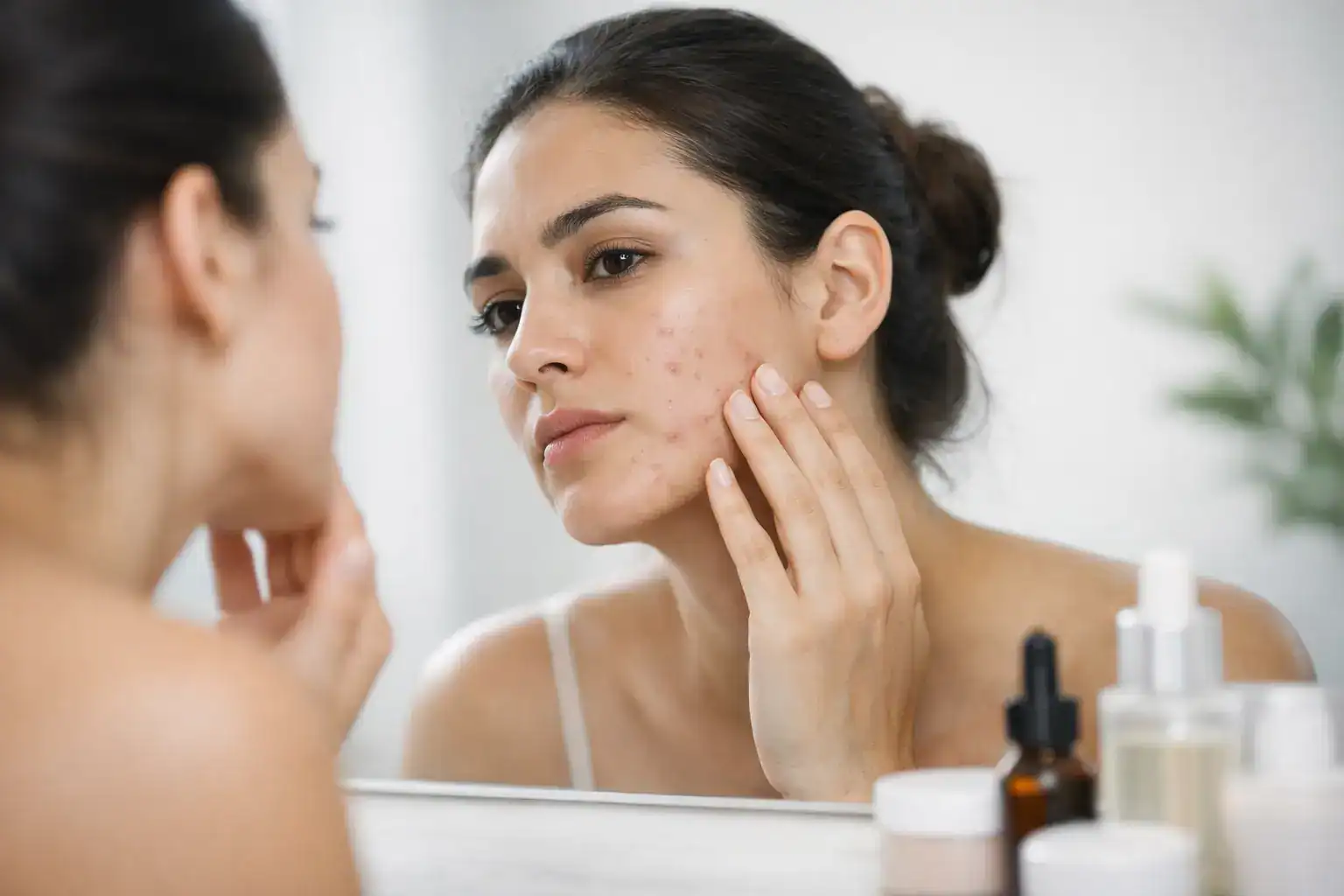
Finding the best anti aging skincare for oily skin requires choosing products that reduce fine lines, improve skin texture, and maintain hydration without causing excessive shine or clogged pores. Although oily skin naturally produces more sebum, it still experiences wrinkles, uneven skin tone, enlarged pores, and other visible signs of aging.
We believe an effective anti-aging skincare routine should balance oil control, hydration, collagen support, and sun protection. By selecting lightweight, non-comedogenic products with scientifically supported ingredients, we can help maintain smoother, firmer, and healthier-looking skin without compromising its natural moisture barrier.
In this comprehensive guide, we explore the best anti-aging skincare products, essential ingredients, daily routines, and professional recommendations for achieving youthful-looking oily skin.
Why Oily Skin Needs Specialized Anti-Aging Skincare
Oily skin produces excess sebum, which can contribute to clogged pores, acne breakouts, and unwanted facial shine. However, this natural oil production may also help reduce the appearance of certain fine lines by supporting skin lubrication.
Despite this advantage, oily skin remains vulnerable to sun damage, collagen loss, uneven pigmentation, and premature aging.
Using heavy anti-aging creams or unsuitable moisturizers can worsen congestion and leave the skin feeling greasy. Therefore, we recommend lightweight formulations that deliver effective anti-aging benefits while maintaining balanced hydration.
The ideal skincare routine should address multiple concerns simultaneously, including:
- Fine lines and wrinkles: Improving the appearance of aging skin.
- Excess oil production: Managing shine without stripping essential moisture.
- Enlarged pores: Reducing their visible appearance through appropriate skincare.
- Uneven skin tone: Supporting a brighter, more consistent complexion.
- Loss of firmness: Encouraging healthier-looking, more resilient skin.
Best Anti-Aging Skincare Ingredients for Oily Skin
Choosing the right active ingredients is essential when developing an effective skincare routine. We recommend products containing ingredients that address aging concerns without unnecessarily increasing oiliness.
1. Retinol for Fine Lines and Wrinkles
Retinol is one of the most widely researched ingredients used in anti-aging skincare for oily skin. As a vitamin A derivative, it supports skin cell turnover and helps improve the appearance of fine lines, wrinkles, and uneven texture.
Retinol may also benefit acne-prone skin by helping prevent clogged pores.
We recommend introducing retinol gradually, beginning with a low-strength formulation two nights per week before increasing frequency as tolerated. Applying moisturizer afterward can reduce dryness and irritation.
2. Niacinamide for Oil Control and Skin Texture
Niacinamide, also known as vitamin B3, is particularly beneficial for oily and combination skin.
This versatile ingredient helps strengthen the skin barrier, improve uneven skin tone, and reduce the appearance of enlarged pores.
Some formulations may also help regulate visible oiliness, making niacinamide an excellent addition to a daily anti-aging routine.
3. Hyaluronic Acid for Lightweight Hydration
Hydration remains essential even when the skin produces excess oil.
Hyaluronic acid attracts and retains moisture, helping the skin appear smoother and more hydrated without relying on heavy oils.
We recommend lightweight hyaluronic acid serums and gel moisturizers because they provide hydration while maintaining a comfortable, non-greasy finish.
4. Vitamin C for Brighter, Youthful-Looking Skin
Vitamin C is a powerful antioxidant that helps protect against environmental oxidative stress and supports collagen production.
Regular use can improve the appearance of dullness, uneven pigmentation, and certain visible signs of photoaging.
For oily skin, we recommend lightweight vitamin C serums that absorb easily without leaving a sticky residue.
5. Salicylic Acid for Enlarged Pores and Congestion
Salicylic acid is a beta-hydroxy acid that penetrates oily pores and helps remove accumulated dead skin cells.
It is particularly useful for individuals experiencing blackheads, acne, and uneven skin texture.
However, excessive exfoliation can cause irritation. We recommend introducing salicylic acid gradually and avoiding frequent use alongside other strong exfoliating treatments.
Best Anti-Aging Skincare Products for Oily Skin
An effective skincare routine does not require numerous expensive products. Instead, we prioritize carefully selected formulations that address specific skin concerns.
Essential Anti-Aging Skincare Products to Consider
- Gentle foaming cleanser: Removes excess sebum, sunscreen, and impurities without stripping the skin.
- Niacinamide serum: Supports the skin barrier while improving the appearance of pores and uneven texture.
- Vitamin C serum: Provides antioxidant protection and helps brighten dull-looking skin.
- Retinol treatment: Targets fine lines, wrinkles, and visible signs of aging.
- Oil-free moisturizer: Maintains hydration without adding unnecessary heaviness.
- Broad-spectrum SPF 30–50 sunscreen: Protects against UV-related premature aging and pigmentation.
We recommend prioritizing products labeled non-comedogenic, lightweight, oil-free, or suitable for oily skin, while recognizing that individual skin reactions can vary.
Best Morning Anti-Aging Skincare Routine for Oily Skin
A consistent morning skincare routine protects the skin against environmental stress while maintaining balanced hydration throughout the day.
Step 1: Cleanse Without Over-Drying
Begin with a gentle facial cleanser that removes overnight oil accumulation.
Avoid harsh cleansers that leave the skin feeling excessively tight, as they may weaken the protective skin barrier.
Step 2: Apply an Antioxidant Serum
A lightweight vitamin C serum can help improve skin brightness and provide antioxidant support.
Alternatively, niacinamide offers a suitable option for individuals concerned about visible pores and excess shine.
Step 3: Use a Lightweight Moisturizer
Choose a water-based moisturizer containing hyaluronic acid, glycerin, or ceramides.
These ingredients help maintain hydration without creating a heavy or greasy finish.
Step 4: Finish With Broad-Spectrum Sunscreen
Daily sunscreen is one of the most important components of any anti-aging skincare routine for oily skin.
We recommend broad-spectrum SPF 30 or higher, preferably with a lightweight gel, fluid, or matte finish.
Apply generously and reapply approximately every two hours during prolonged outdoor exposure, particularly after sweating or swimming.
Best Nighttime Anti-Aging Skincare Routine for Oily Skin
Nighttime skincare focuses on removing accumulated impurities, supporting the skin barrier, and introducing targeted treatments.
We recommend the following approach:
- Cleanse thoroughly: Remove sunscreen, makeup, excess sebum, and daily impurities.
- Apply retinol: Use a small amount on dry skin according to the product instructions.
- Moisturize: Follow with a lightweight, fragrance-free moisturizer to minimize dryness.
- Avoid excessive exfoliation: Introduce salicylic acid on separate evenings if combining treatments causes irritation.
- Maintain consistency: Allow several weeks or months to evaluate improvements in skin texture and fine lines.
Retinoids should be avoided during pregnancy. Individuals who are pregnant, planning pregnancy, or experiencing persistent irritation should seek professional guidance before using them.
How to Choose the Best Anti-Aging Skincare for Oily Skin
Selecting suitable skincare products involves more than checking promotional claims. We recommend evaluating product ingredients, formulation quality, skin compatibility, and individual aging concerns.
Important Factors to Consider Before Buying
Choose lightweight formulations. Gel creams, fluid serums, and water-based moisturizers generally feel more comfortable on oily skin than thick, occlusive creams.
Look for non-comedogenic products. These formulations are designed to reduce the likelihood of clogged pores, although they cannot guarantee that breakouts will never occur.
Prioritize proven active ingredients. Retinoids, vitamin C, niacinamide, and sunscreen offer meaningful benefits when used appropriately.
Avoid unnecessary fragrance. Fragrance-free products may be preferable for individuals experiencing sensitivity or irritation.
Consider the concentration of active ingredients. Stronger formulations are not automatically more effective and may increase irritation.
Introduce products gradually. Adding one treatment at a time makes it easier to identify which ingredients work best for the skin.
Common Anti-Aging Skincare Mistakes to Avoid
Even high-quality products may deliver disappointing results when used incorrectly.
One common mistake is skipping moisturizer because the skin already feels oily. In reality, oil production and skin hydration are different processes, and oily skin can still become dehydrated.
Another mistake involves overusing exfoliating acids or combining multiple strong treatments. This can cause redness, irritation, and damage to the skin barrier.
We also discourage relying exclusively on anti-aging serums while neglecting daily sunscreen. Without consistent UV protection, sun exposure can contribute to further collagen breakdown, pigmentation, and wrinkles.
Finally, frequently switching skincare products makes it difficult to assess effectiveness. Most anti-aging treatments require consistent use over time before noticeable improvements develop.
Affordable Anti-Aging Skincare for Oily Skin
Achieving healthier-looking skin does not necessarily require luxury skincare products.
We recommend investing in a simple routine that includes a gentle cleanser, targeted treatment, lightweight moisturizer, and effective sunscreen.
For budget-conscious shoppers, the most important priorities are daily sun protection, adequate hydration, and a well-tolerated active ingredient.
A basic routine featuring sunscreen and an affordable retinol or niacinamide formulation may provide greater long-term value than purchasing numerous products with overlapping functions.
Additional Tips for Maintaining Youthful-Looking Oily Skin
Healthy skincare habits can complement topical treatments and support long-term skin appearance.
We recommend maintaining a balanced diet, getting adequate sleep, avoiding smoking, and minimizing unnecessary sun exposure.
Consistent hydration, gentle cleansing, and careful product selection can also help maintain a healthier skin barrier.
For persistent acne, significant pigmentation, or deeper wrinkles, consultation with a qualified dermatologist may provide access to more personalized treatment options.
Professional treatments, including prescription retinoids, chemical peels, and selected laser procedures, may be appropriate depending on skin type and individual concerns.
FAQs about Best Anti Aging Skincare for Oily Skin
1. What is the best anti aging skincare for oily skin?
The best anti aging skincare for oily skin includes lightweight, non-comedogenic products containing retinol, niacinamide, hyaluronic acid, and vitamin C. These ingredients help reduce fine lines, improve skin texture, and maintain hydration without clogging pores.
2. Can oily skin benefit from anti aging products?
Yes. Oily skin can develop wrinkles, fine lines, and uneven skin tone. We recommend using anti aging skincare products that support collagen production while controlling excess oil.
3. Is retinol good for oily skin?
Yes. Retinol is an effective anti aging ingredient for oily skin. It helps improve skin texture, reduce fine lines, and prevent clogged pores. We recommend introducing it gradually to minimize irritation.
4. Should oily skin use moisturizer?
Absolutely. Oily skin still needs hydration. We recommend oil-free, lightweight moisturizers containing hyaluronic acid or ceramides to maintain the skin’s moisture barrier without excessive greasiness.
5. Which serum is best for aging oily skin?
Serums containing niacinamide, vitamin C, or retinol are excellent options. Niacinamide helps regulate excess oil, vitamin C improves skin brightness, and retinol targets visible signs of aging.
6. What SPF is best for oily aging skin?
We recommend a broad-spectrum SPF 30 or higher sunscreen with a lightweight, oil-free, or gel-based formula. Daily sun protection helps prevent premature wrinkles and sun damage.
7. Can oily skin use anti aging products daily?
Yes. Gentle cleansers, moisturizers, and sunscreen can be used daily. However, stronger active ingredients such as retinol should be introduced gradually according to skin tolerance.
8. How long does anti aging skincare take to show results?
Hydration improvements may appear quickly, while visible improvements in fine lines and skin texture generally require several weeks to several months of consistent skincare use.
Conclusion
Choosing the best anti aging skincare for oily skin involves balancing effective anti-aging ingredients with lightweight hydration and consistent oil management.
We recommend prioritizing retinol, niacinamide, hyaluronic acid, vitamin C, and broad-spectrum sunscreen to improve the appearance of fine lines, uneven skin tone, visible pores, and other signs of aging.
With a simple, consistent routine and carefully selected non-comedogenic products, we can support smoother, healthier, and more youthful-looking skin while avoiding unnecessary heaviness and irritation.

