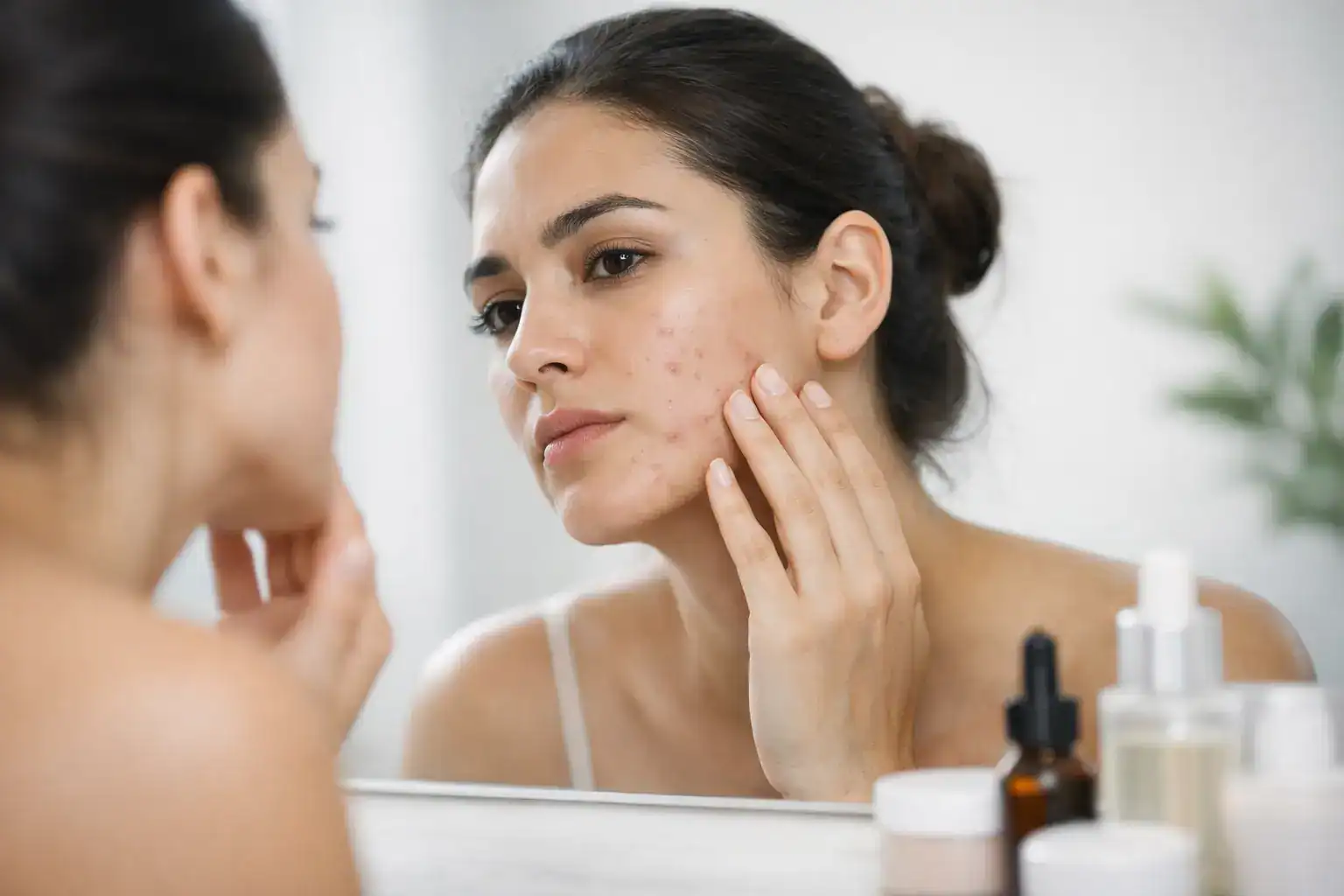
Choosing the right anti aging skincare for dry skin is essential for maintaining a smooth, hydrated, and youthful-looking complexion. Dry skin often experiences tightness, flakiness, rough texture, and more noticeable fine lines due to insufficient moisture. Without proper skincare, these concerns can become increasingly visible.
We recommend choosing anti-aging skincare products that combine deep hydration, skin barrier protection, and effective ingredients that target visible signs of aging. A well-designed skincare routine can help improve skin texture, soften the appearance of wrinkles, and restore a healthier-looking complexion.
Understanding how to choose anti aging skincare for dry skin allows us to identify suitable ingredients, avoid irritating products, and develop a routine that supports long-term skin health.
Understanding Dry Skin and the Signs of Aging
Dry skin develops when the skin lacks sufficient water or protective surface lipids to maintain its natural moisture balance. As skin ages, changes in its structure and natural oil production can contribute to increased dryness, reduced elasticity, and more noticeable wrinkles.
Common signs of aging in dry skin include:
- Fine lines and wrinkles: Dehydration can make existing lines appear more prominent.
- Rough skin texture: Insufficient moisture can leave skin feeling uneven and flaky.
- Loss of elasticity: Natural changes in collagen and elastin contribute to reduced firmness.
- Dull complexion: Dryness and accumulated surface skin cells can make skin appear less radiant.
- Increased sensitivity: A weakened skin barrier may cause irritation, redness, and discomfort.
We recommend addressing dryness and aging together through products that hydrate, protect, and support the skin’s natural repair processes.
Key Factors to Consider When Choosing Anti Aging Skincare for Dry Skin
Selecting the best anti aging skincare for dry skin requires careful consideration of ingredients, product formulation, skin sensitivity, and individual skincare goals.
1. Choose Products With Deeply Hydrating Ingredients
Hydration is one of the most important considerations when selecting anti-aging skincare for dry skin.
We recommend products containing hyaluronic acid, glycerin, ceramides, and squalane because these ingredients help attract moisture, reduce water loss, and maintain skin softness.
Hyaluronic acid helps retain water, while glycerin draws moisture into the outer skin layers. Ceramides strengthen the skin’s protective barrier, and squalane provides emollient benefits that improve comfort.
Using a moisturizer containing several of these ingredients can make fine lines caused by dehydration appear less noticeable.
2. Look for Gentle Anti-Aging Ingredients
Not every anti-aging ingredient is suitable for dry or sensitive skin. Some powerful treatments can cause peeling, tightness, or irritation when introduced too quickly.
We recommend considering ingredients such as:
- Retinol: Supports skin cell turnover and can improve the appearance of fine lines and uneven texture.
- Peptides: May help improve skin hydration and support a firmer-looking complexion, although results vary by formulation.
- Niacinamide: Supports the skin barrier and helps improve uneven skin tone.
- Vitamin C: Provides antioxidant protection and can help reduce the appearance of sun-related discoloration.
- Ceramides: Help replenish essential skin barrier lipids and minimize moisture loss.
For dry skin, we recommend introducing active ingredients gradually rather than combining several strong treatments immediately.
3. Select Rich Moisturizers That Protect the Skin Barrier
A nourishing moisturizer is essential for preventing excessive dryness and maintaining skin comfort.
We recommend anti-aging creams for dry skin that contain a combination of humectants, emollients, and occlusive ingredients.
Humectants attract water, emollients smooth the skin’s surface, and occlusives reduce moisture evaporation.
Ingredients such as shea butter, petrolatum, dimethicone, and ceramides are particularly useful for dry skin.
Cream-based moisturizers are often more suitable than lightweight gels for individuals experiencing persistent dryness, although personal preferences and skin tolerance should guide the final choice.
4. Prioritize Daily Sun Protection
Sun exposure is a major contributor to premature skin aging, including wrinkles, uneven pigmentation, and loss of firmness.
We recommend applying a broad-spectrum sunscreen with SPF 30 or higher every morning.
For dry skin, moisturizing sunscreen formulas containing glycerin, hyaluronic acid, or other hydrating ingredients may provide additional comfort.
Sunscreen should be applied generously to exposed skin and reapplied approximately every two hours during continued outdoor exposure, particularly after sweating or swimming.
Consistent sun protection helps preserve the benefits of anti-aging skincare treatments.
5. Avoid Harsh and Drying Skincare Products
Certain skincare formulations can worsen dryness and damage the skin barrier, making signs of aging more noticeable.
We recommend minimizing products containing high concentrations of potentially irritating ingredients, especially when the skin is already dry or sensitive.
Products that may require extra caution include:
- Harsh foaming cleansers that leave skin feeling tight.
- Alcohol-heavy formulations that increase discomfort.
- Strong exfoliating acids used too frequently.
- Abrasive facial scrubs.
- Heavily fragranced products that trigger irritation.
Choosing gentle, fragrance-free anti-aging skincare can help reduce unnecessary irritation while maintaining a healthier skin barrier.
Best Anti Aging Skincare Routine for Dry Skin
Developing a consistent routine is equally important as choosing effective products. We recommend keeping skincare simple while incorporating ingredients that address hydration, barrier function, and visible signs of aging.
Morning Anti-Aging Skincare Routine
A morning routine should focus on hydration and protection against environmental damage.
- Gentle cleanser: Use a creamy, non-stripping cleanser to remove impurities without removing essential skin oils.
- Hydrating serum: Apply a serum containing hyaluronic acid, glycerin, or niacinamide.
- Antioxidant treatment: Consider a gentle vitamin C formulation to address uneven skin tone and provide antioxidant support.
- Rich moisturizer: Apply a nourishing moisturizer containing ceramides, squalane, or shea butter.
- Broad-spectrum sunscreen: Finish with SPF 30 or higher to protect against premature skin aging.
We recommend applying moisturizer while the skin is slightly damp to help retain hydration.
Evening Anti-Aging Skincare Routine
Nighttime skincare should prioritize moisture replenishment and treatments that improve visible signs of aging.
- Cleanse gently: Remove sunscreen, makeup, and daily impurities using a mild cleanser.
- Apply retinol carefully: Begin with a low-strength retinol product on two nonconsecutive evenings per week, adjusting according to skin tolerance.
- Use a hydrating serum: Choose a compatible moisturizing serum if additional hydration is needed.
- Apply a nourishing night cream: Select a cream containing ceramides, glycerin, or other barrier-supporting ingredients.
- Protect particularly dry areas: Apply a thin layer of petrolatum-based ointment to dry patches when appropriate, avoiding application over retinol if this increases irritation.
For individuals new to retinol, applying moisturizer before and after the treatment may help reduce irritation.
Retinoids should generally be avoided during pregnancy. Those who are pregnant, planning pregnancy, or breastfeeding should seek professional advice before using them.
How to Choose Anti Aging Skincare for Dry Skin Based on Age
Skincare requirements vary depending on skin condition, environmental exposure, and individual concerns. Although age provides useful context, we recommend prioritizing the skin’s actual needs over rigid age-based routines.
Anti-Aging Skincare in Your 30s
During the 30s, early fine lines and mild changes in skin texture may become noticeable.
We recommend focusing on hydration, daily sunscreen, antioxidant protection, and introducing a gentle retinol product when appropriate.
Anti-Aging Skincare in Your 40s
During the 40s, changes in skin elasticity and moisture retention can become more noticeable.
We recommend richer moisturizers, consistent sun protection, and well-tolerated ingredients such as retinoids and niacinamide to address fine lines and uneven texture.
Anti-Aging Skincare in Your 50s and Beyond
Mature skin may experience increased dryness, thinning, and reduced natural oil production.
We recommend intensive moisturizing creams, gentle cleansers, barrier-repair ingredients, and carefully selected anti-aging treatments.
Products containing ceramides, glycerin, petrolatum, and squalane can be especially beneficial for maintaining comfort.
Common Mistakes to Avoid When Choosing Anti Aging Skincare for Dry Skin
Even high-quality skincare products may deliver disappointing results when used incorrectly.
We recommend avoiding several common mistakes that can interfere with healthy skin maintenance.
Over-exfoliating: Excessive exfoliation can weaken the protective skin barrier, increase irritation, and worsen dryness.
Using too many active ingredients: Combining retinol, exfoliating acids, and other strong treatments without proper adjustment can cause redness and peeling.
Skipping moisturizer: Hydrating serums alone may not provide sufficient protection against moisture loss.
Ignoring sunscreen: Anti-aging treatments cannot fully compensate for ongoing sun damage.
Expecting immediate results: While moisturizers may improve skin comfort quickly, noticeable improvements in wrinkles and texture often require several weeks or months of consistent treatment.
We recommend monitoring the skin’s response and adjusting products whenever persistent irritation occurs.
How to Identify Quality Anti Aging Skincare Products for Dry Skin
Choosing effective products does not necessarily require purchasing the most expensive skincare brands.
We recommend evaluating products based on their formulation, suitability, and evidence supporting their ingredients.
A quality anti-aging skincare product should offer a clear purpose, such as moisturizing, strengthening the skin barrier, improving uneven tone, or reducing the appearance of fine lines.
We also recommend checking product labels for fragrance-free formulations, moisturizing ingredients, suitable packaging, and clear usage instructions.
Products containing unstable ingredients, such as certain vitamin C formulations, may benefit from packaging that limits exposure to air and light.
For dry and reactive skin, introducing one new product at a time makes it easier to identify which formulations provide benefits and which cause irritation.
Patch-testing a new skincare product on a small area before regular use can also help identify potential reactions.
Additional Tips for Maintaining Youthful-Looking Dry Skin
Beyond choosing the right products, daily habits contribute significantly to maintaining healthy, hydrated skin.
We recommend supporting an anti-aging skincare routine through practical lifestyle measures that protect the skin barrier and minimize unnecessary moisture loss.
Helpful habits include:
- Washing the face with lukewarm rather than very hot water.
- Keeping facial cleansing gentle and avoiding unnecessary washing.
- Applying moisturizer consistently after cleansing.
- Using a humidifier when indoor air is particularly dry.
- Maintaining balanced nutrition and adequate hydration.
- Protecting the skin from excessive sun exposure.
- Getting sufficient sleep and avoiding smoking.
Although drinking water supports overall health, topical moisturizers are usually necessary to address dry skin directly.
Persistent cracking, inflammation, intense itching, or dryness that does not improve with basic skincare may require evaluation by a dermatologist.
FAQs about How to Choose Anti Aging Skincare for Dry Skin
1. What Is the Best Anti Aging Skincare for Dry Skin?
The best anti aging skincare for dry skin includes products containing hyaluronic acid, ceramides, peptides, and retinol. These ingredients help improve hydration, support the skin barrier, and reduce the appearance of fine lines and wrinkles.
2. How Do I Choose Anti Aging Products for Dry Skin?
We recommend choosing hydrating, fragrance-free skincare products designed for dry skin. Look for ingredients that retain moisture, improve skin texture, and support collagen production without causing irritation.
3. Is Retinol Good for Dry Skin?
Yes, retinol can benefit dry skin by improving skin texture and reducing visible signs of aging. However, we recommend starting with a low concentration, applying it gradually, and using a rich moisturizer to minimize dryness.
4. Which Ingredients Should I Look for in Anti Aging Skincare?
We recommend hyaluronic acid, glycerin, ceramides, peptides, niacinamide, and retinol. These ingredients help maintain hydration, strengthen the skin barrier, and improve the appearance of aging skin.
5. What Is the Best Skincare Routine for Aging Dry Skin?
A suitable routine includes a gentle cleanser, hydrating serum, rich moisturizer, and broad-spectrum SPF 30 or higher sunscreen each morning. At night, use a gentle cleanser, moisturizer, and a suitable anti-aging treatment.
6. Can Anti Aging Skincare Make Dry Skin Worse?
Yes. Strong exfoliants, high-strength retinoids, and irritating ingredients can increase dryness. We recommend introducing active ingredients gradually and prioritizing hydration.
7. How Long Does Anti Aging Skincare Take to Show Results?
Hydration improvements may appear quickly, while visible changes in fine lines and skin texture typically require several weeks to months of consistent use.
8. Should I Use Anti Aging Skincare Every Day?
Yes, a gentle moisturizing routine and daily sunscreen are recommended. However, stronger treatments like retinol may require less frequent application initially to prevent irritation.
Conclusion
Understanding how to choose anti aging skincare for dry skin begins with selecting products that provide lasting hydration, protect the skin barrier, and address visible signs of aging without unnecessary irritation.
We recommend prioritizing hyaluronic acid, ceramides, glycerin, niacinamide, gentle retinoids, rich moisturizers, and broad-spectrum sunscreen when building an effective skincare routine.
By choosing suitable formulations, avoiding harsh ingredients, and maintaining consistent morning and evening skincare habits, we can improve skin hydration, minimize the appearance of fine lines, and promote a smoother, healthier-looking complexion over time.

