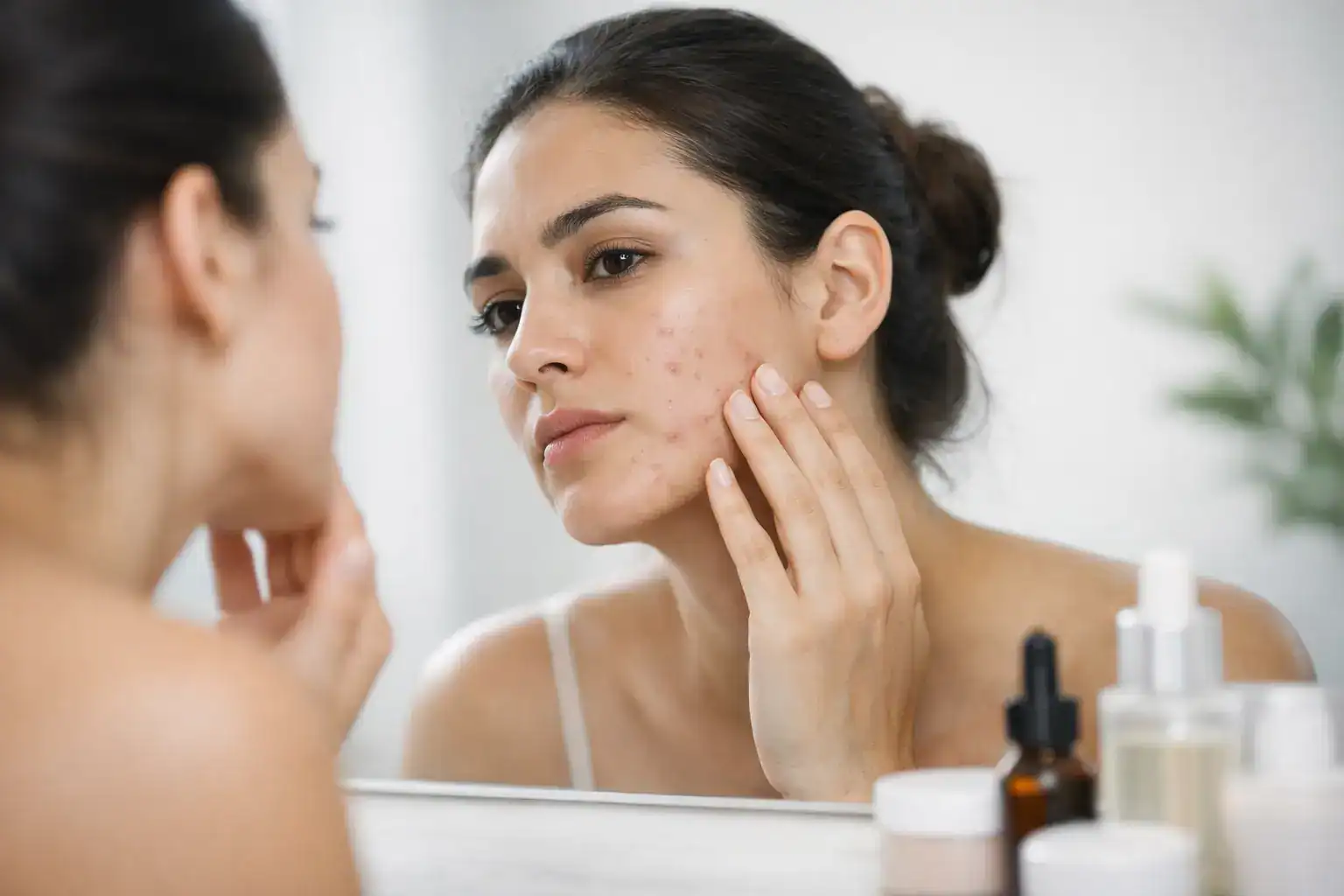
Melasma is a common skin condition that causes dark, uneven patches, particularly on the cheeks, forehead, nose, and upper lip. Although it is harmless, melasma can affect skin appearance and confidence. Choosing the best melasma cream treatment is essential for reducing hyperpigmentation, improving skin tone, and maintaining healthier-looking skin.
With numerous skincare products available, identifying an effective treatment can be challenging. At our skincare practice, we emphasize choosing melasma treatment creams based on skin type, active ingredients, pigmentation severity, and professional dermatological recommendations.
In this guide, we explain how to choose melasma cream treatment, identify effective ingredients, compare treatment options, and explore practical ways to achieve lasting improvements.
Understanding Melasma and Its Causes
Melasma develops when melanocytes, the cells responsible for skin pigmentation, produce excessive melanin. This increased pigmentation creates brown, gray-brown, or occasionally bluish patches on the skin.
Several factors may contribute to melasma, including hormonal changes, sun exposure, genetics, and certain medications.
Common triggers of melasma include:
- Sun exposure: Ultraviolet radiation stimulates excess melanin production.
- Hormonal changes: Pregnancy, hormonal contraception, and hormone therapy may contribute to pigmentation.
- Genetic factors: Individuals with a family history of melasma may have a higher risk.
- Visible light exposure: Visible light can worsen pigmentation, particularly in darker skin tones.
- Skin irritation: Harsh skincare products and inflammatory reactions can aggravate existing pigmentation.
Understanding these triggers helps us recommend suitable melasma cream treatment options that target pigmentation while protecting the skin.
How to Choose the Best Melasma Cream Treatment
Selecting an effective melasma treatment requires more than purchasing a popular skin-brightening product. We recommend evaluating several important factors before incorporating a new cream into a skincare routine.
1. Identify Your Skin Type
Different skin types respond differently to melasma treatments. Choosing the right formulation helps minimize irritation and improve treatment consistency.
For oily skin, we recommend lightweight, non-comedogenic creams that do not clog pores. Dry skin generally benefits from moisturizing formulations containing ceramides, glycerin, or hyaluronic acid.
Individuals with sensitive skin should prioritize gentle products and introduce active ingredients gradually.
2. Look for Proven Active Ingredients
The effectiveness of a melasma removal cream depends largely on its active ingredients.
We recommend considering ingredients supported by dermatological research, including:
- Hydroquinone: Reduces melanin production and is commonly prescribed for melasma.
- Azelaic acid: Helps improve pigmentation and may suit acne-prone or sensitive skin.
- Tretinoin: Encourages skin cell turnover and is often included in prescription combination treatments.
- Tranexamic acid: Certain topical formulations may help reduce pigmentation.
- Kojic acid: Inhibits processes involved in melanin production.
- Niacinamide: Supports the skin barrier and may help reduce the appearance of dark spots.
- Vitamin C: Provides antioxidant protection and can support a brighter, more even complexion.
The ideal combination depends on pigmentation severity, skin sensitivity, and previous treatment responses.
3. Consider the Severity of Melasma
Mild pigmentation may improve with gentle brightening ingredients and consistent sun protection.
Moderate or persistent melasma may require prescription treatments containing hydroquinone, tretinoin, or combination formulations.
For stubborn cases, dermatologists may recommend additional treatments alongside topical creams.
We emphasize that melasma treatment should be tailored to individual skin needs, rather than relying on a single product for every pigmentation concern.
4. Choose Dermatologist-Recommended Formulations
Dermatologist-guided treatment can reduce the risk of irritation, inappropriate ingredient combinations, and prolonged use of unsuitable products.
A dermatologist may recommend a prescription triple-combination cream containing hydroquinone, tretinoin, and a mild corticosteroid for limited treatment periods.
These formulations can be effective but require appropriate medical supervision because of possible side effects.
5. Evaluate Product Safety and Compatibility
Before purchasing a melasma cream, we recommend examining its ingredient list, usage instructions, and potential side effects.
Avoid unregulated skin-lightening products, especially those containing mercury or undisclosed corticosteroids.
Prescription-strength hydroquinone and retinoids should be used according to professional advice. Retinoids and hydroquinone are generally avoided during pregnancy.
Best Ingredients in Melasma Cream Treatment
Understanding how pigmentation-reducing ingredients work makes it easier to select an appropriate treatment.
| Active ingredient | Primary benefit | Important consideration |
|---|---|---|
| Hydroquinone | Reduces excess melanin production | Requires appropriate medical guidance |
| Azelaic acid | Improves pigmentation and uneven skin tone | Can cause mild stinging or irritation |
| Tretinoin | Promotes skin cell turnover | May cause dryness and photosensitivity |
| Tranexamic acid | May help reduce persistent pigmentation | Effectiveness varies by formulation |
| Kojic acid | Helps limit melanin production | May irritate sensitive skin |
| Niacinamide | Supports the skin barrier and even skin tone | Usually well tolerated |
| Vitamin C | Provides antioxidant benefits and brightening support | Stability and concentration matter |
We recommend selecting products based on ingredient effectiveness, skin tolerance, and overall skincare compatibility.
Prescription vs. Over-the-Counter Melasma Creams
Both prescription and non-prescription melasma treatments can help manage hyperpigmentation. However, their effectiveness and suitability vary.
Prescription Melasma Cream Treatments
Prescription treatments typically contain ingredients or combinations that require closer medical supervision.
They may include hydroquinone, tretinoin, or triple-combination therapy.
These options are often recommended for more noticeable or persistent melasma because they can produce stronger pigmentation-reducing effects.
However, excessive or incorrect use may cause irritation, rebound pigmentation, or other complications.
Over-the-Counter Melasma Treatment Creams
Over-the-counter products commonly contain azelaic acid, niacinamide, vitamin C, kojic acid, or other brightening ingredients.
These formulations may be suitable for mild pigmentation, maintenance routines, or individuals who cannot tolerate stronger treatments.
We recommend choosing reputable products with clearly disclosed ingredients and realistic treatment claims.
How to Use Melasma Cream for Better Results
Correct application is essential for maximizing the benefits of a melasma cream treatment.
Even effective products may produce disappointing results when used inconsistently or combined with irritating skincare routines.
Recommended Melasma Skincare Routine
- Cleanse gently: Wash the face with a mild cleanser to remove dirt, oil, and impurities.
- Apply treatment as directed: Use the recommended amount of melasma cream, following the product instructions or dermatologist’s prescription.
- Moisturize: Apply a suitable moisturizer to support the skin barrier and minimize dryness.
- Use sunscreen daily: Choose broad-spectrum SPF 30 or higher. Tinted sunscreen containing iron oxides can provide additional protection against visible light.
- Avoid unnecessary exfoliation: Excessive scrubbing, harsh acids, and irritating products may worsen pigmentation.
- Maintain consistency: Follow the recommended treatment schedule and allow sufficient time for improvement.
We also recommend wearing protective clothing, seeking shade, and reapplying sunscreen when outdoors.
How Long Does Melasma Cream Treatment Take to Work?
One of the most frequently asked questions is how quickly melasma creams can improve skin pigmentation.
Treatment response depends on the ingredients used, melasma severity, sun exposure, and individual skin characteristics.
Some individuals notice visible improvements after approximately eight to twelve weeks, while others require several months of consistent treatment.
Prescription combination creams may produce noticeable changes within a shorter treatment course, although results vary.
Importantly, melasma is often a chronic, recurring condition. Even after successful treatment, pigmentation may return following sun exposure or hormonal changes.
We therefore recommend maintaining a gentle skincare routine and consistent sun protection after visible improvements occur.
Common Mistakes to Avoid When Choosing Melasma Cream
Many individuals unintentionally worsen pigmentation by selecting unsuitable products or combining too many active ingredients.
Common mistakes include:
- Purchasing creams that promise immediate or permanent melasma removal.
- Using multiple strong brightening products simultaneously.
- Applying prescription treatments without proper medical advice.
- Ignoring sunscreen while using pigmentation treatments.
- Continuing products that cause significant irritation.
- Using strong exfoliants excessively.
- Discontinuing treatment prematurely without professional guidance.
We encourage a gradual, evidence-based approach focused on pigmentation control and overall skin health.
Factors That Influence the Cost of Melasma Cream Treatment
The price of melasma cream treatment depends on several factors, including ingredient concentration, product formulation, brand reputation, and whether a prescription is required.
Over-the-counter brightening creams may be more affordable initially, while prescription products can involve consultation and follow-up expenses.
However, affordability should not be determined by the purchase price alone.
We recommend considering product safety, treatment duration, effectiveness, and the likelihood of irritation before making a decision.
A carefully selected cream supported by consistent sunscreen use may offer better overall value than frequently switching between products.
When Should You Consult a Dermatologist for Melasma?
Professional assessment is particularly important when pigmentation persists despite consistent skincare or when dark patches change unexpectedly.
We recommend consulting a dermatologist if melasma covers extensive facial areas, causes significant concern, or does not improve with suitable over-the-counter products.
A dermatologist can also distinguish melasma from other pigmentation conditions, including post-inflammatory hyperpigmentation.
Professional guidance is especially valuable for individuals who are pregnant, breastfeeding, using hormonal medications, or experiencing sensitivity to pigmentation treatments.
Tips for Maintaining Results After Melasma Treatment
Long-term management is essential because melasma can recur even after successful treatment.
We recommend combining effective topical treatments with protective daily habits.
Essential Habits for Preventing Melasma Recurrence
- Apply broad-spectrum sunscreen consistently.
- Choose tinted sunscreen containing iron oxides when appropriate.
- Reduce prolonged exposure to direct sunlight.
- Use gentle cleansers and moisturizers.
- Avoid skincare products that repeatedly cause irritation.
- Follow dermatologist-recommended maintenance treatments.
- Monitor pigmentation changes and adjust skincare when necessary.
These habits help maintain improvements and reduce the risk of worsening hyperpigmentation.
FAQs about How to Choose Melasma Cream Treatment
1. How Do I Choose the Best Melasma Cream Treatment?
To choose the best melasma cream treatment, we recommend considering your skin type, pigmentation severity, and product ingredients. A dermatologist can help identify a suitable treatment for your skin.
2. What Ingredients Should I Look for in Melasma Cream?
Effective melasma treatment creams may contain azelaic acid, hydroquinone, kojic acid, niacinamide, or retinoids. These ingredients can help reduce excess pigmentation and improve uneven skin tone.
3. Is Hydroquinone Cream Effective for Melasma?
Yes. Hydroquinone is an established treatment for melasma because it reduces melanin production. However, it should be used under medical supervision to minimize irritation and other potential side effects.
4. How Long Does Melasma Cream Take to Work?
Most melasma creams require consistent application for approximately 8–12 weeks before noticeable improvement. Results depend on pigmentation severity, treatment ingredients, and sun protection.
5. Can I Use Melasma Cream on Sensitive Skin?
Yes, but choosing gentle formulations is essential. We recommend consulting a dermatologist before using active ingredients, particularly if your skin is sensitive or easily irritated.
6. Should I Use Sunscreen with Melasma Cream?
Absolutely. Daily broad-spectrum SPF 30 or higher sunscreen is essential for managing melasma. Tinted sunscreen containing iron oxides can provide additional protection against visible light that worsens pigmentation.
7. Can Melasma Cream Permanently Remove Dark Patches?
Melasma creams can significantly improve pigmentation, but melasma frequently returns. Ongoing sun protection and maintenance treatments help manage recurrence.
8. What Is the Safest Way to Choose Melasma Cream?
We recommend selecting dermatologist-recommended melasma treatments, avoiding unregulated bleaching products, and following professional application instructions. Pregnant individuals should avoid retinoids and consult their clinician before using pigmentation treatments.
Conclusion
We recommend prioritizing dermatologist-supported ingredients such as hydroquinone, azelaic acid, tretinoin, niacinamide, and tranexamic acid, depending on the individual’s circumstances and appropriate medical guidance.
Consistent sun protection, gentle skincare, and realistic treatment expectations are equally important for achieving and maintaining a more even skin tone.
By selecting suitable products and following an evidence-based skincare routine, we can help individuals manage melasma effectively while supporting healthier, clearer-looking skin.

