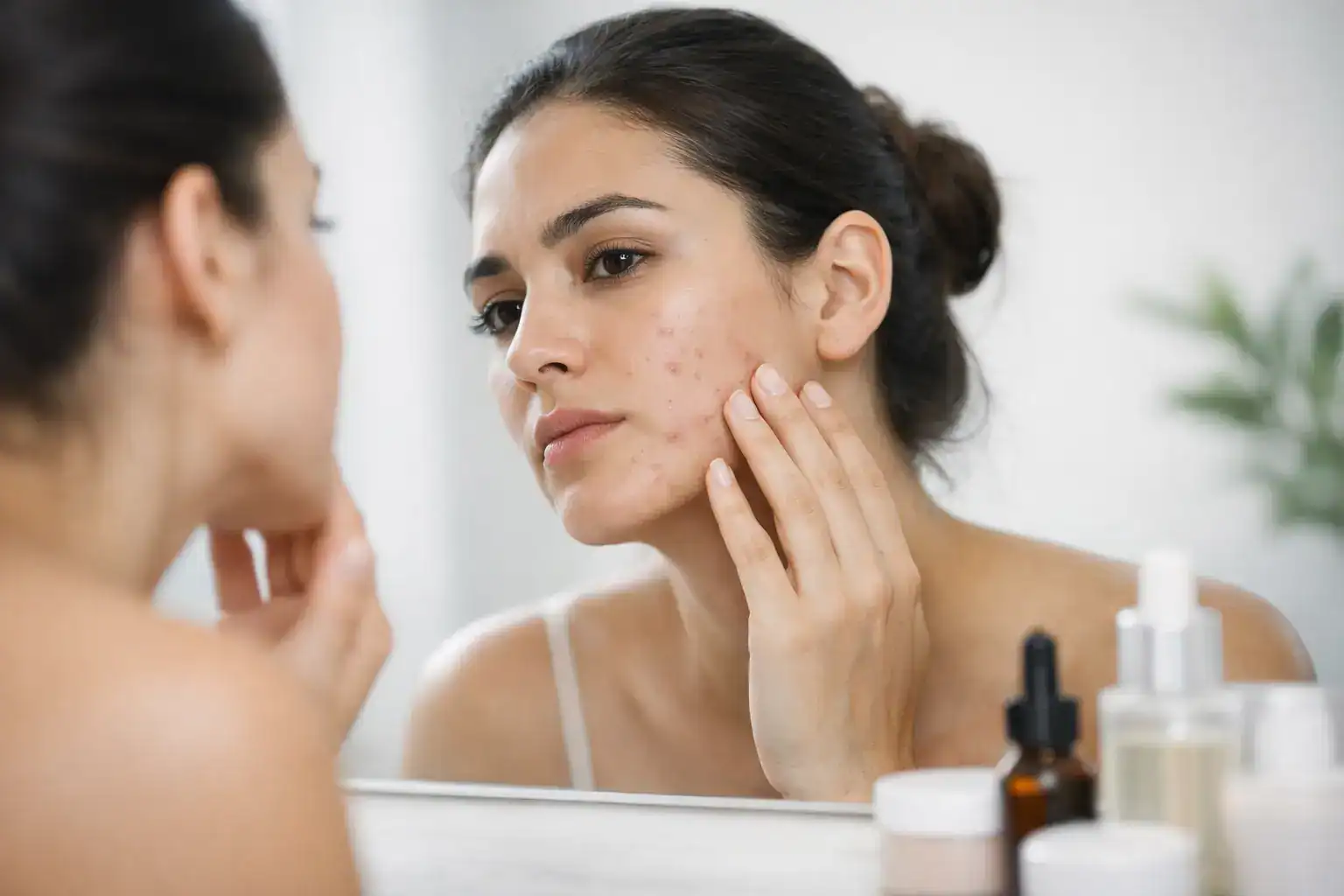
Melasma is a common skin condition that causes dark, uneven patches, particularly on the cheeks, forehead, nose, and upper lip. Although it can affect anyone, women are more likely to experience melasma due to hormonal changes, pregnancy, sun exposure, and certain medications. Choosing the best melasma treatment for women requires understanding the condition, identifying its triggers, and selecting a treatment that matches individual skin needs.
At every stage of treatment, we recommend prioritizing skin health, professional guidance, and long-term pigmentation control. Whether considering topical creams, dermatological procedures, or preventive skincare, understanding how to choose melasma treatment for women can help achieve a more even complexion while minimizing irritation and recurring discoloration.
Understanding Melasma and Its Common Causes in Women
Melasma develops when melanocytes, the cells responsible for producing skin pigment, become overactive and produce excess melanin. This results in brown, gray-brown, or sometimes bluish patches, usually appearing symmetrically on the face.
Several factors can contribute to melasma in women, including hormonal fluctuations, ultraviolet radiation, visible light exposure, genetic predisposition, and certain medications.
Pregnancy-related hormonal changes can trigger melasma, commonly called the mask of pregnancy. Hormonal contraceptives may also contribute to pigmentation changes in susceptible women.
Additionally, prolonged sun exposure can worsen existing discoloration, making daily sun protection essential. Women with medium to darker skin tones may be particularly susceptible to melasma and post-inflammatory hyperpigmentation.
Understanding these underlying factors helps us determine which melasma treatment options for women are most appropriate for different skin types and pigmentation concerns.
Important Factors to Consider When Choosing Melasma Treatment for Women
Before selecting a treatment, we recommend evaluating several factors that influence effectiveness, safety, and long-term results.
Key Considerations Before Starting Melasma Treatment
1. Skin type and sensitivity: We recommend choosing treatments that suit individual skin characteristics. Sensitive skin may require gentle formulations to prevent irritation and additional pigmentation.
2. Severity and depth of pigmentation: Mild melasma may respond to topical skincare, while persistent discoloration may require prescription treatment or carefully selected dermatological procedures.
3. Hormonal influences: Women experiencing pregnancy-related or contraception-associated melasma should discuss suitable treatments with a qualified healthcare professional.
4. Treatment ingredients: Products containing azelaic acid, niacinamide, tranexamic acid, or prescription pigment-reducing ingredients may help improve uneven skin tone.
5. Sun protection requirements: Consistent sunscreen application is essential because ultraviolet and visible light exposure can worsen pigmentation.
6. Treatment costs and maintenance: We recommend considering consultation fees, prescription costs, follow-up appointments, and ongoing skincare expenses.
7. Professional recommendations: A dermatologist can confirm the diagnosis and recommend an appropriate treatment plan based on skin tone, medical history, and pigmentation patterns.
By carefully considering these factors, women can avoid unsuitable skincare products and select more effective approaches to managing melasma.
Best Melasma Treatment Options for Women
Different treatments target pigmentation through different mechanisms. We recommend understanding the benefits and limitations of each option before beginning a skincare regimen.
Topical Treatments for Melasma
Topical medications are frequently recommended as first-line treatments because they can reduce excess pigment production without requiring invasive procedures.
Hydroquinone is a commonly prescribed ingredient that reduces melanin production. It may improve visible pigmentation when used under professional supervision. However, prolonged or inappropriate use can cause irritation and, rarely, ochronosis, a difficult-to-treat form of discoloration.
Azelaic acid is another option for managing melasma and uneven pigmentation. It may be particularly useful for women with acne-prone skin or those who cannot tolerate certain stronger topical medications.
Retinoids, including tretinoin, support skin cell turnover and may improve pigmentation when incorporated into a dermatologist-supervised treatment plan. However, topical retinoids should be avoided during pregnancy.
Dermatologists may also prescribe triple-combination cream, typically containing hydroquinone, tretinoin, and a mild corticosteroid. This combination can be effective for melasma but requires medical supervision because of potential side effects and limitations on treatment duration.
Chemical Peels for Melasma
Chemical peels use carefully selected exfoliating ingredients to remove superficial skin cells and improve uneven pigmentation.
Superficial peels containing glycolic acid or other suitable acids may complement topical treatment for selected patients.
However, chemical peels are not appropriate for everyone. Aggressive treatments can irritate the skin and trigger post-inflammatory hyperpigmentation, particularly in women with darker skin tones.
We recommend undergoing chemical peels only after professional skin assessment and discussing their expected benefits, recovery requirements, and pigmentation risks.
Laser and Light-Based Treatments
Laser treatments may be considered for persistent melasma that has not responded adequately to conventional therapy.
Certain devices target pigment within the skin, potentially improving discoloration in carefully selected patients. Nevertheless, laser treatment for melasma requires considerable caution because it can worsen pigmentation or cause recurrence.
We recommend consulting dermatologists experienced in treating melasma across different skin tones before choosing laser-based procedures.
For many women, a combination of prescribed topical medication, consistent photoprotection, and carefully monitored maintenance care may be preferable to aggressive procedures.
How to Choose Melasma Treatment Based on Skin Type
Skin type significantly influences the selection of suitable melasma products and dermatological treatments.
Women with oily or acne-prone skin may benefit from lightweight, non-comedogenic formulations containing ingredients such as azelaic acid or niacinamide.
For dry skin, we recommend combining appropriate pigmentation treatments with moisturizing products that support the skin barrier. Ceramides, glycerin, and hyaluronic acid can help maintain hydration and reduce irritation.
Women with sensitive skin may need lower-strength products, gradual introduction of active ingredients, and fragrance-free formulations.
For darker skin tones, preventing treatment-induced inflammation is especially important. Strong exfoliating agents, inappropriate laser settings, and irritating skincare combinations may cause additional hyperpigmentation.
A personalized skincare approach helps improve treatment tolerability and supports more consistent results.
Choosing Melasma Treatment During and After Pregnancy
Pregnancy-related melasma is common, but selecting safe treatments requires additional consideration.
During pregnancy, we recommend emphasizing gentle skincare and broad-spectrum sun protection. Tinted mineral sunscreens containing iron oxides can help protect against visible light, which contributes to melasma.
Certain treatments, including retinoids and hydroquinone, should be avoided during pregnancy. Women who are breastfeeding should also confirm the safety of individual ingredients with their healthcare provider.
After childbirth, melasma may gradually improve as hormone levels change. However, some women experience persistent pigmentation requiring dermatological assessment.
Where treatment is necessary, options such as azelaic acid may be considered based on individual circumstances and medical guidance.
The Importance of Sunscreen in Melasma Treatment
Sunscreen is one of the most important components of any effective melasma management plan.
Even when topical medications successfully reduce existing pigmentation, continued exposure to sunlight can trigger new dark patches.
We recommend using a broad-spectrum sunscreen with SPF 30 or higher, preferably SPF 50+, every day.
For melasma, tinted sunscreen containing iron oxides offers additional protection against visible light, which can stimulate pigmentation, especially in darker skin tones.
Sunscreen should be applied generously and reapplied approximately every two hours during prolonged outdoor exposure, particularly after swimming or excessive sweating.
Additional protective measures, including wide-brimmed hats and seeking shade, can further reduce pigmentation triggers.
Maintaining these habits supports treatment results and helps reduce the likelihood of melasma returning.
How Long Does Melasma Treatment Take to Work?
Understanding the expected treatment timeline helps women maintain realistic expectations and avoid switching products prematurely.
Mild pigmentation may begin improving within several weeks, while more persistent melasma often requires several months of consistent treatment. According to the American Academy of Dermatology, noticeable results can take approximately three to twelve months, depending on the condition’s severity and treatment response. American Academy of Dermatology
Melasma is also a recurring condition. Therefore, we recommend maintaining appropriate sun protection and following dermatological advice even after visible pigmentation improves.
Treatment progress should be evaluated through changes in pigmentation intensity, skin uniformity, and overall skin tolerance rather than expecting immediate results.
Common Mistakes to Avoid When Choosing Melasma Treatment
Selecting inappropriate products or using too many active ingredients simultaneously can interfere with pigmentation management.
We recommend avoiding unregulated skin-lightening creams, excessive exfoliation, aggressive home remedies, and unsupervised prescription treatments.
Products containing undisclosed corticosteroids, mercury, or inappropriate concentrations of bleaching ingredients may damage the skin and cause serious complications.
Another common mistake is discontinuing sunscreen once pigmentation becomes less noticeable. Without consistent protection, melasma can return even after successful treatment.
Women should also avoid assuming that every dark facial patch is melasma. Other pigmentation disorders may require different treatments, making an accurate dermatological diagnosis important.
How to Build an Effective Daily Skincare Routine for Melasma
A practical skincare routine should combine pigment management, adequate moisturization, and consistent sun protection.
Recommended Morning and Evening Skincare Routine
| Morning skincare | Evening skincare |
|---|---|
| Wash with a gentle cleanser | Remove makeup and cleanse gently |
| Apply a suitable moisturizer | Apply prescribed melasma treatment as directed |
| Use broad-spectrum tinted sunscreen with SPF 30+ | Use a barrier-supporting moisturizer |
| Reapply sunscreen during extended outdoor exposure | Avoid unnecessary exfoliation and irritating products |
We recommend introducing active treatments gradually when appropriate and monitoring the skin for redness, dryness, peeling, or irritation.
A simple, consistent routine is generally preferable to combining multiple strong skincare products without professional guidance.
When Should Women Consult a Dermatologist for Melasma?
Professional evaluation becomes particularly important when pigmentation persists, worsens, or fails to respond to appropriate skincare.
A dermatologist can distinguish melasma from other pigmentation conditions, assess possible hormonal triggers, and recommend suitable prescription treatments.
Women considering oral tranexamic acid should undergo medical evaluation because the medication is not appropriate for everyone, particularly those with certain blood-clotting risks. DermNet®
We also recommend professional consultation before undergoing chemical peels, microneedling, or laser procedures.
Early dermatological guidance can prevent avoidable complications and establish a treatment plan tailored to individual needs.
How to Maintain Results and Prevent Melasma from Returning
Long-term melasma management requires continued attention to environmental triggers and skincare habits.
We recommend maintaining daily sunscreen use, avoiding unnecessary skin irritation, and following prescribed maintenance treatments where appropriate.
Regular dermatology appointments can help determine whether treatment intensity should be adjusted as pigmentation improves.
Women experiencing hormonal changes may need additional monitoring because pigmentation can fluctuate throughout different life stages.
The most sustainable approach combines realistic treatment expectations, consistent skincare, and professional support.
FAQs about How to Choose Melasma Treatment for Women
1. What Is the Best Melasma Treatment for Women?
The best melasma treatment for women depends on skin type, pigmentation severity, and hormonal factors. Dermatologists commonly recommend topical treatments containing azelaic acid, hydroquinone, or prescription combination creams alongside daily sun protection.
2. How Do I Choose the Right Melasma Treatment for My Skin?
We recommend considering your skin type, sensitivity, medical history, and pigmentation severity. Consulting a dermatologist helps identify suitable treatments while minimizing irritation and unwanted side effects.
3. Can Melasma Be Treated Permanently?
Melasma is a chronic skin condition that can improve significantly with proper treatment. However, recurrence is common, especially with sun exposure and hormonal changes. Consistent skincare and sun protection help maintain results.
4. Which Melasma Treatment Is Safe for Sensitive Skin?
For sensitive skin, dermatologists may recommend azelaic acid, gentle skincare products, and mineral sunscreens. Treatments should be introduced gradually to reduce irritation and prevent worsening pigmentation.
5. How Long Does Melasma Treatment Take to Show Results?
Most women begin noticing improvements within 8–12 weeks, although deeper pigmentation may require several months. Treatment effectiveness depends on consistency, skin condition, and individual response.
6. Is Laser Treatment Better Than Melasma Creams?
Laser treatments may benefit selected patients, but they are not always the first choice. Prescription creams and sun protection are generally preferred initially because certain laser procedures can worsen pigmentation.
7. Can Hormonal Melasma Be Treated Successfully?
Yes. Hormonal melasma associated with pregnancy, contraceptives, or hormonal fluctuations can improve with appropriate treatment. Pregnant or breastfeeding women should consult a healthcare professional before using pigmentation treatments.
8. What Should I Avoid When Choosing Melasma Treatment?
Avoid harsh bleaching products, unregulated skin-lightening creams, excessive exfoliation, and treatments without professional guidance.
Conclusion
We recommend beginning with a proper skin assessment, selecting evidence-based treatments, and maintaining consistent sun protection. Topical medications may help improve discoloration, while specialized dermatological procedures can be considered when appropriate.
By understanding how to choose melasma treatment for women, avoiding unsuitable products, and following a personalized skincare routine, women can achieve a more even-looking complexion while supporting healthier skin.
Ultimately, successful melasma management depends on patience, consistent care, and professional guidance rather than aggressive treatments or unrealistic promises of permanent results.

