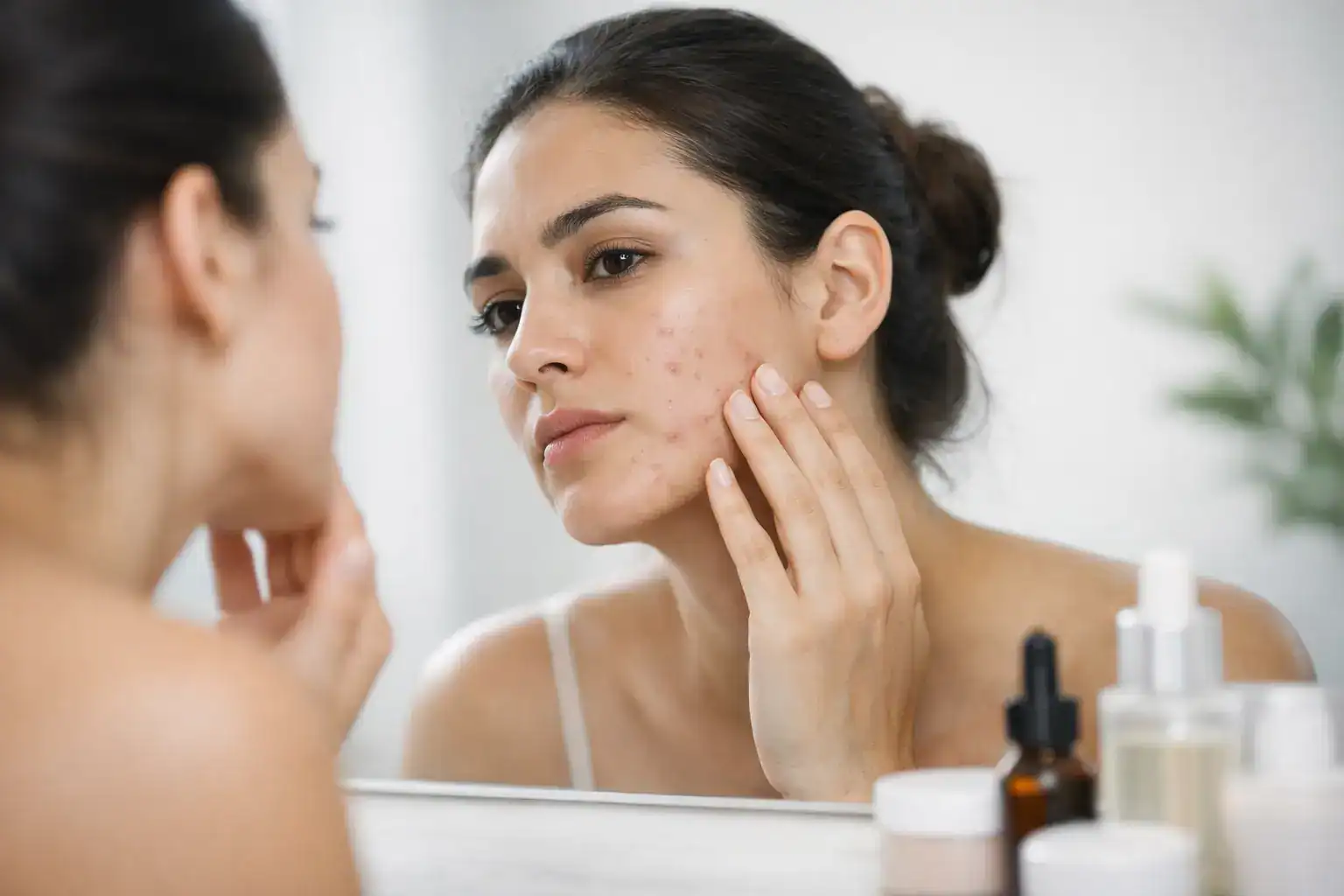
Melasma after pregnancy is a common skin concern that causes dark patches on the face, particularly around the cheeks, forehead, nose, and upper lip. These patches often develop because of hormonal changes during pregnancy and may persist after childbirth. Choosing the best melasma treatment after pregnancy requires understanding your skin type, the severity of pigmentation, and which treatments are suitable during postpartum recovery.
At our practice, we emphasize personalized skincare solutions that address pigmentation while protecting the skin’s natural barrier. Whether you are breastfeeding or looking for long-term results, understanding how to choose melasma treatment after pregnancy can help you achieve a more even complexion without unnecessary irritation or complications.
Understanding Melasma After Pregnancy
Melasma, sometimes called the mask of pregnancy, is a form of hyperpigmentation associated with hormonal fluctuations, genetic predisposition, and sun exposure. During pregnancy, increased estrogen and progesterone levels can contribute to melanin production, causing brown or gray-brown patches on the skin.
Although pregnancy-related melasma may gradually fade after childbirth, some women experience persistent discoloration that requires professional treatment.
Several factors can influence how long melasma lasts, including skin tone, sun exposure, hormonal contraception, and previous pigmentation problems. We recommend identifying these contributing factors before introducing targeted treatments.
Key Factors to Consider When Choosing Melasma Treatment After Pregnancy
Selecting an effective postpartum melasma treatment involves more than purchasing a skin-lightening cream. We recommend evaluating your skin’s condition, breastfeeding status, and treatment goals before deciding on a suitable approach.
Important Considerations Before Starting Treatment
1. Breastfeeding Status: Certain pigmentation treatments may not be appropriate during breastfeeding. We recommend discussing prescription creams and cosmetic procedures with a qualified healthcare professional before use.
2. Skin Type and Sensitivity: Sensitive, dry, or acne-prone skin may respond differently to active ingredients. Gentle formulations can help minimize irritation and prevent additional pigmentation.
3. Severity of Melasma: Mild pigmentation may improve with sun protection and topical skincare, while persistent or extensive patches may require prescription treatment.
4. Treatment Ingredients: Ingredients such as azelaic acid, niacinamide, and vitamin C may help improve uneven skin tone. Their suitability depends on the formulation and individual circumstances.
5. Sun Protection: Daily broad-spectrum sunscreen with SPF 30 or higher is essential. Tinted sunscreen containing iron oxides provides additional protection against visible light that can worsen melasma.
6. Treatment Cost and Maintenance: Effective melasma management often requires consistent skincare and ongoing prevention rather than a single procedure.
By considering these factors, we can develop a treatment approach that balances effectiveness, safety, and long-term skin health.
Best Melasma Treatment Options After Pregnancy
Several treatments can help reduce postpartum hyperpigmentation. However, the most appropriate option depends on whether you are breastfeeding, how sensitive your skin is, and the extent of pigmentation.
1. Azelaic Acid for Postpartum Melasma
Azelaic acid is a commonly recommended ingredient for treating melasma and uneven skin tone. It helps reduce excess pigmentation while offering anti-inflammatory benefits.
We often consider azelaic acid for individuals with sensitive or acne-prone skin because it is generally well tolerated, although dryness, stinging, or irritation can occur.
Topical azelaic acid is considered a low-risk option during breastfeeding when used appropriately. It should not be applied to the nipple or areas where an infant may have direct contact with treated skin.
2. Vitamin C for Dark Spots After Pregnancy
Vitamin C is an antioxidant that can help improve skin brightness and reduce the appearance of uneven pigmentation.
When incorporated into a consistent skincare routine, vitamin C serums may gradually improve dark patches while helping protect the skin against environmental oxidative stress.
We recommend choosing a stable formulation suitable for your skin type and introducing it gradually to minimize irritation.
3. Niacinamide for Uneven Skin Tone
Niacinamide, also known as vitamin B3, is a skincare ingredient that supports the skin barrier and helps reduce the appearance of hyperpigmentation.
It is particularly useful for women experiencing postpartum sensitivity, dryness, or uneven skin texture.
Niacinamide can also complement other gentle skincare ingredients, making it a practical addition to a postpartum melasma treatment routine.
4. Hydroquinone for Persistent Melasma
Hydroquinone is a prescription depigmenting agent commonly used to treat stubborn melasma. It works by reducing melanin production in affected areas.
Although hydroquinone can be effective, it requires professional guidance because inappropriate or prolonged use may cause irritation and other complications, including rare cases of ochronosis.
Hydroquinone is generally avoided during breastfeeding because safety information is limited and systemic absorption can occur. We recommend discussing alternative treatments with a dermatologist until breastfeeding has ended.
5. Chemical Peels and Laser Treatments
Professional chemical peels and certain laser procedures may be considered when topical treatments do not provide sufficient improvement.
However, these procedures are not always appropriate for postpartum skin. Aggressive treatments can trigger inflammation and worsen pigmentation, particularly in darker skin tones.
We recommend a dermatologist-led assessment before considering chemical peels, laser therapy, or other cosmetic procedures. Treatment decisions should account for breastfeeding, skin sensitivity, and the risk of post-inflammatory hyperpigmentation.
How to Build a Safe Postpartum Melasma Skincare Routine
A consistent skincare routine is one of the most important aspects of managing melasma after childbirth. We recommend prioritizing gentle cleansing, skin hydration, targeted ingredients, and daily sun protection.
Recommended Morning and Evening Skincare Steps
A practical postpartum skincare routine may include:
- Gentle Cleanser: Remove dirt, excess oil, and impurities without stripping the skin’s natural moisture.
- Vitamin C or Niacinamide Serum: Introduce a suitable brightening ingredient to support a more even complexion.
- Moisturizer: Choose a fragrance-free moisturizer containing ingredients such as ceramides or glycerin to maintain skin hydration.
- Broad-Spectrum Sunscreen: Apply SPF 30–50 sunscreen every morning and reapply approximately every two hours during outdoor exposure.
- Evening Pigmentation Treatment: Use dermatologist-approved azelaic acid or another suitable treatment according to product instructions.
We recommend avoiding harsh scrubs, excessive exfoliation, and combining several strong active ingredients at once. Skin irritation can make existing pigmentation more difficult to manage.
How to Choose Melasma Treatment While Breastfeeding
Breastfeeding is an important consideration when selecting pigmentation treatments because some active ingredients may be absorbed through the skin or transferred through direct contact.
We generally prioritize low-risk topical products, gentle formulations, and consistent sun protection during this period.
Topical ingredients such as azelaic acid and niacinamide may be suitable options, while vitamin C skincare products are generally considered compatible with breastfeeding when used appropriately.
However, not every skin-brightening product has been adequately studied in breastfeeding women. We recommend checking complete ingredient lists, especially when purchasing combination creams or unregulated skin-lightening products.
Products containing mercury or undisclosed corticosteroids should be avoided. Prescription retinoids and other stronger treatments require individualized medical assessment rather than self-prescribing.
For women with persistent melasma, a dermatologist can recommend alternatives based on treatment history and breastfeeding needs.
How Long Does Melasma Take to Fade After Pregnancy?
The time required for pregnancy-related melasma to fade varies considerably.
Some women notice gradual improvement within a few months after delivery as hormone levels stabilize. Others experience pigmentation that lasts considerably longer, particularly when sun exposure or hormonal factors continue to trigger melanin production.
With consistent topical treatment and adequate sun protection, visible improvement may begin within 8–12 weeks, although more substantial results can take several months.
We recommend setting realistic expectations because melasma is often a recurring condition. Even after successful treatment, pigmentation may return without ongoing sun protection and appropriate maintenance skincare.
Common Mistakes to Avoid When Treating Melasma After Pregnancy
Choosing the wrong skincare products or using overly aggressive treatments can worsen postpartum hyperpigmentation.
Practices That May Delay Melasma Improvement
We recommend avoiding the following mistakes:
- Skipping Sunscreen: Ultraviolet radiation and visible light can worsen pigmentation even when brightening treatments are used consistently.
- Using Multiple Strong Products: Combining exfoliating acids, retinoids, and other active ingredients without guidance may cause irritation.
- Expecting Immediate Results: Melasma treatment typically requires several weeks or months of consistent care.
- Using Unregulated Skin-Lightening Creams: Some products contain harmful ingredients or undisclosed medications.
- Ignoring Breastfeeding Precautions: Products that were suitable before pregnancy may require reassessment during breastfeeding.
- Choosing Aggressive Cosmetic Procedures: Strong chemical peels or poorly selected lasers can increase the risk of post-inflammatory hyperpigmentation.
We encourage a gradual, evidence-based approach that protects skin health while addressing discoloration.
When to See a Dermatologist for Postpartum Melasma
Although mild melasma may improve with consistent skincare, professional assessment is advisable when pigmentation persists, spreads, or significantly affects confidence.
A dermatologist can confirm whether the discoloration is melasma or another condition, such as post-inflammatory hyperpigmentation or a different pigment disorder.
We recommend professional consultation when over-the-counter products produce limited improvement, when skin irritation develops, or when prescription treatments are being considered.
Women with deeper skin tones may particularly benefit from individualized treatment planning because inflammation and aggressive procedures can increase the risk of additional pigmentation.
A qualified dermatologist can also help determine whether treatment should begin immediately or whether certain medications should be postponed until breastfeeding has ended.
Long-Term Strategies to Prevent Melasma From Returning
Successfully treating melasma involves both reducing existing pigmentation and minimizing future triggers.
Sun protection remains the foundation of long-term melasma management. We recommend using broad-spectrum, tinted sunscreen containing iron oxides, wearing wide-brimmed hats, and seeking shade during periods of intense sunlight.
Maintaining a gentle skincare routine is equally important. Consistent moisturizing, careful use of active ingredients, and avoiding unnecessary irritation can support treatment results.
We also recommend reviewing hormonal factors with a healthcare professional when melasma repeatedly returns. Certain hormonal contraceptives may contribute to pigmentation in susceptible individuals, although medication changes should always be discussed with the prescribing clinician.
Rather than relying on occasional intensive treatments, a sustainable maintenance routine can help improve long-term skin appearance.
FAQs about How to Choose Melasma Treatment After Pregnancy
1. What Is the Best Melasma Treatment After Pregnancy?
The best melasma treatment after pregnancy depends on skin type, pigmentation severity, and breastfeeding status. Dermatologists may recommend azelaic acid, prescription creams, and daily sunscreen to help reduce dark patches.
2. How Do We Choose the Right Melasma Treatment After Pregnancy?
We recommend consulting a qualified dermatologist to assess skin sensitivity, hormonal changes, and pigmentation severity. A personalized treatment plan helps improve results while minimizing irritation.
3. Can Melasma Disappear Naturally After Pregnancy?
Yes. Pregnancy-related melasma may gradually fade as hormone levels stabilize. However, some dark patches persist and require targeted skincare or professional treatment.
4. Is Melasma Treatment Safe While Breastfeeding?
Some treatments may be suitable during breastfeeding, including topical azelaic acid. However, we recommend medical guidance before using prescription lightening creams, chemical peels, or other treatments.
5. Which Ingredients Help Treat Postpartum Melasma?
Commonly recommended ingredients include azelaic acid, vitamin C, niacinamide, and prescription hydroquinone. Suitability varies, particularly during breastfeeding. Daily broad-spectrum SPF 30–50 sunscreen is essential.
6. How Long Does Melasma Treatment Take to Show Results?
Visible improvements often take 8–12 weeks or longer, depending on treatment consistency, pigmentation severity, and sun protection habits.
7. Should We Choose Creams or Professional Treatments?
We generally recommend starting with dermatologist-approved topical treatments and sun protection. Chemical peels or laser procedures may be considered for persistent pigmentation, although they carry risks of irritation and worsening discoloration.
8. How Can We Prevent Melasma From Returning?
We recommend daily sunscreen, preferably tinted sunscreen containing iron oxides, protective clothing, gentle skincare, and avoiding excessive sun exposure.
Conclusion
Understanding how to choose melasma treatment after pregnancy is essential for achieving gradual, lasting improvement while protecting sensitive postpartum skin. The most effective approach depends on skin type, pigmentation severity, breastfeeding status, and individual treatment needs.
We recommend beginning with consistent sun protection, gentle skincare, and carefully selected ingredients such as azelaic acid, vitamin C, and niacinamide. For stubborn pigmentation, professional dermatological guidance can help identify suitable prescription treatments or procedures.
By prioritizing safe postpartum melasma treatment, realistic expectations, and long-term skincare maintenance, we can effectively manage dark patches after pregnancy and support a healthier, more even-looking complexion.

