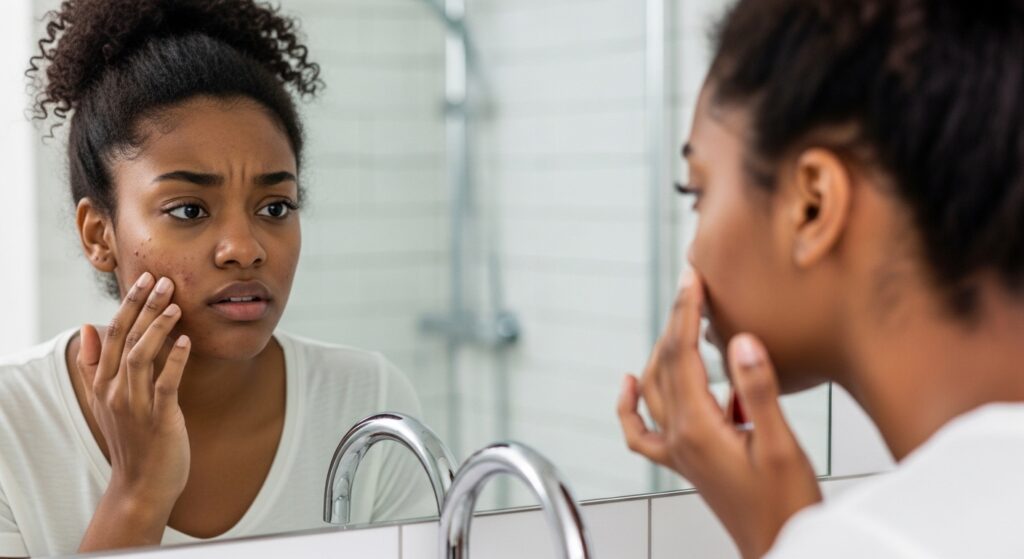
Melasma is a common skin condition that causes brown, gray-brown, or dark patches, particularly on the cheeks, forehead, nose, and upper lip. While various treatments can help improve pigmentation, finding the best dermatologist recommended melasma treatment for sensitive skin requires additional care. Sensitive skin is more vulnerable to irritation, redness, dryness, and inflammation, making aggressive pigmentation treatments potentially counterproductive.
At the heart of effective melasma management is a balanced approach that combines gentle skincare, clinically supported ingredients, sun protection, and professional dermatological guidance. We recommend treatments that target excess melanin production while protecting the skin’s natural moisture barrier.
Understanding which ingredients work, how to introduce them safely, and when to seek professional care can make a meaningful difference in achieving a brighter, more even complexion without unnecessary irritation.
Why Sensitive Skin Requires Specialized Melasma Treatment
Sensitive skin often reacts to skincare ingredients, environmental exposure, fragrances, and harsh exfoliating products. When melasma develops alongside skin sensitivity, treatment becomes more challenging because inflammation can worsen existing discoloration or trigger post-inflammatory hyperpigmentation.
Dermatologists generally recommend a gentle, consistent treatment plan that minimizes irritation while gradually reducing excess pigmentation.
The most effective approach should address three essential factors: melanin production, sun exposure, and skin barrier health. Rather than combining multiple powerful treatments immediately, we recommend introducing suitable products gradually and monitoring the skin’s response.
Common Signs of Sensitive Skin With Melasma
Individuals experiencing melasma and skin sensitivity may notice:
- Persistent brown or gray-brown facial patches.
- Burning or stinging after applying certain skincare products.
- Redness following exfoliation or active treatments.
- Dryness, tightness, or peeling.
- Darkening of pigmentation after irritation or sun exposure.
- Increased sensitivity to fragranced skincare products.
Recognizing these symptoms helps dermatologists select treatments that improve pigmentation without compromising skin comfort.
Best Dermatologist Recommended Melasma Treatments for Sensitive Skin
The most appropriate melasma treatment depends on skin type, pigmentation severity, medical history, and tolerance to active ingredients. Dermatologists may recommend gentle nonprescription products, prescription medications, or carefully selected procedures.
1. Azelaic Acid for Gentle Melasma Treatment
Azelaic acid is a widely used ingredient for treating hyperpigmentation, acne, and certain inflammatory skin conditions. It helps reduce abnormal melanin production by inhibiting tyrosinase, an enzyme involved in pigment formation.
Azelaic acid is particularly useful for individuals who cannot tolerate stronger pigmentation treatments. However, it can still cause temporary stinging, dryness, or irritation.
Dermatologists may prescribe formulations containing 15% or 20% azelaic acid, depending on the condition and individual tolerance.
Key benefits include:
- Helps fade uneven pigmentation.
- Supports a more uniform skin tone.
- May improve acne-related inflammation.
- Can be incorporated into long-term pigmentation management.
- Offers an alternative when hydroquinone is unsuitable.
We recommend introducing azelaic acid gradually, especially when the skin is already dry or reactive.
2. Niacinamide for Skin Barrier Support and Pigmentation
Niacinamide, also known as vitamin B3, is commonly recommended for sensitive skin because it supports the skin barrier and may reduce visible hyperpigmentation.
Unlike aggressive exfoliating acids, niacinamide works primarily by helping reduce the transfer of pigment-containing structures into surrounding skin cells.
It can also improve moisture retention and reduce some signs of skin irritation.
Products containing approximately 2–5% niacinamide are often a reasonable starting point for sensitive skin. Higher concentrations are not necessarily more effective and may cause irritation in some individuals.
When combined with sunscreen and an appropriate moisturizer, niacinamide can complement a dermatologist-supervised melasma treatment routine.
3. Tranexamic Acid for Stubborn Melasma
Tranexamic acid has gained attention as a treatment option for persistent melasma. Topical formulations may help reduce pigmentation through pathways associated with melanin production and inflammation.
Some individuals with sensitive skin may tolerate topical tranexamic acid, although results vary according to formulation and concentration.
Oral tranexamic acid is sometimes prescribed off-label by dermatologists for difficult-to-treat melasma. However, it is not suitable for everyone because it can increase the risk of serious complications, including blood clots.
We recommend using oral tranexamic acid only after a dermatologist evaluates personal risk factors, medication use, and relevant medical history.
4. Hydroquinone Under Dermatologist Supervision
Hydroquinone remains one of the most established topical treatments for melasma. It reduces melanin production and can significantly improve certain types of facial hyperpigmentation.
However, sensitive skin may react to hydroquinone with burning, redness, dryness, or irritation.
Dermatologists may prescribe hydroquinone alone or as part of a combination treatment. Prescription triple-combination creams typically contain hydroquinone, tretinoin, and a corticosteroid.
These combinations can be effective but may be irritating and are generally intended for limited treatment periods under medical supervision.
Prolonged or inappropriate hydroquinone use can cause complications, including exogenous ochronosis, a condition associated with persistent blue-black discoloration.
For this reason, we emphasize professional guidance rather than unsupervised use.
5. Gentle Retinoids for Skin Renewal
Retinoids encourage skin cell turnover and may help improve uneven pigmentation over time. Tretinoin is frequently incorporated into prescription melasma treatment plans.
Nevertheless, retinoids can cause dryness, peeling, and irritation, particularly during the initial stages of treatment.
Dermatologists may recommend lower-strength formulations, reduced application frequency, or alternative treatments for sensitive skin.
Retinoids are generally avoided during pregnancy, making professional assessment especially important when selecting melasma treatments.
How to Choose the Right Melasma Treatment for Sensitive Skin
Selecting an effective treatment involves more than choosing a popular brightening ingredient. We recommend evaluating the skin’s sensitivity, existing irritation, pigmentation pattern, and potential triggers before beginning treatment.
The following considerations can help guide a safer approach:
- Choose fragrance-free formulations: Avoid unnecessary fragrances and irritating additives.
- Start with one active ingredient: Introducing multiple treatments simultaneously increases the likelihood of irritation.
- Prioritize skin barrier repair: Use a gentle cleanser and moisturizer containing ingredients such as ceramides or glycerin.
- Perform a tolerance test: Apply a small amount of a new product to a limited area before broader use.
- Avoid excessive exfoliation: Frequent use of strong acids or abrasive scrubs may worsen pigmentation.
- Consult a dermatologist: Seek personalized advice for persistent, worsening, or difficult-to-treat melasma.
A gradual approach often improves treatment tolerability and supports consistent use.
Daily Skincare Routine for Melasma-Prone Sensitive Skin
A carefully structured skincare routine supports pigmentation treatment while reducing the risk of irritation. We recommend maintaining a simple routine that protects the skin barrier and complements prescribed medications.
Morning Skincare Routine
Step 1: Gentle cleansing
Use a mild, fragrance-free facial cleanser that removes impurities without stripping natural moisture.
Step 2: Apply a suitable treatment serum
Consider niacinamide or another dermatologist-approved ingredient based on individual skin tolerance.
Step 3: Moisturize thoroughly
Choose a moisturizer containing ceramides, glycerin, or hyaluronic acid to maintain hydration and reduce dryness.
Step 4: Apply broad-spectrum sunscreen
Use a broad-spectrum sunscreen with SPF 30 or higher. Tinted formulations containing iron oxides are particularly beneficial because visible light can worsen melasma, especially in darker skin tones. American Academy of Dermatology+1
Evening Skincare Routine
At night, we recommend cleansing gently, applying prescribed melasma treatment according to dermatological instructions, and finishing with a nourishing moisturizer.
Avoid combining strong exfoliating acids, retinoids, and other potentially irritating ingredients unless specifically recommended by a dermatologist.
Professional Dermatological Procedures for Sensitive Skin
When topical treatments provide insufficient improvement, dermatologists may consider professional procedures. However, individuals with sensitive skin require careful assessment because inflammation can intensify pigmentation.
Chemical Peels
Superficial chemical peels may help improve melasma by encouraging controlled skin exfoliation. However, unsuitable concentrations or aggressive techniques can cause irritation and additional discoloration.
Laser and Light-Based Treatments
Certain laser and light treatments may improve stubborn melasma when combined with appropriate skincare. Nevertheless, these procedures can sometimes worsen pigmentation, particularly in darker skin tones.
Microneedling
Microneedling is occasionally used alongside topical treatments to improve pigmentation. It should only be performed by an appropriately qualified professional after evaluating skin sensitivity and pigmentation risk.
We recommend considering procedures only after discussing expected benefits, potential complications, and alternative treatment options with a qualified dermatologist. American Academy of Dermatology+1
How Long Does Melasma Treatment Take to Show Results?
Melasma treatment requires patience and consistency. Although some individuals notice gradual improvement within several weeks, significant results often take several months.
According to the American Academy of Dermatology, visible improvement with an appropriate treatment plan may take approximately three to twelve months, depending on pigmentation severity, treatment adherence, and individual skin characteristics. American Academy of Dermatology
Melasma can also return after successful treatment, particularly when triggers such as sunlight and hormonal changes remain present.
For sustainable improvement, we emphasize long-term sun protection, gentle skincare, and periodic dermatological reassessment rather than aggressive attempts to eliminate pigmentation quickly.
Mistakes to Avoid When Treating Melasma on Sensitive Skin
Even clinically supported treatments can become problematic when used incorrectly. We recommend avoiding common skincare practices that increase inflammation and compromise treatment results.
These include excessive exfoliation, frequent product switching, prolonged unsupervised use of hydroquinone, applying several strong active ingredients simultaneously, and neglecting daily sunscreen.
Products promising instant skin whitening may contain unsuitable or undisclosed ingredients. We recommend choosing reputable formulations and seeking professional advice before using unfamiliar pigmentation treatments.
When Should You See a Dermatologist for Melasma?
Professional consultation is particularly important when pigmentation persists despite consistent skincare, spreads rapidly, or becomes associated with irritation.
A dermatologist can confirm whether the discoloration is melasma or another skin condition, evaluate contributing factors, and develop a personalized treatment plan.
We also recommend professional assessment during pregnancy, when certain medications and cosmetic procedures may be unsuitable.
FAQs about Dermatologist Recommended Melasma Treatment for Sensitive Skin
1. What Is the Best Dermatologist Recommended Melasma Treatment for Sensitive Skin?
Dermatologists often recommend azelaic acid, gentle topical treatments, and broad-spectrum sunscreen for sensitive skin. These options help reduce pigmentation while minimizing irritation.
2. Is Azelaic Acid Safe for Sensitive Skin With Melasma?
Yes. Azelaic acid is commonly recommended for melasma because it helps improve uneven skin tone. However, sensitive skin may experience mild burning, dryness, or irritation, especially during initial use.
3. Can Sensitive Skin Use Hydroquinone for Melasma?
Yes, but under dermatologist supervision. Hydroquinone can effectively reduce melasma pigmentation, although it may cause irritation. Dermatologists typically recommend controlled treatment periods.
4. What Sunscreen Is Best for Melasma and Sensitive Skin?
We recommend broad-spectrum SPF 30 or higher, preferably a tinted sunscreen containing iron oxides. These products protect against UV radiation and visible light, which can worsen melasma.
5. How Long Does Melasma Treatment Take to Show Results?
Most patients begin noticing improvements within 8–12 weeks, although results vary depending on skin sensitivity, pigmentation severity, and treatment consistency.
6. Are Chemical Peels Safe for Sensitive Skin With Melasma?
Chemical peels may help selected patients, but sensitive skin requires extra caution. Dermatologist-supervised procedures can reduce the risk of irritation and post-inflammatory hyperpigmentation.
7. Can Melasma Be Permanently Cured?
Melasma is often a chronic condition that can return. However, consistent sunscreen use, gentle skincare, and dermatologist-recommended treatments can help control pigmentation and maintain clearer-looking skin.
8. How Can We Choose the Right Melasma Treatment for Sensitive Skin?
We recommend consulting a qualified dermatologist to assess skin sensitivity, identify pigmentation triggers, and develop a personalized treatment plan that delivers results without compromising the skin barrier.
Conclusion
Finding the best dermatologist recommended melasma treatment for sensitive skin involves balancing effective pigmentation control with gentle, barrier-supporting skincare.
Ingredients such as azelaic acid, niacinamide, and topical tranexamic acid may offer useful treatment options, while prescription hydroquinone and combination therapies can provide additional benefits under professional supervision.
We recommend prioritizing daily sunscreen, fragrance-free skincare products, consistent moisturization, and individualized dermatological care.
With a carefully selected routine and realistic expectations, individuals with sensitive skin can gradually improve the appearance of melasma while minimizing irritation and protecting long-term skin health.

