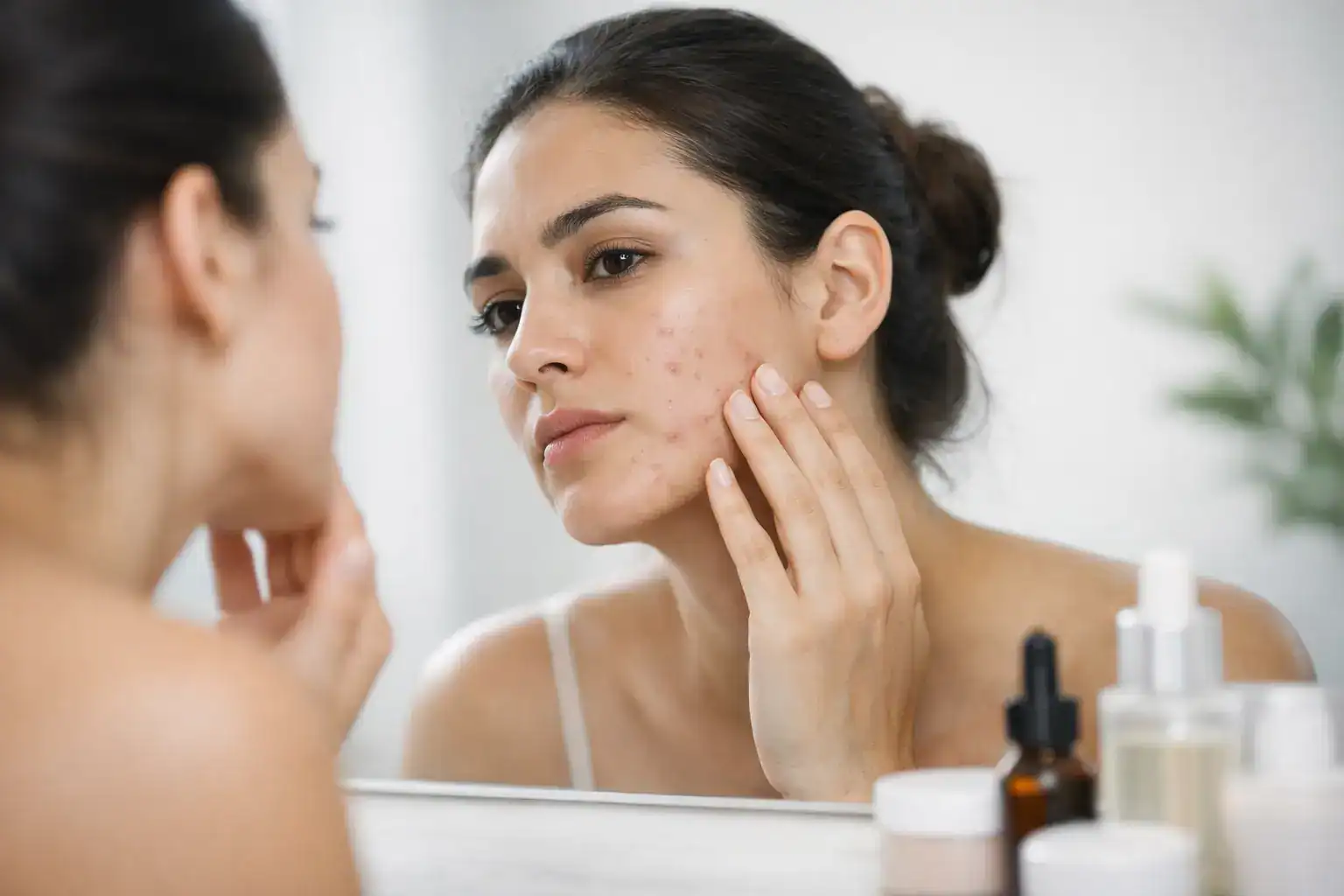
Melasma is a common skin pigmentation condition that causes dark, uneven patches on the face, particularly around the cheeks, forehead, nose, and upper lip. Although melasma can affect all skin tones, treating it in darker skin requires special attention because melanin-rich skin is more susceptible to post-inflammatory hyperpigmentation (PIH).
Understanding melasma treatment for dark skin cost and options is essential when choosing an effective skincare solution. Treatment prices vary depending on the severity of pigmentation, the type of procedure, the dermatologist’s expertise, and the number of sessions required.
We explore the most effective melasma treatment options for dark skin, their estimated costs, potential benefits, and important factors to consider before beginning treatment.
How Much Does Melasma Treatment for Dark Skin Cost?
The cost of melasma treatment for dark skin depends on whether treatment involves prescription creams, chemical peels, laser procedures, or a combination of therapies. Mild cases may respond to topical medications, while persistent pigmentation may require a longer treatment plan.
Average Cost of Melasma Treatment Options
The following are approximate private-pay price ranges in the United States. Actual prices vary by provider, location, and treatment requirements.
| Melasma Treatment | Estimated Cost |
|---|---|
| Prescription topical creams | $20–$150 per product |
| Chemical peels | $100–$400 per session |
| Laser treatments | $300–$1,000 per session |
| Microneedling | $200–$700 per session |
| Dermatologist consultation | $100–$300 per visit |
| Sunscreen and skincare products | $15–$80 per product |
These figures are general planning estimates rather than verified clinic quotations. Multiple sessions, follow-up appointments, and maintenance products can significantly increase the overall expense.
We recommend considering long-term treatment costs instead of focusing exclusively on the price of an individual procedure. Melasma is a chronic, recurring condition, meaning continued sun protection and maintenance treatment are often necessary.
Best Melasma Treatment Options for Dark Skin
Selecting the right treatment requires understanding how different procedures affect melanin production and skin sensitivity. We prioritize approaches that reduce pigmentation while minimizing irritation, inflammation, and the possibility of worsening discoloration.
1. Prescription Topical Treatments for Melasma
Prescription creams are frequently the first-line treatment for melasma, particularly in individuals with darker skin tones.
Commonly recommended ingredients include:
- Hydroquinone: Reduces excess melanin production and can gradually lighten dark patches under medical supervision.
- Azelaic acid: Helps improve uneven pigmentation and is often suitable for sensitive or acne-prone skin.
- Tretinoin: Encourages skin cell turnover and can improve pigmentation when used appropriately.
- Tranexamic acid: Available in topical formulations that may help reduce melasma-related discoloration.
- Triple-combination cream: Typically contains hydroquinone, tretinoin, and a corticosteroid for short-term treatment under a dermatologist’s guidance.
Estimated cost: $20–$150 per product, depending on formulation, brand, and insurance coverage.
We generally consider topical therapy a practical starting point because it is less invasive and often more affordable than professional procedures. However, prescription products must be used correctly, as excessive irritation can worsen pigmentation in darker skin.
2. Chemical Peels for Melasma on Dark Skin
Chemical peels help exfoliate superficial skin layers and improve uneven pigmentation. When carefully selected, superficial peels may complement topical melasma treatments.
Common options include glycolic acid, lactic acid, and mandelic acid peels.
Estimated cost: $100–$400 per session.
We recommend consulting a dermatologist experienced in treating skin of color before undergoing chemical peels. Strong or improperly administered peels may cause burns, inflammation, and prolonged hyperpigmentation.
For many patients, gentle superficial treatments offer a more appropriate approach than aggressive exfoliation.
3. Laser Treatment for Melasma in Dark Skin
Laser treatment targets pigmentation using concentrated light energy. However, laser treatment for melasma on dark skin requires caution because excessive heat or inflammation can worsen discoloration.
Certain low-energy laser approaches may be considered for resistant melasma, although recurrence and rebound pigmentation remain important concerns.
Estimated cost: $300–$1,000 per session.
We advise against choosing laser treatment solely because it promises faster results. For darker skin tones, carefully supervised topical treatment and sun protection are generally preferred before considering energy-based procedures.
4. Microneedling for Melasma Treatment
Microneedling creates controlled micro-injuries that stimulate skin repair and may improve the delivery of certain topical treatments.
Although emerging research suggests potential benefits, microneedling is not a standard first-line treatment for melasma.
Estimated cost: $200–$700 per session.
We recommend professional assessment before considering this procedure. Improper treatment depth, excessive inflammation, or unsuitable skincare products can increase the risk of post-inflammatory hyperpigmentation.
5. Oral Tranexamic Acid for Stubborn Melasma
Oral tranexamic acid is sometimes prescribed off-label for persistent melasma that has not responded adequately to conventional treatment.
It may help reduce pigmentation in selected patients, but it is not appropriate for everyone. People with a history of blood clots or certain clotting risks may be unsuitable candidates.
We recommend discussing medical history, current medications, pregnancy considerations, and potential side effects with a qualified dermatologist before considering this option.
The treatment cost varies by prescription, dosage, country, and pharmacy.
Factors That Affect the Cost of Melasma Treatment
Several factors determine the total expense of treating melasma in darker skin tones. Understanding these factors helps patients establish realistic budgets and select appropriate treatment plans.
Severity and Depth of Pigmentation
Superficial pigmentation may respond more readily to topical treatments, while deeper or mixed pigmentation can be more resistant. Patients with long-standing melasma may require extended treatment and ongoing maintenance.
Type and Number of Treatments
Prescription creams generally involve lower upfront expenses than laser procedures or repeated chemical peels. However, the overall cost depends on how frequently products must be purchased and whether additional treatments are necessary.
Dermatologist Experience and Clinic Location
Specialists with extensive experience treating darker skin tones may charge higher consultation fees. Clinic location, professional qualifications, and equipment also influence procedure pricing.
Maintenance and Follow-Up Care
Melasma often returns after successful treatment, particularly when exposure to sunlight or other triggers continues. We therefore encourage patients to account for sunscreen, maintenance products, and follow-up appointments when calculating their budgets.
Affordable Melasma Treatment for Dark Skin
Effective melasma treatment does not always require expensive cosmetic procedures. Many patients benefit from a dermatologist-supervised skincare routine focused on pigmentation control and prevention.
We recommend considering prescription topical treatments, gentle moisturizers, and daily sunscreen before investing in more invasive procedures.
A practical skincare routine may include a gentle cleanser, suitable pigmentation treatment, moisturizer, and broad-spectrum sunscreen.
For individuals with darker skin, tinted sunscreen containing iron oxides and SPF 30 or higher is particularly important because visible light can worsen melasma. American Academy of Dermatology+1
Avoiding harsh scrubs, unregulated bleaching products, and excessive exfoliation can also help prevent additional pigmentation.
How to Choose the Right Melasma Treatment for Dark Skin
Choosing an appropriate treatment involves more than comparing prices. We recommend evaluating the following considerations before beginning any procedure:
- Skin type and sensitivity: Select treatments that minimize irritation and protect the skin barrier.
- Pigmentation severity: Determine whether topical medications are sufficient or whether additional procedures may be appropriate.
- Professional experience: Choose a qualified dermatologist familiar with treating melanin-rich skin.
- Treatment safety: Discuss the possibility of irritation, rebound pigmentation, and other complications.
- Long-term affordability: Consider the costs of appointments, maintenance products, and recurring treatment.
We also recommend discussing pregnancy or breastfeeding with a dermatologist, because certain medications, including hydroquinone and retinoids, should be avoided during pregnancy. Bad.org.uk+1
How Long Does Melasma Treatment Take to Work?
Melasma treatment requires patience and consistency. Some patients notice gradual changes after several weeks, but substantial improvement often takes several months.
According to the American Academy of Dermatology, visible treatment results commonly take three to twelve months, depending on the individual and the condition’s severity. American Academy of Dermatology
We emphasize that successful melasma management focuses on gradual improvement rather than aggressive skin lightening. Maintaining a gentle skincare routine and using sunscreen consistently can help preserve treatment results.
Can Melasma Be Permanently Removed from Dark Skin?
Melasma can often be improved significantly, but permanent clearance cannot be guaranteed. Hormonal changes, ultraviolet exposure, visible light, and other triggers may cause pigmentation to return.
We recommend approaching treatment as a long-term skincare strategy rather than a one-time cosmetic procedure.
Regular sun protection, appropriate maintenance treatments, and dermatologist follow-up can help control discoloration and reduce the likelihood of recurrence.
FAQs about Melasma Treatment for Dark Skin: Cost and Options
1. What Is the Best Melasma Treatment for Dark Skin?
The best melasma treatment for dark skin often includes topical treatments such as azelaic acid, hydroquinone, and prescription retinoids. Dermatologists may recommend combination therapies based on skin type and pigmentation severity.
2. How Much Does Melasma Treatment for Dark Skin Cost?
The cost of melasma treatment varies depending on the treatment method, clinic location, and number of sessions required. Prescription creams typically cost less than professional procedures such as chemical peels and laser treatments.
3. Is Laser Treatment Safe for Melasma on Dark Skin?
Laser treatment can help certain patients, but darker skin tones have a higher risk of post-inflammatory hyperpigmentation. We recommend consulting an experienced dermatologist before considering laser procedures.
4. Can Melasma Be Treated Permanently?
Melasma is a chronic pigmentation condition that can improve significantly with treatment. However, recurrence is common, especially with sun exposure and hormonal changes. Consistent skincare and sun protection help maintain results.
5. What Is the Most Affordable Melasma Treatment?
Topical treatments and daily sunscreen are generally the most affordable starting options. Azelaic acid and dermatologist-prescribed creams can help reduce pigmentation without requiring expensive procedures.
6. How Long Does Melasma Treatment Take to Work?
Most patients begin noticing improvements within 8–12 weeks, although deeper pigmentation may require several months of consistent treatment.
7. How Can We Prevent Melasma From Returning?
We recommend daily broad-spectrum SPF 50+ sunscreen, preferably tinted with iron oxides, gentle skincare, and ongoing dermatologist-guided maintenance treatments.
Conclusion
Understanding melasma treatment for dark skin cost and options makes it easier to choose an effective, safe, and affordable approach to pigmentation management.
While prescription creams and proper sun protection are often suitable starting points, chemical peels, microneedling, and carefully selected laser procedures may be considered for persistent cases.
We recommend prioritizing dermatologist-recommended melasma treatments for dark skin, consistent skincare, and long-term pigmentation prevention. With an individualized treatment plan, patients can achieve a more even-looking complexion while minimizing the risk of additional discoloration.

