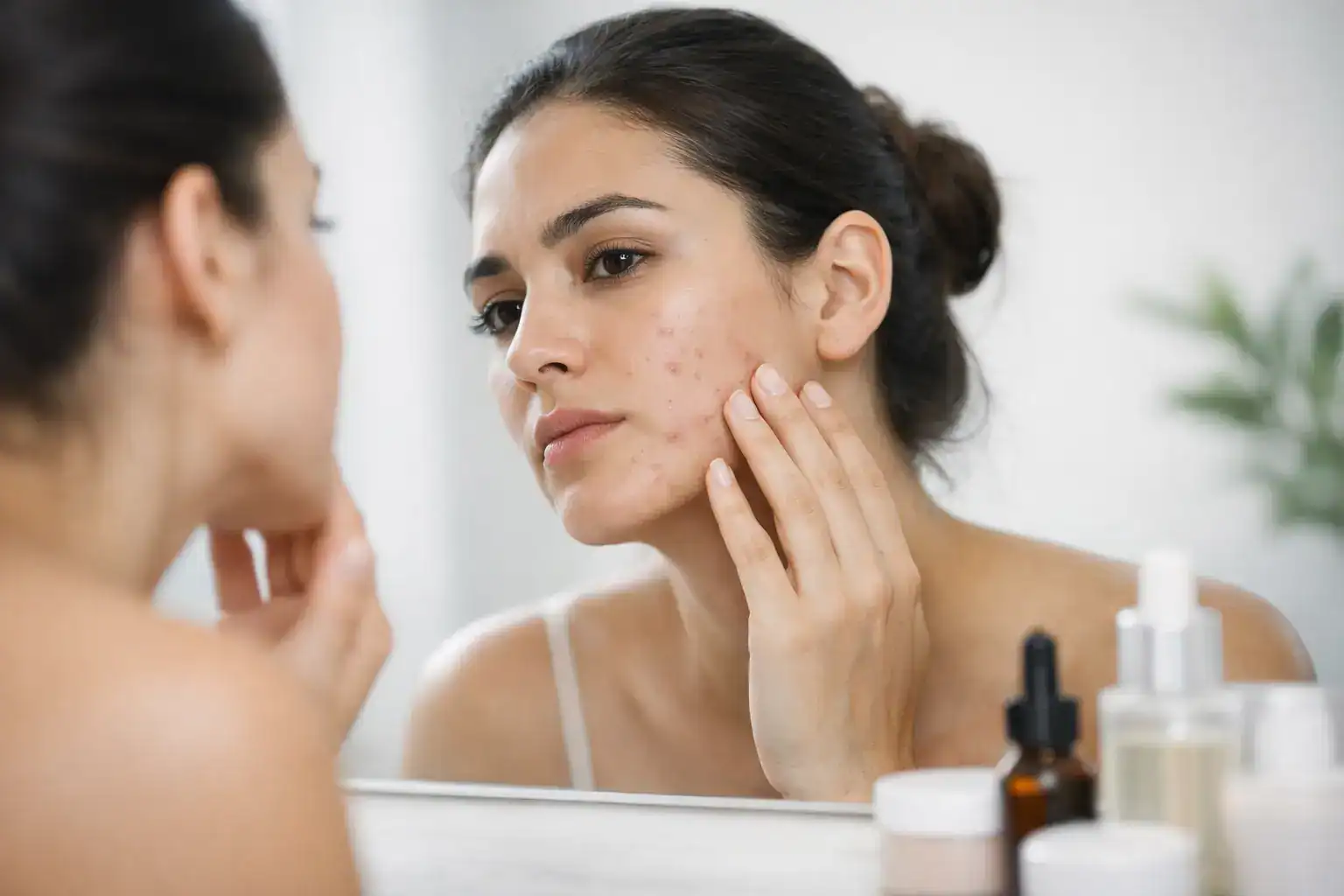
Uneven skin tone is a common skincare concern that can affect your complexion, confidence, and overall skin appearance. Whether you are dealing with dark spots, hyperpigmentation, acne scars, sun damage, or discoloration, choosing the right uneven skin tone treatment is essential for achieving a smoother, more balanced complexion.
With numerous skincare products and professional treatments available, finding the most effective solution can feel overwhelming. At our skincare practice, we believe that successful treatment begins with understanding your skin type, identifying the causes of discoloration, and choosing solutions that address your specific concerns.
In this guide, we explain how to choose uneven skin tone treatment, explore effective treatment options, and highlight important factors to consider before beginning your skincare journey.
What Is Uneven Skin Tone?
Uneven skin tone occurs when certain areas of the skin appear darker or lighter than the surrounding complexion. It often develops due to irregular melanin production, inflammation, hormonal changes, or environmental exposure.
Melanin is the natural pigment responsible for skin color. When the skin produces excessive melanin in specific areas, it can result in hyperpigmentation, dark patches, and visible discoloration.
Common signs of uneven skin tone include:
- Dark spots: Localized areas of increased pigmentation caused by sun exposure, acne, or inflammation.
- Hyperpigmentation: Darkened patches that may develop on the face, neck, hands, or other body areas.
- Melasma: Brown or gray-brown patches commonly associated with hormonal changes and sunlight.
- Post-inflammatory hyperpigmentation: Dark marks left behind after acne, irritation, or skin injuries.
- Sunspots: Pigmented areas caused by prolonged ultraviolet exposure.
Understanding these conditions helps us recommend a more targeted and effective approach to skin tone correction.
How to Choose the Best Uneven Skin Tone Treatment
Selecting the best treatment for uneven skin tone requires careful consideration of your skin’s condition, sensitivity, and treatment goals. Not every skincare solution works equally well for everyone.
1. Identify the Cause of Your Uneven Skin Tone
Before selecting a treatment, we recommend determining what is causing your skin discoloration.
For example, dark spots caused by acne may respond well to topical brightening ingredients, while melasma often requires a more comprehensive treatment plan involving sun protection, prescription products, and professional guidance.
Sun-induced pigmentation may improve with certain exfoliating treatments, while discoloration caused by irritation requires gentle skincare that supports the skin barrier.
By identifying the underlying cause, we can avoid unnecessary treatments and select solutions that address the actual problem.
2. Understand Your Skin Type
Your skin type plays an important role in determining which uneven skin tone treatment will be suitable.
Oily skin may benefit from lightweight formulations containing niacinamide or salicylic acid, particularly when acne contributes to discoloration.
Dry skin generally requires hydrating products with ceramides, glycerin, and carefully selected brightening ingredients.
Sensitive skin may respond better to gentle formulations, such as low-strength niacinamide or azelaic acid, introduced gradually.
Combination skin may require a balanced routine that addresses pigmentation without causing excessive dryness or oiliness.
We recommend choosing treatments that improve pigmentation while maintaining a healthy skin barrier.
3. Look for Effective Skin-Brightening Ingredients
The ingredients in your skincare products can significantly influence treatment results.
Some of the most widely used ingredients for improving uneven skin tone include:
- Vitamin C: An antioxidant that can help improve the appearance of dark spots and support a brighter-looking complexion.
- Niacinamide: Helps reduce visible pigmentation while supporting the skin’s protective barrier.
- Azelaic acid: Useful for certain forms of hyperpigmentation, acne-related discoloration, and redness.
- Retinoids: Encourage skin cell turnover and can gradually improve pigmentation and skin texture.
- Alpha hydroxy acids (AHAs): Exfoliating ingredients that help remove accumulated dead skin cells and improve surface discoloration.
- Tranexamic acid: A pigment-targeting ingredient used in some topical formulations, particularly for melasma.
- Kojic acid: May help reduce excessive pigment production and improve the appearance of dark marks.
We recommend introducing active ingredients gradually rather than combining several strong treatments at once. Excessive exfoliation or irritation can worsen pigmentation, particularly in darker skin tones.
4. Consider Professional Uneven Skin Tone Treatments
When topical skincare products do not deliver sufficient improvement, professional treatments may offer additional benefits.
A qualified dermatologist can evaluate the type and depth of pigmentation before recommending an appropriate procedure.
Common professional options include:
Chemical peels: These treatments use carefully selected acids to exfoliate the skin and improve certain types of pigmentation. The strength and formulation should match your skin type and condition.
Laser treatments: Selected laser technologies target pigmentation and may improve dark spots. However, some lasers carry a higher risk of worsening discoloration, particularly in darker skin tones.
Microneedling: This procedure may help improve skin texture and certain pigmentation concerns when performed appropriately. It is not suitable for every pigmentation condition.
Prescription topical treatments: Dermatologists may recommend medications containing ingredients such as hydroquinone, retinoids, or combination formulations for specific conditions.
Professional treatments should be selected carefully, especially for individuals with melasma or a history of post-inflammatory hyperpigmentation.
5. Choose a Treatment Based on Your Budget
The cost of uneven skin tone treatment varies depending on the products, procedures, and number of sessions required.
Over-the-counter products may offer an affordable starting point for mild pigmentation concerns.
Prescription skincare can provide more targeted treatment when recommended by a qualified healthcare professional.
Professional procedures may involve higher initial costs, additional sessions, and maintenance appointments.
We encourage comparing the total treatment cost, rather than focusing only on the price of a single product or procedure. A suitable treatment plan should balance effectiveness, affordability, and skin safety.
6. Evaluate Treatment Safety and Possible Side Effects
Safety should remain a priority when choosing any treatment for uneven skin tone.
Some active ingredients and professional procedures can cause dryness, redness, peeling, or increased skin sensitivity.
Aggressive treatments may also trigger post-inflammatory hyperpigmentation, especially in people with medium to deep skin tones.
We recommend avoiding unregulated skin-lightening creams, unknown bleaching mixtures, and products containing undisclosed ingredients.
Before beginning an intensive treatment, consider consulting a dermatologist who understands pigmentation concerns across different skin tones.
Best Uneven Skin Tone Treatments for Different Skin Concerns
Different types of pigmentation may require different treatment approaches.
| Skin concern | Potential treatment options |
|---|---|
| Acne-related dark spots | Azelaic acid, niacinamide, retinoids |
| Sunspots | Sunscreen, topical retinoids, selected professional procedures |
| Melasma | Broad-spectrum sunscreen, pigment-targeting prescriptions, dermatologist-guided care |
| Mild surface discoloration | Vitamin C, gentle AHAs, niacinamide |
| Sensitive skin with dark spots | Gentle skincare, barrier-supporting moisturizers, carefully introduced azelaic acid |
| Stubborn hyperpigmentation | Prescription treatments or carefully selected professional procedures |
We emphasize that these are general treatment options rather than guaranteed solutions. The most effective choice depends on the specific diagnosis, skin tone, medical history, and individual response.
How to Build an Effective Skincare Routine for Uneven Skin Tone
A consistent daily skincare routine can support treatment results and help prevent new discoloration.
Morning Skincare Routine
We recommend beginning with a gentle cleanser that removes excess oil and impurities without stripping the skin.
Next, apply a suitable brightening product, such as a vitamin C or niacinamide serum, followed by a moisturizer.
Finish with a broad-spectrum sunscreen with SPF 30 or higher.
Sunscreen is especially important because ultraviolet radiation can worsen existing pigmentation and reduce the effectiveness of other treatments. For melasma, a tinted sunscreen containing iron oxides may offer additional protection against visible light.
Evening Skincare Routine
In the evening, cleanse your skin thoroughly to remove sunscreen, makeup, and environmental impurities.
Apply your selected pigmentation treatment according to the product instructions or your dermatologist’s recommendations.
Follow with a moisturizer to help maintain skin hydration and minimize irritation.
We advise against using multiple exfoliating acids and retinoids together without professional guidance, as this may compromise the skin barrier.
Common Mistakes to Avoid When Treating Uneven Skin Tone
Even effective skincare products can produce disappointing results when used incorrectly.
Some common mistakes include:
- Skipping sunscreen: Without adequate sun protection, pigmentation may persist or worsen.
- Changing products too frequently: Most pigmentation treatments require consistent use before noticeable improvement occurs.
- Using harsh exfoliants: Excessive exfoliation can lead to irritation and additional dark spots.
- Ignoring skin sensitivity: Burning, persistent redness, or peeling may indicate that a product is unsuitable.
- Expecting immediate results: Pigmentation generally improves gradually rather than overnight.
- Using unsafe bleaching products: Unregulated products can cause serious and sometimes lasting skin damage.
We recommend maintaining a simple, consistent routine and adjusting treatment based on your skin’s response.
How Long Does Uneven Skin Tone Treatment Take to Work?
The time required to improve uneven skin tone depends on the severity of pigmentation, its underlying cause, and the treatment selected.
Mild discoloration may begin to improve within four to eight weeks of consistent treatment.
More noticeable hyperpigmentation may require several months of targeted skincare.
Conditions such as melasma can be persistent and may require ongoing maintenance to manage recurrence.
Professional procedures may produce visible improvements over a series of sessions, although results vary.
We encourage realistic expectations and recommend monitoring progress with photographs taken under consistent lighting.
When Should You See a Dermatologist for Uneven Skin Tone?
Although many mild pigmentation concerns can be managed with appropriate skincare, some conditions require professional evaluation.
We recommend seeking dermatological advice when discoloration appears suddenly, spreads rapidly, becomes painful, or does not improve with suitable skincare.
A dermatologist can also help distinguish ordinary hyperpigmentation from other skin conditions that may require medical attention.
Any new or changing pigmented lesion, especially one with irregular borders, multiple colors, or bleeding, should be assessed rather than treated with cosmetic brightening products.
Professional guidance is particularly valuable when considering chemical peels, laser procedures, or prescription-strength pigmentation treatments.
How to Maintain an Even Skin Tone After Treatment
Achieving a more balanced complexion is only one part of successful pigmentation management. Maintaining results requires consistent skincare and prevention.
We recommend continuing daily sun protection, using gentle cleansers, and keeping the skin adequately moisturized.
Avoid picking acne lesions or scratching irritated skin, as these habits can cause additional dark marks.
When necessary, maintenance products containing niacinamide, vitamin C, azelaic acid, or other suitable ingredients may help preserve improvements.
Regular dermatological consultations can also help identify recurring pigmentation and support appropriate adjustments to your skincare routine.
FAQs about How to Choose Uneven Skin Tone Treatment
1. How do I choose the best treatment for uneven skin tone?
Choosing the best uneven skin tone treatment depends on your skin type, pigmentation concerns, sensitivity, and budget. Consult a qualified dermatologist to identify the underlying cause and recommend suitable treatments.
2. What is the most effective treatment for uneven skin tone?
Effective treatments include chemical peels, laser therapy, topical retinoids, vitamin C, and niacinamide. The best option depends on whether your uneven skin tone results from sun damage, acne scars, melasma, or hyperpigmentation.
3. How do I know which uneven skin tone treatment suits my skin?
Consider your skin type, sensitivity, and pigmentation severity. A professional skin assessment can help determine whether skincare products or clinical treatments are appropriate.
4. Are affordable uneven skin tone treatments effective?
Yes. Affordable options such as azelaic acid, niacinamide, vitamin C serums, and daily sunscreen can improve uneven skin tone with consistent use. Results vary depending on the cause and severity of pigmentation.
5. How long does uneven skin tone treatment take to work?
Most topical treatments require 6–12 weeks before noticeable improvements appear. Stubborn pigmentation may take several months, depending on treatment consistency and skin condition.
6. Can uneven skin tone treatments damage sensitive skin?
Some treatments, particularly strong chemical peels and certain laser procedures, may cause irritation or worsen pigmentation if unsuitable for your skin. Professional guidance helps minimize these risks.
7. What should I look for when choosing a skin treatment clinic?
Choose a clinic with qualified dermatologists, transparent pricing, positive patient reviews, and personalized treatment plans. Ask about potential side effects, recovery time, and expected results.
8. Is sunscreen necessary during uneven skin tone treatment?
Absolutely. Daily broad-spectrum SPF 30 or higher sunscreen helps prevent further pigmentation and protects treatment results.
Conclusion
From vitamin C serums and niacinamide to prescription treatments and professional procedures, different options can help improve pigmentation when used appropriately.
We believe the best approach combines targeted treatment, consistent skincare, daily sun protection, and professional guidance when needed.
By choosing products carefully, avoiding harsh treatments, and maintaining realistic expectations, you can work toward healthier-looking skin and a more even complexion.

