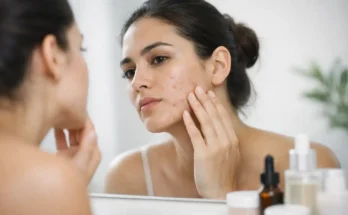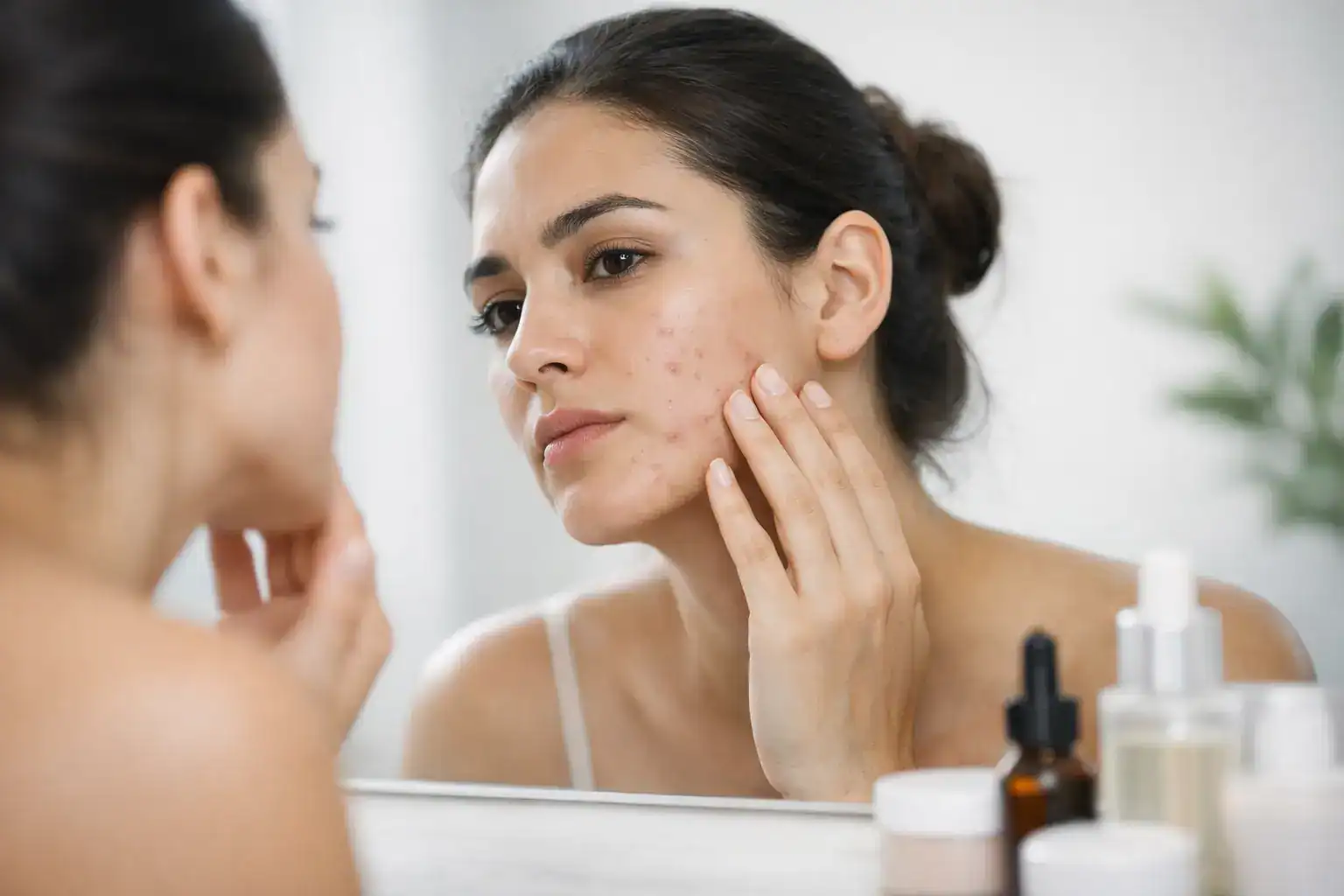
Recurring acne can be frustrating, especially when breakouts return shortly after the skin begins to clear. Finding affordable acne treatment for recurring breakouts near me can make it easier to control active acne, prevent new blemishes, reduce inflammation, and protect the skin from long-term concerns such as dark spots and scarring.
We believe effective acne care should focus on more than temporarily drying out pimples. A successful treatment plan considers the type of acne, possible triggers, skin sensitivity, current skincare products, lifestyle factors, and whether professional treatment may be necessary. With the right combination of consistent skincare and appropriate medical care, many recurring breakouts can be managed effectively without relying on unnecessarily complicated routines.
Why Recurring Acne Breakouts Keep Coming Back
Recurring acne develops when pores repeatedly become blocked with oil, dead skin cells, bacteria, and inflammation. Even after visible pimples disappear, the underlying factors responsible for acne may still be present.
Some common factors associated with repeated breakouts include:
- Excessive oil production
- Hormonal fluctuations
- Clogged pores
- Acne-causing bacteria
- Stress
- Certain cosmetic or hair products
- Inconsistent skincare
- Friction from clothing, helmets, masks, or sports equipment
- Certain medications
- Picking or squeezing blemishes
The location and appearance of breakouts can also provide useful information. For example, persistent blackheads and whiteheads require a different approach from deep, painful cysts.
When acne continuously returns despite regular skincare, we recommend considering a professional skin evaluation rather than repeatedly changing products without understanding the underlying problem.
Affordable Acne Treatment Options for Recurring Breakouts
Affordable acne treatment does not necessarily require an extensive collection of skincare products. A simple, consistent routine containing proven acne-fighting ingredients may be more effective than frequently switching between expensive treatments.
1. Benzoyl Peroxide
Benzoyl peroxide is commonly used for inflammatory acne, including red pimples and pustules. It reduces acne-associated bacteria and can help decrease inflammation.
It is available in cleansers, gels, creams, and leave-on treatments.
Because stronger formulas may increase dryness and irritation, starting with a lower concentration may be appropriate for sensitive skin. Benzoyl peroxide can also bleach towels, pillowcases, and clothing, so care should be taken during application.
2. Salicylic Acid
Salicylic acid is a beta-hydroxy acid commonly included in acne cleansers and leave-on treatments. It helps remove excess dead skin cells and reduce clogged pores.
It may be especially useful for:
- Blackheads
- Whiteheads
- Oily skin
- Mild recurring acne
- Congested pores
Regular use may help keep pores clearer and reduce the frequency of future breakouts.
3. Topical Retinoids
Topical retinoids are frequently used for recurring acne because they help normalize skin-cell turnover and prevent pores from becoming blocked.
Over-the-counter adapalene is one common option in some countries, while other retinoids may require a prescription.
Retinoids may initially cause dryness, peeling, or irritation. Gradual introduction, moisturizer, and daily sunscreen can improve tolerability.
Pregnant individuals or those trying to become pregnant should consult a qualified healthcare professional before using retinoid medications.
4. Azelaic Acid
Azelaic acid can be helpful for acne-prone skin, particularly when breakouts occur alongside uneven skin tone or post-acne marks.
It may help:
- Reduce inflammation
- Keep pores clearer
- Improve acne
- Reduce the appearance of post-inflammatory discoloration
It is often considered when someone needs an acne treatment that can address both active breakouts and the marks left behind.
What to Look for in Affordable Acne Treatment Near You
When searching for affordable acne treatment for recurring breakouts near me, price should not be the only consideration. The goal should be finding appropriate care that prevents unnecessary spending on treatments unlikely to work for your acne type.
Important Features of a Good Acne Treatment Provider
Consider providers that offer:
- Proper assessment before recommending treatment
- Clear explanations of treatment options
- Transparent consultation and procedure costs
- Personalized skincare recommendations
- Follow-up appointments when necessary
- Treatment for different acne severity levels
- Guidance for preventing acne scars and discoloration
A dermatologist, primary care clinician, or other appropriately qualified healthcare professional can help determine whether over-the-counter products are sufficient or prescription treatment would be more suitable.
A Simple Affordable Skincare Routine for Recurring Acne
Using numerous active ingredients simultaneously can irritate the skin and make breakouts appear worse. We generally favor a simple routine that can be followed consistently.
Morning Routine
A practical morning routine may include:
- Gentle cleanser to remove oil and impurities.
- Acne treatment recommended for your skin type.
- Non-comedogenic moisturizer to support the skin barrier.
- Broad-spectrum sunscreen to protect the skin and prevent acne marks from becoming more noticeable.
Evening Routine
A nighttime routine may include:
- Gentle cleansing.
- A suitable acne treatment such as salicylic acid, benzoyl peroxide, azelaic acid, or a recommended retinoid.
- A lightweight moisturizer.
Not every ingredient should necessarily be used together. Introducing products gradually can make it easier to identify irritation and determine which treatments your skin tolerates.
How to Reduce the Cost of Recurring Acne Treatment
Managing acne does not have to involve premium skincare brands or frequent cosmetic procedures.
Ways to Keep Acne Treatment Affordable
We recommend focusing spending on treatments that address the underlying acne rather than constantly purchasing products based on advertising trends.
Cost-saving strategies may include:
- Choosing products based on active ingredients rather than brand names
- Keeping the routine simple
- Avoiding unnecessary scrubs and masks
- Purchasing one treatment at a time
- Choosing non-comedogenic moisturizers
- Using products consistently before changing routines
- Discussing generic prescription options with a healthcare professional
- Asking clinics about consultation and follow-up fees before booking
Sometimes professional treatment can actually reduce long-term spending by preventing months of ineffective product experimentation.
Professional Treatments for Persistent Acne
Moderate or severe recurring acne may require professional treatment, particularly when acne becomes painful, causes scarring, or does not improve with appropriate over-the-counter care.
A healthcare professional may recommend treatments such as:
Prescription Topical Treatments
Prescription medications may include stronger retinoids, antimicrobial treatments, or combinations designed to target several acne-causing factors simultaneously.
Oral Antibiotics
Oral antibiotics may sometimes be prescribed for moderate to severe inflammatory acne. Because antibiotic resistance is a concern, they are generally used for limited periods and often alongside topical treatments such as benzoyl peroxide.
Hormonal Acne Treatment
For appropriate patients, hormonal treatments may be considered when acne is influenced by hormonal activity.
Treatment should always be individualized because hormonal therapies are not appropriate for everyone.
Isotretinoin
For severe, persistent, scarring, or treatment-resistant acne, a dermatologist may consider isotretinoin.
This medication requires medical supervision because it has important precautions, potential adverse effects, laboratory monitoring considerations, and strict pregnancy-prevention requirements.
Treatment for Dark Spots After Recurring Acne
Recurring acne often leaves post-inflammatory hyperpigmentation, particularly in people with medium to deeper skin tones.
Controlling new acne is usually the first priority because continuous breakouts create continuous discoloration.
Ingredients commonly used to improve uneven pigmentation may include:
- Azelaic acid
- Retinoids
- Niacinamide
- Certain exfoliating acids
- Sunscreen
Daily sun protection is particularly important because ultraviolet exposure can make post-acne marks more noticeable and slow their improvement.
Common Mistakes That Can Make Recurring Acne Worse
Even effective treatments may provide disappointing results when everyday habits repeatedly irritate the skin.
Avoid These Acne-Care Mistakes
We recommend avoiding:
- Scrubbing acne aggressively
- Picking or squeezing pimples
- Applying several harsh active ingredients at once
- Frequently changing skincare products
- Sleeping in makeup
- Using heavy pore-clogging cosmetics
- Applying irritating home remedies
- Over-cleansing the face
- Stopping treatment immediately after the skin improves
Acne prevention generally requires ongoing maintenance rather than treating individual pimples only after they appear.
When Should You See a Dermatologist for Recurring Acne?
Professional evaluation becomes especially important when acne is painful, persistent, widespread, scarring, or affecting emotional wellbeing.
You should also consider professional care when:
- Breakouts continue despite consistent over-the-counter treatment
- Deep nodules or cysts develop
- Acne leaves permanent scars
- Dark marks are becoming extensive
- Breakouts suddenly become significantly worse
- You suspect medication or hormonal changes may be contributing
- Acne occurs alongside other concerning symptoms
Earlier intervention may help prevent severe inflammation, permanent scarring, and repeated attempts with unsuitable products.
How Long Does Acne Treatment Take to Work?
Acne usually does not disappear after several days of treatment. Many treatments require consistent use for several weeks before meaningful improvement becomes noticeable.
Some people experience temporary dryness or irritation while their skin adjusts to a new treatment.
Instead of repeatedly changing products, we recommend following the treatment plan consistently unless irritation becomes significant or a healthcare professional advises otherwise.
Long-term acne control usually involves both clearing existing breakouts and preventing new ones from forming.
Choosing the Best Affordable Acne Treatment for Recurring Breakouts
There is no single acne treatment that works equally well for everyone.
The most appropriate treatment depends on factors such as:
- Acne severity
- Type of lesions
- Skin type
- Skin sensitivity
- Presence of dark spots or scars
- Previous treatments
- Current medications
- Pregnancy status
- Other medical considerations
Someone with mostly blackheads may benefit from a different approach than someone experiencing painful cystic acne.
This is why personalized treatment can be particularly valuable when breakouts continue returning.
Finding Affordable Acne Treatment for Recurring Breakouts Near Me
When searching online for affordable acne treatment for recurring breakouts near me, consider looking beyond promotional claims. Review the provider’s credentials, available acne services, consultation process, treatment approach, and whether ongoing follow-up is available.
Before booking an appointment, useful questions may include:
- What does the consultation include?
- Are treatment prices provided before procedures?
- Are prescription options available when appropriate?
- Does the clinic treat acne scars and pigmentation?
- Are follow-up consultations required?
- Are affordable or generic medication alternatives available?
Knowing these details beforehand can make it easier to compare local treatment options based on both affordability and quality of care.
FAQs about Affordable Acne Treatment for Recurring Breakouts Near Me
1. Where can I find affordable acne treatment for recurring breakouts near me?
You can search for dermatology clinics, acne specialists, primary care providers, and teledermatology services that offer reasonably priced consultations and personalized treatment plans.
2. What causes acne to keep coming back?
Recurring breakouts may be linked to hormonal changes, excess oil production, clogged pores, bacteria, stress, certain skincare products, medications, or lifestyle factors.
3. What affordable treatments are available for recurring acne?
Common options may include benzoyl peroxide, salicylic acid, topical retinoids, azelaic acid, prescription creams, and oral medications when appropriate.
4. Should I see a dermatologist for recurring breakouts?
Yes. If acne repeatedly returns, becomes painful, causes scarring, or does not respond to over-the-counter products, a dermatologist can help identify contributing factors and recommend suitable treatment.
5. How much does acne treatment cost?
The cost varies depending on the provider, severity of acne, medications, laboratory tests, and procedures required. Asking clinics about consultation fees, generic medications, payment options, and insurance coverage can help reduce costs.
6. Can affordable acne treatment prevent future breakouts?
A consistent treatment and maintenance routine can help reduce new breakouts and control recurring acne, although results vary between individuals.
7. How do I choose an acne treatment provider near me?
Look for a qualified dermatologist or licensed healthcare professional experienced in treating recurring acne. Consider treatment costs, accessibility, patient reviews, and whether personalized follow-up care is available.
Conclusion
We recommend beginning with a gentle skincare routine, avoiding pore-clogging products, introducing proven acne treatments carefully, and giving the routine sufficient time to work.
For persistent, painful, scarring, or treatment-resistant acne, professional assessment can help identify stronger treatment options and reduce the risk of long-term skin damage.
The best affordable acne treatment for recurring breakouts near you should address both existing blemishes and the factors contributing to future breakouts. With an appropriate treatment plan, consistent skincare, and professional guidance when necessary, clearer and healthier-looking skin can become a realistic long-term goal.