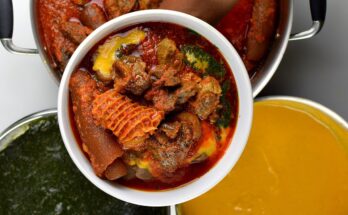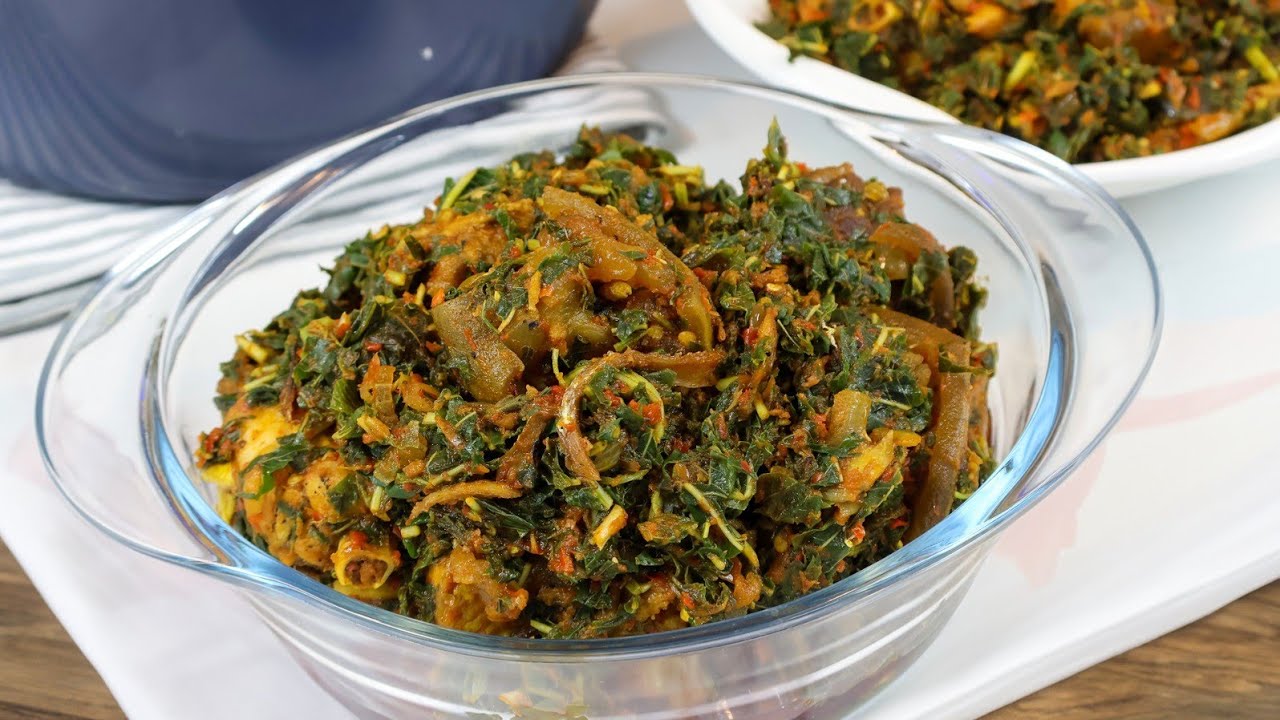
Nigerian vegetable soup is a rich, colourful, and deeply satisfying dish prepared with fresh leafy vegetables, assorted meats, fish, palm oil, peppers, and traditional seasonings. It is one of the most versatile soups in Nigerian cuisine because we can prepare it with different vegetables and proteins while still achieving a delicious, full-bodied result.
When we want a Nigerian vegetable soup recipe that combines freshness, flavour, and a satisfying texture, the quality of our vegetables and the balance of our ingredients matter greatly. Fresh ugu, also known as fluted pumpkin leaves, is particularly popular because it gives the soup its characteristic green colour and slightly earthy flavour.
This soup pairs beautifully with pounded yam, eba, fufu, semovita, wheat, amala, and other Nigerian swallows. It can also be enjoyed with white rice, boiled yam, or plantain.
What Is Nigerian Vegetable Soup?
Nigerian vegetable soup is a savoury soup made primarily with fresh leafy vegetables cooked in a seasoned mixture of meat stock, palm oil, peppers, fish, and other traditional ingredients.
There is no single method used throughout Nigeria. Different regions and households have their preferred combinations. Some versions contain mostly ugu leaves, while others combine ugu with waterleaf, spinach, or other local vegetables.
What makes a good vegetable soup stand out is its balance. We want enough stock to distribute the flavours without making the soup watery, enough palm oil to create richness without overpowering the vegetables, and enough protein to make every serving satisfying.
Ingredients for Nigerian Vegetable Soup
Before cooking, we prepare and measure our ingredients so that the process remains straightforward.
- 4 cups fresh ugu leaves, washed and sliced
- 3 cups waterleaf or fresh spinach, washed and chopped
- 500 g assorted meat, such as beef, goat meat, tripe, or cow skin
- 1 medium smoked fish, cleaned and deboned
- 1 medium stockfish, soaked and cleaned
- ½ cup palm oil
- 2–3 fresh peppers, blended or chopped
- 1 medium onion, chopped
- 2 tablespoons ground crayfish
- 1–2 seasoning cubes, according to taste
- Salt, according to taste
- 1 cup meat stock, or as required
- Periwinkle, optional
These ingredients can be adjusted according to the quantity of soup we want to prepare. We can also combine several types of meat and fish to create a richer traditional flavour.
How to Make Nigerian Vegetable Soup Step by Step
Step 1: Prepare the Vegetables
We begin by carefully picking the fresh vegetables and removing damaged leaves and tough stalks. We wash the leaves thoroughly with clean water to remove sand and dirt.
After washing, we allow the vegetables to drain properly before slicing them. Removing excess water is important because freshly washed vegetables can release additional liquid into the soup.
If we are combining ugu and waterleaf, we keep them separate after slicing because they may be added at different stages of cooking.
Step 2: Wash and Season the Meat
We wash the assorted meat thoroughly and transfer it into a clean cooking pot. We add chopped onions, seasoning, salt, and a small quantity of water.
We then cover the pot and allow the meat to cook until tender. Tougher meats such as cow skin and tripe may require more cooking time than ordinary beef.
The liquid produced during this stage becomes our meat stock, so we avoid adding excessive water. A concentrated stock gives Nigerian vegetable soup a much deeper flavour.
Step 3: Prepare the Fish and Stockfish
While the meat cooks, we clean the smoked fish carefully. We remove the bones, unwanted skin, and any dirt before breaking the fish into suitable pieces.
If we are using stockfish, we soak and clean it thoroughly before cooking. Tough stockfish can be added to the meat while it is cooking so that it softens properly.
Using both smoked fish and stockfish creates layers of flavour that complement the fresh vegetables.
Step 4: Build the Soup Base
Once the meat is tender, we check the quantity of stock remaining in the pot. There should be enough liquid to combine the ingredients, but the soup should not become excessively watery.
We add the palm oil and allow it to blend with the stock. Next, we add the ground crayfish, pepper, smoked fish, and any remaining stockfish.
We stir gently and allow the mixture to cook for several minutes so that the meat, fish, palm oil, pepper, and crayfish can combine into a flavourful base.
Step 5: Add Waterleaf or Spinach
If we are using waterleaf, we add it before the ugu because waterleaf releases moisture as it cooks.
We stir the waterleaf into the soup and cook briefly. There is usually no need to add more water at this point because the vegetables will naturally release some liquid.
When using spinach instead, we follow a similar method but monitor the amount of liquid closely.
Step 6: Add the Ugu Leaves
We add the sliced ugu leaves towards the end of cooking. This helps preserve their bright colour, fresh flavour, and pleasant texture.
After adding the ugu, we stir everything together carefully until the vegetables are evenly distributed throughout the soup.
We cook for only a few additional minutes. Overcooking leafy vegetables can cause them to lose their vibrant colour and fresh taste.
Step 7: Taste and Adjust the Seasoning
Before removing the soup from the heat, we taste it carefully. If necessary, we add a little salt, pepper, crayfish, or seasoning.
We avoid adding too much seasoning at once because the meat stock, smoked fish, stockfish, and crayfish already contribute significant savoury flavour.
Once the taste and consistency are right, we remove the pot from the heat.
How to Get the Best Texture and Flavour
One of the secrets to making delicious Nigerian vegetable soup is controlling the amount of liquid. Vegetable soup should be moist and rich, but it should not resemble a thin broth.
We therefore use meat stock carefully and remember that ingredients such as waterleaf naturally release water.
Fresh vegetables also make a noticeable difference. Ugu leaves that are fresh, crisp, and deeply green usually produce better flavour and appearance than leaves that have started wilting.
Another important factor is cooking time. Once the vegetables enter the pot, prolonged cooking is unnecessary. Brief cooking preserves their colour and prevents the soup from becoming overly soft.
Best Meat and Fish for Nigerian Vegetable Soup
We can customize this vegetable soup according to our preferred proteins. Beef provides a familiar meaty flavour, while goat meat creates a stronger and more distinctive taste.
For a more traditional assorted-meat version, we can combine beef with tripe, cow skin, goat meat, and other cuts.
Smoked fish contributes a pleasant smoky aroma, while stockfish introduces another layer of traditional Nigerian flavour. Crayfish further strengthens the seafood character of the soup without overpowering the vegetables.
The important thing is to clean every protein thoroughly and cook tougher meats until they are tender before adding the fresh vegetables.
What to Eat With Nigerian Vegetable Soup
Nigerian vegetable soup works exceptionally well with different types of swallow. Pounded yam is a popular choice because its smooth texture complements the rich soup beautifully.
We can also serve the soup with eba made from garri, semovita, fufu, wheat swallow, or amala. Each accompaniment creates a slightly different eating experience.
For something outside the traditional swallow combination, vegetable soup can also be served with boiled white rice, boiled yam, or ripe plantain. The rich mixture of meat, fish, vegetables, and palm oil makes it flavourful enough to accompany several staple foods.
Common Mistakes to Avoid When Making Vegetable Soup
Adding excessive water is one of the easiest ways to weaken the flavour of vegetable soup. We remember that waterleaf and some other vegetables release liquid while cooking, so we start with a small quantity of stock and add more only when necessary.
Another mistake is adding the vegetables too early. The meat and fish should already be properly cooked before fresh vegetables enter the pot.
Overcooking ugu can also affect both colour and texture. We therefore add it towards the end and cook it only briefly.
Finally, we avoid allowing one ingredient to dominate the entire soup. Palm oil, pepper, crayfish, and seasoning should work together rather than competing with the natural flavour of the vegetables.
How to Store Nigerian Vegetable Soup
If we have leftovers, we allow the soup to cool before transferring it into a clean, airtight food container.
For short-term storage, we keep the vegetable soup refrigerated and reheat only the quantity needed for serving. For longer storage, freezing is more suitable.
When reheating, we heat the soup thoroughly but avoid repeatedly boiling the entire batch. Excessive reheating can gradually soften the vegetables and reduce their fresh appearance.
Dividing a large quantity into smaller portions before refrigeration or freezing can make reheating more convenient.
How to Make Nigerian Vegetable Soup More Delicious
For deeper flavour, we can prepare the soup with homemade meat stock instead of plain water. Stock produced while cooking seasoned beef, goat meat, or assorted meat forms a strong flavour foundation.
Freshly ground crayfish also gives better aroma, while properly cleaned smoked fish adds a distinctive smoky character.
The vegetables should remain the star of the dish. Rather than filling the pot with excessive stock, we allow plenty of fresh ugu and waterleaf to create the thick, generous appearance associated with a well-prepared vegetable soup.
Nigerian Vegetable Soup Variations
The recipe can easily be adapted based on available ingredients. We can make a predominantly ugu vegetable soup when waterleaf is unavailable or combine ugu with fresh spinach for a convenient alternative.
We can also prepare a seafood-rich version containing smoked fish, stockfish, prawns, or periwinkles. For a meatier version, we can use several types of assorted meat.
Pepper levels can also be adjusted. Those who enjoy spicy Nigerian dishes can increase the fresh pepper, while a milder version can be prepared with less.
Regardless of the variation, keeping the vegetables fresh and avoiding excessive cooking remains important.
Why This Nigerian Vegetable Soup Recipe Works
This method allows us to build flavour gradually. We first create a concentrated meat stock, then introduce palm oil, crayfish, fish, and pepper before adding our vegetables towards the end.
By following this sequence, each ingredient has enough time to contribute flavour without requiring the delicate vegetables to remain over the heat for too long.
The result is a rich Nigerian vegetable soup with tender meat, flavourful fish, colourful vegetables, and a satisfying consistency.
FAQs about Nigerian Vegetable Soup Recipe
1. What is Nigerian Vegetable Soup?
Nigerian Vegetable Soup is a rich and nutritious dish prepared with fresh leafy vegetables, assorted meats or fish, palm oil, peppers, and traditional seasonings. Recipes vary across different regions of Nigeria.
2. What vegetables are best for Nigerian Vegetable Soup?
Common choices include ugu (fluted pumpkin leaves), spinach, waterleaf, and bitter leaf. The vegetables used may depend on the particular style of soup being prepared.
3. Can I make Nigerian Vegetable Soup without meat?
Yes. We can prepare the soup without meat by using smoked fish, dried fish, mushrooms, or other preferred alternatives.
4. How do we prevent the vegetables from becoming overcooked?
We add the vegetables toward the end of cooking and allow them to simmer briefly. This helps preserve their colour, texture, and fresh flavour.
5. What can Nigerian Vegetable Soup be served with?
It pairs well with popular Nigerian swallows such as pounded yam, eba, fufu, semovita, and amala. It can also be enjoyed with rice or boiled yam.
6. Can Nigerian Vegetable Soup be stored?
Yes. After cooling, we can refrigerate it in an airtight container for a few days or freeze it for longer storage.
7. Is Nigerian Vegetable Soup spicy?
It can be spicy depending on the amount of fresh pepper or chilli used. We can easily adjust the pepper to suit our preferred taste.
8. Can frozen vegetables be used?
Yes, although fresh vegetables generally provide better texture and flavour. If frozen vegetables are used, we should avoid cooking them for too long.
Conclusion
A well-prepared Nigerian Vegetable Soup Recipe does not need to be complicated. Fresh vegetables, properly seasoned meat, quality fish, crayfish, palm oil, pepper, and concentrated stock provide everything we need to create a rich and memorable meal.
By cooking the tougher ingredients first and adding our leafy vegetables towards the end, we preserve the freshness, colour, and texture that make vegetable soup so appealing.
Whether we serve it with pounded yam, eba, fufu, semovita, rice, or boiled yam, this traditional Nigerian vegetable soup delivers a hearty combination of fresh greens, savoury proteins, and bold local flavours suitable for family meals and special occasions alike.