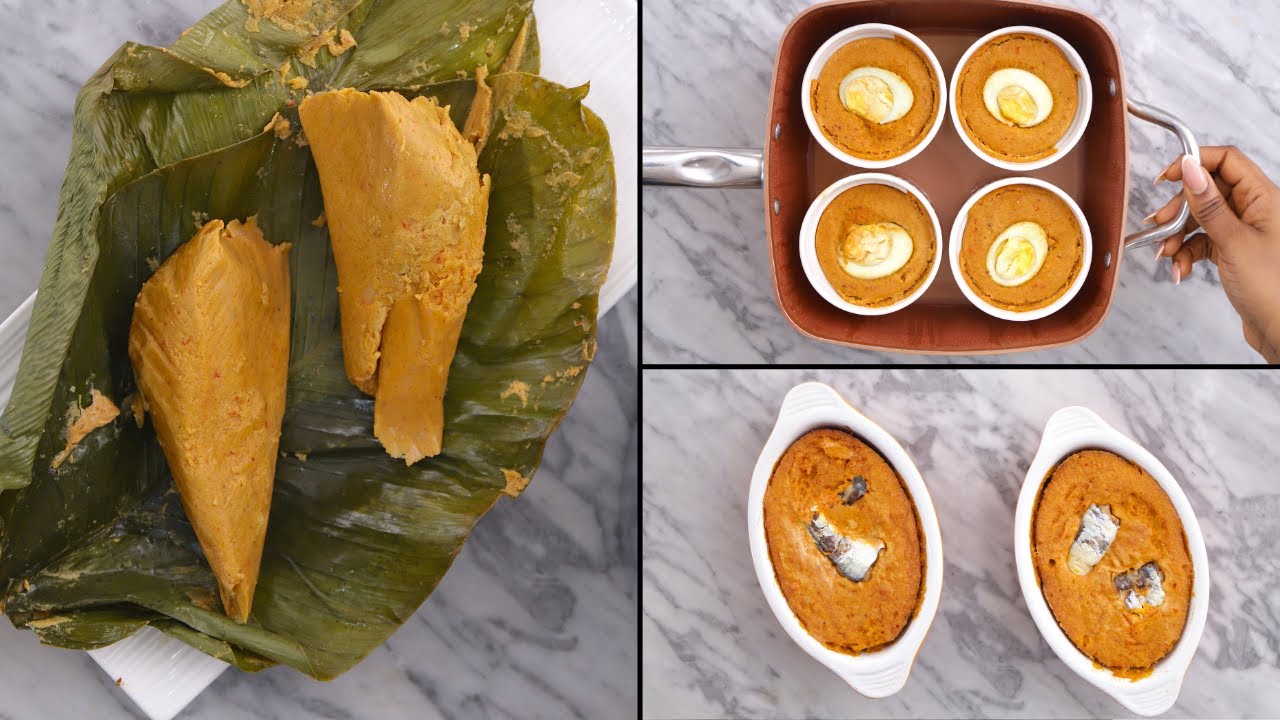
Moi Moi, also known as Nigerian steamed bean pudding, is a rich, savoury dish made from blended beans, peppers, onions, oil, and seasonings. It is one of Nigeria’s most popular bean recipes and is loved for its soft texture, vibrant flavour, and versatility.
With the right Moi Moi recipe, we can achieve a smooth, moist, and perfectly cooked result without making the pudding too watery, dry, or dense. Moi Moi can be served for breakfast, lunch, or dinner and pairs beautifully with Jollof rice, fried rice, pap, custard, bread, or garri.
This recipe explains how we prepare authentic Nigerian Moi Moi from scratch using simple ingredients and an easy steaming method.
What Is Moi Moi?
Moi Moi is a traditional Nigerian dish prepared primarily from peeled beans blended with fresh peppers, onions, and seasonings before being steamed until firm.
The most commonly used beans are black-eyed peas or Nigerian brown beans. Once the beans are soaked and their skins removed, we blend them into a smooth batter with peppers and onions.
Unlike akara, which uses a similar bean mixture but is fried, Moi Moi is steamed, giving it a softer, lighter texture.
We can prepare Moi Moi plain or enrich it with ingredients such as boiled eggs, fish, crayfish, corned beef, or prawns.
Ingredients for Nigerian Moi Moi
Before we begin preparing the Moi Moi, we need fresh ingredients that create the right combination of colour, aroma, flavour, and texture.
Main Ingredients
- 2 cups black-eyed peas or Nigerian brown beans
- 2 red bell peppers
- 1–2 Scotch bonnet peppers
- 1 medium onion
- ½ cup vegetable oil or palm oil
- 1–2 tablespoons ground crayfish
- 1–2 seasoning cubes
- Salt to taste
- Warm water or stock as needed
Optional Moi Moi Fillings
We can make the dish richer by adding one or more of the following:
- Boiled eggs
- Cooked mackerel or sardines
- Corned beef
- Cooked prawns
- Shredded chicken
- Smoked fish
These additions are optional. Traditional Moi Moi can still be delicious when prepared simply with beans, peppers, onions, oil, and seasonings.
How to Peel Beans for Moi Moi
Properly peeling the beans helps us produce a smooth and tender Moi Moi.
First, we place the beans in a large bowl and cover them generously with water. We allow them to soak briefly so the skins begin to loosen.
We then rub the beans firmly between our palms. As we continue rubbing, the skins separate from the beans.
Next, we add more water. The lighter bean skins float toward the surface, making it easier to pour them away.
We repeat the washing and rubbing process until most of the skins have been removed.
The beans do not necessarily have to look perfectly white, but removing as much skin as possible creates a smoother final texture.
How to Make Moi Moi Step by Step
Once our beans are properly peeled, we can prepare the batter and begin steaming.
1. Blend the Beans and Peppers
We place the peeled beans in a blender with the red bell peppers, Scotch bonnet peppers, and onion.
We add enough water to help the blender work efficiently without making the mixture excessively watery.
The beans should be blended until we have a very smooth, thick batter. A grainy mixture can produce rough-textured Moi Moi, so thorough blending is important.
2. Season the Moi Moi Batter
We transfer the blended bean mixture into a large bowl.
Next, we add the ground crayfish, seasoning cubes, salt, and vegetable oil or palm oil.
If we have meat or fish stock available, we can add a small quantity for extra flavour.
We mix the batter thoroughly until the oil, seasoning, and beans are evenly combined.
At this stage, the mixture should be pourable but not excessively thin.
3. Prepare the Containers
Moi Moi can be steamed using:
- Moi Moi leaves
- Aluminium foil containers
- Heat-safe bowls
- Small baking cups
- Suitable heat-resistant food containers
If we are using containers, we can lightly grease the inside to make serving easier.
Traditional Moi Moi leaves add a distinctive aroma to the dish, but containers are more convenient when leaves are unavailable.
4. Add the Fillings
We pour some bean mixture into each container and add our preferred fillings.
For example, we can place a piece of boiled egg, cooked fish, prawn, or corned beef into the centre before adding a little more batter.
We should avoid filling each container completely because the mixture may expand slightly while steaming.
5. Steam the Moi Moi
We place a rack, steaming basket, foil, or another heat-safe support at the bottom of a large pot so the containers are not sitting directly against intense heat.
We add some water to the pot and arrange the Moi Moi containers inside.
The water should support steaming without flooding the containers.
We cover the pot tightly and allow the Moi Moi to steam over medium heat.
Depending on the size of the containers, Moi Moi generally requires around 45 to 60 minutes to cook completely. Larger portions may take longer.
We check the water periodically and add more hot water when necessary.
How to Know When Moi Moi Is Ready
Properly cooked Moi Moi should be firm but moist.
We can insert a toothpick or small knife into the centre. If it comes out relatively clean and the pudding feels firm, the Moi Moi is ready.
The centre should not contain raw or runny bean batter.
After removing the Moi Moi from the pot, we allow it to rest briefly before serving. This helps the texture settle and makes it easier to remove from containers.
Tips for Making Soft and Fluffy Moi Moi
Achieving excellent Moi Moi depends on more than simply combining the ingredients. A few preparation techniques can significantly improve the final result.
Blend the Beans Until Very Smooth
Smooth batter creates smooth Moi Moi. We should blend the beans thoroughly rather than leaving noticeable grains.
Do Not Add Too Much Water
Excess water can prevent the Moi Moi from setting properly. We add liquid gradually until the mixture reaches a thick but pourable consistency.
Use Enough Oil
Oil contributes to the moist texture and rich taste of Moi Moi. Using too little may leave the pudding dry.
Season the Batter Properly
Beans can absorb a considerable amount of flavour. We therefore taste and adjust the seasoning before steaming, while remembering that any added stock or fillings may also contain salt.
Maintain Enough Steaming Water
The pot should contain sufficient water throughout cooking. If the water dries out, the bottom of the pot may burn before the Moi Moi finishes steaming.
Popular Moi Moi Variations
One reason this Nigerian bean dish remains so popular is that we can adapt it easily.
Moi Moi with Egg
Adding boiled egg creates one of the most familiar versions of Nigerian Moi Moi. We simply cut boiled eggs into halves or smaller pieces and place them inside the batter before steaming.
Fish Moi Moi
Cooked mackerel, sardines, or smoked fish can provide a stronger savoury flavour. We remove bones where necessary before adding the fish.
Moi Moi with Palm Oil
Although vegetable oil is commonly used, palm oil creates a deeper colour and distinctive traditional taste.
Plain Moi Moi
For a simpler meal, we can prepare the batter without additional protein fillings. Well-seasoned plain Moi Moi remains flavourful and satisfying.
What to Eat with Moi Moi
Moi Moi can be served alone, but it also complements many Nigerian dishes.
Popular combinations include:
- Moi Moi and Jollof rice
- Moi Moi and Nigerian fried rice
- Moi Moi and pap
- Moi Moi and custard
- Moi Moi and bread
- Moi Moi and garri
- Moi Moi with white rice and stew
At Nigerian celebrations and family gatherings, Moi Moi with Jollof rice remains an especially popular combination.
Common Mistakes to Avoid When Making Moi Moi
Understanding the most common preparation mistakes helps us produce consistently better results.
Making the Batter Too Watery
Adding excessive water can leave Moi Moi soft, loose, or unable to set properly.
Using Poorly Blended Beans
Coarsely blended beans may create a grainy texture. For smooth Moi Moi, we blend until the batter is creamy.
Under-Seasoning the Mixture
Since beans have a mild natural flavour, proper seasoning makes a significant difference. Peppers, onion, crayfish, stock, and seasoning should work together without overpowering one another.
Allowing the Steaming Water to Dry Out
We should monitor the pot during cooking. If additional water is required, adding hot water helps maintain the steaming temperature.
Removing the Moi Moi Too Early
The exterior can appear cooked before the centre is completely set. Testing the middle of a portion helps confirm that the bean pudding is fully cooked.
How to Store Leftover Moi Moi
Once cooled, leftover Moi Moi should be placed in a covered food-safe container and refrigerated promptly.
When we are ready to eat it again, we can reheat it by steaming, microwaving, or warming it gently in a suitable covered container until it is hot throughout.
Moi Moi can also be frozen for longer storage. Portioning it before freezing makes reheating easier because we can remove only the amount needed.
Why This Moi Moi Recipe Works
This recipe keeps the preparation straightforward while preserving the qualities that make authentic Nigerian Moi Moi distinctive.
We use peeled beans for a smoother texture, peppers and onions for freshness, crayfish and seasoning for depth, and enough oil to maintain moisture. Steaming the batter slowly allows it to set into the soft but firm consistency associated with properly prepared Moi Moi.
The recipe is also flexible. We can keep it simple or customise individual portions with eggs, fish, prawns, or other preferred fillings.
Serving the Perfect Nigerian Moi Moi
For the best experience, we serve Moi Moi warm while it is soft, fragrant, and freshly steamed.
When serving it with rice, Moi Moi provides a satisfying contrast to the grains and sauce. When paired with pap or custard, it creates a filling Nigerian breakfast. It can also be served with bread as a convenient meal at almost any time of the day.
Presentation can be kept simple. We remove the Moi Moi carefully from its container or open the traditional leaf wrapping and serve it alongside the chosen accompaniment.
FAQs about Moi Moi Recipe
What is Moi Moi?
Moi Moi is a traditional Nigerian steamed bean pudding made from peeled beans, peppers, onions, oil, and seasonings. It is soft, savory, and commonly served as a side dish or main meal.
Which beans are best for Moi Moi?
Black-eyed peas or brown beans are commonly used. The beans should be soaked and peeled before blending for a smooth texture.
How long does Moi Moi take to cook?
Moi Moi usually takes about 45–60 minutes to steam, depending on the size of the portions and the cooking method.
Can I make Moi Moi without peeling the beans?
Yes, but peeling the beans generally produces a smoother and more traditional texture. Unpeeled beans may make the Moi Moi slightly grainier.
What can I add to Moi Moi?
Popular additions include boiled eggs, fish, corned beef, crayfish, prawns, and cooked meat. These ingredients can make the dish richer and more filling.
Why is my Moi Moi too hard?
Moi Moi may become hard if the batter contains too little water or oil. The mixture should have a smooth, moderately light consistency before steaming.
Can Moi Moi be baked instead of steamed?
Yes. Moi Moi can be baked in an oven using a water bath to help retain moisture and achieve a soft texture.
What can we serve with Moi Moi?
We can serve Moi Moi with jollof rice, fried rice, pap, custard, bread, or garri. It can also be enjoyed on its own.
How should leftover Moi Moi be stored?
Allow it to cool completely before refrigerating it in an airtight container. Reheat thoroughly before serving.
Conclusion
A good Moi Moi recipe gives us a soft, flavourful, and satisfying Nigerian bean pudding using everyday ingredients. By properly peeling and blending the beans, controlling the amount of liquid, seasoning the batter well, and steaming it until completely set, we can consistently prepare delicious Moi Moi at home.
Whether we choose classic Moi Moi, Moi Moi with egg, fish Moi Moi, or palm oil Moi Moi, the foundation remains the same: smooth beans, fresh peppers, onions, balanced seasoning, and careful steaming.
Served with Jollof rice, pap, custard, bread, fried rice, or eaten on its own, homemade Nigerian Moi Moi remains a versatile and deeply satisfying dish worthy of a regular place on our menu.