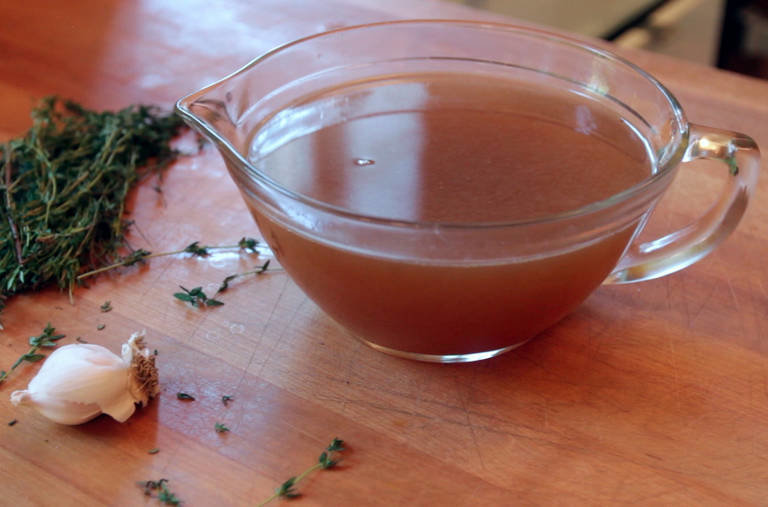
Turkey bone broth is one of the most flavorful, nourishing, and practical recipes we can prepare after enjoying a roasted turkey. Instead of throwing away the bones, we turn them into a rich, deeply savory broth that can be used for soups, stews, sauces, gravies, rice dishes, casseroles, and everyday sipping. This turkey bone broth recipe is simple, budget-friendly, and full of natural homemade flavor.
When prepared slowly, turkey bones release their deep roasted taste into the water, creating a golden broth with body, aroma, and comfort in every spoonful. With a few vegetables, herbs, vinegar, and enough simmering time, we create a broth that tastes far better than store-bought stock.
Ingredients You’ll Need for Turkey Bone Broth
To make a delicious homemade turkey bone broth, we use simple kitchen ingredients that work together to build flavor.
Main Ingredients
- 1 turkey carcass, including bones, joints, wings, neck, skin, and leftover roasted pieces
- 12 to 16 cups cold water, enough to cover the bones
- 2 tablespoons apple cider vinegar
- 2 large carrots, roughly chopped
- 2 celery stalks, roughly chopped
- 1 large onion, quartered
- 4 garlic cloves, lightly crushed
- 2 bay leaves
- 1 teaspoon black peppercorns
- 1 teaspoon sea salt, or more to taste
- Fresh parsley stems, optional
- Fresh thyme or rosemary, optional
Optional Flavor Boosters
- Turkey neck or wings for extra richness
- Leek tops for mild sweetness
- Mushroom stems for earthy depth
- Ginger slices for warmth
- A pinch of turmeric for color
- A splash of lemon juice before serving
Best Turkey Bones to Use for Bone Broth
The best bones for turkey bone broth are roasted bones with a little meat, skin, cartilage, and connective tissue still attached. A leftover Thanksgiving turkey carcass works perfectly because the bones have already been roasted, giving the broth a deeper color and stronger flavor.
We can use the backbone, wing bones, leg bones, thigh bones, neck, and any small pieces left after carving. The joints and cartilage are especially useful because they help create a broth with more body. If the turkey carcass is large, we can break it into smaller pieces so it fits easily into the pot.
Why Apple Cider Vinegar Is Added to Turkey Bone Broth
Apple cider vinegar is used in small amounts to help draw flavor and minerals from the bones while the broth simmers. It does not make the broth taste sour when used correctly. The key is to add just enough vinegar and let the bones sit in the cold water for a short time before cooking.
For a full pot of broth, 2 tablespoons of apple cider vinegar is usually enough. White vinegar can also be used, but apple cider vinegar has a softer flavor that works well with turkey.
Step-by-Step Guide to Making Turkey Bone Broth
Step 1: Prepare the Turkey Bones
Place the turkey carcass on a cutting board and remove any large pieces of leftover meat. Save the meat for soup, sandwiches, casseroles, or rice dishes. The bones should still have some small bits of meat attached because they add flavor to the broth.
Break the carcass into smaller sections if needed. This helps the bones fit into the pot and allows the water to move around them properly during cooking.
Step 2: Add the Bones to a Large Pot
Place the turkey bones into a large stockpot, Dutch oven, slow cooker, or pressure cooker. Add the wings, neck, bones, skin, and any roasted pan drippings if available. Pan drippings add a strong savory taste, but avoid adding too much salty gravy or heavily seasoned sauce because it can overpower the broth.
Step 3: Add Cold Water and Vinegar
Pour in enough cold water to cover the bones by about 1 inch. Add the apple cider vinegar and let everything sit for about 20 to 30 minutes before turning on the heat. This resting period helps prepare the bones for a deeper extraction during simmering.
Avoid adding too much water. If the pot is too diluted, the broth may taste weak. It is better to start with just enough water to cover the bones and add more later if necessary.
Step 4: Add Vegetables and Herbs
Add the chopped carrots, celery, onion, garlic, bay leaves, peppercorns, and herbs. These ingredients create the classic homemade broth flavor. Carrots add natural sweetness, celery adds freshness, onion brings depth, and garlic gives warmth.
For a cleaner broth, do not chop the vegetables too small. Large pieces are easier to strain and less likely to break down completely during long cooking.
Step 5: Bring the Broth to a Gentle Simmer
Place the pot over medium heat and bring the liquid slowly to a gentle simmer. Avoid boiling the broth aggressively. A hard boil can make the broth cloudy and may create a harsh flavor.
As the broth begins to heat, foam may rise to the top. Skim it off with a spoon for a cleaner finish. This step is optional, but it helps produce a clearer and more refined broth.
Step 6: Simmer the Turkey Bone Broth Slowly
Reduce the heat to low and let the broth simmer gently. The surface should move slightly, with small bubbles appearing from time to time. This slow cooking process allows the turkey bones, herbs, and vegetables to release flavor gradually.
For stovetop cooking, simmer the broth for 6 to 12 hours. For a richer broth, we can cook it up to 18 hours, adding water as needed to keep the bones covered.
Step 7: Strain the Broth Carefully
Once the broth has finished cooking, turn off the heat and allow it to cool slightly. Use tongs to remove the large bones and vegetables. Then pour the broth through a fine mesh strainer into a large bowl or another pot.
For an extra smooth broth, line the strainer with cheesecloth. This removes tiny particles and creates a cleaner texture.
Discard the cooked bones and vegetables. They have already released their flavor into the broth.
Step 8: Season the Broth to Taste
After straining, taste the broth and adjust the seasoning. Add more salt if needed. It is best to season lightly during cooking and adjust at the end, especially if the broth will be used in soups, sauces, or recipes that require further reduction.
For a brighter flavor, add a small squeeze of lemon juice before serving.
Step 9: Cool and Store the Turkey Bone Broth
Let the broth cool before storing. Pour it into glass jars, airtight containers, or freezer-safe bags. If storing in jars, leave space at the top because liquid expands when frozen.
Refrigerate the broth for up to 5 days or freeze it for up to 3 months. For easy use, freeze some broth in ice cube trays. Small portions are perfect for sauces, gravies, and quick cooking.
Slow Cooker Turkey Bone Broth Method
To make slow cooker turkey bone broth, place the turkey bones, vegetables, vinegar, herbs, and water into a slow cooker. Cover and cook on low for 12 to 24 hours. This method is convenient because the broth cooks gently without needing much attention.
After cooking, strain the broth, season to taste, cool, and store. The slow cooker method is ideal for overnight cooking.
Instant Pot Turkey Bone Broth Method
For a faster version, place the turkey bones, vegetables, vinegar, herbs, and water into an Instant Pot. Do not fill above the maximum line. Cook on high pressure for 2 hours, then allow the pressure to release naturally.
Strain the broth and season after cooking. This method produces a flavorful broth in much less time than stovetop simmering.
How to Make Turkey Bone Broth More Flavorful
For a deeper flavor, roast the bones before simmering. Spread the bones on a baking sheet and roast at 400°F for 25 to 35 minutes until browned. This step is especially useful if we are using raw turkey bones.
We can also add roasted onion, garlic, or celery for a richer taste. A small amount of tomato paste can be added before simmering for color and depth, but it should be used lightly so it does not dominate the broth.
How to Use Homemade Turkey Bone Broth
Homemade turkey bone broth is very versatile. We can use it as the base for turkey soup, chicken noodle soup, vegetable soup, lentil soup, gravy, risotto, stuffing, mashed potatoes, rice, quinoa, and casseroles.
It can also be warmed and served in a mug as a comforting drink. Add a little salt, black pepper, lemon juice, or fresh herbs for a simple savory broth.
Turkey Bone Broth Recipe Tips
For the best result, keep the broth at a gentle simmer instead of a rolling boil. Use enough bones to create a rich flavor, but avoid adding too much water. Add salt at the end so the broth does not become overly salty as it reduces.
Do not skip the straining step. A fine mesh strainer makes the broth smooth and pleasant to drink or cook with. If a layer of fat forms on top after refrigeration, we can remove it with a spoon or leave a small amount for extra flavor.
How to Tell When Turkey Bone Broth Is Ready
Turkey bone broth is ready when it has a deep golden color, rich aroma, and savory turkey flavor. The bones should look pale and the vegetables should be very soft. After chilling, the broth may become slightly thick or gelatinous, especially if many joints and cartilage pieces were used.
A gelatinous texture is a good sign of a well-made bone broth, but a thinner broth can still be flavorful and useful.
Common Mistakes to Avoid
One common mistake is using too much water, which creates a weak broth. Another mistake is boiling the broth too hard, which can make it cloudy. Adding too much salt at the beginning can also be a problem because the broth becomes more concentrated as it cooks.
Avoid using spoiled bones, burnt drippings, or vegetables that taste bitter. Fresh, clean ingredients produce the best broth.
FAQs about Turkey Bone Broth Recipe
Can we use leftover Thanksgiving turkey bones?
Yes. Leftover Thanksgiving turkey bones are perfect for this recipe. Roasted turkey bones create a rich, flavorful broth with a deep homemade taste.
How long should turkey bone broth simmer?
Turkey bone broth should simmer for at least 6 hours on the stovetop, but 12 hours gives a richer result. In a slow cooker, it can cook for 12 to 24 hours.
Can we freeze turkey bone broth?
Yes. Turkey bone broth freezes very well. Store it in freezer-safe containers or bags for up to 3 months.
Should turkey bone broth be clear or cloudy?
A clear broth usually comes from gentle simmering and careful straining. A cloudy broth is still usable, but it may have been boiled too hard or stirred too much during cooking.
Can we drink turkey bone broth by itself?
Yes. Warm turkey bone broth can be served in a mug with salt, pepper, herbs, or lemon juice. It is savory, comforting, and satisfying.
Final Thoughts
This turkey bone broth recipe is one of the best ways to turn leftover turkey bones into something useful, flavorful, and comforting. With simple ingredients and slow cooking, we create a golden broth that works beautifully in soups, gravies, sauces, rice dishes, and everyday meals.
Instead of wasting the turkey carcass, we use it to prepare a rich homemade broth that brings deep flavor to the kitchen. Once made, it becomes a ready-to-use ingredient that can improve many recipes with very little effort.