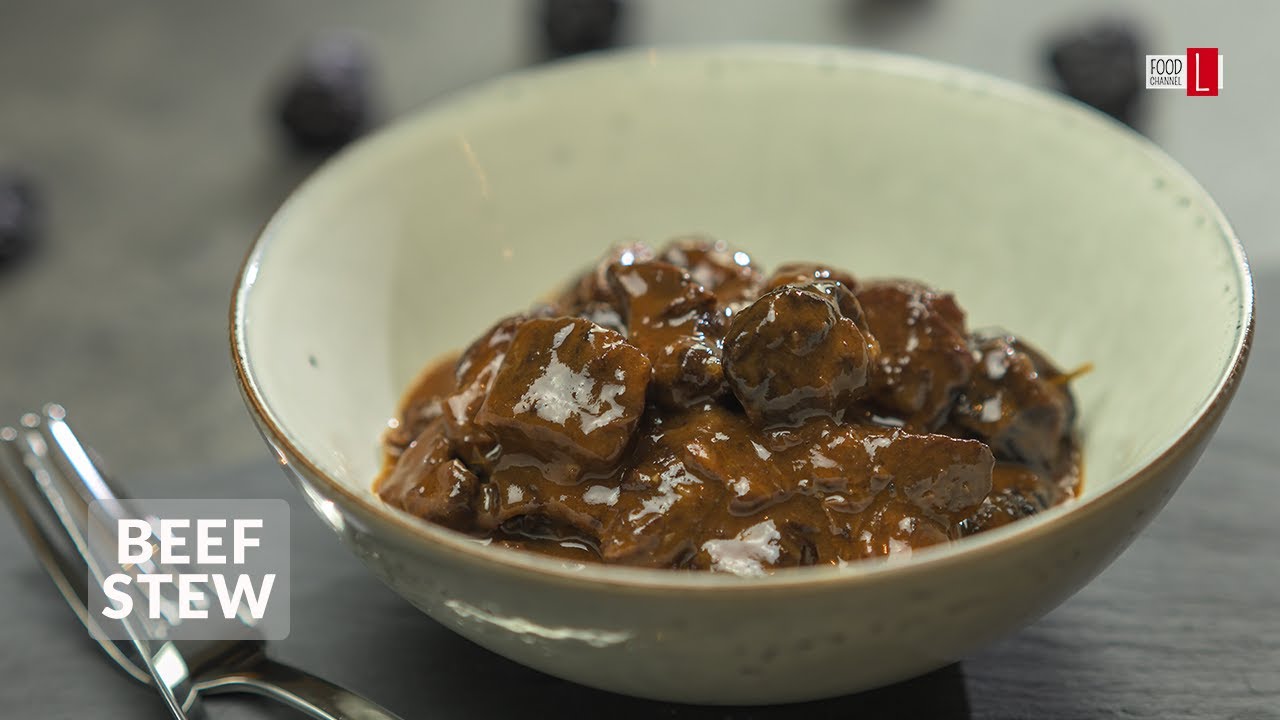
Stewed Prunes Recipe: Stewed prunes are one of the simplest fruit recipes we can prepare, yet they deliver a rich, naturally sweet flavor, a soft texture, and a comforting homemade taste. This stewed prunes recipe transforms dried prunes into tender, syrupy fruit that can be enjoyed for breakfast, served as a light dessert, paired with yogurt, spooned over oatmeal, or eaten on its own as a wholesome fruit dish.
The beauty of homemade stewed prunes is that we do not need complicated ingredients or advanced cooking skills. With dried prunes, water, a little citrus, and optional warming spices, we can create a bowl of juicy prunes in a lightly sweet syrup. The slow simmering process allows the dried fruit to absorb moisture, soften beautifully, and release its natural sweetness into the cooking liquid.
This recipe is especially useful when we want a make-ahead fruit topping or a gentle, nourishing dish that stores well in the refrigerator. Once prepared, stewed prunes can be served warm, chilled, or at room temperature, making them a flexible addition to everyday meals.
Ingredients You’ll Need
To make a classic stewed prunes recipe, we need only a few basic ingredients. Each one helps build flavor, texture, and balance.
Main Ingredients
- 2 cups dried prunes, pitted
- 2 ½ cups water
- 1 tablespoon lemon juice
- 1 teaspoon lemon zest
- 1 to 2 tablespoons honey, maple syrup, or brown sugar
- 1 cinnamon stick
- ¼ teaspoon ground nutmeg
- Pinch of salt
Optional Flavor Additions
- ½ teaspoon vanilla extract
- 1 small strip of orange peel
- 2 whole cloves
- 1 star anise
- ½ cup orange juice, replacing part of the water
- 1 small piece of fresh ginger
- A handful of raisins or dried apricots
The sweetener is optional because prunes are naturally sweet. We can taste the prunes after simmering and add more sweetness only if needed. Lemon juice is important because it brightens the flavor and prevents the dish from tasting too heavy.
Best Prunes to Use for Stewed Prunes
For the best stewed prunes, we should choose soft, plump, pitted dried prunes. Pitted prunes are easier to cook, easier to serve, and safer to eat. If the prunes feel very dry or firm, they will still work, but they may need a longer simmering time to become fully tender.
High-quality prunes should look dark, slightly glossy, and moist. They should not smell sour or fermented. If using organic prunes or unsweetened prunes, the flavor may be deeper and less candy-like, which is excellent for a balanced homemade dish.
How to Make Stewed Prunes Step by Step
Step 1: Rinse the Prunes
Place the dried prunes in a bowl or colander and rinse them gently under cool water. This removes any surface dust and helps refresh the fruit before cooking. Drain well.
Rinsing is a small step, but it improves the clean taste of the final recipe. Since prunes are dried fruit, they may have natural stickiness on the outside, and a quick rinse helps prepare them for simmering.
Step 2: Add the Prunes to a Saucepan
Transfer the rinsed prunes to a medium saucepan. Add 2 ½ cups of water, making sure the prunes are mostly covered. If we want a fruitier syrup, we can replace ½ cup of water with orange juice or apple juice.
The liquid is what rehydrates the prunes. As the prunes simmer, they absorb moisture and become soft, plump, and juicy.
Step 3: Add Citrus and Spices
Add the lemon juice, lemon zest, cinnamon stick, nutmeg, and a small pinch of salt. If using orange peel, cloves, ginger, or star anise, add them at this stage.
The spices should support the natural prune flavor without overpowering it. Cinnamon gives warmth, lemon adds brightness, and salt helps round out the sweetness.
Step 4: Bring to a Gentle Boil
Place the saucepan over medium heat and bring the mixture to a gentle boil. Once it begins bubbling, reduce the heat immediately.
Avoid boiling the prunes aggressively. A hard boil can break the fruit apart too quickly and make the syrup cloudy. A gentle simmer gives us better texture and a smoother sauce.
Step 5: Simmer Until Soft and Tender
Let the prunes simmer uncovered for 20 to 30 minutes, stirring occasionally. The prunes are ready when they become soft, swollen, and tender, and the liquid has reduced into a light syrup.
If the liquid reduces too fast, add a little more water. If the syrup seems too thin after the prunes are soft, simmer for a few extra minutes until it thickens slightly.
Step 6: Add Sweetener If Needed
Taste the syrup. If the prunes are sweet enough, we do not need to add anything. If we want a richer flavor, stir in honey, maple syrup, or brown sugar.
Start with one tablespoon, then adjust to taste. The goal is not to make the dish overly sugary. The best stewed prunes should taste naturally sweet, lightly tangy, and warmly spiced.
Step 7: Add Vanilla for a Smooth Finish
Remove the saucepan from the heat and stir in vanilla extract, if using. Vanilla gives the stewed prunes a soft dessert-like aroma and makes the syrup taste fuller.
Do not add vanilla too early because heat can reduce its fragrance. Adding it at the end keeps the flavor fresh and noticeable.
Step 8: Cool and Serve
Allow the stewed prunes to cool for at least 10 minutes before serving. They can be enjoyed warm, chilled, or at room temperature.
As the prunes sit, the syrup thickens slightly and the flavors become deeper. This is why stewed prunes often taste even better after a few hours in the refrigerator.
How to Serve Stewed Prunes
Stewed prunes are versatile and can be served in many delicious ways. For breakfast, we can spoon them over oatmeal, porridge, Greek yogurt, pancakes, waffles, or toast. Their natural syrup adds sweetness without needing much extra sugar.
For dessert, stewed prunes can be served with custard, rice pudding, vanilla ice cream, whipped cream, or sponge cake. They also pair well with lightly toasted nuts such as almonds, walnuts, or pecans.
For a simple snack, we can serve them alone in a small bowl with a spoonful of their syrup. The texture is soft and juicy, making them satisfying without being heavy.
Stewed Prunes with Orange Juice
For a brighter and more fragrant version, replace part of the water with orange juice. Use 2 cups water and ½ cup orange juice, then add a small strip of orange peel while simmering.
Orange juice gives the syrup a fresh citrus flavor that works beautifully with the deep sweetness of prunes. This variation is excellent for breakfast bowls, yogurt toppings, and holiday-style fruit compotes.
Stewed Prunes with Cinnamon and Vanilla
For a warmer dessert-style version, use a cinnamon stick during simmering and stir in vanilla at the end. This combination gives the prunes a soft, cozy flavor that tastes especially good when served warm.
We can also add a small spoon of brown sugar for a deeper caramel-like syrup. This version works well over rice pudding, oatmeal, pancakes, or custard.
How to Thicken the Prune Syrup
If we want thicker syrup, continue simmering the prunes uncovered for a few extra minutes after they soften. The liquid will reduce naturally and become more concentrated.
Another method is to remove the prunes with a spoon, then simmer only the liquid until it thickens. Once the syrup reaches the desired consistency, return the prunes to the saucepan.
Avoid adding flour or cornstarch. Stewed prunes are best when the syrup thickens naturally from the fruit and reduced cooking liquid.
How to Store Stewed Prunes
Let the stewed prunes cool completely, then transfer them to an airtight container. Store in the refrigerator for up to 5 days.
The syrup may become thicker after chilling. To loosen it, add a small splash of warm water before serving. We can enjoy the prunes cold or gently reheat them on the stove over low heat.
Can You Freeze Stewed Prunes?
Yes, stewed prunes can be frozen. Place cooled prunes and syrup in a freezer-safe container, leaving a little space at the top for expansion. Freeze for up to 3 months.
To serve, thaw overnight in the refrigerator. Reheat gently in a saucepan or microwave until warm. The texture may become slightly softer after freezing, but the flavor remains rich and pleasant.
Tips for the Best Stewed Prunes Recipe
Use enough liquid to cover the prunes at the beginning of cooking. If the prunes are very dry, they may absorb more water than expected.
Simmer gently instead of boiling hard. Gentle heat keeps the prunes plump and prevents them from falling apart too much.
Add lemon juice for balance. Prunes are naturally sweet, and citrus helps create a cleaner, brighter flavor.
Taste before adding sugar. Many prunes are already sweet enough, so extra sweetener should be added carefully.
Let the prunes rest before serving. A short resting time allows the syrup to thicken and the flavor to settle.
Common Mistakes to Avoid
One common mistake is using too much sugar at the beginning. Since prunes release sweetness as they cook, it is better to sweeten at the end.
Another mistake is cooking on high heat for too long. This can make the prunes mushy and reduce the syrup too quickly.
A third mistake is skipping the acidic ingredient. Without lemon juice or orange juice, stewed prunes can taste flat or overly sweet.
Finally, avoid using too many spices at once. Prunes have a deep natural flavor, so a few simple additions are enough.
Simple Stewed Prunes Recipe Card
Ingredients
- 2 cups pitted dried prunes
- 2 ½ cups water
- 1 tablespoon lemon juice
- 1 teaspoon lemon zest
- 1 cinnamon stick
- ¼ teaspoon nutmeg
- Pinch of salt
- 1 to 2 tablespoons honey, maple syrup, or brown sugar
- ½ teaspoon vanilla extract
Instructions
- Rinse the prunes under cool water and drain well.
- Place the prunes in a medium saucepan.
- Add water, lemon juice, lemon zest, cinnamon stick, nutmeg, and salt.
- Bring to a gentle boil over medium heat.
- Reduce the heat and simmer for 20 to 30 minutes, stirring occasionally.
- Cook until the prunes are soft and the liquid becomes lightly syrupy.
- Taste and add honey, maple syrup, or brown sugar if needed.
- Remove from heat and stir in vanilla extract.
- Let cool slightly before serving warm, chilled, or at room temperature.
FAQs about Stewed Prunes Recipe
1. What are stewed prunes?
Stewed prunes are dried plums that are gently simmered in water or juice until they become soft, tender, and naturally sweet. They are often served as a healthy breakfast side, dessert topping, or simple digestive-friendly dish.
2. How long does it take to stew prunes?
Stewed prunes usually take about 10 to 20 minutes to cook. The exact time depends on how soft you want them. For a thicker syrup and softer texture, simmer them a little longer on low heat.
3. Do I need to add sugar to stewed prunes?
No, sugar is usually not necessary because prunes are naturally sweet. However, you can add a small amount of honey, maple syrup, brown sugar, cinnamon, or vanilla if you want a richer flavor.
4. Can stewed prunes be stored?
Yes. Let the stewed prunes cool completely, then store them in an airtight container in the refrigerator. They can usually last for about 4 to 5 days when properly chilled.
5. What can I serve with stewed prunes?
Stewed prunes can be served with oatmeal, yogurt, pancakes, porridge, rice pudding, custard, or toast. They can also be eaten on their own as a simple, warm fruit dish.
Final Thoughts
A good stewed prunes recipe should be simple, naturally sweet, soft, and full of warm fruit flavor. With only a few ingredients, we can turn dried prunes into a tender, syrupy dish that works for breakfast, dessert, snacks, and meal prep. The combination of prunes, citrus, cinnamon, and vanilla creates a classic homemade recipe that is both comforting and practical.
Whether served over oatmeal, mixed with yogurt, paired with custard, or enjoyed alone, homemade stewed prunes remain one of the easiest fruit recipes to prepare. The key is gentle simmering, balanced flavor, and enough resting time for the syrup to develop fully.