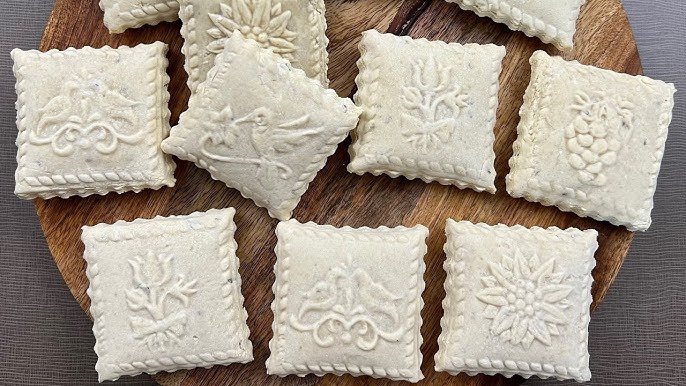
Springerle Recipe: Springerle cookies are elegant, old-fashioned German anise cookies known for their crisp outer texture, tender bite, and beautifully embossed designs. These cookies are especially popular during Christmas, weddings, festive gatherings, and special family occasions because they look decorative, taste refined, and store well for weeks. A well-made Springerle recipe produces cookies with sharp imprinted patterns, a delicate sweetness, and a gentle anise aroma that becomes better as the cookies rest.
Springerle cookies are different from ordinary sugar cookies because the dough is carefully beaten, rolled, molded, dried, and baked at a low temperature. The drying step helps the cookie design stay visible during baking, while the slow bake keeps the cookies pale and traditional. With the right ingredients, proper dough texture, and careful handling, we can make beautiful homemade Springerle cookies that look professional and taste authentic.
Ingredients You’ll Need for Springerle Cookies
To prepare a traditional Springerle cookie recipe, we need simple baking ingredients, but each one plays an important role in the final result.
Main Ingredients
- 4 large eggs, at room temperature
- 2 cups granulated sugar
- 4 cups all-purpose flour, plus extra for dusting
- 1 teaspoon baking powder
- 1/4 teaspoon salt
- 1 teaspoon anise extract
- 1 teaspoon vanilla extract
- 1 tablespoon anise seeds, optional, for the baking sheet
Optional Ingredients for Extra Flavor
- 1/2 teaspoon lemon zest for a fresh citrus note
- 1/4 teaspoon almond extract for a richer bakery-style flavor
- Powdered sugar, for lightly dusting the mold if needed
Best Flour, Eggs, and Flavoring for Springerle Cookies
For the best homemade Springerle cookies, we should use fresh large eggs, fine granulated sugar, and good-quality flour. Eggs are important because they help create the light structure of the cookie dough. Beating the eggs and sugar properly gives the dough its signature texture and helps the cookies rise gently during baking.
All-purpose flour works well because it creates a firm dough that can hold detailed molds. The dough should not be too sticky or too dry. If it is too soft, the designs may blur. If it is too stiff, the cookies may become hard and difficult to roll.
Traditional Springerle cookies are often flavored with anise, which gives them their classic taste. Anise extract provides a clean, sweet, licorice-like aroma. Some bakers also place anise seeds on the baking tray so the flavor gently infuses from the bottom of the cookies.
Equipment Needed for Making Springerle Cookies
A proper Springerle recipe works best when we use the right tools. We do not need complicated equipment, but a few items make the process easier.
- Large mixing bowl
- Electric mixer or stand mixer
- Measuring cups and spoons
- Rolling pin
- Springerle mold or embossed rolling pin
- Sharp knife or cookie cutter
- Baking sheets
- Parchment paper
- Cooling rack
The most important tool is the Springerle mold. It creates the raised designs that make these cookies unique. Wooden molds are traditional, while silicone or resin molds can also work if they are clean, dry, and lightly dusted.
Step-by-Step Guide to Making Springerle Cookies
Step 1: Beat the Eggs Until Light and Foamy
We begin by placing the room-temperature eggs in a large mixing bowl. Using an electric mixer, beat the eggs on medium-high speed until they become pale, foamy, and slightly thickened. This step is important because it gives the cookies a lighter structure.
The eggs should look airy before we add the sugar. Rushing this stage can make the cookies dense, so we allow enough time for the eggs to increase in volume.
Step 2: Add the Sugar Slowly
Next, we gradually add the granulated sugar while continuing to beat the mixture. Add the sugar slowly instead of pouring it all at once. This helps the sugar dissolve properly and creates a smoother dough.
Continue beating until the mixture becomes thick, glossy, and pale. The texture should look creamy and slightly ribbon-like when the beaters are lifted. This stage gives Springerle cookies their classic fine crumb and delicate finish.
Step 3: Add the Flavor Extracts
Once the egg and sugar mixture is well beaten, add the anise extract and vanilla extract. Mix briefly until the flavorings are evenly combined.
For a more traditional taste, anise extract should remain the main flavor. Vanilla softens the sharpness and adds warmth. If we want a brighter flavor, we can also add a little lemon zest, but it should not overpower the anise.
Step 4: Combine the Dry Ingredients
In a separate bowl, whisk together the all-purpose flour, baking powder, and salt. Mixing the dry ingredients first helps distribute the baking powder evenly throughout the dough.
Baking powder gives the cookies a gentle lift, while salt balances the sweetness. Even though the amount of salt is small, it improves the overall flavor of the cookies.
Step 5: Mix the Dough Carefully
Gradually add the dry ingredients to the egg mixture. Mix on low speed or stir by hand until a soft dough forms. The dough should be firm enough to roll but still smooth and pliable.
If the dough feels too sticky, add a small amount of flour, one tablespoon at a time. Avoid adding too much flour because excess flour can make the cookies dry and tough. A good Springerle dough should feel soft, smooth, and slightly tacky, but not wet.
Step 6: Rest the Dough Briefly
After mixing, cover the dough and let it rest for about 15 to 30 minutes. This short resting time allows the flour to absorb moisture and makes the dough easier to roll.
Resting also helps prevent sticking when we press the mold into the dough. If the kitchen is warm, the dough can be chilled briefly, but it should not become too hard.
Step 7: Roll Out the Springerle Dough
Lightly flour a clean work surface and roll the dough to about 1/4 inch to 3/8 inch thickness. The thickness depends on the mold design and personal preference. Thicker cookies are softer inside, while thinner cookies become crisper.
Keep the dough surface smooth and even. Uneven dough can cause some cookies to bake faster than others. We should also avoid using too much flour on top, as excess flour can dull the cookie design.
Step 8: Press the Springerle Mold Into the Dough
Lightly dust the Springerle mold with flour or powdered sugar, then tap off the excess. Press the mold firmly and evenly into the dough. Apply steady pressure so the design transfers clearly.
Lift the mold carefully without dragging it. The pattern should appear sharp and defined. If the dough sticks to the mold, dust the mold lightly again before pressing the next section.
For an embossed rolling pin, roll slowly and evenly across the dough to create a continuous pattern.
Step 9: Cut the Cookies Into Shapes
After imprinting the designs, use a sharp knife, pastry wheel, or cookie cutter to cut the cookies apart. Try to cut neatly around each design so the cookies look clean and attractive.
Place the shaped cookies on a parchment-lined baking sheet. Leave a little space between them, although Springerle cookies do not spread as much as many other cookies.
Step 10: Dry the Cookies Before Baking
This is one of the most important steps in a successful Springerle recipe. Let the shaped cookies dry at room temperature for 12 to 24 hours before baking.
Drying forms a thin crust on the surface of the cookies. This crust protects the embossed design and keeps it from disappearing in the oven. The cookies should feel dry on top before baking, while the bottom remains slightly moist.
Do not cover the cookies tightly while drying. They need airflow. A clean towel or loose parchment can be used to protect them from dust.
Step 11: Prepare the Baking Sheet With Anise Seeds
Before baking, sprinkle anise seeds lightly on the parchment paper if desired. Place the dried cookies on top of the seeds. This traditional method gives the cookies a subtle anise flavor from underneath.
If we prefer a smoother bottom or a milder taste, we can skip the anise seeds and bake the cookies directly on parchment paper.
Step 12: Bake the Springerle Cookies Slowly
Preheat the oven to 300°F / 150°C. Bake the cookies for about 12 to 18 minutes, depending on their size and thickness.
Springerle cookies should remain pale. They should not turn golden brown like regular cookies. The bottoms may be lightly colored, but the tops should stay white or cream-colored.
The cookies are ready when they are set and firm but not deeply browned. Overbaking can make them too hard and dry.
Step 13: Cool the Cookies Properly
Remove the baking sheet from the oven and allow the cookies to cool for a few minutes. Then transfer them to a cooling rack.
The cookies may feel firm at first, but their texture improves as they rest. Traditional Springerle cookies are often stored for several days before serving because the flavor develops beautifully over time.
How to Store Springerle Cookies for Best Flavor
Springerle cookies taste better after resting. Store them in an airtight container at room temperature for one to two weeks. During this time, the anise flavor becomes smoother and the texture improves.
To keep the cookies from becoming too hard, we can place a small piece of apple or orange peel in the container for a short time. Replace it daily and do not let it touch the cookies directly. This helps soften the cookies slightly while adding a gentle aroma.
For longer storage, Springerle cookies can be frozen. Place them in layers separated by parchment paper and freeze in an airtight container. Thaw at room temperature before serving.
Helpful Tips for Perfect Springerle Cookies
For sharp and beautiful designs, always dry the cookies before baking. This step should not be skipped. The cookie mold should also be clean and lightly dusted so the dough releases easily.
Use room-temperature eggs for better volume. Beat the egg and sugar mixture long enough to create a thick, pale base. This improves the texture and helps the cookies bake properly.
Avoid baking at high heat. Springerle cookies need gentle baking so they stay pale and elegant. A hot oven can cause the cookies to brown too quickly or lose their traditional appearance.
Do not add too much flour. The dough should be manageable but not stiff. Too much flour can make the cookies hard and reduce the clarity of the design.
Common Mistakes to Avoid When Making Springerle
One common mistake is baking the cookies immediately after shaping. Without drying time, the designs can puff, crack, or fade. Another mistake is rolling the dough too thin, which can make the cookies dry and fragile.
Using too much flour on the mold can also make the surface look dusty. We should dust lightly and tap away the excess before pressing.
Overbaking is another issue. Springerle cookies should be pale and firm, not brown and crunchy. The goal is a delicate cookie that matures well during storage.
Serving Ideas for Springerle Cookies
Springerle cookies are perfect with tea, coffee, hot chocolate, or warm milk. They also make beautiful holiday gifts because the molded designs look elegant and festive.
We can arrange them in cookie tins, wrap them in clear bags with ribbons, or include them in Christmas cookie boxes. Their detailed patterns make them stand out beside gingerbread, shortbread, and sugar cookies.
For special occasions, choose molds with seasonal designs such as stars, hearts, flowers, angels, or traditional folk patterns.
Springerle Recipe Variations
For a citrus version, add lemon zest or orange zest to the dough. This gives the cookies a fresh, bright aroma while keeping the classic texture.
For a softer vanilla flavor, reduce the anise extract slightly and increase the vanilla. For a stronger traditional flavor, use both anise extract and anise seeds on the baking tray.
A lightly spiced version can include a small pinch of cinnamon or cardamom, though traditional Springerle cookies are usually simple and anise-forward.
FAQs about Springerle Recipe
1. What are Springerle cookies?
Springerle cookies are traditional German anise-flavored cookies known for their beautiful embossed designs. They are usually made with eggs, sugar, flour, and anise flavoring, then pressed with a special mold before baking.
2. Why do Springerle cookies need to dry before baking?
Springerle cookies are dried before baking so the molded designs can stay clear and sharp. Drying helps form a firm surface on the cookie, preventing the pattern from spreading too much in the oven.
3. How long should Springerle dough rest?
Springerle dough is often rested for several hours or overnight. After shaping, the cookies are usually left to dry for 12 to 24 hours before baking. This helps improve texture and preserves the decorative print.
4. What does Springerle taste like?
Traditional Springerle has a light, sweet flavor with a noticeable anise taste. The texture is firm on the outside and slightly chewy or cake-like inside when properly baked and aged.
5. How should Springerle cookies be stored?
Store Springerle cookies in an airtight container at room temperature. They often taste better after resting for several days because the flavor develops and the texture softens slightly. For longer storage, keep them in a cool, dry place.
Final Thoughts
A classic Springerle recipe rewards patience and careful technique. From beating the eggs properly to pressing the mold firmly and drying the cookies overnight, each step helps create cookies with crisp designs, delicate flavor, and an authentic old-world appearance.
When prepared correctly, homemade Springerle cookies are more than ordinary cookies. They are decorative, fragrant, festive, and memorable. With simple ingredients and the right method, we can create beautiful Springerle cookies that are perfect for holidays, gifting, and traditional family baking.