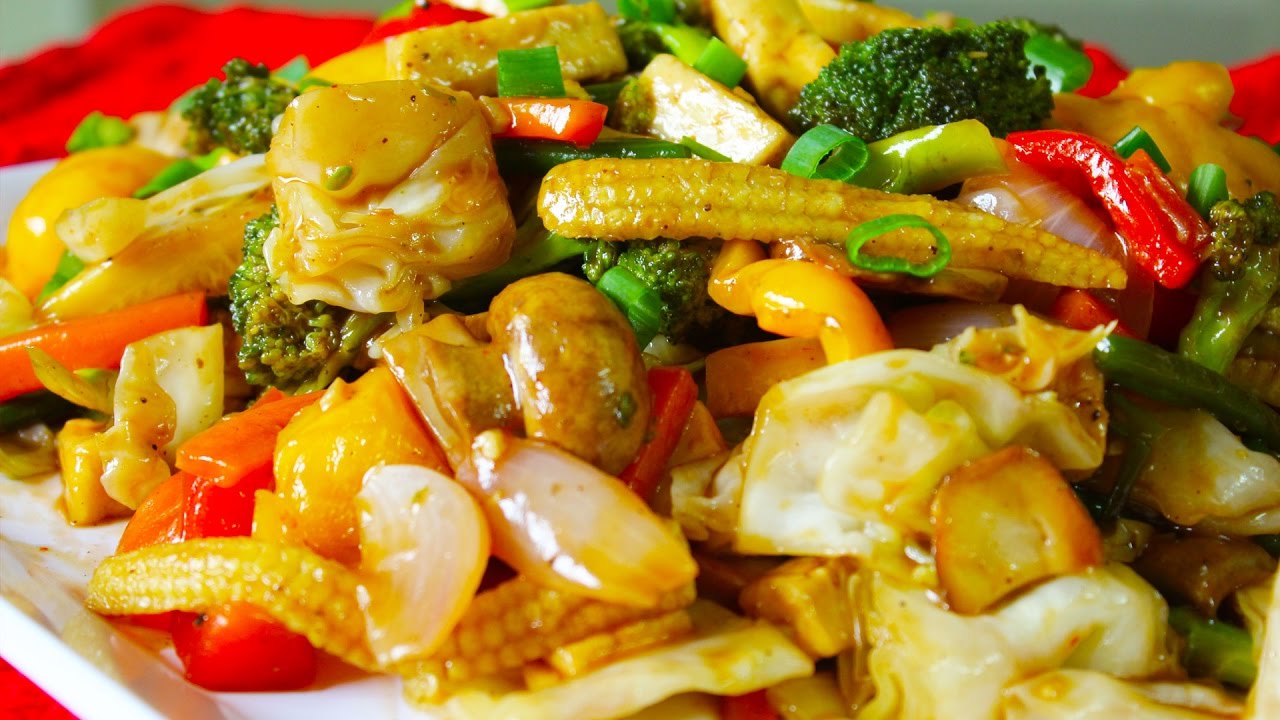
When we want a fast, colorful, nutritious, and flavorful dish, nothing compares to a perfectly cooked sauteed vegetables recipe. This classic vegetable side dish combines fresh vegetables, aromatic seasonings, and simple cooking techniques to create a meal that works beautifully for lunch, dinner, meal prep, or healthy snacking.
Sauteed vegetables are loved because they are quick to prepare, naturally healthy, versatile, and packed with vibrant flavors. Whether we serve them alongside grilled chicken, rice, pasta, seafood, or enjoy them alone, this recipe consistently delivers delicious results.
In this detailed guide, we will walk through the best sauteed vegetables recipe, including ingredient selection, cooking tips, seasoning ideas, storage methods, and step-by-step instructions for restaurant-quality vegetables every time.
Why This Sauteed Vegetables Recipe Works Perfectly
This recipe stands out because it creates vegetables that are:
- Crisp-tender instead of soggy
- Packed with natural flavor
- Beautifully colorful
- Light yet satisfying
- Easy to customize
- Ready in under 20 minutes
The secret lies in using the right heat level, proper vegetable combinations, and balanced seasoning.
Ingredients You’ll Need for Sauteed Vegetables
Fresh Vegetables
We can use almost any vegetables, but this combination provides the perfect balance of texture and flavor:
- 1 red bell pepper, sliced
- 1 yellow bell pepper, sliced
- 1 zucchini, sliced into half-moons
- 1 broccoli head, cut into florets
- 1 carrot, thinly sliced
- 1 red onion, sliced
- 1 cup mushrooms, sliced
- 1 cup green beans, trimmed
- 2 cloves garlic, minced
Cooking Ingredients
- 2 tablespoons olive oil
- 1 tablespoon butter
- 1 teaspoon salt
- ½ teaspoon black pepper
- ½ teaspoon paprika
- ½ teaspoon Italian seasoning
- ¼ teaspoon chili flakes (optional)
- 1 tablespoon soy sauce (optional for extra flavor)
- 1 teaspoon lemon juice
Optional Garnishes
- Fresh parsley
- Parmesan cheese
- Sesame seeds
- Fresh basil
- Crushed pepper flakes
Best Vegetables for Sauteing
Some vegetables cook exceptionally well when sauteed because they maintain texture and absorb seasoning beautifully.
Top Vegetables for Sauteing
- Bell peppers
- Broccoli
- Mushrooms
- Carrots
- Green beans
- Zucchini
- Squash
- Spinach
- Kale
- Onions
- Snap peas
- Asparagus
- Brussels sprouts
Using a variety of vegetables creates a visually appealing and nutrient-rich dish.
Kitchen Tools Needed
To make the best sauteed vegetables recipe, we recommend:
- Large skillet or frying pan
- Sharp knife
- Cutting board
- Wooden spoon or spatula
- Mixing bowl
A wide skillet helps vegetables cook evenly without steaming.
How to Prepare Vegetables Properly
Wash and Dry Thoroughly
Vegetables should be cleaned well and dried completely. Excess moisture causes steaming instead of sauteing.
Cut Vegetables Evenly
Uniform slices ensure even cooking. Thin vegetables cook faster, while thicker vegetables may remain undercooked.
Separate Hard and Soft Vegetables
Hard vegetables like carrots and broccoli require more cooking time than zucchini or mushrooms.
Step-by-Step Guide to Making Sauteed Vegetables
Step 1: Prepare the Vegetables
Wash and chop your favorite vegetables into even-sized pieces. We can use carrots, bell peppers, broccoli, zucchini, onions, mushrooms, or green beans. Uniform slices help the vegetables cook evenly and look more appealing.
Step 2: Heat the Pan
Place a large skillet or frying pan over medium-high heat. Add 2 tablespoons of olive oil or butter and allow it to heat for about 1 minute. A hot pan helps the vegetables cook quickly while keeping them crisp.
Step 3: Add Hard Vegetables First
Start with vegetables that take longer to cook, such as carrots and broccoli. Stir them for 3–4 minutes before adding softer vegetables like zucchini, mushrooms, or bell peppers. This keeps every vegetable perfectly cooked.
Step 4: Season and Stir
Add garlic, salt, black pepper, and optional herbs like thyme or oregano. Stir continuously to prevent burning and to coat the vegetables evenly with flavor. Cook for another 4–5 minutes until tender but still slightly crisp.
Step 5: Serve and Enjoy
Remove the sauteed vegetables from the heat and serve immediately. We can enjoy them as a healthy side dish, mix them into pasta or rice, or pair them with chicken, fish, or beef for a complete meal.
Tips for Perfect Sauteed Vegetables
Use High Heat
Medium-high heat creates better caramelization and prevents soggy vegetables.
Do Not Overcrowd the Pan
Too many vegetables in the skillet trap moisture and cause steaming.
Cook in batches if necessary.
Stir Frequently but Not Constantly
Allow vegetables to sit briefly between stirring for better browning.
Add Garlic Near the End
Garlic burns quickly, so adding it later preserves its flavor.
Keep Vegetables Crisp-Tender
Overcooking removes texture and freshness.
Vegetables should remain slightly firm.
Best Seasonings for Sauteed Vegetables
The beauty of sauteed vegetables lies in their adaptability.
Classic Seasonings
- Salt
- Black pepper
- Garlic powder
- Italian seasoning
Asian-Inspired Flavor
- Soy sauce
- Sesame oil
- Ginger
- Chili flakes
Mediterranean Style
- Oregano
- Basil
- Lemon juice
- Parmesan cheese
Spicy Version
- Cayenne pepper
- Red chili flakes
- Smoked paprika
- Hot sauce
Healthy Benefits of Sauteed Vegetables
Sauteed vegetables are rich in:
- Fiber
- Vitamins
- Minerals
- Antioxidants
They support:
- Healthy digestion
- Weight management
- Heart health
- Improved immunity
- Better energy levels
Cooking vegetables lightly also helps preserve nutrients while enhancing flavor.
What to Serve with Sauteed Vegetables
This versatile recipe pairs perfectly with many dishes.
Best Main Dishes
- Grilled chicken
- Steak
- Roasted turkey
- Salmon
- Shrimp
- Tofu
Best Side Pairings
- Rice
- Pasta
- Mashed potatoes
- Quinoa
- Couscous
- Garlic bread
How to Store Sauteed Vegetables
Refrigerator Storage
Store leftovers in an airtight container for up to 4 days.
Reheating Instructions
Reheat in a skillet over medium heat for best texture.
Microwave reheating may soften vegetables excessively.
Can You Freeze Sauteed Vegetables?
Yes. Freeze in airtight containers for up to 2 months.
However, softer vegetables like zucchini may lose firmness after thawing.
Common Mistakes to Avoid
Using Low Heat
Low heat causes steaming instead of sauteing.
Adding All Vegetables Together
Different vegetables require different cooking times.
Skipping Drying After Washing
Wet vegetables prevent browning.
Overcooking
Vegetables should remain colorful and slightly crisp.
Easy Variations of Sauteed Vegetables
Garlic Butter Vegetables
Increase butter and garlic for a richer flavor.
Cheesy Sauteed Vegetables
Top with mozzarella or parmesan cheese.
Spicy Sauteed Vegetables
Add jalapeños or extra chili flakes.
Asian Stir-Fry Style
Add teriyaki sauce, sesame seeds, and ginger.
FAQs about Sauteed Vegetables Recipe
1. What vegetables are best for sautéing?
The best vegetables for sautéing include bell peppers, carrots, zucchini, broccoli, green beans, onions, mushrooms, and spinach. These vegetables cook quickly and keep good flavor and texture.
2. How long should we sauté vegetables?
Most vegetables should be sautéed for 5 to 10 minutes, depending on their size and firmness. Hard vegetables like carrots may need a few extra minutes, while leafy greens cook faster.
3. Can we sauté vegetables without oil?
Yes, we can sauté vegetables without oil by using a small amount of water, vegetable broth, or stock. However, oil helps improve flavor and gives the vegetables a better texture.
4. How do we keep sautéed vegetables from becoming soggy?
To avoid soggy vegetables, we should cook them over medium-high heat, avoid overcrowding the pan, and stir occasionally. This helps the vegetables cook quickly while staying slightly crisp.
5. What can we serve with sautéed vegetables?
Sautéed vegetables can be served with rice, pasta, grilled chicken, fish, steak, potatoes, or noodles. They also work well as a healthy side dish or filling for wraps and bowls.
Final Thoughts
This sauteed vegetables recipe delivers the perfect combination of healthy ingredients, bold flavor, beautiful color, and quick preparation. Whether we prepare it as a side dish, healthy lunch, or dinner companion, it consistently creates satisfying and nutritious results.
By using fresh vegetables, proper heat, and balanced seasonings, we can easily create restaurant-style sauteed vegetables right at home. This simple cooking method transforms ordinary vegetables into a flavorful dish that works for nearly every meal.
The flexibility of this recipe also makes it ideal for experimenting with different vegetables, sauces, herbs, and spices. Once mastered, it becomes one of the most reliable and delicious healthy recipes in any kitchen.