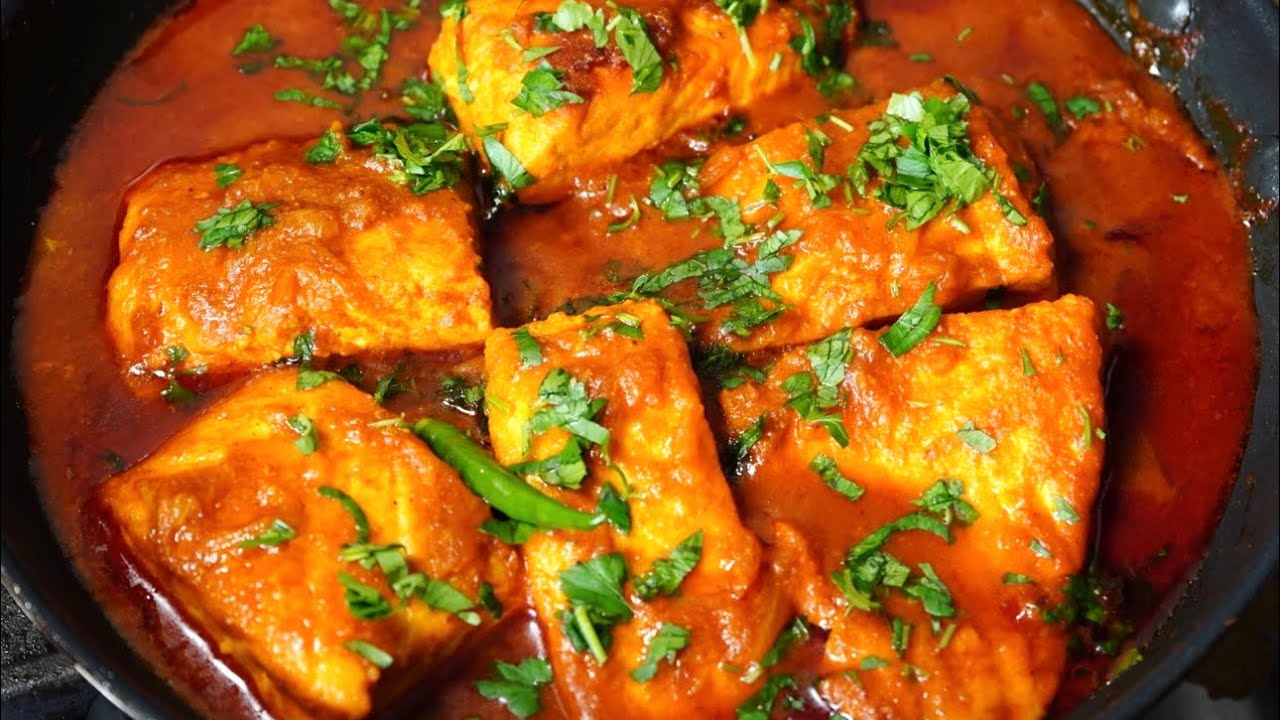
A rich and flavorful salmon curry recipe delivers the perfect balance of creamy texture, bold spices, and tender salmon fillets. This comforting dish combines aromatic ingredients with perfectly cooked salmon to create a restaurant-quality meal at home. Whether we are preparing dinner for the family or creating an impressive dish for guests, this curry offers deep flavor, satisfying warmth, and incredible versatility.
The combination of fresh salmon, coconut milk, garlic, ginger, curry spices, and tomatoes creates a luxurious sauce that pairs beautifully with rice, naan bread, or vegetables. The secret lies in layering flavors correctly and cooking the salmon gently to preserve its delicate texture.
Ingredients You’ll Need for Salmon Curry
Before we begin, let us gather all the ingredients required for this delicious recipe.
Main Ingredients
- 500g fresh salmon fillets
- 2 tablespoons vegetable oil
- 1 large onion, finely chopped
- 4 garlic cloves, minced
- 1 tablespoon fresh ginger, grated
- 2 medium tomatoes, chopped
- 1 cup coconut milk
- 2 tablespoons tomato paste
- 1 teaspoon turmeric powder
- 1 tablespoon curry powder
- 1 teaspoon paprika
- 1 teaspoon cumin
- 1 teaspoon coriander powder
- ½ teaspoon chili flakes
- Salt to taste
- Black pepper to taste
- Fresh cilantro for garnish
- 1 tablespoon lemon juice
Choosing the Best Salmon for Curry
Selecting high-quality salmon dramatically improves the final flavor and texture of the curry. We recommend using:
- Fresh Atlantic salmon
- Wild-caught salmon
- Skinless salmon fillets
- Boneless cuts for easy cooking
Fresh salmon should appear vibrant, firm, and moist without a strong fishy smell. Premium salmon absorbs curry flavors beautifully while remaining tender and juicy.
Essential Spices for Authentic Curry Flavor
The foundation of a great curry lies in its spice blend. Each spice contributes depth and complexity.
Turmeric
Adds earthy warmth and rich golden color.
Curry Powder
Provides the signature curry flavor profile.
Cumin
Creates smoky undertones.
Paprika
Adds sweetness and mild heat.
Coriander Powder
Introduces citrusy and nutty notes.
Chili Flakes
Enhance spice intensity without overpowering the salmon.
Step-by-Step Guide to Making Salmon Curry
Step 1: Prepare the Ingredients
Gather fresh salmon fillets, onions, garlic, ginger, tomatoes, coconut milk, curry powder, paprika, and cooking oil. Cut the salmon into medium-sized cubes and season lightly with salt and black pepper. Chop all vegetables before cooking to make the process smooth and organized.
Step 2: Cook the Curry Base
Heat oil in a pan over medium heat. Add chopped onions and sauté until soft and golden. Stir in garlic and ginger, then cook for about one minute until fragrant. Add tomatoes, curry powder, and paprika, allowing the spices to blend well and create a rich curry flavor.
Step 3: Add Coconut Milk
Pour coconut milk into the pan and stir thoroughly. Let the sauce simmer gently for 5–7 minutes until slightly thickened. This creates a creamy and flavorful curry sauce that perfectly complements the salmon.
Step 4: Cook the Salmon
Carefully place the salmon pieces into the simmering curry sauce. Cook for about 8–10 minutes on low heat until the salmon becomes tender and fully cooked. Avoid over-stirring so the fish keeps its shape.
Step 5: Serve and Enjoy
Taste the curry and adjust seasoning if needed. Garnish with fresh parsley or cilantro for extra flavor. Serve hot with steamed rice, naan bread, or boiled potatoes for a complete and satisfying meal.
Best Side Dishes for Salmon Curry
Steamed Jasmine Rice
Absorbs the creamy curry sauce beautifully.
Basmati Rice
Provides fragrant aroma and fluffy texture.
Garlic Naan Bread
Perfect for scooping up rich curry sauce.
Roasted Vegetables
Balances the richness with freshness and texture.
Cucumber Salad
Adds cooling contrast to spicy curry.
Tips for Making the Best Salmon Curry
Do Not Overcook the Salmon
Overcooked salmon becomes dry and loses its buttery texture.
Use Full-Fat Coconut Milk
Creates a richer, creamier curry consistency.
Cook the Spices Properly
Heating spices in oil unlocks deeper flavor and aroma.
Use Fresh Ginger and Garlic
Fresh ingredients provide stronger, cleaner taste compared to powders.
Simmer Gently
Low heat keeps the salmon tender and prevents the sauce from separating.
Variations of Salmon Curry
Thai Salmon Curry
Add:
- Red curry paste
- Kaffir lime leaves
- Thai basil
This creates a vibrant Thai-inspired flavor profile.
Indian Salmon Curry
Use:
- Garam masala
- Mustard seeds
- Curry leaves
Serve with basmati rice for a traditional Indian-style meal.
Spicy Salmon Curry
Increase chili flakes or add:
- Scotch bonnet pepper
- Cayenne pepper
- Fresh red chilies
Perfect for those who enjoy bold heat.
Healthy Salmon Curry
For a lighter version:
- Use light coconut milk
- Reduce oil
- Add spinach or kale
This version remains flavorful while lowering calories.
Nutritional Benefits of Salmon Curry
Rich in Omega-3 Fatty Acids
Salmon supports heart and brain health.
High in Protein
Provides essential nutrients for muscle maintenance.
Loaded with Antioxidants
Spices like turmeric and ginger contain powerful antioxidants.
Supports Immune Health
Garlic, ginger, and spices strengthen immunity naturally.
How to Store Salmon Curry
Allow the curry to cool completely before storing.
Place in an airtight container and refrigerate for up to:
- 3 days in the refrigerator
For freezing:
- Store for up to 2 months
Reheat gently over low heat to preserve the salmon texture.
Common Mistakes to Avoid
Cooking on High Heat
High temperatures can toughen the salmon.
Using Too Much Water
Excess liquid weakens curry flavor.
Skipping Fresh Herbs
Fresh cilantro adds brightness and balance.
Adding Salmon Too Early
Salmon cooks quickly and should be added near the end.
FAQs about Salmon Curry Recipe
1. Can we use canned salmon for salmon curry?
Yes, we can use canned salmon, but fresh salmon gives a better texture and richer flavor. Add canned salmon near the end so it does not break apart too much.
2. What type of curry works best with salmon?
We can use Indian curry powder, Thai red curry paste, or mild yellow curry. Thai-style curry works well with coconut milk, while Indian curry gives a deeper, spiced flavor.
3. How long should salmon cook in curry?
Salmon usually cooks in 6–8 minutes. We should avoid overcooking it because salmon can become dry and flaky too quickly.
4. Can we make salmon curry without coconut milk?
Yes. We can replace coconut milk with cream, yogurt, tomato sauce, or vegetable broth. Coconut milk gives the curry a creamy and slightly sweet flavor.
5. What can we serve with salmon curry?
Salmon curry pairs well with steamed rice, basmati rice, naan bread, flatbread, or boiled potatoes. A side of vegetables also makes it more balanced.
Final Thoughts
This rich and creamy salmon curry recipe combines bold spices, tender salmon, and luxurious coconut sauce into a deeply satisfying meal. With its comforting aroma, vibrant flavor, and simple cooking process, it remains one of the most impressive seafood dishes we can prepare at home.
The balance of heat, creaminess, freshness, and savory depth makes this recipe suitable for weeknight dinners, special occasions, and elegant family meals. When paired with fluffy rice or warm naan bread, every bite becomes incredibly flavorful and memorable.