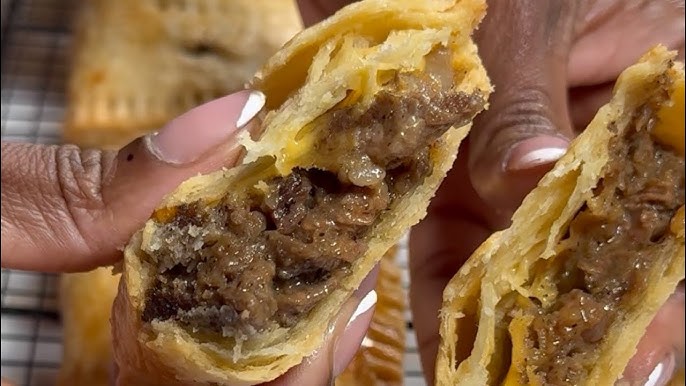
Creating a perfectly flaky and buttery rough puff pastry recipe at home is easier than many people think. This classic pastry technique delivers delicate layers, crisp texture, and rich buttery flavor without the long process of traditional puff pastry. Whether we are preparing savory pies, sausage rolls, fruit tarts, turnovers, or elegant pastries, rough puff pastry gives professional-quality results with less effort.
This detailed guide walks through every stage of making homemade rough puff pastry from scratch, including ingredient preparation, folding techniques, chilling methods, baking tips, and storage instructions.
What Is Rough Puff Pastry?
Rough puff pastry is a quicker variation of traditional puff pastry. Instead of laminating one large butter block into dough, we distribute chunks of cold butter directly into the flour. During baking, the butter melts and creates steam, forming the signature flaky layers.
The result is:
- Crispy golden layers
- Light and airy texture
- Rich buttery flavor
- Perfect rise during baking
- Faster preparation time
This pastry is ideal for both sweet and savory recipes.
Ingredients You’ll Need
Before we begin, let us gather all the ingredients required for this delicious recipe.
For the Rough Puff Pastry Dough
- 2 ½ cups all-purpose flour
- 1 teaspoon salt
- 1 cup unsalted butter (very cold)
- ½ cup ice-cold water
- 1 teaspoon lemon juice or white vinegar
Optional Ingredients
- 1 egg for egg wash
- Extra flour for dusting
- Sugar for sweet pastries
- Herbs or spices for savory pastries
Essential Kitchen Tools
To make the best rough puff pastry recipe, we recommend using:
- Rolling pin
- Pastry cutter or sharp knife
- Large mixing bowl
- Bench scraper
- Measuring cups
- Plastic wrap
- Baking tray
- Parchment paper
How to Prepare the Butter Properly
The secret to flaky rough puff pastry is keeping the butter extremely cold. Warm butter blends into the flour and prevents proper layering.
Best Butter Preparation Method
- Cut the butter into small cubes.
- Freeze the cubes for 10–15 minutes.
- Toss them lightly in flour before mixing.
This technique helps create visible butter pockets throughout the dough, producing flaky layers after baking.
Step-by-Step Guide to Making Rough Puff Pastry
Step 1: Prepare the Ingredients
Gather cold butter, all-purpose flour, salt, and ice water. Cut the butter into small cubes and keep it chilled. Cold ingredients are essential because they create the flaky layers that make rough puff pastry light and crisp.
Step 2: Mix the Dough
In a large bowl, combine the flour and salt. Add the cold butter cubes and lightly toss them in the flour. Pour in the ice water gradually while mixing until the dough starts to come together. Do not overmix; visible butter pieces are important for flakiness.
Step 3: Roll and Fold
Place the dough on a floured surface and shape it into a rectangle. Roll it out gently, then fold it into thirds like a letter. Rotate the dough and repeat the rolling and folding process. This creates the signature buttery layers.
Step 4: Chill the Dough
Wrap the dough in plastic wrap and refrigerate it for at least 30 minutes. Chilling keeps the butter cold and prevents the pastry from becoming tough during baking.
Step 5: Shape and Bake
Roll out the chilled dough to your desired thickness. Use it for pies, tarts, sausage rolls, or pastries. Bake in a preheated oven until golden brown and puffed. The pastry should become crisp, flaky, and beautifully layered.
How the Layers Form During Baking
When rough puff pastry enters a hot oven:
- Butter melts rapidly
- Water inside the butter turns to steam
- Steam pushes apart the dough layers
- Crisp flaky texture develops
This process creates the signature rise and delicate structure.
Best Temperature for Baking Rough Puff Pastry
The ideal baking temperature is:
- 400°F to 425°F
- 200°C to 220°C
High heat is critical for proper puffing.
Lower temperatures may cause:
- Butter leakage
- Dense texture
- Poor rise
How to Use Rough Puff Pastry
This versatile pastry works beautifully in many recipes.
Sweet Pastry Ideas
- Apple turnovers
- Berry tarts
- Cinnamon twists
- Chocolate pastries
- Fruit galettes
- Cream horns
Savory Pastry Ideas
- Sausage rolls
- Meat pies
- Chicken pot pie
- Cheese straws
- Spinach puffs
- Beef Wellington
Tips for Perfect Rough Puff Pastry
Always Keep Ingredients Cold
Warm butter ruins layering.
Chill:
- Butter
- Dough
- Rolling surface if necessary
Do Not Overwork the Dough
Overmixing develops gluten excessively, making pastry tough instead of flaky.
Work gently and efficiently.
Use Minimal Extra Flour
Too much flour during rolling can dry the dough.
Use only enough to prevent sticking.
Rest the Dough Between Folds
Chilling relaxes gluten and keeps butter firm.
Skipping chilling steps reduces flakiness.
Bake on a Preheated Tray
A hot baking tray helps create a crisp bottom crust.
Common Rough Puff Pastry Mistakes
Using Soft Butter
Soft butter blends into flour rather than creating layers.
Always use very cold butter.
Skipping Chilling Time
Warm dough becomes sticky and difficult to laminate properly.
Rolling Too Aggressively
Pressing too hard can crush butter layers.
Use steady, gentle pressure.
Adding Too Much Water
Wet dough becomes sticky and heavy.
Add water gradually.
Underbaking
Pale pastry often means the interior remains undercooked.
Bake until deeply golden brown.
How to Store Rough Puff Pastry
Refrigerator Storage
Wrap tightly and refrigerate for:
- Up to 3 days
Freezer Storage
Freeze pastry for:
- Up to 3 months
To use:
- Transfer to refrigerator overnight
- Thaw slowly
- Roll and bake as needed
Can We Make Rough Puff Pastry Ahead of Time?
Yes. In fact, rough puff pastry often performs better after resting overnight because the gluten relaxes fully and the butter chills completely.
This makes it perfect for:
- Holiday baking
- Dinner party preparation
- Weekly meal prep
- Bakery-style desserts
Why Homemade Rough Puff Pastry Tastes Better
Homemade pastry delivers:
- Fresher butter flavor
- Better texture
- Higher rise
- No preservatives
- Customizable ingredients
The flavor difference between homemade and store-bought pastry is substantial.
Serving Suggestions
Freshly baked rough puff pastry pairs beautifully with:
- Coffee
- Tea
- Hot chocolate
- Fresh fruit
- Whipped cream
- Custard
- Savory dipping sauces
Serve warm for the best texture and flavor.
FAQs about Rough Puff Pastry Recipe
1. What is rough puff pastry?
Rough Puff Pastry is a quick version of traditional puff pastry made by folding butter into dough several times. It creates flaky, buttery layers without the long preparation process of classic puff pastry.
2. How is rough puff pastry different from regular puff pastry?
Traditional puff pastry requires many folds and resting periods, while rough puff pastry is simpler and faster. Although the layers may be slightly less refined, it still delivers a delicious flaky texture perfect for pies, tarts, and pastries.
3. Why must the butter stay cold?
Cold butter is essential because it creates steam while baking, which forms the flaky layers. If the butter melts before baking, the pastry may become dense instead of light and crispy.
4. Can we freeze rough puff pastry?
Yes, rough puff pastry freezes very well. We can wrap the dough tightly in plastic wrap and store it in the freezer for up to 2 months. Thaw it in the refrigerator before rolling and baking.
5. What can we make with rough puff pastry?
Rough puff pastry is versatile and can be used for sausage rolls, fruit tarts, meat pies, cheese pastries, turnovers, and savory appetizers. Its buttery texture makes it suitable for both sweet and savory recipes.
Final Thoughts
This homemade rough puff pastry recipe creates beautifully flaky, buttery layers with less effort than traditional puff pastry. By using cold ingredients, proper folding techniques, and careful chilling, we can achieve bakery-quality pastry right from our own kitchen.
Whether preparing elegant desserts, savory appetizers, or comforting pies, rough puff pastry delivers exceptional texture, flavor, and versatility every time.
Bookmark this complete step-by-step rough puff pastry guide and enjoy perfectly crisp, golden pastry whenever inspiration strikes.