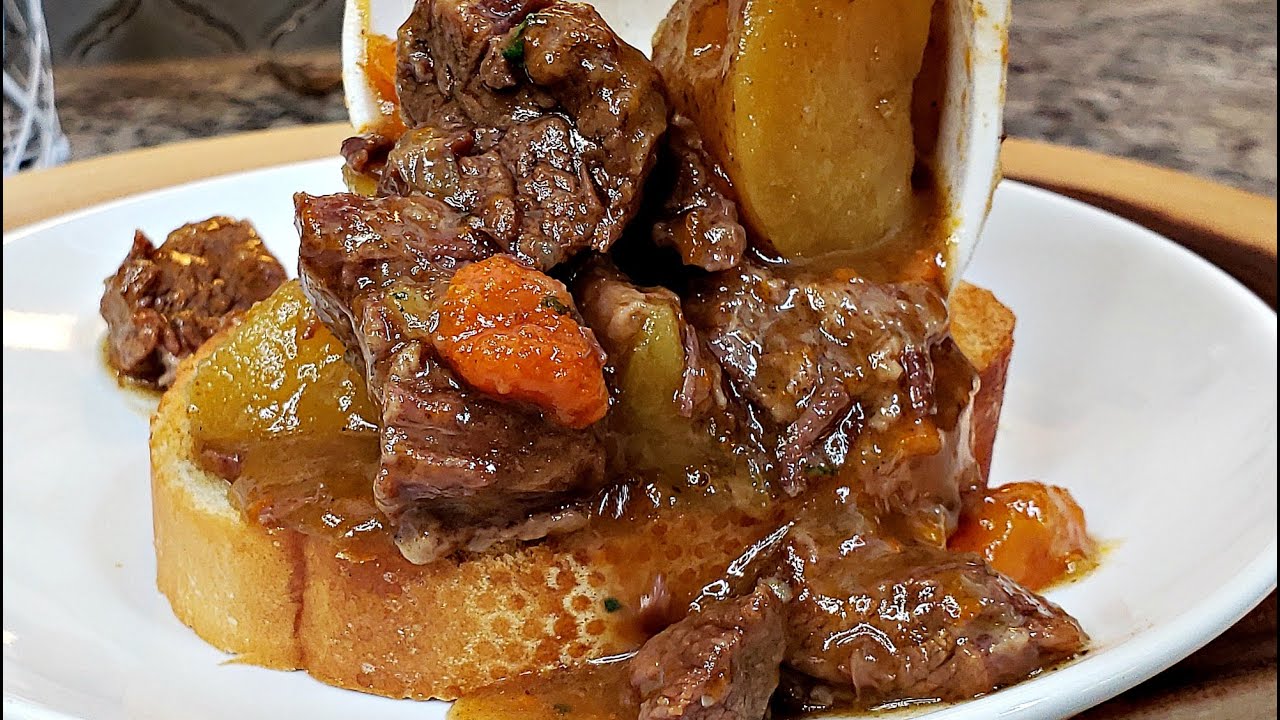
Pressure Cooker Beef Stew Recipe: Nothing compares to a bowl of rich, hearty, and deeply flavorful Pressure Cooker Beef Stew. Using a pressure cooker transforms tough cuts of beef into melt-in-your-mouth perfection while dramatically reducing cooking time. This comforting classic combines tender beef, savory broth, vegetables, and aromatic herbs into a satisfying one-pot meal ideal for family dinners, cold evenings, or meal prep.
This detailed guide covers everything needed to create the ultimate homemade beef stew with bold flavor, thick texture, and perfectly cooked ingredients every single time.
Why Pressure Cooker Beef Stew Is the Best Comfort Food
Traditional beef stew can take several hours to develop flavor and tenderness. A pressure cooker changes everything by locking in moisture and intensifying flavors quickly. The result is a stew that tastes like it simmered all day while taking a fraction of the time.
A well-made pressure cooker beef stew delivers:
- Tender beef chunks
- Rich and savory broth
- Perfectly cooked vegetables
- Deep, slow-cooked flavor
- Minimal cleanup
- Easy meal prep options
Whether using an electric pressure cooker or stovetop model, this recipe guarantees restaurant-quality results at home.
Ingredients You’ll Need
For the Beef Stew
- 2 pounds beef chuck roast, cut into large cubes
- 2 tablespoons olive oil
- 1 teaspoon salt
- 1 teaspoon black pepper
- 2 tablespoons all-purpose flour
- 1 medium onion, diced
- 4 garlic cloves, minced
- 3 tablespoons tomato paste
- 4 cups beef broth
- 2 tablespoons Worcestershire sauce
- 1 teaspoon smoked paprika
- 1 teaspoon dried thyme
- 1 teaspoon dried rosemary
- 2 bay leaves
- 4 large carrots, sliced
- 4 medium potatoes, cubed
- 2 celery stalks, chopped
- 1 cup peas
- 2 tablespoons cornstarch
- 2 tablespoons water
Best Beef Cut for Pressure Cooker Beef Stew
The ideal cut for beef stew is beef chuck roast because it contains connective tissue and marbling that become incredibly tender under pressure. Avoid lean cuts because they tend to dry out and become chewy.
Excellent stew meat options include:
- Chuck roast
- Bottom round
- Brisket
- Short ribs
For maximum flavor, choose meat with visible marbling.
Kitchen Equipment Needed
To prepare this recipe efficiently, gather the following:
- Pressure cooker or Instant Pot
- Sharp knife
- Cutting board
- Wooden spoon
- Mixing bowl
- Measuring cups and spoons
Step-by-Step Guide to Making Pressure Cooker Beef Stew
Step 1: Prepare the Ingredients
We start by cutting beef into bite-sized cubes and seasoning it with salt, pepper, and a little flour (optional for thickening). Chop onions, carrots, potatoes, and garlic to ensure everything cooks evenly.
Step 2: Sear the Beef
Set the pressure cooker to sauté mode and heat a bit of oil. Add the beef in batches and brown all sides. This step locks in flavor and gives the stew a rich taste. Remove the beef and set aside.
Step 3: Build the Flavor Base
In the same pot, sauté the onions and garlic until fragrant. Stir in tomato paste, then deglaze with beef broth or water, scraping up browned bits from the bottom—this adds depth to the stew.
Step 4: Pressure Cook
Return the beef to the pot and add carrots, potatoes, herbs (like thyme or bay leaf), and more broth if needed. Seal the lid and cook on high pressure for 30–35 minutes. Allow a natural pressure release for best texture.
Step 5: Thicken and Serve
Open the lid and check consistency. If needed, simmer on sauté mode or add a cornstarch slurry to thicken. Taste and adjust seasoning. Serve hot with bread or rice for a complete meal.
Result: A tender, flavorful beef stew made quickly and efficiently using a pressure cooker.
How to Make Beef Stew Taste Even Better
Several simple techniques dramatically improve flavor.
Brown the Meat Properly
Never skip searing. Deep browning adds complexity and richness impossible to achieve otherwise.
Use Quality Beef Broth
A rich broth creates a more luxurious stew base.
Add Tomato Paste
Tomato paste intensifies savory depth and balances the broth.
Use Worcestershire Sauce
This ingredient adds umami and enhances beef flavor significantly.
Allow Natural Pressure Release
Natural release keeps meat juicy and tender.
Common Mistakes to Avoid
Overcrowding the Pot While Browning
Crowding causes steaming instead of browning.
Using Lean Meat
Lean beef becomes dry and tough under pressure.
Skipping Deglazing
Failing to scrape the pot can trigger burn notices.
Overcooking Vegetables
Cut vegetables into larger chunks so they maintain texture.
Best Vegetables for Beef Stew
Pressure cooker beef stew is highly customizable.
Excellent additions include:
- Mushrooms
- Parsnips
- Sweet potatoes
- Turnips
- Green beans
- Pearl onions
Choose vegetables that hold up well under pressure cooking.
How to Store Pressure Cooker Beef Stew
Allow stew to cool before storing.
Refrigerator
Store in airtight containers for:
- Up to 4 days
Freezer
Freeze for:
- Up to 3 months
Thaw overnight in the refrigerator before reheating.
How to Reheat Beef Stew
Stovetop Method
Heat over medium-low heat until warmed through.
Microwave Method
Heat in intervals while stirring occasionally.
Add extra broth if the stew becomes too thick.
What to Serve with Pressure Cooker Beef Stew
This hearty dish pairs perfectly with:
- Crusty bread
- Garlic bread
- Dinner rolls
- Mashed potatoes
- Rice
- Buttered noodles
- Biscuits
Fresh parsley sprinkled on top adds color and freshness.
Pressure Cooker Beef Stew Variations
Red Wine Beef Stew
Replace part of the broth with red wine for richer flavor.
Spicy Beef Stew
Add red pepper flakes or diced jalapeños.
Low-Carb Version
Replace potatoes with cauliflower or turnips.
Herb-Loaded Version
Use fresh rosemary and thyme for enhanced aroma.
Nutritional Benefits of Beef Stew
Pressure cooker beef stew provides a balanced combination of:
- Protein
- Iron
- Fiber
- Potassium
- Vitamin A
- Vitamin C
The vegetables and broth create a nourishing and filling meal ideal for colder seasons.
Tips for the Thickest, Richest Stew
For an ultra-rich consistency:
- Simmer uncovered after pressure cooking
- Use less broth initially
- Add extra cornstarch slurry
- Mash a few potatoes into the broth
These methods naturally thicken the stew while boosting texture.
FAQs about Pressure Cooker Beef Stew Recipe
1. Can we use frozen beef for pressure cooker beef stew?
Yes, but it is better to thaw the beef first for even cooking and better browning. Browning the beef before pressure cooking gives the stew a deeper, richer flavor.
2. How long does beef stew take in a pressure cooker?
Most pressure cooker beef stew recipes take about 35 to 45 minutes under pressure, depending on the size and toughness of the beef pieces. Extra time may be needed for pressure release.
3. Why is my beef stew watery?
Beef stew can become watery if too much broth is added or if the vegetables release extra liquid. To thicken it, we can simmer after pressure cooking or stir in a cornstarch slurry.
4. Can we add potatoes and carrots at the beginning?
Yes, but they may become very soft. For firmer vegetables, add them halfway through or use larger chunks so they hold their shape better.
5. What cut of beef is best for pressure cooker beef stew?
Chuck roast is one of the best cuts because it becomes tender and flavorful under pressure. Stew beef, brisket, or short rib meat can also work well.
Final Thoughts
A homemade Pressure Cooker Beef Stew Recipe delivers everything expected from classic comfort food: tender meat, rich broth, hearty vegetables, and incredible flavor in every bite. Using a pressure cooker creates deeply developed taste in far less time while preserving texture and moisture beautifully.
This recipe is perfect for busy weeknights, family dinners, meal prep, or cozy gatherings. With simple ingredients and powerful flavor, it remains one of the most satisfying one-pot meals you can make at home.