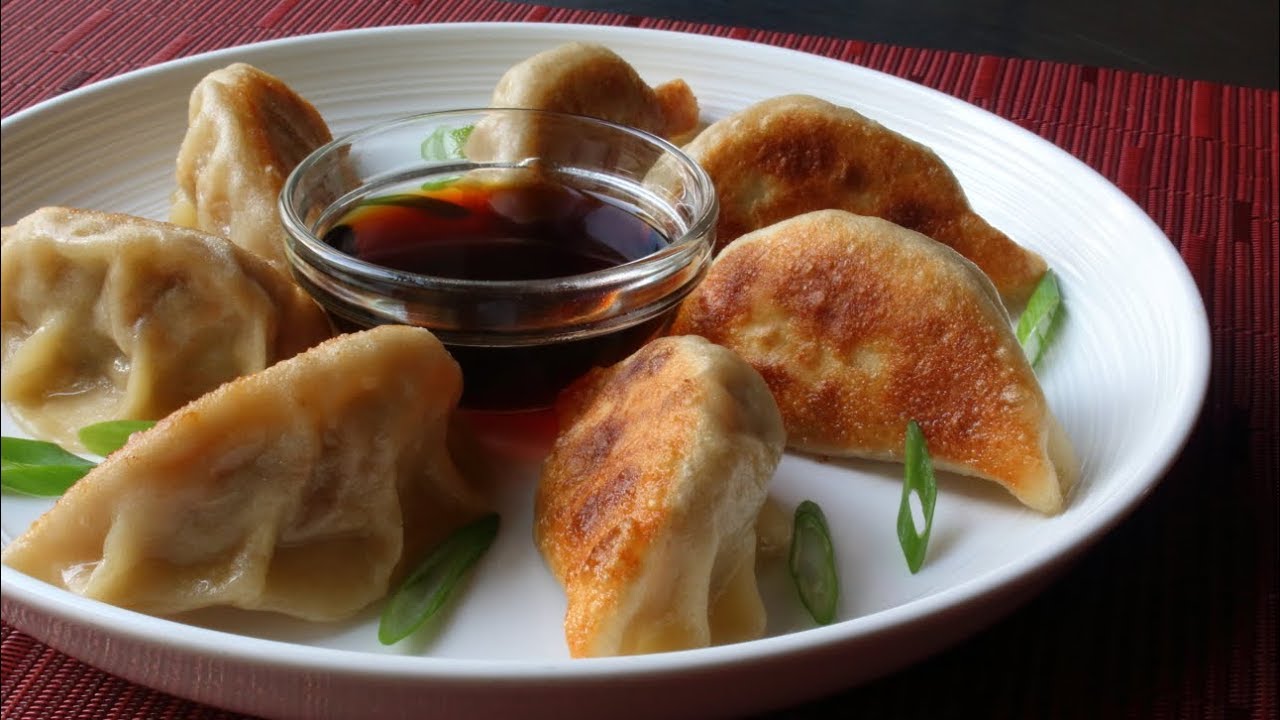
Potstickers Recipe: Potstickers are one of the most satisfying dumplings we can prepare at home because they deliver everything we want in one bite: a tender wrapper, juicy filling, golden-crisp bottom, savory aroma, and a flavorful dipping sauce. This potstickers recipe gives us a practical, detailed, and reliable way to make restaurant-style potstickers from scratch using simple ingredients and clear cooking techniques.
Whether we are preparing them for a family dinner, party appetizer, meal prep, or weekend cooking project, homemade potstickers give us full control over the filling, seasoning, texture, and crispness. With the right method, we can create potstickers that are crispy on the bottom, soft on top, juicy inside, and deeply flavorful.
Ingredients You’ll Need for Homemade Potstickers
For the Potsticker Filling
- 1 pound ground pork
- 2 cups finely shredded Napa cabbage
- 2 green onions, finely chopped
- 2 cloves garlic, minced
- 1 tablespoon fresh ginger, grated
- 1 tablespoon soy sauce
- 1 tablespoon sesame oil
- 1 tablespoon oyster sauce
- 1 teaspoon rice vinegar
- 1 teaspoon sugar
- 1/2 teaspoon salt
- 1/4 teaspoon white pepper or black pepper
- 1 teaspoon cornstarch
- 1 egg, lightly beaten
- 1/2 cup finely chopped mushrooms, optional
- 1/4 cup finely chopped carrots, optional
For the Wrappers
- 35 to 40 round dumpling wrappers
- Small bowl of water, for sealing
For Cooking the Potstickers
- 2 tablespoons neutral oil, such as vegetable, canola, or sunflower oil
- 1/2 cup water, for steaming
- 1 teaspoon sesame oil, optional for finishing
For the Dipping Sauce
- 3 tablespoons soy sauce
- 1 tablespoon rice vinegar
- 1 teaspoon sesame oil
- 1 teaspoon chili oil, optional
- 1 teaspoon honey or sugar
- 1 small garlic clove, minced
- 1 teaspoon chopped green onion
- A pinch of sesame seeds, optional
Step-by-Step Guide to Making Potstickers
1. Prepare the Filling
In a bowl, combine ground pork, chicken, shrimp, or vegetables with finely chopped cabbage, green onions, garlic, ginger, soy sauce, sesame oil, salt, and pepper. Mix everything well until the filling becomes slightly sticky. This helps the ingredients bind together and gives the potstickers a juicy texture.
2. Fill the Wrappers
Place a dumpling wrapper on a clean surface. Add about one teaspoon of filling in the center. Avoid overfilling, as too much filling can make the wrapper difficult to seal and may cause it to burst while cooking.
3. Seal the Potstickers
Dip your finger in water and moisten the edges of the wrapper. Fold the wrapper in half over the filling, then press the edges together. For a traditional look, create small pleats along one side while sealing. Make sure the potstickers are tightly closed.
4. Pan-Fry and Steam
Heat a little oil in a non-stick pan over medium heat. Arrange the potstickers flat-side down and cook for 2–3 minutes until the bottoms turn golden brown. Add a small amount of water, cover the pan, and let them steam for 5–7 minutes until the filling is cooked through.
5. Serve and Enjoy
Remove the lid and allow any remaining water to evaporate. Let the bottoms crisp again for another minute. Serve hot with a dipping sauce made from soy sauce, vinegar, chili oil, and sesame oil.
Tips for the Best Potstickers Recipe
For the best homemade potstickers, we keep the filling finely chopped and evenly mixed. Large chunks can tear the wrappers or make the dumplings uneven. We also avoid adding too much liquid to the filling, especially if using watery vegetables.
The pan must be hot enough before adding the potstickers. A properly heated pan helps create a crisp bottom without making the wrappers greasy. We also avoid overcrowding the pan because crowded potstickers steam too much and may stick together.
When sealing the wrappers, we press firmly around the edges to remove air pockets. Trapped air can expand during cooking and cause the dumplings to open. If the wrapper edges feel dry, we add a little more water before sealing.
How to Store Potstickers
Uncooked potstickers can be stored in the refrigerator for a few hours, but they are best cooked the same day. For longer storage, we freeze them. We place the uncooked potstickers on a parchment-lined tray in a single layer and freeze until firm. Once frozen, we transfer them to a freezer bag or airtight container.
Frozen potstickers can be cooked directly from frozen. We do not need to thaw them. We simply add a few extra minutes to the steaming time to make sure the filling cooks completely.
Cooked potstickers can be stored in an airtight container in the refrigerator for up to 3 days. To reheat, we place them in a skillet with a little oil and warm them over medium heat until the bottoms become crisp again.
What to Serve with Potstickers
Potstickers pair beautifully with simple Asian-inspired sides. We can serve them with fried rice, steamed jasmine rice, garlic noodles, cucumber salad, hot and sour soup, egg drop soup, stir-fried vegetables, or sesame cabbage slaw.
For a complete meal, we can serve potstickers with a fresh vegetable dish and a light soup. The crispy dumplings provide richness, while the vegetables and soup balance the meal.
Common Mistakes to Avoid When Making Potstickers
One common mistake is overfilling the wrappers. When we use too much filling, the dumplings become difficult to seal and may break while cooking. Another mistake is cooking on heat that is too high. High heat can burn the bottoms before the filling is cooked.
We should also avoid skipping the steaming step. Potstickers need both frying and steaming to achieve the correct texture. Frying alone will not fully cook the filling, while steaming alone will not create the crisp bottom.
Another mistake is using a pan that sticks easily. A nonstick skillet or well-seasoned pan makes the process much smoother and helps the potstickers release cleanly.
Homemade Potstickers Recipe Variations
We can customize this potstickers recipe in many ways. For a chicken version, we replace the pork with ground chicken and add a little extra sesame oil for richness. For a shrimp version, we use chopped raw shrimp with a small amount of ground pork or chicken for structure.
For a vegetarian potsticker filling, we can use finely chopped mushrooms, cabbage, carrots, tofu, green onions, garlic, and ginger. The mushrooms bring a savory flavor, while tofu gives softness and body.
For a spicy version, we add chili garlic sauce, crushed red pepper, or finely chopped fresh chili to the filling. For a sweeter and more aromatic flavor, we add a small amount of hoisin sauce.
FAQs about Potstickers Recipe
Can We Make Potstickers Ahead of Time?
Yes, we can make potstickers ahead of time and freeze them before cooking. This makes them perfect for meal prep. We freeze them in a single layer first, then store them in freezer bags.
Can We Use Store-Bought Dumpling Wrappers?
Yes, store-bought dumpling wrappers work very well and save time. We keep them covered with a damp towel while wrapping so they do not dry out.
Why Are My Potstickers Sticking to the Pan?
Potstickers may stick if the pan is not nonstick, the oil is not hot enough, or the dumplings are moved too early. We let the crust form before adding water.
How Do We Know When Potstickers Are Cooked?
The wrappers should be tender, the bottoms should be golden brown, and the filling should be fully cooked. Pork potstickers should not be pink in the center.
Can We Cook Frozen Potstickers Without Thawing?
Yes, frozen potstickers can go straight into the pan. We pan-fry them first, then steam them with a little extra cooking time until fully done.
Final Thoughts
This potstickers recipe gives us a complete method for making flavorful, crispy, juicy dumplings at home. By preparing the filling carefully, sealing the wrappers properly, and using the pan-fry-and-steam method, we create potstickers with the perfect balance of texture and taste.
With a golden bottom, tender wrapper, savory pork filling, and bold dipping sauce, these homemade potstickers are ideal for family meals, gatherings, appetizers, or freezer-friendly cooking. Once we master this method, we can easily adjust the filling, sauce, and seasonings to create our own perfect version every time.