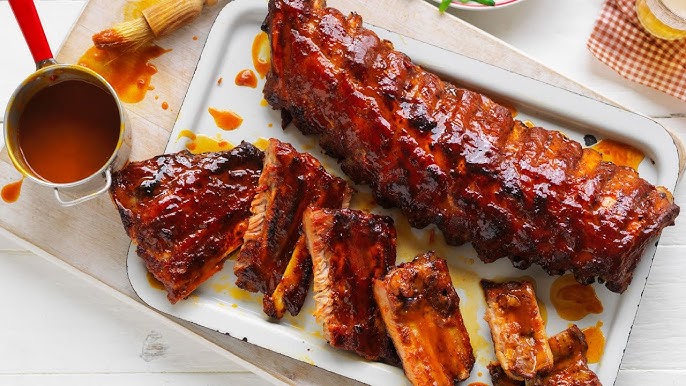
A well-balanced pork rib rub recipe is the foundation of deeply seasoned, tender, and flavorful ribs. Whether we are preparing ribs for the smoker, grill, oven, or slow cooker, the right dry rub creates a rich crust, enhances the natural sweetness of pork, and delivers layers of smoky, savory, spicy, and slightly sweet flavor in every bite.
This homemade pork rib rub is made with pantry-friendly spices and can be prepared in minutes. It works beautifully on baby back ribs, spare ribs, St. Louis-style ribs, country-style ribs, pork shoulder, pork chops, and grilled pork belly. The blend is bold enough for barbecue but balanced enough for everyday cooking.
Ingredients You’ll Need for Pork Rib Rub
To make a flavorful and reliable dry rub for pork ribs, we need the right balance of sweetness, saltiness, smokiness, warmth, and mild heat.
Main Ingredients
- 1/4 cup brown sugar
- 2 tablespoons smoked paprika
- 1 tablespoon kosher salt
- 1 tablespoon black pepper
- 1 tablespoon garlic powder
- 1 tablespoon onion powder
- 2 teaspoons chili powder
- 2 teaspoons mustard powder
- 1 teaspoon cayenne pepper
- 1 teaspoon ground cumin
- 1 teaspoon dried thyme
- 1 teaspoon ground coriander
- 1/2 teaspoon white pepper
- 1/2 teaspoon ground cinnamon
Best Spices for Pork Rib Rub
The strength of this pork rib seasoning comes from how each ingredient supports the meat. Brown sugar gives the ribs a beautiful caramelized finish and helps create that sticky, dark barbecue crust. Smoked paprika adds deep color and a smoky aroma, especially useful when cooking ribs in the oven instead of a smoker.
Kosher salt is essential because it draws flavor into the pork and helps the meat taste fully seasoned from the first bite to the last. Black pepper adds boldness, while garlic powder and onion powder provide a savory backbone. Chili powder, cumin, mustard powder, and cayenne pepper bring warmth, depth, and a gentle barbecue-style kick.
For a more complex rub, thyme, coriander, white pepper, and cinnamon give the seasoning a rounded flavor without overpowering the pork.
Step-by-Step Guide to Making Pork Rib Rub
Step 1: Measure the Dry Ingredients Carefully
We begin by measuring each spice accurately. A great pork rib rub recipe depends on balance. Too much sugar can burn quickly on high heat, while too much salt can overpower the ribs. Measuring the ingredients helps us achieve a consistent flavor every time.
Add the brown sugar, smoked paprika, kosher salt, black pepper, garlic powder, onion powder, chili powder, mustard powder, cayenne pepper, cumin, thyme, coriander, white pepper, and cinnamon into a clean mixing bowl.
Step 2: Break Up the Brown Sugar
Brown sugar often forms small clumps because of its moisture content. Before mixing the rub, we should break up those clumps using a fork, spoon, or clean fingers. This helps the sugar distribute evenly throughout the spice blend.
A smooth rub sticks better to pork ribs and prevents some bites from tasting too sweet while others taste too salty or spicy.
Step 3: Mix Until Fully Combined
Stir the ingredients thoroughly until the color looks even. The rub should have a deep reddish-brown appearance from the smoked paprika, chili powder, and brown sugar.
For a finer texture, we can pulse the rub briefly in a spice grinder or food processor. This step is optional, but it helps the seasoning cling more evenly to the ribs.
Step 4: Taste and Adjust the Rub
Before applying the rub to the pork, taste a small pinch. The flavor should be sweet, smoky, salty, savory, and slightly spicy. If we prefer a sweeter barbecue flavor, add one extra tablespoon of brown sugar. For a hotter rub, increase the cayenne pepper. For a smokier rub, add more smoked paprika.
A good pork rib rub should taste slightly stronger on its own because the flavor becomes softer once it cooks into the meat.
Step 5: Prepare the Pork Ribs
Before seasoning, remove the ribs from their packaging and pat them dry with paper towels. Moisture on the surface can prevent the rub from sticking properly.
For the best texture, remove the thin membrane from the back of the ribs. Slide a butter knife under the membrane at one end, lift it gently, then grip it with a paper towel and pull it away. Removing the membrane helps the seasoning reach the meat and makes the ribs easier to bite through.
Step 6: Apply a Binder
A binder helps the dry rub stick to the ribs. We can use yellow mustard, olive oil, apple cider vinegar, hot sauce, Worcestershire sauce, or a thin layer of barbecue sauce.
Yellow mustard is one of the best choices because it does not make the ribs taste strongly of mustard after cooking. It simply helps the rub attach to the meat and adds a mild tangy layer.
Spread a thin coating over both sides of the ribs.
Step 7: Season the Ribs Generously
Sprinkle the pork rib rub evenly over the ribs. Start with the bone side, then flip the ribs and season the meat side more generously.
Press the rub gently into the meat instead of rubbing aggressively. Pressing helps the seasoning attach without creating wet patches or uneven areas.
For one full rack of ribs, use about 2 to 3 tablespoons of dry rub. For thicker spare ribs or St. Louis-style ribs, use slightly more.
Step 8: Let the Rub Rest on the Ribs
After seasoning, let the ribs rest for at least 30 minutes before cooking. For deeper flavor, cover the ribs and refrigerate them for 2 to 12 hours.
This resting period allows the salt and spices to begin penetrating the meat. The surface will become slightly moist as the rub blends with the natural juices of the pork, creating a flavorful base for a rich crust.
How to Cook Ribs with Pork Rib Rub
Oven-Baked Pork Ribs
Preheat the oven to 275°F. Place the seasoned ribs on a foil-lined baking tray, cover tightly with foil, and bake for 2 1/2 to 3 hours, depending on thickness. Remove the foil, brush with barbecue sauce if desired, and bake uncovered for another 15 to 20 minutes.
This method produces tender ribs with a flavorful spice crust and juicy interior.
Smoked Pork Ribs
Preheat the smoker to 225°F. Place the seasoned ribs directly on the smoker grates and cook for about 5 to 6 hours, depending on the size of the rack. Use wood such as hickory, apple, cherry, pecan, or oak.
For extra moisture, spritz the ribs every hour with apple juice, apple cider vinegar, or a mix of both.
Grilled Pork Ribs
Set up the grill for indirect heat. Cook the ribs over the cooler side of the grill at about 275°F to 300°F. Cover and cook until tender, turning occasionally. Finish over direct heat for a few minutes to develop a deeper crust.
This method gives the ribs a smoky, charred, and slightly caramelized finish.
Best Tips for Perfect Pork Rib Rub
Use fresh spices for the best flavor. Old paprika, garlic powder, or chili powder can taste flat and dull. Always store the rub in an airtight container away from heat, light, and moisture.
Do not apply too much rub. A thick layer can become gritty after cooking. The goal is to coat the ribs evenly, not bury the meat under seasoning.
Control the sugar based on your cooking method. If grilling over higher heat, reduce the brown sugar slightly to prevent burning. If smoking low and slow, the full amount of sugar works beautifully.
For a stronger barbecue flavor, add 1 teaspoon of chipotle powder. For a sweeter Kansas City-style rub, add more brown sugar. For a Southern-style savory rub, reduce the sugar and increase black pepper and mustard powder.
How to Store Homemade Pork Rib Rub
Store the finished pork rib rub in a clean, dry, airtight jar or spice container. Keep it in a cool pantry or cabinet. When stored properly, the rub stays fresh for about 3 months, although the best flavor is usually within the first month.
Label the container with the date so we know when it was made. Always use a dry spoon when scooping the rub to prevent moisture from entering the jar.
How Much Rub to Use on Pork Ribs
For baby back ribs, use about 2 tablespoons per rack. For St. Louis-style ribs, use about 3 tablespoons per rack. For spare ribs, use 3 to 4 tablespoons, depending on size.
The meat side should always receive more seasoning than the bone side. A light coating on the bone side is enough, while the top meaty side needs a fuller layer to develop flavor and color.
Flavor Variations for Pork Rib Rub
Sweet BBQ Pork Rib Rub
Add extra brown sugar and a small amount of ground cinnamon for a sweeter barbecue flavor. This version is excellent for oven-baked ribs and family-style barbecue.
Spicy Pork Rib Rub
Increase the cayenne pepper, add chipotle powder, and include a little crushed red pepper. This version works well for smoked ribs and grilled ribs.
Smoky Pork Rib Rub
Use extra smoked paprika and add a small amount of ground chipotle. This is ideal when cooking ribs indoors and we still want a smoky barbecue taste.
Savory Pork Rib Rub
Reduce the brown sugar and increase the black pepper, garlic powder, onion powder, and mustard powder. This creates a stronger, less sweet rub that pairs well with pork spare ribs.
What to Serve with Pork Ribs
Pork ribs seasoned with this dry rub pair well with coleslaw, baked beans, cornbread, potato salad, grilled corn, macaroni and cheese, roasted potatoes, pickles, and fresh garden salad. For a lighter plate, serve the ribs with cucumber salad, steamed vegetables, or cabbage slaw.
The bold seasoning also works beautifully with sauces such as classic barbecue sauce, honey mustard sauce, spicy vinegar sauce, or smoky tomato glaze.
FAQs about Pork Rib Rub Recipe
1. What is the best seasoning for pork rib rub?
The best pork rib rub usually includes brown sugar, paprika, garlic powder, onion powder, salt, black pepper, chili powder, and cayenne pepper. This combination gives the ribs a perfect balance of sweet, smoky, savory, and slightly spicy flavor.
2. How long should we leave dry rub on pork ribs?
We should leave the dry rub on pork ribs for at least 30 minutes before cooking. For deeper flavor, we can let the ribs rest with the rub for 2 to 12 hours in the refrigerator. This helps the seasoning absorb better into the meat.
3. Should we put oil or mustard on ribs before the rub?
Yes, we can apply a thin layer of mustard, olive oil, or apple cider vinegar before adding the rub. This helps the seasoning stick to the ribs. Mustard is popular because it adds mild tanginess without overpowering the pork flavor.
4. Can pork rib rub be made ahead of time?
Yes, pork rib rub can be made ahead and stored in an airtight container. Keep it in a cool, dry place away from sunlight. For the best flavor, we should use it within 3 to 6 months.
5. Can we use pork rib rub on other meats?
Absolutely. A good pork rib rub can also be used on pork shoulder, pork chops, chicken, beef brisket, and grilled vegetables. It works especially well on meats that benefit from smoky, sweet, and savory seasoning.
Final Thoughts
This pork rib rub recipe gives us a dependable seasoning blend for tender, flavorful, and beautifully colored ribs. With the right mix of brown sugar, smoked paprika, garlic, onion, pepper, mustard, cumin, and chili powder, we create ribs that taste rich, smoky, savory, and perfectly balanced.
Whether we cook the ribs in the oven, on the grill, or in a smoker, this homemade dry rub helps build the kind of deep barbecue flavor that makes pork ribs memorable.