A pork rib roast recipe is one of the most impressive and rewarding dishes we can prepare for a family dinner, holiday table, Sunday lunch, or special gathering. With its rich flavor, juicy texture, and elegant presentation, pork rib roast delivers the perfect balance of tender meat, golden fat, savory seasoning, and roasted aroma. When cooked properly, the meat becomes beautifully moist while the outside develops a flavorful crust that makes every slice memorable.
This step-by-step pork rib roast guide shows us how to prepare, season, roast, rest, and serve a perfectly cooked pork rib roast with confidence. We will focus on simple ingredients, accurate cooking methods, and practical kitchen techniques that help us achieve a tender, flavorful roast without making the process complicated.
Ingredients You’ll Need for Pork Rib Roast
To make a delicious pork rib roast, we need ingredients that enhance the natural flavor of the meat without overpowering it. A good pork rib roast already has excellent flavor, so our seasoning should support the meat with herbs, garlic, salt, pepper, and a touch of richness.
Main Ingredients
- 1 pork rib roast, about 4 to 6 pounds
- 2 tablespoons olive oil
- 2 tablespoons unsalted butter, softened
- 1 tablespoon kosher salt
- 2 teaspoons freshly ground black pepper
- 1 tablespoon garlic powder
- 1 tablespoon onion powder
- 2 teaspoons smoked paprika
- 1 tablespoon fresh rosemary, finely chopped
- 1 tablespoon fresh thyme, finely chopped
- 1 teaspoon dried sage
- 4 to 6 garlic cloves, minced
- 1 tablespoon Dijon mustard
- 1 tablespoon lemon juice
- 1 cup chicken broth
- 1 large onion, sliced
- 2 carrots, chopped
- 2 celery stalks, chopped
Optional Ingredients for Extra Flavor
- 1 teaspoon brown sugar for mild caramelization
- 1 teaspoon crushed red pepper flakes for gentle heat
- 1 cup white wine for the roasting pan
- Fresh parsley for garnish
- Apple slices for a sweeter roasted flavor
- Whole garlic bulbs for serving on the side
Choosing the Best Pork Rib Roast
A great pork rib roast recipe begins with the right cut of meat. Pork rib roast comes from the rib section of the loin and usually includes the rib bones. The bones help protect the meat during roasting and add flavor while giving the dish a beautiful presentation.
We should look for a roast with good marbling, a fresh pink color, and a nice layer of fat on top. The fat is important because it melts slowly during roasting, keeping the pork juicy and flavorful. A bone-in pork rib roast is often preferred because it delivers a richer taste and looks impressive when served.
For a smaller family meal, a 3 to 4-pound roast works well. For a larger gathering, a 5 to 7-pound pork rib roast gives us more portions and makes a stronger centerpiece. We should plan for about ¾ pound per person when serving bone-in pork rib roast.
Preparing the Pork Rib Roast Before Cooking
Before seasoning, we should remove the pork rib roast from the refrigerator and allow it to sit at room temperature for about 45 minutes to 1 hour. This helps the meat cook more evenly. Roasting cold pork straight from the fridge can cause the outside to cook faster than the center, leading to uneven texture.
Next, we pat the roast dry with paper towels. This step is important because a dry surface helps the seasoning stick better and encourages a beautiful crust. Moisture on the surface can create steam, which prevents proper browning.
We should also check the fat cap. A thin layer of fat is excellent, but if the fat is too thick, we can trim it slightly. We want enough fat to baste the meat naturally, but not so much that the seasoning cannot reach the surface.
How to Make the Pork Rib Roast Seasoning
The seasoning blend is what gives this pork rib roast recipe its deep, savory flavor. In a small bowl, we combine olive oil, softened butter, minced garlic, Dijon mustard, lemon juice, rosemary, thyme, sage, salt, black pepper, garlic powder, onion powder, and smoked paprika.
We mix everything together until it forms a thick paste. This paste coats the pork beautifully and creates a flavorful crust while roasting. The mustard adds tang, the butter adds richness, the garlic gives depth, and the herbs bring classic roasted flavor.
For a slightly sweet and smoky finish, we can add a small amount of brown sugar. This helps the exterior caramelize, but we should use it lightly so the roast does not taste too sweet.
Seasoning the Pork Rib Roast Properly
We place the pork rib roast on a clean board and rub the seasoning paste all over the meat. We should cover the top, sides, and areas around the bones. The more evenly we apply the seasoning, the more flavorful each slice will be.
For deeper flavor, we can season the pork rib roast several hours ahead or even overnight. After rubbing the seasoning on the meat, we place the roast uncovered or loosely covered in the refrigerator. This dry-brining method allows the salt to penetrate the meat and improves both flavor and texture.
Before roasting, we should bring the seasoned roast back toward room temperature. This gives us a more even cook and better final result.
Setting Up the Roasting Pan
A good roasting setup helps the pork cook evenly while creating flavorful pan juices. We place sliced onion, carrots, and celery in the bottom of a roasting pan. These vegetables act as a natural roasting rack and add flavor to the drippings.
We place the pork rib roast on top of the vegetables with the fat side facing up. This allows the fat to melt down over the meat as it cooks. Then we pour chicken broth into the bottom of the pan. If we want extra depth, we can replace part of the broth with white wine.
The liquid should not cover the pork. It should only sit at the bottom of the pan to keep the environment moist and prevent the drippings from burning.
Step-by-Step Guide to Cooking Pork Rib Roast
Step 1: Preheat the Oven
We preheat the oven to 450°F. This high initial heat helps create a golden crust on the outside of the pork rib roast. Starting hot gives the roast a beautiful color and seals in surface flavor.
Step 2: Roast at High Heat
We place the prepared pork rib roast in the oven and roast it at 450°F for 15 minutes. During this stage, the exterior begins to brown and the herbs become fragrant.
Step 3: Lower the Oven Temperature
After 15 minutes, we reduce the oven temperature to 325°F. This lower heat allows the pork to cook gently and evenly without drying out. Slow roasting is the key to a juicy pork rib roast.
Step 4: Continue Roasting Until Done
We continue roasting until the internal temperature reaches 145°F in the thickest part of the meat. Depending on the size of the roast, this usually takes about 18 to 22 minutes per pound after the initial high-heat roasting stage.
The best way to check doneness is with a meat thermometer. We insert it into the thickest part of the roast without touching the bone. Bones can give an inaccurate reading because they conduct heat differently from the meat.
Step 5: Baste for Extra Moisture
While the pork rib roast cooks, we can baste it once or twice with the pan juices. This adds flavor to the crust and helps keep the surface moist. We should not open the oven too often because that lowers the temperature and increases cooking time.
Step 6: Rest the Pork Rib Roast
Once the pork reaches the proper internal temperature, we remove it from the oven and transfer it to a cutting board. We loosely cover it with foil and let it rest for 15 to 20 minutes.
Resting is one of the most important steps in this pork rib roast recipe. It allows the juices to redistribute throughout the meat. If we slice too soon, the juices run out and the pork becomes drier.
Step 7: Slice and Serve
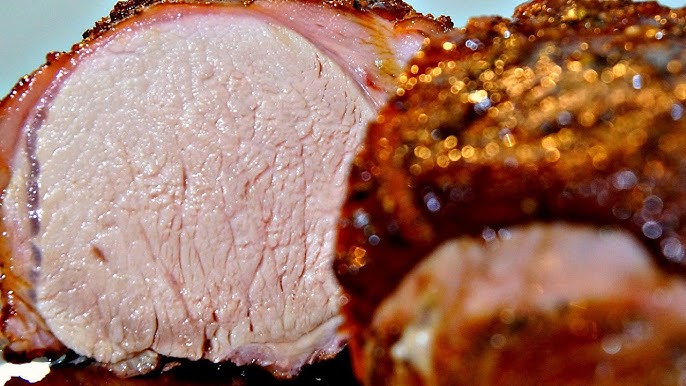
After resting, we slice the pork rib roast between the bones for thick, impressive servings. We can also remove the bones first and slice the meat into even portions. Each slice should be juicy, tender, and coated with flavorful roasted seasoning.
Best Internal Temperature for Pork Rib Roast
For a juicy and safe pork rib roast, we cook the meat to an internal temperature of 145°F, followed by a proper resting period. At this temperature, the pork remains tender and slightly juicy in the center.
For those who prefer pork more well done, we can cook it to 150°F to 155°F, but we should avoid overcooking. Pork loin and rib roast are lean cuts, so too much heat can make the meat dry.
A meat thermometer is essential for accuracy. Guessing by time alone can lead to undercooked or overcooked results because roast size, oven strength, and starting temperature can all affect cooking time.
How to Make Pan Sauce for Pork Rib Roast
The pan drippings from a pork rib roast are full of flavor. After removing the roast, we place the roasting pan over medium heat. We scrape the bottom of the pan to loosen the browned bits. These browned bits add deep savory flavor to the sauce.
We can strain the pan juices into a small saucepan, then simmer them for a few minutes. To thicken the sauce, we mix 1 tablespoon of cornstarch with 2 tablespoons of cold water, then stir it into the simmering juices. Once the sauce thickens, we taste and adjust with salt, pepper, or a little lemon juice.
This simple pan sauce adds moisture and richness to every serving of pork rib roast.
What to Serve with Pork Rib Roast
A pork rib roast dinner pairs beautifully with hearty side dishes. We can serve it with roasted potatoes, mashed potatoes, glazed carrots, green beans, sautéed cabbage, roasted Brussels sprouts, rice pilaf, cornbread, or creamy polenta.
For a festive meal, we can add apple sauce, cranberry sauce, herb stuffing, or roasted garlic gravy. Pork works especially well with slightly sweet sides because the sweetness balances the savory richness of the roast.
A fresh salad with a light vinaigrette also helps brighten the plate and balance the richness of the meat.
Tips for the Best Pork Rib Roast Recipe
For the best result, we should always start with a quality roast and season it generously. Pork rib roast is a thick cut, so it needs enough salt and herbs to flavor the meat properly.
We should avoid cooking the roast at high heat for the entire time. High heat can dry out the outside before the center is cooked. The best method is to begin with a hot oven for browning, then lower the temperature for gentle roasting.
We should also avoid skipping the resting time. Resting improves the final texture and keeps the pork juicy. A roast that rests properly slices more cleanly and tastes better.
Finally, we should use the pan drippings. They are too flavorful to waste and can be turned into a delicious sauce in minutes.
How to Store Leftover Pork Rib Roast
Leftover pork rib roast should be cooled and stored in an airtight container in the refrigerator. It keeps well for 3 to 4 days. We can slice the leftovers before storing or keep the roast in larger pieces to preserve moisture.
To reheat, we place the pork in a covered baking dish with a splash of broth. We warm it gently in a low oven until heated through. This prevents the meat from drying out.
Leftover pork rib roast can also be used in sandwiches, wraps, fried rice, pork tacos, breakfast hash, pasta dishes, or soups. Thin slices make excellent sandwiches with mustard, pickles, caramelized onions, or apple slaw.
Common Mistakes to Avoid
One common mistake is under-seasoning the roast. Since pork rib roast is large and thick, the outside needs bold seasoning. Another mistake is overcooking. Pork does not need to be cooked until dry. A thermometer helps us stop at the right temperature.
We should also avoid slicing immediately after roasting. Cutting too early causes the juices to escape. Resting gives us better flavor, better texture, and a more attractive presentation.
Another mistake is roasting without liquid or vegetables in the pan. The vegetables and broth help create flavorful drippings and prevent burning at the bottom of the pan.
FAQs about Pork Rib Roast Recipe
1. What is a pork rib roast?
A pork rib roast is a flavorful cut of pork taken from the rib section of the loin. It usually includes the bones, which help add extra moisture and rich taste while roasting. This cut is often served as a special dinner centerpiece because it looks impressive and tastes tender when cooked properly.
2. How long should we cook a pork rib roast?
Cooking time depends on the size of the roast. As a general guide, we should roast pork rib roast at 350°F / 175°C for about 20 minutes per pound. The best way to check doneness is by using a meat thermometer. The internal temperature should reach 145°F / 63°C, followed by a short resting time.
3. Should pork rib roast be covered while cooking?
We can leave the pork rib roast uncovered for most of the cooking time to help the outside develop a golden, flavorful crust. If the top begins to brown too quickly, we may loosely cover it with foil during the final stage of roasting.
4. What seasonings work best for pork rib roast?
Pork rib roast tastes excellent with garlic, rosemary, thyme, black pepper, paprika, mustard, olive oil, and salt. We can also add lemon zest or brown sugar for extra depth, depending on whether we prefer a savory or slightly sweet flavor.
5. Why should pork rib roast rest before slicing?
Resting allows the juices to settle back into the meat. After roasting, we should let the pork rib roast rest for 10 to 15 minutes before slicing. This helps keep the meat juicy, tender, and easier to cut.
Final Thoughts
This pork rib roast recipe gives us a tender, juicy, and flavorful roast with a golden herb crust and rich pan sauce. By using the right seasoning, proper roasting temperature, and accurate internal temperature, we can prepare a pork rib roast that looks impressive and tastes delicious.
Whether we are cooking for a holiday meal, family gathering, Sunday dinner, or special celebration, this step-by-step guide helps us create a roast that is savory, moist, beautifully sliced, and full of comforting flavor. A well-prepared pork rib roast is more than a main dish; it is a centerpiece that brings warmth, satisfaction, and memorable flavor to the table.