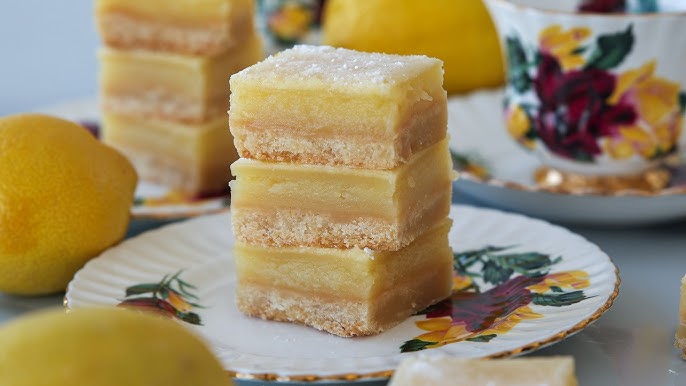
Lemon Bars Recipe: Lemon bars are one of the most loved citrus desserts for good reason. They combine a buttery shortbread crust with a smooth, bright, tangy lemon filling and a delicate finish of powdered sugar. The result is a dessert that feels both simple and elegant. Whether we are baking for family, guests, parties, afternoon treats, or holiday dessert tables, this lemon bars recipe delivers the kind of flavor and texture people remember.
The best lemon bars have a clear balance. The crust should be rich, tender, and slightly crisp, while the filling should be vibrant, silky, and full of fresh lemon flavor. A properly made batch slices neatly, holds its shape, and still melts in the mouth. That is exactly what we aim for in this guide.
This recipe focuses on the details that matter most: the right crust texture, the proper lemon-to-sugar balance, the ideal baking method, and the finishing steps that make the bars look bakery-worthy. With the right technique, we create lemon bars that are golden at the base, creamy at the top, and bursting with bright citrus taste.
Why This Lemon Bars Recipe Works
A great lemon bars recipe depends on structure and flavor. The crust must be sturdy enough to support the filling, but not hard. The filling must be soft and luscious, but not runny. This version works because every layer is designed with that balance in mind.
We begin with a classic buttery crust made from flour, butter, sugar, and a touch of salt. It presses easily into the pan and bakes into a firm but tender base. Then we pour over a filling made with fresh lemon juice, eggs, sugar, and flour. This gives the bars their signature creamy consistency and clean slices after cooling.
Using fresh lemons makes a major difference. Bottled juice can taste flat, while fresh juice and zest create the strong citrus character that defines excellent lemon bars. The final result is bright, fragrant, and deeply flavorful.
Ingredients You’ll Need
To make the best homemade lemon bars, we need simple pantry staples and fresh lemons.
For the Shortbread Crust
- 1 cup unsalted butter, softened
- 1/2 cup granulated sugar
- 2 cups all-purpose flour
- 1/4 teaspoon salt
For the Lemon Filling
- 4 large eggs
- 1 1/2 cups granulated sugar
- 1/4 cup all-purpose flour
- 2/3 cup freshly squeezed lemon juice
- 1 tablespoon lemon zest
For Finishing
- Powdered sugar, for dusting
These ingredients come together to create a dessert with a rich base and bright lemon top. Each one has a clear role. Butter gives the crust its tenderness. Flour adds structure. Eggs make the filling set properly. Sugar balances the tartness of the lemons. Fresh juice and zest provide the unmistakable citrus flavor.
How to Choose the Best Lemons
For the strongest flavor, we should choose fresh, firm, heavy lemons with smooth or slightly textured skin. Heavier lemons usually contain more juice. Bright yellow lemons also tend to be fully ripe and flavorful.
Before juicing, it helps to roll the lemons gently on the counter. This loosens the pulp and makes them easier to squeeze. Always zest the lemons before cutting them, because it is much easier to remove the fragrant outer peel from whole fruit.
Fresh zest adds a deeper lemon aroma than juice alone. It intensifies the filling and gives the bars a fresher, more complete citrus profile.
Kitchen Tools for Easy Preparation
A few basic kitchen tools make the process easier and more precise:
- 8×8-inch or 9×9-inch baking pan
- Mixing bowls
- Hand mixer or stand mixer
- Whisk
- Microplane or fine grater
- Citrus juicer
- Measuring cups and spoons
- Parchment paper
- Fine sieve for powdered sugar
Lining the pan with parchment paper is especially useful. It allows us to lift the entire slab of lemon bars out of the pan after cooling, which makes neat slicing much easier.
Prepare the Baking Pan Properly
Before mixing anything, we should preheat the oven to 350°F (175°C). Then we line the pan with parchment paper, leaving some overhang on the sides. This small step saves time later and helps prevent sticking.
A lightly greased parchment-lined pan gives the cleanest release. If we want professional-looking squares, this step should never be skipped.
How to Make Lemon Bars – Step-by-Step Guide
Step 1: Prepare the Crust
Start by preheating your oven to 350°F (175°C). In a bowl, mix flour, butter, and sugar until it forms a crumbly dough. Press the mixture evenly into a lined baking pan to create a firm base.
Step 2: Bake the Crust
Place the crust in the oven and bake for about 15–20 minutes, or until it becomes lightly golden. Remove it from the oven and let it cool slightly while you prepare the filling.
Step 3: Make the Lemon Filling
In another bowl, whisk together eggs, sugar, fresh lemon juice, lemon zest, and a small amount of flour. Mix until smooth and well combined. This creates the tangy filling.
Step 4: Add Filling and Bake Again
Pour the lemon mixture over the warm crust. Return the pan to the oven and bake for another 20–25 minutes, or until the filling is set and no longer jiggly in the center.
Step 5: Cool and Serve
Allow the lemon bars to cool completely at room temperature, then refrigerate for at least 1–2 hours. Once firm, cut into squares and dust with powdered sugar before serving.
Tips for the Best Lemon Bars
Perfect lemon bars come from small details done well.
Use room temperature eggs so the filling mixes more evenly. Always use fresh lemon juice for the brightest flavor. Do not skip pre-baking the crust, because that is what keeps the base from becoming too soft. Let the bars cool fully before slicing. Chill them before cutting if a cleaner finish matters.
Another helpful tip is to avoid adding too much extra flour to the filling. The right amount helps it set, but too much can dull the lemon flavor and change the texture. The filling should stay smooth, creamy, and light.
Common Lemon Bar Mistakes to Avoid
One common mistake is using a crust that is underbaked. A pale crust can become soft once the filling is added. We want the crust lightly golden before pouring in the lemon layer.
Another mistake is overbaking the filling. Lemon bars should be set, not dry. Once the center is stable and the surface looks finished, they are ready to come out.
Using bottled lemon juice is another issue. The flavor is usually less vibrant and can make the bars taste less fresh. Fresh juice and zest create the full citrus depth that makes homemade lemon bars stand out.
Cutting the bars while they are still warm also reduces quality. The filling needs time to firm up. Cooling and chilling are part of the recipe, not optional extras.
Flavor Variations for Lemon Bars
Although the classic version is always a favorite, there are a few simple ways to vary the recipe while keeping the same elegant structure.
We can add a little extra zest for a more intense citrus note. A touch of vanilla in the crust makes the base slightly warmer and richer. A mix of lemon and lime juice creates a sharper citrus blend. For a softer finish, a thin layer of whipped cream can be added when serving.
Some bakers also enjoy adding berries on the side for color and contrast. Fresh raspberries, blueberries, or strawberries pair beautifully with lemon bars and make the dessert feel even more refined.
How to Store Lemon Bars
Proper storage keeps homemade lemon bars fresh and delicious. Once cooled, place them in an airtight container and refrigerate them. They usually keep well for 3 to 5 days.
If stacking is necessary, place parchment paper between layers to prevent sticking. For the best appearance, wait to dust with powdered sugar until just before serving.
Lemon bars can also be frozen. Wrap the bars tightly and place them in a freezer-safe container. Thaw them in the refrigerator before serving. This makes them a practical make-ahead dessert for events and gatherings.
What to Serve with Lemon Bars
These bars are versatile and easy to pair with other desserts and drinks. They go well with tea, coffee, iced drinks, and light fruit platters. Their bright flavor also makes them a strong addition to dessert tables filled with richer items like brownies, cookies, or cakes.
Because lemon bars are both refreshing and rich, they work especially well after heavier meals. They provide sweetness without feeling too heavy, which makes them an excellent finish for lunches, dinners, brunches, and celebrations.
Why Lemon Bars Remain a Classic Dessert
Few desserts are as recognizable and dependable as classic lemon bars. They are easy to prepare, beautiful to serve, and packed with flavor. Their contrast of buttery crust and tangy lemon filling gives them a texture and taste that feel timeless.
They also appeal to a wide range of people. Some love the sharp citrus flavor. Others love the soft powdered sugar finish and the tender crust. Together, these features create a dessert that feels simple yet polished.
A well-made batch of lemon bars always looks inviting. The pale yellow filling, the golden base, and the soft white dusting on top create a clean, elegant presentation that works for casual and formal occasions alike.
FAQs about Lemon Bars Recipe
1. What are lemon bars?
Lemon bars are a classic dessert made with a buttery shortbread crust and a smooth, tangy lemon filling. They are usually finished with a light dusting of powdered sugar.
2. What ingredients are used in a lemon bars recipe?
A typical recipe includes flour, butter, and sugar for the crust, plus eggs, sugar, fresh lemon juice, lemon zest, and a little flour for the filling.
3. Why are my lemon bars runny?
Lemon bars can turn out runny if the filling is undercooked or if the ingredient measurements are off. They also need enough time to cool completely so the filling can set properly.
4. Should I use fresh lemon juice?
Yes, fresh lemon juice is best because it gives the bars a brighter, more natural flavor. Lemon zest also adds extra citrus aroma and taste.
5. How do I know when lemon bars are done?
They are done when the filling looks set and no longer jiggles too much in the center. The top should look firm but not overly browned.
6. Do lemon bars need to be refrigerated?
Yes, after cooling, lemon bars should be refrigerated to help them firm up and stay fresh. They are often even better when chilled.
7. How should I store lemon bars?
Store lemon bars in an airtight container in the refrigerator for up to 4 to 5 days. You can serve them chilled or let them sit briefly at room temperature before serving.
Final Thoughts
This lemon bars recipe delivers everything we want from a classic citrus dessert: fresh lemon flavor, a buttery shortbread crust, a smooth filling, and clean, beautiful slices. It is a reliable recipe that works for everyday baking and special occasions alike.
By focusing on the essentials, using fresh ingredients, and following each step carefully, we create lemon bars that taste vibrant, balanced, and memorable. Every bite brings together sweetness, tartness, richness, and softness in exactly the right way.
For anyone searching for the best lemon bars recipe, this version offers the kind of result that looks impressive, tastes bright, and stays worth making again and again.