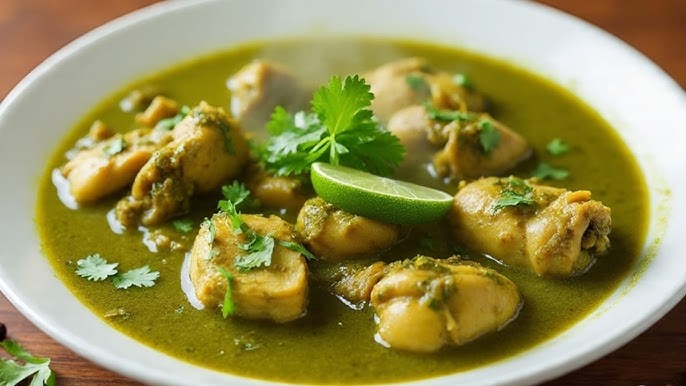
Green Curry Chicken Recipe: Green curry chicken is one of those dishes that delivers bold flavor, rich aroma, and comforting texture in every bite. It combines tender chicken, fragrant green curry paste, creamy coconut milk, fresh herbs, and crisp vegetables into a meal that feels both vibrant and satisfying. When prepared well, the result is deeply savory, slightly sweet, gently spicy, and beautifully balanced.
This guide walks through everything needed to make a flavorful green curry chicken recipe from scratch or with quality store-bought ingredients. With the right method, we can create a restaurant-style dish at home that tastes rich, fresh, and layered without making the process complicated.
Ingredients You’ll Need for Green Curry Chicken
To build a flavorful curry, we need ingredients that create depth, creaminess, and freshness.
Main Ingredients
- 500g boneless chicken thighs or chicken breast, sliced into bite-size pieces
- 2 to 3 tablespoons green curry paste
- 2 cups coconut milk
- 1 tablespoon vegetable oil or coconut oil
- 1 tablespoon fish sauce
- 1 teaspoon brown sugar or palm sugar
- 1 small onion, thinly sliced
- 2 cloves garlic, minced
- 1 teaspoon fresh ginger, grated
- 1 red bell pepper, sliced
- 1 cup zucchini, sliced
- 1 cup green beans or snap peas
- Fresh basil leaves, preferably Thai basil
- 1 to 2 kaffir lime leaves, optional
- 1 fresh green chili, sliced, optional
- Fresh lime juice, to taste
For Serving
- Steamed jasmine rice
- Fresh cilantro, optional
- Lime wedges
These ingredients create the classic foundation of a satisfying Thai green curry chicken recipe. Chicken thighs are especially useful because they stay juicy and tender during simmering, though chicken breast works well for a leaner version.
How to Choose the Best Ingredients for Green Curry Chicken
A great curry starts with careful ingredient choice.
Chicken
For the best texture, boneless chicken thighs are usually the strongest option. They remain tender and absorb the curry well. Chicken breast cooks faster and is lighter, but it can dry out if simmered too long.
Green Curry Paste
The curry paste is the heart of the dish. A high-quality paste brings together green chilies, lemongrass, garlic, shallots, galangal, and aromatic spices. A strong paste gives the curry its signature heat, color, and fragrance.
Coconut Milk
Use full-fat coconut milk for a richer, smoother curry sauce. It helps balance the heat of the curry paste and creates the creamy consistency that makes this dish so comforting.
Vegetables
Bell peppers, green beans, zucchini, bamboo shoots, and baby corn all work beautifully. The goal is to include vegetables that keep a bit of texture and freshness in the finished dish.
Fresh Herbs and Finishing Flavors
Fresh basil, lime juice, and optional kaffir lime leaves lift the dish and give it that final bright, unmistakable curry aroma.
Preparation Before Cooking
Before turning on the heat, it helps to prepare everything first.
- Slice the chicken into even pieces
- Cut all vegetables into similar sizes
- Measure the curry paste and sauces
- Shake or stir the coconut milk until smooth
- Wash and dry basil leaves
- Prepare rice ahead so it is ready when the curry finishes
This simple preparation step makes cooking smooth and keeps the curry from overcooking while ingredients are still being chopped.
Step-by-Step Guide to Make Green Curry Chicken
Step 1: Heat the Pan and Build the Base
Place a deep pan or wok over medium heat. Add the oil and let it warm for a few seconds. Add the sliced onion and cook until slightly softened. Stir in the garlic and ginger, cooking just until fragrant.
This first stage creates a flavorful base and helps the entire curry taste fuller and more balanced.
Step 2: Fry the Green Curry Paste
Add the green curry paste to the pan. Stir it continuously for 1 to 2 minutes so it cooks in the oil and releases its aroma.
This is one of the most important parts of the recipe. Frying the paste first deepens its flavor, removes any raw taste, and helps the oils and spices blend into the sauce properly. The kitchen should begin to smell intensely fragrant at this point.
Step 3: Add Part of the Coconut Milk
Pour in about 1 cup of coconut milk first, not all of it at once. Stir well so the curry paste dissolves into the coconut milk and forms a rich, smooth base.
Let it simmer gently for a few minutes. As it cooks, the sauce will thicken slightly and develop a more concentrated flavor. This stage helps create that glossy curry texture that makes the dish so appealing.
Step 4: Cook the Chicken
Add the sliced chicken to the pan and stir well so every piece is coated in the curry sauce. Cook for about 4 to 5 minutes, stirring occasionally, until the chicken begins to turn opaque.
The chicken should not be fully cooked yet. It will continue cooking gently in the sauce, which helps it stay moist and flavorful.
Step 5: Add the Remaining Coconut Milk
Pour in the remaining coconut milk and stir. Add the fish sauce, sugar, and kaffir lime leaves if using. Bring the curry to a gentle simmer.
At this point, the sauce begins to take on its final body and flavor. The fish sauce adds savory depth, the sugar softens sharp edges, and the lime leaves give the curry a distinct citrus fragrance.
Step 6: Add the Vegetables
Add the bell pepper, green beans, zucchini, or any vegetables being used. Simmer for another 5 to 7 minutes until the vegetables are tender but still vibrant.
The ideal green curry chicken should have contrast. The sauce should be creamy, the chicken tender, and the vegetables slightly crisp so the dish does not feel too heavy.
Step 7: Finish with Fresh Basil and Lime
Turn off the heat and stir in the fresh basil leaves. Add a squeeze of lime juice to brighten the sauce.
This final step is what makes the curry taste fresh instead of flat. The basil adds a sweet herbal aroma, while the lime sharpens all the flavors and balances the coconut richness.
How to Get the Best Flavor in Green Curry Chicken
A few simple techniques can make a major difference.
Cook the Curry Paste Properly
Never skip frying the curry paste. This is where the flavor deepens and becomes more complex.
Use Full-Fat Coconut Milk
A thin coconut milk can make the curry watery. Rich coconut milk creates a smoother, more luxurious sauce.
Do Not Overcook the Chicken
Chicken that simmers too long can become dry, especially chicken breast. Keep the simmer gentle and stop cooking once the meat is tender.
Balance Salt, Sweetness, and Acidity
A good curry needs harmony. If it tastes too spicy, a little more coconut milk can soften it. If it feels too rich, lime juice can brighten it. If it lacks depth, a small splash of fish sauce can help.
Add Fresh Herbs at the End
Basil and cilantro lose their brightness if cooked too long. Stir them in near the end for the best aroma.
Serving Ideas for Green Curry Chicken
This dish is most commonly served with steamed jasmine rice, which absorbs the sauce beautifully and balances the heat. It can also be served with:
- Brown rice for a heartier meal
- Rice noodles for a lighter variation
- Cauliflower rice for a lower-carb option
- Flatbread for a fusion-style serving
A side of sliced cucumber or a crisp salad can also work well to add freshness alongside the warm, rich curry.
Common Mistakes to Avoid When Making Green Curry Chicken
Even a simple curry can lose quality if a few key details are missed.
Using Too Much Curry Paste Too Early
Green curry paste can be strong. Start with 2 tablespoons, taste, and add more if needed.
Boiling Instead of Simmering
A hard boil can split the coconut milk and toughen the chicken. Keep the heat moderate and let the sauce simmer gently.
Adding Vegetables Too Soon
Vegetables added too early can become overly soft. Add them after the chicken has started cooking.
Skipping the Final Seasoning
A curry often needs a final small adjustment. Taste before serving and correct the balance with lime juice, fish sauce, or a touch of sugar.
Easy Variations of Green Curry Chicken Recipe
One of the best things about this recipe is how easily it can be adjusted.
Green Curry Chicken with Bamboo Shoots
Add bamboo shoots for a more traditional texture and flavor.
Spicy Green Curry Chicken
Include extra sliced green chilies for more heat.
Green Curry Chicken with Eggplant
Thai eggplant or small purple eggplant adds a soft, slightly earthy note.
Creamy Green Curry Chicken with More Coconut Milk
For a milder and richer version, increase the coconut milk slightly and reduce the curry paste.
Vegetable-Packed Green Curry Chicken
Add mushrooms, baby corn, spinach, or broccoli for more variety and color.
How to Store and Reheat Green Curry Chicken
Leftover curry stores very well, and the flavor often becomes even richer after resting.
- Store in an airtight container in the refrigerator for up to 3 days
- Reheat gently on the stove over low heat
- Add a splash of coconut milk or water if the sauce thickens too much
- Avoid overheating, especially if using chicken breast
It can also be frozen, though the texture of some vegetables may soften after thawing.
Why This Green Curry Chicken Recipe Works So Well
This recipe works because it combines rich and fresh elements in the right order. The curry paste provides bold spice and aroma. The coconut milk creates body and softness. The chicken adds satisfying protein, while the vegetables and herbs keep the dish lively and balanced.
The result is a meal that feels complete. It is flavorful enough for a special dinner but easy enough for a weeknight meal. Once the basic method is understood, it becomes simple to adjust the spice level, switch vegetables, or make the dish richer or lighter depending on preference.
FAQs about Green Curry Chicken Recipe
1. What is green curry chicken?
Green curry chicken is a flavorful dish made with chicken, green curry paste, coconut milk, and vegetables. It is known for its rich, creamy texture and aromatic taste.
2. Why is it called green curry?
It is called green curry because the curry paste is made with green chilies and fresh green herbs, which give the dish its signature color.
3. Is green curry chicken very spicy?
It can be mild, medium, or spicy, depending on how much green curry paste is used and the type of chilies in the paste.
4. What cut of chicken works best?
We can use boneless chicken breast or chicken thighs. Thighs are often preferred because they stay tender and juicy.
5. What vegetables are commonly added?
Common vegetables include bell peppers, eggplant, bamboo shoots, green beans, and peas.
6. What makes the sauce creamy?
The creaminess comes mainly from coconut milk, which balances the spice and creates a smooth texture.
7. Can we make green curry chicken without coconut milk?
Yes, but coconut milk gives the dish its classic taste and texture. Without it, the curry will be less rich and less traditional.
8. What can we serve with green curry chicken?
It is commonly served with steamed rice, jasmine rice, or noodles.
9. How long does green curry chicken take to cook?
It usually cooks quite quickly, often in about 25 to 35 minutes, depending on the size of the chicken pieces and vegetables.
10. Can green curry chicken be stored and reheated?
Yes, it can be stored in the refrigerator for 2 to 3 days and reheated gently before serving.
Conclusion
A well-made green curry chicken recipe is fragrant, creamy, colorful, and deeply satisfying. With quality ingredients, proper cooking order, and balanced seasoning, we can create a dish that tastes vibrant and full of character from the first spoonful to the last. Served over hot jasmine rice and finished with fresh basil and lime, it becomes a comforting meal with bold flavor and beautiful texture.
This is the kind of recipe worth keeping in regular rotation because it is reliable, flexible, and packed with real flavor. Once mastered, it quickly becomes one of the most rewarding homemade curry dishes to prepare.