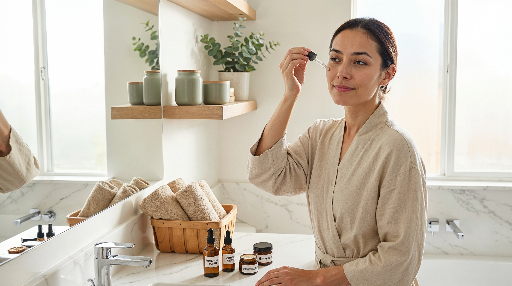
Starting an anti aging skincare routine does not need to be complicated, expensive, or overwhelming. The most effective beginner routine is usually the one we can follow consistently every day without irritating the skin. When we build a routine the right way, we support skin hydration, protect collagen, reduce the look of fine lines, improve skin texture, and help the skin maintain a healthier and more youthful appearance over time.
For beginners, the smartest approach is to keep the routine simple and focus on a few proven essentials. Instead of layering too many products at once, we should prioritize the basics first, then gradually introduce stronger treatments only when the skin has adjusted. This method helps us avoid dryness, breakouts, stinging, and the frustration that comes from using too many active ingredients too quickly.
Why a Beginner Anti Aging Routine Should Stay Simple
A beginner routine works best when it is built around cleansing, moisturizing, sun protection, and one or two targeted treatment products. This structure gives the skin what it needs without stressing the skin barrier.
When we rush into anti aging skincare, we often make one of three mistakes. We either buy too many products, combine strong ingredients that clash, or expect overnight results. The skin responds better when we take a steady, consistent approach. Fine lines, dullness, uneven tone, and rough texture improve with regular care, not with harsh overuse.
A simple routine also makes it easier to identify what actually works. If irritation appears, we can quickly tell which product caused the issue. This is one reason a dermatologist recommended anti aging routine for beginners usually starts with fewer products and proven steps.
The Core Goals of an Anti Aging Skincare Routine
An effective beginner anti aging routine should focus on five things:
- Protecting the skin from sun damage
- Keeping the skin hydrated
- Supporting skin renewal
- Improving texture and tone
- Reducing the appearance of early signs of aging
These goals matter because many visible signs of aging are made worse by daily sun exposure, dehydration, and poor skincare habits. The skin begins to look older when it loses moisture, elasticity, and smoothness. With a good routine, we can improve the way the skin looks and feels while also helping to prevent faster visible aging.
Morning Anti Aging Routine for Beginners
The morning routine should protect the skin and prepare it for the day. It does not need many steps, but every step should serve a clear purpose.
Step 1: Use a Gentle Cleanser
A gentle facial cleanser helps remove sweat, oil, and overnight buildup without stripping the skin. Beginners should avoid harsh cleansers that leave the face feeling tight or squeaky. That tight feeling often means the skin barrier has been disrupted.
Look for a cleanser that feels soft on the skin and rinses clean. Cream cleansers, hydrating gel cleansers, and low-foam cleansers are often a good place to start. If the skin is very dry or sensitive, even rinsing with lukewarm water in the morning may be enough, followed by the rest of the routine.
Step 2: Apply a Hydrating Serum
A hydrating serum can help the skin look plumper, smoother, and fresher. Ingredients like hyaluronic acid, glycerin, and panthenol are especially beginner-friendly. These ingredients attract and hold moisture, which helps reduce the tired and dry look that can make fine lines appear more obvious.
Hydration is one of the easiest and safest ways to improve the appearance of early aging. When the skin is well hydrated, it looks more supple and healthy.
Step 3: Use an Antioxidant Serum
A beginner-friendly antioxidant serum can help defend the skin against environmental stress. Vitamin C is one of the most popular options because it can help brighten the skin and improve the appearance of uneven tone. It also supports a more radiant complexion, which is often one of the first noticeable benefits in an anti aging routine.
For beginners, it is best to choose a formula that is gentle and stable. If a strong vitamin C serum causes stinging, it is better to use it every other morning or choose a milder version.
Step 4: Apply a Moisturizer
A good face moisturizer helps seal in hydration and support the skin barrier. Even oily or acne-prone skin needs moisture. The key is to choose the right texture. Lightweight lotions work well for oily skin, while creams are usually better for dry or mature skin.
A moisturizer with ceramides, niacinamide, or squalane can be especially helpful. These ingredients support the skin barrier and improve softness without making the routine too complicated.
Step 5: Finish with Broad-Spectrum Sunscreen
This is the most important step in any anti aging routine for beginners. Daily broad-spectrum sunscreen SPF 30 or higher helps protect the skin from UV damage, which is one of the biggest causes of premature aging. Without sunscreen, even the best anti aging products will struggle to deliver visible results.
Sun exposure contributes to fine lines, dark spots, loss of firmness, and uneven skin tone. Wearing sunscreen every morning is one of the simplest ways to protect collagen and reduce future skin damage. It should be applied as the final step in the morning routine and reapplied during the day when needed.
Night Anti Aging Routine for Beginners
The evening routine is where we focus more on repair, hydration, and skin renewal. Nighttime is a good opportunity to use treatment products that may make the skin more sensitive to sunlight.
Step 1: Cleanse the Skin Properly
At night, cleansing becomes even more important because the skin needs to be free of sunscreen, oil, dirt, and pollution. A gentle cleanser is still the best choice. If heavy sunscreen or makeup has been used, a double cleanse may be helpful. That usually means starting with an oil-based cleanser or balm, followed by a gentle water-based cleanser.
Clean skin gives the next products a better chance to work properly.
Step 2: Start with a Retinoid Slowly
For many beginners, the gold-standard anti aging ingredient is a retinoid. This includes retinol and other vitamin A derivatives. Retinoids are widely used because they help improve the appearance of fine lines, rough texture, and uneven skin tone. They also support skin renewal, which helps the skin look smoother over time.
Beginners should introduce retinol slowly. Using it two nights a week at first is usually a smart approach. After the skin adjusts, frequency can be increased gradually. Applying too much too soon often leads to redness, peeling, or dryness.
A pea-sized amount is enough for the whole face. It should be applied to dry skin, and the eye area should be avoided unless the product clearly says it is suitable there.
Step 3: Use Moisturizer to Reduce Irritation
A moisturizer after retinol helps reduce dryness and support the skin barrier. Some beginners prefer the “sandwich” method, where moisturizer is applied before and after retinol. This can make the experience gentler, especially for dry or sensitive skin.
Night creams do not need to be heavy unless the skin is very dry. What matters most is that the moisturizer supports comfort and prevents excessive irritation.
Best Beginner Ingredients for Anti Aging
A strong beginner routine does not require a long ingredient list. A few key ingredients can make a real difference when used consistently.
Retinol
Retinol remains one of the most respected anti aging ingredients because it supports smoother-looking skin and helps improve visible signs of aging over time. Beginners should use it with patience and consistency.
Hyaluronic Acid
Hyaluronic acid helps the skin attract water, making it look fuller, softer, and less dehydrated. It works well in both morning and evening routines.
Niacinamide
Niacinamide is a useful ingredient for beginners because it is generally well tolerated and can help improve the look of enlarged pores, uneven tone, dullness, and the skin barrier.
Ceramides
Ceramides help maintain a healthy skin barrier. When the barrier is strong, the skin holds moisture better and reacts less to active ingredients.
Vitamin C
Vitamin C is often used in the morning to help brighten the complexion and improve the look of uneven tone caused by sun exposure and dullness.
Peptides
Peptides are often included in moisturizers and serums designed for smoother, firmer-looking skin. They can be a good addition to a beginner routine, especially when paired with strong hydration.
How to Build a Routine Without Damaging the Skin Barrier
One of the fastest ways to ruin a new skincare routine is to overload the skin. Beginners should avoid combining too many strong actives in one routine. For example, using retinol, strong exfoliating acids, and high-strength vitamin C all at once may lead to irritation rather than better results.
A better strategy is to introduce one new product at a time. Give each product at least one or two weeks before adding another. This makes it easier to spot benefits and side effects.
The skin barrier should always be protected. If the skin becomes red, flaky, burning, or unusually sensitive, the routine should be simplified immediately. In many cases, returning to cleanser, moisturizer, and sunscreen for a few days helps calm the skin.
Common Mistakes Beginners Make in Anti Aging Skincare
Many beginners delay results by making avoidable mistakes. One common mistake is skipping sunscreen. Another is using retinol every night from day one. Some also use exfoliating scrubs too aggressively, thinking that more scrubbing means better skin. In reality, harsh exfoliation can damage the barrier and make the skin look worse.
Another mistake is expecting one product to solve every concern. Anti aging skincare works best when the routine is consistent and balanced. Hydration, protection, and gradual treatment matter more than chasing fast results.
Using products in the wrong order is also common. In most cases, we should apply products from the lightest texture to the heaviest. That usually means cleanser, serum, treatment, moisturizer, and sunscreen in the morning.
How Long It Takes to See Results
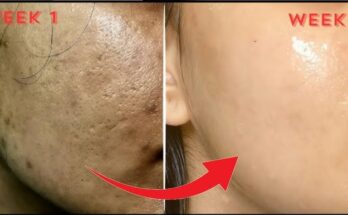
A beginner anti aging routine requires patience. Hydration improvements may be visible within days, especially when the skin was dry before. Brightness may improve within a few weeks. Texture, tone, and fine lines usually take longer.
When retinol is part of the routine, visible improvement often takes several weeks to a few months of steady use. The key is not speed. The key is consistency. Skincare delivers its best results when used regularly and carefully.
Sample Dermatologist Recommended Anti Aging Routine for Beginners
A simple sample routine can look like this:
Morning
- Gentle cleanser
- Hydrating serum
- Vitamin C serum
- Moisturizer
- Broad-spectrum sunscreen SPF 30 or higher
Night
- Gentle cleanser
- Retinol two to three nights a week
- Moisturizer
On non-retinol nights, the routine can stay simple with cleanser and moisturizer, or include a hydrating serum if needed.
Choosing the Right Routine for Your Skin Type
A beginner anti aging routine should still match the skin type.
For dry skin, richer moisturizers and barrier-supporting products are usually helpful. For oily skin, lightweight gel moisturizers and non-greasy sunscreens often feel better. For sensitive skin, fragrance-free products and slow introduction of active ingredients are usually the safest path. For combination skin, balancing hydration without heaviness is often the goal.
No matter the skin type, sunscreen remains essential and overuse of strong actives should be avoided.
FAQs about Dermatologist Recommended Anti-Aging Routine for Beginners
1. What is a dermatologist-recommended anti-aging routine?
It is a simple, science-backed skincare routine designed by experts to prevent and reduce signs of aging like fine lines, wrinkles, and dullness.
2. What basic steps should beginners follow?
We should follow a routine that includes cleansing, moisturizing, sun protection (SPF 30+), and targeted treatment like retinol or vitamin C.
3. Why is sunscreen important in anti-aging?
Sunscreen is essential because UV exposure is the leading cause of premature aging, including wrinkles and dark spots.
4. Should beginners use retinol?
Yes, but we should start with a low concentration and apply it a few times weekly to avoid irritation.
5. What ingredients do dermatologists recommend?
Common recommendations include retinol, vitamin C, hyaluronic acid, niacinamide, and peptides for effective anti-aging results.
6. How often should we follow the routine?
We should follow it daily, with sunscreen in the morning and treatment products mostly at night.
7. Can we keep the routine simple?
Yes, dermatologists often advise a minimal routine to avoid overwhelming the skin, especially for beginners.
8. How long does it take to see results?
We may notice improvements in 4 to 8 weeks, with continued benefits over time.
9. What mistakes should beginners avoid?
We should avoid skipping sunscreen, overusing active ingredients, and trying too many products at once.
10. Do we need expensive products?
No, effective skincare depends on consistent use and the right ingredients, not the price.
Conclusion
The best dermatologist recommended anti aging routine for beginners is not the most expensive routine or the most complicated one. It is the routine we can follow consistently with minimal irritation and steady long-term results. A gentle cleanser, a well-formulated moisturizer, daily sunscreen, and a carefully introduced retinol create a strong foundation for healthier-looking skin.
When we focus on protection, hydration, and gradual skin renewal, we give the skin the support it needs to stay smoother, brighter, and more resilient over time. That is what makes a beginner anti aging routine effective. It stays simple, uses proven essentials, and builds results day by day through consistency.