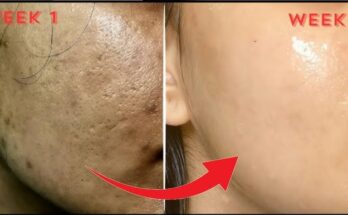
Finding the right anti aging creams for women over 40 with sensitive skin requires a careful balance between visible age-supporting results and skin comfort. As our skin matures, it often becomes drier, thinner, and more reactive. At the same time, we want products that help soften the appearance of fine lines, improve elasticity, support a smoother texture, and maintain a healthy glow without triggering irritation. That is why choosing the right cream is not simply about buying the richest formula on the shelf. It is about selecting ingredients and textures that work with delicate skin rather than against it.
For women over 40, sensitive skin usually demands a more thoughtful routine. We need creams that nourish the skin barrier, reduce the look of dryness-related lines, and support firmness while staying free from harsh additives that can cause redness, stinging, or discomfort. The best anti aging approach is steady, gentle, and consistent. A well-formulated cream can help the skin look calmer, plumper, and more refined over time.
What Mature Sensitive Skin Really Needs
When we look for anti aging creams for women over 40 with sensitive skin, we should focus on what the skin is asking for at this stage. Mature skin often needs stronger moisture retention, better barrier support, and a softer way to address signs of aging. Sensitive skin adds another layer of concern because it can react quickly to strong acids, intense fragrance, or overly active formulas.
A quality anti aging cream for this skin type should help with:
- Dryness and dehydration
- Fine lines and wrinkles
- Loss of firmness
- Uneven texture
- Dullness
- Skin barrier weakness
- Sensitivity to environmental stress
Rather than chasing dramatic formulas, we benefit more from creams that strengthen the skin over time. When the barrier is protected and the skin remains comfortably hydrated, it often looks smoother, brighter, and healthier naturally.
Best Ingredients in Anti Aging Creams for Women Over 40 with Sensitive Skin
The most effective creams for mature sensitive skin usually contain ingredients that are proven, gentle, and supportive. We should prioritize formulas built around hydration, repair, and calming care.
Hyaluronic Acid for Deep Hydration
Hyaluronic acid is one of the most valuable ingredients for skin over 40. It helps attract water into the skin, giving it a fuller and smoother appearance. For sensitive skin, this is especially useful because dryness can make fine lines appear more pronounced and can also increase irritation. A cream with hyaluronic acid helps the skin look more supple and refreshed.
Ceramides for Barrier Repair
Ceramides are essential for maintaining the skin’s natural protective barrier. Mature sensitive skin often loses moisture easily, and that weakens its resilience. Anti aging creams with ceramides help restore comfort, reduce tightness, and support a softer surface. They are ideal when the skin feels fragile or reacts to weather, cleansing, or new products.
Peptides for Firmness Support
Peptides are excellent in anti aging creams because they help support a smoother and firmer look without the harshness that stronger actives can sometimes bring. For women over 40 with sensitive skin, peptides offer a gentle path toward improving the look of elasticity and softness.
Niacinamide for Calm, Balanced Skin
Niacinamide is a standout ingredient for sensitive skin because it helps improve the look of uneven tone, supports the skin barrier, and reduces the appearance of dullness. In a well-balanced cream, niacinamide can help the skin appear more even and refined while keeping irritation low.
Squalane for Softness and Comfort
Squalane is lightweight, moisturizing, and soothing. It works beautifully in anti aging creams because it helps reduce dryness without making the skin feel heavy. Sensitive skin often responds well to squalane-rich creams because they provide comfort and flexibility.
Glycerin for Lasting Moisture
Glycerin is a classic hydrating ingredient that helps keep skin soft and comfortable. Many of the best creams for mature sensitive skin use glycerin as a base because it is effective, dependable, and gentle.
Panthenol and Allantoin for Soothing Care
When sensitivity is a concern, ingredients such as panthenol and allantoin can be extremely helpful. They help calm the skin and support recovery, making them valuable additions to any anti aging cream designed for delicate complexions.
Ingredients Sensitive Skin Should Approach Carefully
Not every anti aging formula is suitable for reactive skin. Some creams are marketed as powerful, but power is not always the right choice for women over 40 with sensitivity. We should be cautious with formulas that include:
- Heavy fragrance
- Drying alcohols
- Overly strong exfoliating acids
- High concentrations of active ingredients in one formula
- Essential oils that may trigger irritation
- Rough exfoliating particles
- Highly perfumed botanical blends
Sensitive skin performs better with balance. A cream does not need to sting to be effective. In fact, the best results often come from products that keep the skin calm and consistent day after day.
How to Choose the Best Anti Aging Cream for Sensitive Mature Skin
The best anti aging creams for women over 40 with sensitive skin are usually those that feel comfortable from the first use and continue to improve the skin with regular application. When choosing a cream, we should look beyond flashy claims and focus on formulation quality.
A strong choice will usually have:
- A fragrance-free or very low-irritant formula
- Barrier-supporting ingredients
- A rich but breathable texture
- Hydration that lasts for hours
- Gentle anti aging ingredients such as peptides, ceramides, and niacinamide
- Packaging that keeps ingredients stable and clean
Texture matters as well. Some mature skin types do best with a richer night cream, while others prefer a medium-weight cream that layers easily under sunscreen and makeup. The right texture is the one that leaves the skin feeling nourished, smooth, and calm rather than greasy or tight.
Day Cream vs Night Cream for Women Over 40
A complete routine often works best when we use different creams for day and night. During the day, the skin benefits from a cream that hydrates well but sits comfortably under sunscreen. A daytime anti aging cream should help keep the skin soft, smooth, and protected from dryness.
At night, we can use a slightly richer cream designed to support repair and replenish moisture loss. Night creams for mature sensitive skin often include a denser blend of ceramides, peptides, and moisturizing oils or emollients that help the skin wake up looking rested and more supple.
Using both correctly allows us to maintain hydration throughout the day and give the skin deeper nourishment overnight.
Why Rich Moisture Matters More After 40
As skin matures, it naturally tends to lose some of its bounce and oil balance. This can make the face look less radiant and more lined, particularly around the eyes, mouth, and forehead. Sensitive skin can appear even more affected because dehydration and barrier stress often show up as roughness, patchiness, or visible fatigue.
That is why rich, supportive moisture is one of the most important features in anti aging creams for women over 40. When skin is deeply moisturized, it looks smoother, feels softer, and reflects light better. Lines caused by dryness appear less noticeable, and the overall complexion looks healthier.
Hydration is not a minor detail in anti aging skincare. It is one of the foundations of visible improvement.
How to Apply Anti Aging Cream for Better Results
Even the best cream performs better when applied correctly. We should use anti aging cream on slightly damp skin after cleansing and any lightweight serum. This helps lock moisture into the skin more effectively.
A good method is to warm a small amount between the fingertips and press it gently into the face and neck. Rubbing too aggressively can stress sensitive skin. Gentle upward motions are more comfortable and help the cream spread evenly. The neck and upper chest should never be ignored, since these areas also show dryness and visible aging.
Consistency matters more than excess. A suitable cream used every day and night will usually deliver better results than a stronger formula used irregularly.
Signs a Cream Is Working Well for Sensitive Skin
The right cream should make the skin feel comfortable, not challenged. Over time, we should notice:
- Softer texture
- Better hydration
- Reduced tightness
- A smoother surface
- Less visible dryness lines
- A fresher, healthier glow
- Improved comfort and balance
The goal is not only to reduce the appearance of aging but also to create skin that feels stable, calm, and resilient.
Simple Routine for Anti Aging Creams for Women Over 40 with Sensitive Skin
A simple, effective routine is often the best fit for sensitive mature skin.
Morning Routine
Use a gentle cleanser, apply a hydrating serum if desired, follow with your anti aging cream, and finish with broad-spectrum sunscreen. Sunscreen remains essential because protecting the skin daily helps preserve the benefits of every cream we use.
Evening Routine
Cleanse gently, apply any mild treatment if part of your routine, then use a richer anti aging cream to support overnight hydration and comfort. Keeping the nighttime routine calm and nourishing often produces the best long-term appearance.
FAQs about Anti-Aging Creams for Women Over 40 with Sensitive Skin
1. What should we look for in an anti-aging cream for sensitive skin?
We should prioritize gentle, fragrance-free formulas with soothing ingredients like aloe vera, ceramides, and hyaluronic acid. Avoid harsh chemicals that may trigger irritation.
2. Are retinol creams safe for sensitive skin over 40?
Yes, but we should use low-strength retinol or gentler alternatives like bakuchiol. Start slowly (2–3 times weekly) to prevent redness or dryness.
3. How often should we apply anti-aging cream?
We should apply it once or twice daily, depending on the product. Night creams are especially effective because skin repairs itself while we sleep.
4. Can anti-aging creams reduce wrinkles completely?
They cannot completely remove wrinkles, but they can visibly reduce fine lines, improve elasticity, and enhance overall skin texture over time.
5. What ingredients should we avoid for sensitive skin?
We should avoid alcohol, synthetic fragrances, parabens, and strong acids, as they can irritate or damage sensitive skin.
6. Is sunscreen necessary when using anti-aging creams?
Absolutely. We should always use broad-spectrum sunscreen during the day, as many anti-aging ingredients make the skin more sensitive to sunlight.
7. How long does it take to see results?
We can expect noticeable improvements within 4 to 8 weeks with consistent use, though deeper wrinkles may take longer.
8. Can natural anti-aging creams be effective?
Yes, products with natural ingredients like vitamin E, green tea, and shea butter can support skin health, though results may be more gradual.
9. Should we change our skincare routine after 40?
Yes, we should focus more on hydration, collagen support, and gentle care to maintain youthful and healthy skin.
Final Thoughts
When we choose creams with ceramides, hyaluronic acid, peptides, niacinamide, squalane, and other skin-friendly ingredients, we create the right environment for healthy-looking skin. The result is not only fewer visible signs of dryness and aging, but also a complexion that appears calm, nourished, and naturally radiant.
For women over 40 with sensitive skin, the best anti aging cream is not the harshest or the trendiest. It is the one that makes the skin feel stronger, smoother, and beautifully cared for every single day.