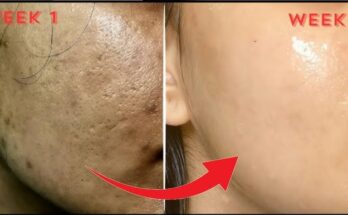
Building the best anti aging skincare routine for sensitive skin requires more than choosing products with attractive labels. Sensitive skin reacts easily to overuse, harsh ingredients, excessive fragrance, and aggressive exfoliation. At the same time, aging skin benefits from consistent support that improves hydration, smooths fine lines, strengthens the skin barrier, and maintains a brighter, firmer appearance. The ideal routine must therefore be both gentle and effective.
A well-designed routine does not rely on dozens of products. Instead, we focus on a small number of carefully selected steps that help the skin remain calm, resilient, and youthful-looking. When sensitive skin is treated with balance, it becomes better able to tolerate beneficial anti aging ingredients without dryness, redness, or discomfort.
Why Sensitive Skin Needs a Different Anti Aging Routine
Sensitive skin is often marked by stinging, tightness, redness, itching, or frequent irritation after trying new products. In many cases, the skin barrier is weakened. Once that barrier becomes compromised, the skin loses moisture more easily and becomes more reactive to environmental stress, cleansing, sun exposure, and active ingredients.
Aging skin also faces its own challenges. Collagen production declines over time. Skin renewal becomes slower. Fine lines become more visible. Dryness may increase, and the complexion can begin to look dull or uneven. When sensitivity and aging appear together, the routine must deliver visible results without overwhelming the skin.
That is why the most effective strategy is to prioritize barrier repair, hydration, sun protection, and carefully paced treatment ingredients. This approach supports smoother, healthier, and more comfortable skin over time.
Core Principles of the Best Anti Aging Skincare Routine for Sensitive Skin
Before we build the step-by-step routine, it is important to understand the core principles that make it work:
- Keep the routine simple
- Avoid harsh scrubs and strong fragrance
- Choose hydrating and barrier-supportive ingredients
- Introduce actives slowly
- Use sunscreen every day
- Protect the skin from over-cleansing and over-exfoliating
When sensitive skin is exposed to too many strong products at once, irritation often appears quickly. A routine that is calm, consistent, and targeted tends to deliver the best long-term anti aging results.
Morning Anti Aging Skincare Routine for Sensitive Skin
A morning routine should protect the skin, maintain hydration, and prepare it for the day ahead. The focus in the morning is not heavy correction. The focus is defense, comfort, and prevention.
Step 1: Use a Gentle Cleanser
The day should begin with a mild cleanser that removes sweat, overnight oil, and residue without stripping the skin. For very dry or highly sensitive skin, a creamy cleanser or a low-foaming cleanser is often the best option.
Look for cleansers that feel soft on the skin and rinse away easily. Avoid formulas loaded with strong fragrance, drying alcohol, or aggressive exfoliating acids if your skin becomes irritated easily.
A good cleanser should leave the skin feeling clean but not tight. That balance is essential for mature, sensitive skin because tightness after washing often signals barrier disruption.
Step 2: Apply a Hydrating Toner or Essence if Needed
This step is optional, but it can be very beneficial when the skin feels easily dehydrated. A hydrating toner or essence adds a layer of lightweight moisture and prepares the skin for serums and moisturizer.
The best options are those designed to calm and soften the skin. The texture should feel refreshing, not harsh. Skip any toner that feels sharp, strongly perfumed, or overly astringent.
Step 3: Use a Soothing Antioxidant or Barrier Serum
For sensitive skin, the ideal morning serum should be gentle, hydrating, and protective. Instead of choosing very strong treatments immediately, it is often better to use ingredients that support the skin barrier while helping defend against environmental stress.
Excellent choices include:
- Niacinamide in a moderate concentration
- Hyaluronic acid
- Panthenol
- Ceramides
- Centella asiatica
- Peptides
These ingredients help improve the look of fine lines, dryness, rough texture, and dullness without pushing the skin too hard. They are especially helpful for those who want visible anti aging support while keeping sensitivity under control.
Step 4: Moisturize with a Barrier-Repair Cream
A quality moisturizer is one of the most important parts of the best anti aging skincare routine for sensitive skin. Mature sensitive skin benefits from creams that lock in hydration and reinforce the barrier.
Look for moisturizers with:
- Ceramides
- Glycerin
- Squalane
- Fatty acids
- Cholesterol
- Colloidal oatmeal
- Shea butter if tolerated
A good moisturizer helps the skin stay plump, smooth, and comfortable. It can also reduce the chance of irritation from treatment products used later in the day or at night.
Step 5: Finish with Broad-Spectrum Sunscreen
No anti aging routine is complete without daily sunscreen. This is the step that protects the skin from one of the biggest causes of visible aging: sun exposure. Ultraviolet damage contributes to wrinkles, pigmentation, loss of firmness, and worsening sensitivity.
Choose a broad-spectrum SPF 30 or higher sunscreen that feels comfortable on sensitive skin. Mineral sunscreens are often preferred by reactive skin types, especially those containing zinc oxide. Some people also tolerate modern gentle chemical sunscreens well, but comfort and consistency matter most.
The sunscreen should be applied generously every morning as the final skincare step. This single habit does more for long-term skin preservation than nearly any other product.
Night Anti Aging Skincare Routine for Sensitive Skin
Evening skincare is where we focus on repair, nourishment, and slow, steady anti aging support. The night routine should never feel aggressive. It should help the skin recover from the day and encourage smoother, healthier-looking skin over time.
Step 1: Remove Makeup and Sunscreen Gently
If makeup or sunscreen is worn during the day, it should be removed gently at night. A cleansing balm, cleansing milk, or gentle first cleanser can help dissolve product buildup without friction.
Follow with a soft water-based cleanser if needed. The skin should never feel squeaky or stripped after cleansing. Sensitive skin ages better when it is cleansed thoroughly yet gently.
Step 2: Apply a Calming Hydrating Layer
After cleansing, apply a hydrating toner, essence, or serum that helps reduce dryness and restore comfort. This step cushions the skin before stronger actives are used.
Hydration is especially important at night because dehydration can make fine lines appear deeper and can also worsen irritation from retinoids or exfoliating products.
Step 3: Introduce a Gentle Retinoid Slowly
A retinoid is one of the most effective anti aging ingredients available, but sensitive skin requires caution. Retinoids help improve the appearance of fine lines, uneven texture, dullness, and loss of firmness. However, they can also cause dryness and irritation when introduced too quickly.
The best approach is to start with a gentle retinol or a low-strength retinal or retinoid alternative designed for sensitive skin. Use it only a few nights per week at first. Apply a small amount and avoid layering it with too many other actives.
A useful approach for sensitive skin is the moisturizer sandwich method:
- Apply a light layer of moisturizer
- Apply retinoid
- Follow with another layer of moisturizer
This helps reduce irritation while still allowing the skin to receive the anti aging benefits over time.
Step 4: Use Peptides or Barrier Serums on Non-Retinoid Nights
On nights when retinoids are not used, focus on repair and recovery. Peptides, ceramides, panthenol, and soothing botanical extracts can support the skin without triggering sensitivity.
This is often the difference between a routine that fails and one that succeeds. Sensitive skin responds best when treatment nights are balanced with recovery nights.
Step 5: Seal Everything In with a Nourishing Moisturizer
At night, the moisturizer can be slightly richer than the one used in the morning. This is especially helpful if the skin feels dry, delicate, or tight.
Night moisturizers for aging sensitive skin should help the complexion look rested, soft, and plump by morning. A strong moisture barrier also improves how well the skin tolerates long-term anti aging ingredients.
Best Anti Aging Ingredients for Sensitive Skin
Choosing the right ingredients matters more than choosing trendy products. The best ingredients for aging sensitive skin are those that improve the skin steadily while minimizing irritation.
Ceramides
Ceramides strengthen the skin barrier and reduce moisture loss. They are essential for sensitive skin that becomes dry or reactive easily.
Hyaluronic Acid
This ingredient helps the skin attract and retain water, making fine lines look softer and the skin feel more supple.
Niacinamide
Niacinamide helps improve uneven tone, refine texture, support the barrier, and reduce the look of dullness. Sensitive skin often does well with moderate concentrations.
Peptides
Peptides support smoother, firmer-looking skin and are generally gentle enough for sensitive skin routines.
Panthenol
Panthenol is known for its soothing and hydrating properties. It helps improve comfort and softness.
Squalane
Squalane is lightweight, nourishing, and excellent for maintaining skin softness without feeling heavy.
Retinoids
Retinoids remain a top anti aging choice, but they should be introduced carefully and used in low-irritation formulas for sensitive skin.
Ingredients Sensitive Skin Should Approach Carefully
Aging skin still benefits from active ingredients, but sensitive skin does better when potentially irritating ingredients are used sparingly and thoughtfully. These include:
- Strong fragrance
- Rough physical scrubs
- High percentages of exfoliating acids
- Harsh alcohol-based formulas
- Overly strong retinoids
- Frequent layering of multiple actives in one routine
Too much intensity often leads to redness, peeling, and barrier damage. That usually makes the skin look worse, not better.
How Often Should Sensitive Skin Exfoliate?
Exfoliation can improve texture and brightness, but sensitive skin should not exfoliate too often. In many cases, once a week or even less is enough. Some people with very reactive skin may prefer to skip exfoliation entirely and rely on gentle retinoid use for renewal.
When exfoliation is used, it should be mild and carefully spaced away from retinoid nights. The skin should feel smoother afterward, not inflamed.
A Simple Weekly Routine Structure
For many people, the best results come from a balanced weekly rhythm:
- Morning every day: gentle cleanse, hydrating serum, moisturizer, sunscreen
- Night 2 to 3 times weekly: gentle retinoid, moisturizer
- Night on alternate days: soothing serum, rich moisturizer
- Occasional exfoliation: only if well tolerated
This structure keeps the skin supported while still moving steadily toward anti aging goals.
Mistakes That Make Sensitive Skin Age Faster
Many routines fail because they become too aggressive. Common mistakes include:
- Cleansing too often
- Using hot water
- Applying too many strong actives together
- Skipping moisturizer
- Neglecting sunscreen
- Changing products too frequently
- Trying to fix every concern at once
Sensitive skin improves when it is treated with consistency and restraint. A calm routine often produces better visible results than an overloaded one.
How to Choose the Best Anti Aging Products for Sensitive Skin
The best products are usually those that combine simplicity, barrier support, and reliable hydration. Good formulas are often fragrance-free or low-irritant, rich in skin-supportive ingredients, and designed for long-term use.
When evaluating products, prioritize:
- Gentle texture
- Minimal irritants
- Barrier-repair ingredients
- Clear purpose in the routine
- Ease of consistent use
A routine is only effective when it can be maintained comfortably.
FAQs About Best Anti-Aging Skincare Routine for Sensitive Skin
1. What is the best anti-aging routine for sensitive skin?
A gentle, minimalist routine works best. We recommend a mild cleanser, hydrating serum (like hyaluronic acid), fragrance-free moisturizer, and broad-spectrum sunscreen (SPF 30+) daily. At night, introduce low-strength retinol alternatives or peptides gradually.
2. Can sensitive skin use anti-aging products safely?
Yes, but we must choose non-irritating, fragrance-free, and hypoallergenic products. Always perform a patch test and avoid harsh actives like strong acids unless guided by a professional.
3. Which ingredients should we avoid for sensitive skin?
We should avoid alcohol-based products, artificial fragrances, parabens (for some individuals), and high-concentration AHAs/BHAs. These can trigger redness and irritation.
4. What are the best anti-aging ingredients for sensitive skin?
Effective yet gentle ingredients include niacinamide, ceramides, hyaluronic acid, peptides, and bakuchiol. These help improve skin texture and elasticity without causing irritation.
5. How often should we exfoliate sensitive skin?
We should exfoliate once a week or less, using mild exfoliants like lactic acid or enzyme-based products to prevent over-sensitization.
6. Is sunscreen necessary in an anti-aging routine?
Absolutely. Daily sunscreen use is the most important step to prevent premature aging, wrinkles, and sun damage, especially for sensitive skin.
7. Can natural remedies help sensitive aging skin?
Yes, soothing options like aloe vera, chamomile, and oatmeal-based products can help calm irritation while supporting skin health.
8. How long before we see results?
With consistency, we typically see visible improvements in 4–8 weeks, including smoother texture and improved hydration.
Conclusion
The best anti aging skincare routine for sensitive skin is built on gentle cleansing, deep hydration, barrier repair, careful use of anti aging actives, and daily sun protection. Sensitive skin does not need harsh treatment to look smoother, healthier, and more refined. It needs a routine that respects its limits while steadily improving texture, firmness, and moisture balance.
When we keep the routine simple, choose soothing ingredients, and use anti aging treatments with patience, the skin becomes stronger, calmer, and more radiant over time. That is the foundation of a routine that truly works for sensitive skin.