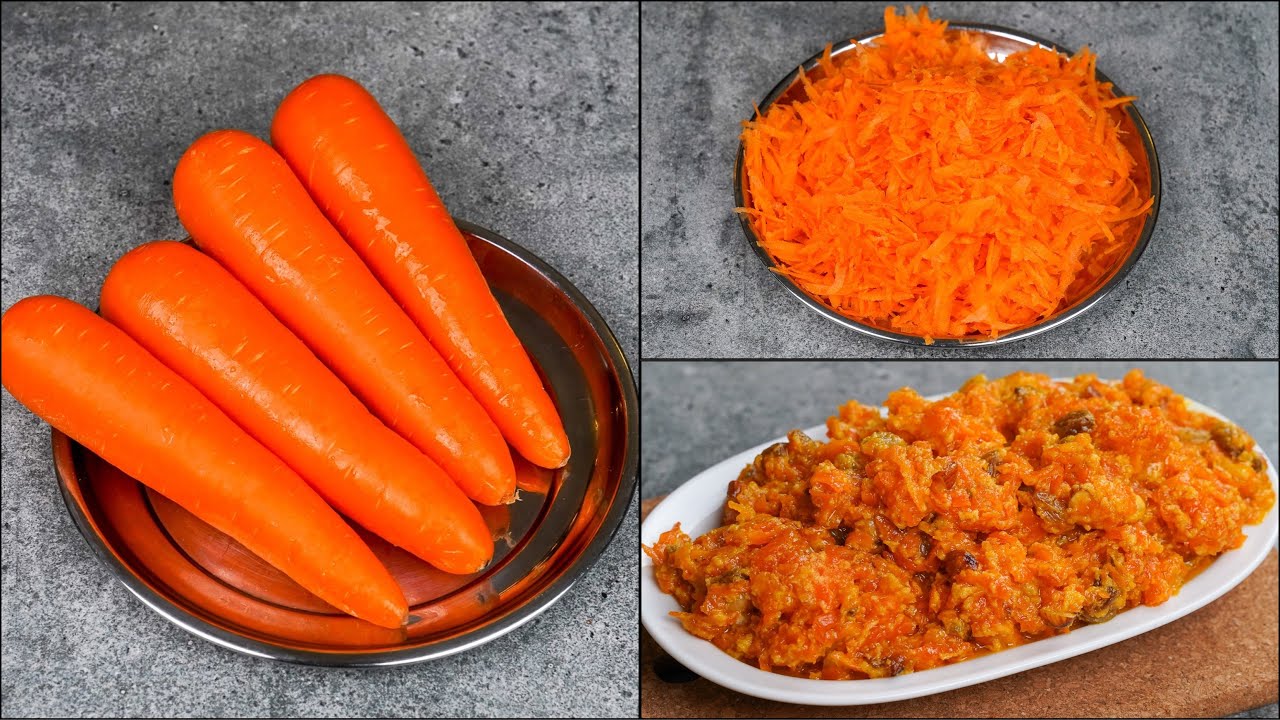
Carrot Halwa Recipe: Carrot Halwa, also known as Gajar Ka Halwa, is one of the most loved traditional desserts in many homes. It is rich, warm, fragrant, and deeply satisfying. Made with fresh carrots, milk, sugar, and ghee, this classic sweet dish delivers a perfect balance of natural sweetness, creamy texture, and aromatic flavor. Whether we prepare it for festive gatherings, family dinners, special occasions, or simple weekend indulgence, this dessert always feels comforting and memorable.
The beauty of a great carrot halwa recipe lies in its simplicity. With the right ingredients, steady cooking, and careful stirring, we can create a dessert that is soft, glossy, and full of flavor. This guide covers everything needed to make a delicious homemade version from scratch, including the ingredients, preparation method, cooking tips, variations, and serving suggestions.
Ingredients You’ll Need for Carrot Halwa
To make a rich and flavorful carrot halwa, we need fresh ingredients that cook down beautifully and create the classic taste and texture.
Main Ingredients
- 1 kg fresh carrots, peeled and grated
- 1 liter full-fat milk
- 4 to 5 tablespoons ghee
- 3/4 to 1 cup sugar, adjusted to taste
- 1/4 teaspoon cardamom powder
- 10 to 12 cashews, chopped
- 10 to 12 almonds, sliced or chopped
- 2 tablespoons raisins
- A few pistachios, chopped for garnish
Optional Ingredients for Richer Flavor
- 1/4 cup khoya or mawa
- A few saffron strands
- 1 tablespoon condensed milk for added richness
Using fresh red or orange carrots gives the best result. Tender, juicy carrots produce halwa with a vibrant color and natural sweetness. Full-fat milk is important because it creates the creamy body that makes the dessert so luxurious.
How to Choose the Best Carrots for Carrot Halwa
For an excellent homemade carrot halwa recipe, the quality of the carrots matters a lot. We should choose carrots that are:
- Bright in color
- Firm to the touch
- Fresh and juicy
- Naturally sweet
- Free from softness or dryness
Fresh carrots cook evenly and blend smoothly with the milk and ghee. If the carrots are too mature or dry, the halwa may taste fibrous and less rich.
Preparation Before Cooking
Before starting the cooking process, we should prepare all ingredients properly so everything moves smoothly.
Step 1: Wash, Peel, and Grate the Carrots
Wash the carrots thoroughly under running water. Peel off the outer skin, trim the ends, and grate them using a medium grater. Avoid grating them too finely because medium strands give the halwa a better texture.
Step 2: Chop the Nuts
Chop the cashews, almonds, and pistachios. Keep the raisins aside. This makes it easy to add them at the right moment without interrupting the cooking process.
Step 3: Measure the Milk, Sugar, and Ghee
Keeping all ingredients ready helps maintain the cooking rhythm. Carrot halwa requires steady attention, so preparation makes the process easier and more efficient.
Step-by-Step Guide to Make Carrot Halwa
Step 1: Heat Ghee in a Heavy Pan
Place a heavy-bottomed pan or kadai on medium heat. Add 2 tablespoons of ghee and let it melt gently. Once warm, add the chopped cashews and almonds. Sauté them lightly until they turn aromatic and slightly golden. Add raisins and stir for a few seconds until they plump up. Remove the nuts and raisins and keep them aside for later.
This step builds a richer base and ensures the garnish adds flavor as well as texture.
Step 2: Sauté the Grated Carrots
In the same pan, add the grated carrots. Stir them well in the remaining ghee and cook for about 8 to 10 minutes on medium heat. This helps reduce the raw smell of the carrots and slightly deepens their sweetness.
The carrots should soften a little, release moisture, and become glossy. This early sautéing step improves the final taste and gives the dessert a deeper, more rounded flavor.
Step 3: Pour in the Milk
Once the carrots are lightly cooked, pour in the full-fat milk. Stir well so the milk coats the carrots evenly. Increase the heat slightly until the mixture begins to simmer, then reduce it to medium.
Cook the carrots in milk uncovered, stirring regularly. This stage is important because the carrots absorb the milk gradually while the liquid reduces. The flavors become richer as the milk thickens and coats the grated carrots.
Step 4: Cook Until the Milk Reduces
Let the mixture cook slowly. Stir every few minutes so the milk does not stick to the bottom of the pan. As it reduces, scrape the sides and bring back any cream into the mixture. This adds more richness and keeps the halwa creamy.
This stage can take 25 to 35 minutes, depending on the pan, heat level, and moisture in the carrots. The mixture should become thicker, with very little milk left in the pan.
Step 5: Add Sugar
Once most of the milk has reduced, add the sugar. Stir thoroughly. After adding sugar, the mixture will loosen and release more moisture. This is normal.
Continue cooking on medium heat, stirring often. The halwa will slowly thicken again as the sugar melts and blends with the cooked carrots and milk solids. At this stage, the aroma becomes deeper and more dessert-like.
Step 6: Add More Ghee for Richness
Add the remaining ghee and stir continuously. This brings shine, flavor, and the signature richness that makes carrot halwa so satisfying. The halwa should start leaving the sides of the pan as it cooks down further.
The texture should now be soft but not watery, rich but not greasy, and moist without becoming runny.
Step 7: Add Cardamom and Optional Khoya
Add the cardamom powder and mix well. If using khoya or mawa, crumble it in at this stage and stir until fully incorporated. Khoya adds a denser, more luxurious finish and gives the halwa a festive quality.
If using saffron, soak a few strands in a teaspoon of warm milk and add that too. This gives the dessert a delicate aroma and a beautiful richness.
Step 8: Finish with Fried Nuts and Raisins
Add the fried nuts and raisins back into the pan. Mix well so they are evenly distributed throughout the halwa. Save a few for garnish if preferred.
Cook for another 2 to 3 minutes until everything is fully blended. Turn off the heat once the halwa looks glossy, thick, and well combined.
How to Know When Carrot Halwa Is Done
A perfectly cooked carrot halwa recipe has a few clear signs:
- The mixture looks thick and glossy
- The milk has fully reduced
- The halwa starts leaving the sides of the pan
- The carrots are soft and fully cooked
- The ghee is well absorbed and lightly visible
- The raw smell is completely gone
The final result should be moist and rich, not dry and crumbly. Good halwa holds its shape on a spoon but still feels soft and luscious.
Tips for the Best Carrot Halwa Recipe
Use Full-Fat Milk
This creates a creamy, authentic texture. Thin milk will not produce the same depth.
Cook Slowly
Slow cooking develops flavor properly. Rushing the process can leave the carrots undercooked or the milk insufficiently reduced.
Do Not Skip the Ghee
Ghee adds traditional flavor and improves both aroma and mouthfeel. It gives the dessert its unmistakable richness.
Grate by Hand if Possible
Freshly hand-grated carrots usually provide better texture than overly processed carrots.
Adjust Sugar Carefully
The sweetness of carrots varies. Start with less sugar, then add more if needed.
Use a Heavy Pan
This prevents sticking and helps the halwa cook evenly.
Easy Variations of Carrot Halwa
One of the best things about carrot halwa is how easily it can be adapted.
Carrot Halwa with Condensed Milk
Replace part of the sugar with condensed milk for a creamier and richer dessert. This version is slightly more indulgent and works well for celebrations.
Carrot Halwa with Khoya
Adding khoya creates a denser halwa with a more traditional festive taste. This version feels especially special.
Vegan Carrot Halwa
Use plant-based milk such as almond milk or coconut milk, and replace ghee with a neutral vegan fat. The flavor changes slightly, but the dessert can still be delicious.
Low-Sugar Carrot Halwa
Reduce the sugar and allow the natural sweetness of carrots to stand out more. This works well when the carrots are especially sweet.
Serving Suggestions for Carrot Halwa
Carrot halwa can be served in several delicious ways:
- Warm, straight from the pan
- Hot with vanilla ice cream
- Chilled, for a firmer dessert texture
- Garnished with pistachios and almonds
- Served after lunch or dinner
- Presented in small dessert bowls for guests
Warm halwa is the most traditional and comforting option. The contrast of warm halwa with cold ice cream also makes an excellent modern serving idea.
How to Store Carrot Halwa
If there are leftovers, let the halwa cool completely before storing. Place it in an airtight container and refrigerate for up to 4 to 5 days. Reheat gently in a pan or microwave before serving.
For longer storage, it can be frozen in small portions. Thaw in the refrigerator and reheat before serving. This makes it easy to enjoy homemade carrot halwa whenever needed.
Why This Carrot Halwa Recipe Works So Well
This carrot halwa recipe delivers reliable results because it follows the classic cooking method that builds flavor gradually. First, the carrots are sautéed to remove any raw taste. Then the milk is reduced slowly for creaminess. Sugar is added at the right stage so the texture remains balanced. Finally, ghee, cardamom, and nuts complete the dish with richness and aroma.
Each step contributes to the final quality. The result is a dessert that is soft, fragrant, satisfying, and full of traditional character.
FAQs about Carrot Halwa Recipe
1. What is Carrot Halwa?
Carrot Halwa is a rich, sweet dessert made with grated carrots, milk, sugar, and ghee. It is cooked slowly until the mixture becomes soft, thick, and flavorful.
2. Which carrots are best for Carrot Halwa?
Fresh, tender, and naturally sweet carrots are best. Red carrots are often preferred for a more traditional taste, but orange carrots also work very well.
3. Can we make Carrot Halwa without khoya?
Yes. We can prepare Carrot Halwa without khoya and still get a delicious dessert. Khoya simply adds extra richness and a more traditional texture.
4. Why is my Carrot Halwa too watery?
This usually happens when the milk has not reduced enough or the carrots contain a lot of moisture. Continue cooking until the liquid evaporates and the halwa thickens properly.
5. How do we make Carrot Halwa rich and flavorful?
Using full-fat milk, ghee, cardamom, nuts, and raisins helps create a richer taste. Slow cooking also allows the flavors to develop fully.
6. Can we reduce the sugar in Carrot Halwa?
Yes. We can adjust the sugar according to taste. If the carrots are naturally sweet, less sugar may be needed.
7. How should we store Carrot Halwa?
Store it in an airtight container in the refrigerator for 3 to 5 days. Reheat gently before serving for the best flavor and texture.
8. What can we serve with Carrot Halwa?
Carrot Halwa can be served warm on its own or topped with chopped nuts, cream, ice cream, or a spoonful of rabri for a richer dessert.
Conclusion
A well-made carrot halwa is timeless. It is simple enough for regular home cooking yet rich enough for celebrations and special occasions. With fresh carrots, full-fat milk, ghee, sugar, and cardamom, we can create a dessert that feels warm, elegant, and deeply rewarding. By following this detailed step-by-step guide, we achieve a halwa that is smooth, rich, flavorful, and beautifully balanced.
Whether served warm on a quiet evening or offered to guests at a festive gathering, this homemade carrot halwa recipe remains one of the most comforting and impressive desserts we can make in our kitchen.