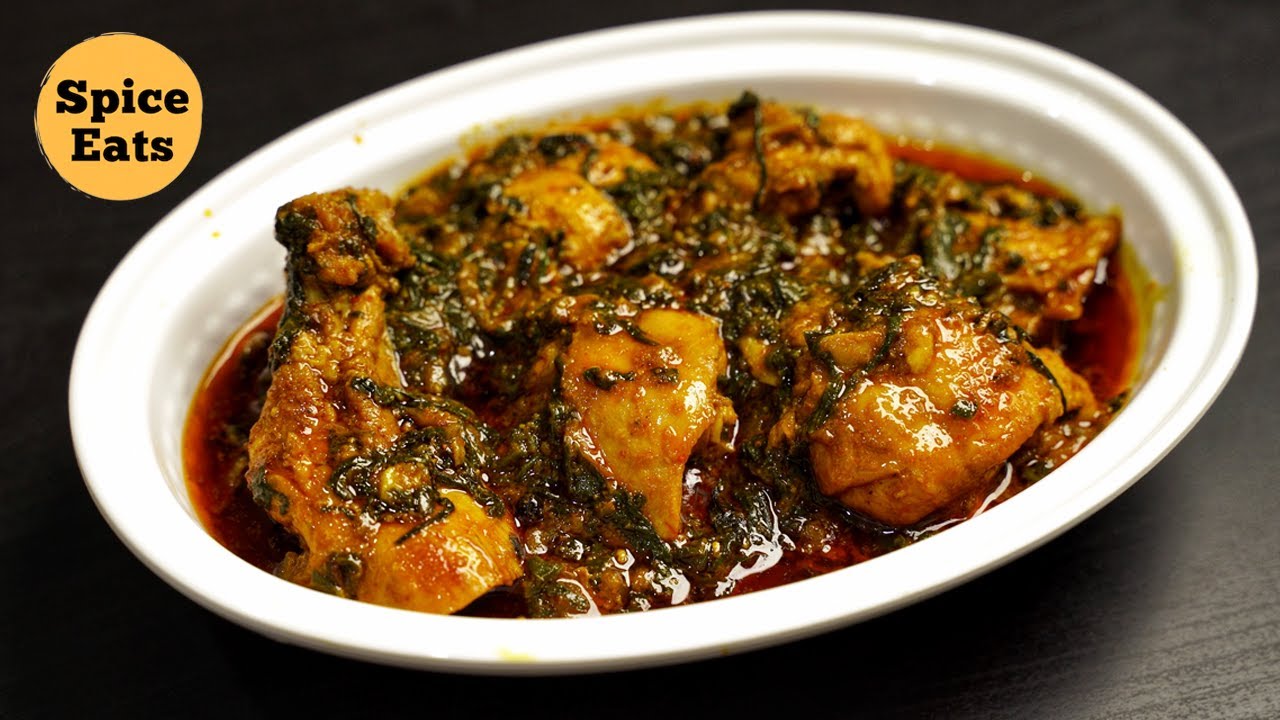
Chicken Saag Recipe: There are some dishes that feel like comfort food from the very first bite, and Chicken Saag is one of them. It is rich without being too heavy, warmly spiced without setting your mouth on fire, and packed with a deep earthy flavor that feels both nourishing and satisfying.
When you combine tender chicken with soft, vibrant greens and a fragrant onion-tomato masala, you get a dish that tastes like it took all day, even when it did not. That is part of the magic here. It looks impressive, tastes restaurant-quality, and still fits into a home kitchen routine without turning dinner into a stressful project.
This guide is built for people who want a professional step-by-step Chicken Saag recipe that is still easy to follow. Whether you are brand new to Indian cooking or already comfortable with curries, this article will walk you through the process in a practical, clear way. You will learn what ingredients matter most, how to build flavor properly, and how to avoid the common mistakes that can leave the dish watery, bland, or overly bitter. By the end, you will not just know how to cook Chicken Saag. You will know how to make it well.
What Is Chicken Saag?
Chicken Saag is a classic Indian-style curry made with chicken and leafy greens, most commonly spinach, though the word saag can refer to a variety of greens. The dish is known for its velvety texture, savory flavor, and balanced spice profile. Unlike some curries that lean heavily on cream or butter for richness, Chicken Saag gets much of its body from cooked greens blended or mashed into the masala base. That gives it a distinct character. It feels rustic and refined at the same time, like a warm blanket with a polished finish.
Across regions and households, Chicken Saag can look a little different. Some versions are smoother and silkier, almost like a puree, while others are chunkier and more homestyle with visible pieces of spinach and onion. Some cooks use mustard greens, fenugreek leaves, or a mixture of greens to bring more complexity. Others keep it simple with spinach because it is easy to find, mild in flavor, and cooks quickly. The spices can vary too, but the core idea stays the same: tender chicken simmered in a deeply seasoned green gravy.
One reason this dish is so loved is that it bridges the gap between everyday cooking and special-occasion food. It is not flashy in the way a bright red curry might be, yet it has a quiet confidence. It wins people over with aroma, texture, and depth rather than just appearance. When made properly, it delivers layers of flavor that keep unfolding as you eat. First you notice the garlic and ginger, then the warm spices, then the slight sweetness of onion, and finally the mellow, earthy greens that hold everything together.
The Difference Between Saag and Palak
A lot of people use saag and palak as if they mean the same thing, but there is a subtle difference worth knowing. Palak specifically means spinach, while saag is a broader term for leafy greens. So if a dish is called Chicken Palak, it usually means the curry is made mainly or entirely with spinach. If it is called Chicken Saag, the greens may include spinach, mustard greens, bathua, fenugreek leaves, or a combination depending on tradition and availability. In many restaurants outside South Asia, though, the names often overlap and spinach becomes the default either way.
This distinction matters because the type of greens changes the flavor. Spinach is mild, soft, and slightly sweet when cooked. Mustard greens are sharper and more peppery. Fenugreek leaves bring a gentle bitterness and a very distinctive aroma that can make the curry taste more complex. So when people talk about saag having a deeper, more rustic taste than palak, that is usually why. Still, for home cooks, spinach is a fantastic starting point because it is forgiving, familiar, and easy to work with.
Knowing this also helps you adapt the recipe confidently. You do not need to feel boxed in by one label. You can make a beautiful Chicken Saag with only spinach, or mix in other greens for more depth. Think of the dish less like a strict rulebook and more like a trusted framework. Once you understand the base, you can adjust it to your taste, pantry, and mood.
Why This Chicken Saag Recipe Works
A good Chicken Saag recipe is not just about adding spinach to chicken curry and hoping for the best. It works because every part of the dish supports the next. The onion, garlic, and ginger form a fragrant foundation. The tomatoes add tang and body. The spices bloom in the oil and spread through the sauce. The greens soften and melt into the masala, creating a thick, earthy gravy. Then the chicken simmers until it becomes tender and absorbs all of that flavor. It is a chain reaction, and when each step is done properly, the result tastes layered, rounded, and deeply satisfying.
This recipe is especially effective because it focuses on method as much as ingredients. That matters more than many people realize. You can have the best spices in the world, but if you add them at the wrong time or rush the onions, the dish will taste flat. On the other hand, even a simple pantry version can taste incredible when the base is cooked with patience. That is why the step-by-step approach here is so important. It teaches you how to build flavor rather than just follow a list.
Another reason this recipe works is balance. Some Chicken Saag dishes become too bitter from overcooked greens or too acidic from undercooked tomatoes. Others are overloaded with cream and lose the fresh green character that makes the dish special. This version keeps the flavors in check. It gives you richness without heaviness, spice without harshness, and a thick sauce without making it muddy. It is the kind of recipe that feels reliable, which is exactly what you want when cooking for family, guests, or even just yourself after a long day.
Flavor, Texture, and Balance
The real secret to excellent Chicken Saag is balance. Flavor balance starts with aromatics. Onion brings sweetness, garlic adds punch, and ginger cuts through with warmth and brightness. Then the spices step in: cumin for earthiness, coriander for citrusy depth, turmeric for warmth and color, garam masala for aroma, and chili for heat. None of these should dominate. They should weave together like threads in a fabric, each one noticeable but never overwhelming.
Texture matters just as much. The sauce should be thick enough to cling to the chicken and scoop up with naan or spoon over rice, but not so dense that it feels like paste. The greens should be cooked until soft and integrated, but not cooked to death until they lose all freshness. The chicken should be juicy, not rubbery. Even a small touch of yogurt or cream at the end can soften the edges and round everything out, but too much turns the dish into something else entirely. That is why careful finishing makes such a difference.
When flavor and texture are balanced, the whole dish feels effortless on the plate. It tastes comforting, but not boring. It feels nourishing, but still indulgent. That balance is what separates a decent homemade curry from one that makes people pause after the first bite and say, “This is really good.” And honestly, that is the goal.
Ingredients You’ll Need
Here is the complete Ingredients You’ll Need list for a flavorful homemade Chicken Saag that serves about 4 people:
Main Ingredients
- 500 to 600 grams boneless chicken thighs or breast, cut into bite-sized pieces
- 300 to 400 grams spinach fresh or frozen
- 2 tablespoons oil or ghee
- 1 large onion, finely chopped
- 2 medium tomatoes, finely chopped or pureed
- 1/4 cup plain yogurt
- 1 to 2 green chilies, chopped
- 1/4 cup water, or as needed
Spices and Seasonings
- 1 tablespoon ginger-garlic paste
- 1 teaspoon cumin seeds
- 1 teaspoon ground coriander
- 1/2 teaspoon turmeric powder
- 1 teaspoon red chili powder adjust to taste
- 1 teaspoon garam masala
- 1/2 teaspoon cumin powder
- Salt, to taste
- Black pepper, to taste
Optional Add-Ins for Extra Flavor
- 1 tablespoon cream for a silkier finish
- 1 tablespoon butter for richness
- 1 teaspoon kasuri methi crushed dried fenugreek leaves
- A squeeze of lemon juice for brightness
These ingredients come together in a way that feels almost alchemical. The spinach gives the dish its identity, the chicken gives it substance, and the spices turn simple ingredients into something memorable. You do not need a complicated shopping trip or rare specialty products to make this recipe shine. What matters more is using fresh aromatics, seasoning with confidence, and respecting each cooking stage.
Kitchen Tools That Make Cooking Easier
You do not need a professional kitchen to make Chicken Saag, but a few basic tools can make the process much smoother. A heavy-bottomed pan or deep skillet is one of the most useful items because it helps cook the onions evenly and prevents the masala from burning too quickly. A thin pan can still work, but it tends to create hot spots, and hot spots are the enemy of patient cooking. Since this recipe depends on building flavor in layers, steady heat matters more than fancy cookware.
A blender or immersion blender can also be helpful, especially if you prefer a smooth restaurant-style sauce. Some people love a rustic saag with visible spinach and soft onion pieces. Others want that velvety green gravy that looks elegant and clings beautifully to the chicken. Either style is valid, and your tool choice simply helps you land where you want. If you do not have a blender, you can mash the spinach mixture lightly with the back of a spoon and still get a delicious result.
Sharp knives, a cutting board, measuring spoons, and a wooden spoon or spatula round out the essentials. Nothing glamorous there, just practical support. Good prep keeps the cooking process flowing, which is important because once the onions and spices start going, you want your ingredients ready to move in at the right moment. Think of your kitchen setup like the backstage crew in a theater production. The audience notices the actors, but the smooth performance depends on what happens behind the curtain.
How to Prepare the Chicken
Preparing the chicken properly may seem like a small detail, but it can make a huge difference in the final dish. The goal is to use pieces that cook evenly and stay tender while absorbing the sauce. If the pieces are too large, they can remain under-seasoned inside and take longer to cook. If they are too small, they may dry out before the curry is done. Bite-sized chunks are the sweet spot. They cook efficiently, hold onto the sauce well, and make the dish easier to eat.
A light marinade is one of the smartest ways to improve both flavor and texture. Even fifteen to twenty minutes with yogurt, salt, chili powder, and a little turmeric can help tenderize the chicken and season it from within. It is not a dramatic, hours-long process unless you want it to be. It is more like giving the chicken a head start. Instead of waiting for all the flavor to arrive during simmering, you are already building depth before the pan is even hot.
Patting the chicken dry before marinating also helps. Too much extra moisture can water down the marinade and delay browning. And while browning is not the only route to flavor in this dish, a little color on the chicken adds a savory depth that really pays off. It is one of those quiet improvements that may not shout for attention but absolutely improves the whole experience.
Best Cuts of Chicken to Use
The best cut for Chicken Saag is usually boneless chicken thighs. They are juicy, forgiving, and less likely to dry out during simmering. Thigh meat holds up beautifully in rich sauces and tends to stay tender even if you cook the curry a little longer than planned. That makes it especially useful for home cooks who are juggling side dishes, rice, or a busy kitchen.
Chicken breast is also a good option if you prefer leaner meat, but it needs a little more care. Because breast meat is naturally lower in fat, it can go from tender to dry fairly quickly. If you use it, be careful not to overcook it during the final simmer. Keep the pieces slightly larger and let them cook just until done. The sauce will do the rest of the work in carrying flavor.
Bone-in chicken can be used too, especially if you enjoy a more traditional and deeply flavored curry. The bones add richness during cooking, but they also increase cooking time and make the dish less quick and weeknight-friendly. For a practical balance of flavor and convenience, boneless thighs are hard to beat.
How to Prepare the Greens
The greens are the heart of this dish, so giving them proper attention is essential. Spinach is the most common choice because it cooks quickly, blends easily, and has a gentle flavor that works beautifully with chicken and spices. If you are using fresh spinach, wash it thoroughly to remove any grit, then drain it well. Nobody wants a sandy curry. Once cleaned, the spinach can be roughly chopped or used whole if the leaves are small and tender.
Cooking the greens briefly before adding them to the masala helps preserve color and flavor. Some cooks blanch spinach in hot water and then blend it. Others sauté it directly in the pan or wilt it with minimal water. Both methods work. Blanching tends to preserve a brighter green, while direct cooking can create a slightly deeper, earthier flavor. There is no single right answer here, just different roads to a delicious result.
A key point is not to overcook the greens. Spinach collapses quickly, and too much cooking can dull the flavor and make the dish taste muddy. You want the greens soft enough to blend into the sauce, but still fresh enough to taste alive. It is a bit like brewing tea. Let it steep just long enough and you get depth. Leave it too long and the brightness disappears.
Fresh vs Frozen Spinach
Both fresh spinach and frozen spinach can make excellent Chicken Saag, and the choice often comes down to convenience. Fresh spinach has a lighter, brighter flavor and can give the dish a more vibrant appearance. It feels a little fresher on the palate and is ideal when you want a clean, lively result. The downside is volume. A huge pile of fresh spinach shrinks dramatically once cooked, so you need more than you might expect.
Frozen spinach, on the other hand, is incredibly practical. It is already washed, chopped, and ready to use, which makes weeknight cooking much easier. It also gives consistent results and blends smoothly into the curry. The main thing to watch is excess water. Frozen spinach should be thawed and squeezed or drained well so it does not dilute the sauce. Once that is handled, it can be a fantastic shortcut.
For many home cooks, frozen spinach is the quiet hero of this recipe. It saves time without sacrificing much in the final result. Fresh spinach may edge ahead in brightness, but frozen spinach wins on convenience and reliability. In a busy kitchen, that trade-off is often worth it.
Step-by-Step Guide for Chicken Saag
This is where the recipe comes alive. A great Step-by-Step Guide is not just a list of actions. It is a rhythm. Each stage builds on the one before it, and when you follow the sequence with care, the dish almost seems to assemble itself.
Step 1 – Marinate the Chicken
Place the chicken pieces in a bowl and season with yogurt, salt, garlic, ginger, turmeric, chili powder, and a little garam masala. Mix well so the chicken is evenly coated. Let it marinate for at least 30 minutes to help build flavor and keep the meat tender.
Step 2 – Cook the Onion, Garlic, and Ginger Base
Heat oil or ghee in a pan over medium heat. Add chopped onion and cook until soft and lightly golden. Stir in the garlic and ginger, then cook for another minute until fragrant. This forms the rich base of the dish.
Step 3 – Add Tomatoes and Spices
Add chopped tomatoes or tomato puree to the pan and cook until the mixture thickens and the oil begins to separate slightly. Stir in spices such as cumin, coriander, paprika, and garam masala. Cook for a few minutes so the flavors develop fully.
Step 4 – Cook the Spinach
Add chopped spinach to the pan and stir until it wilts down. You can cook it until soft, then blend it for a smoother texture if desired. The spinach gives chicken saag its signature rich green color and earthy flavor.
Step 5 – Add Chicken and Simmer
Add the marinated chicken to the spinach mixture and stir well to coat. Cover and let it simmer gently until the chicken is fully cooked and tender. Stir occasionally so the sauce does not stick to the bottom of the pan.
Step 6 – Finish and Serve
Taste and adjust the seasoning with salt or extra spice if needed. For a richer finish, stir in a little cream or butter. Serve hot with rice, naan, or roti for a warm and satisfying meal.
Serving Suggestions for Chicken Saag
A bowl of Chicken Saag can absolutely stand on its own, but the right side dish turns it into a full experience. Steamed basmati rice is one of the best companions because it soaks up the thick green sauce without competing for attention. Each grain acts like a little sponge, pulling in the spices and giving you a balanced bite every time. If rice feels too plain, jeera rice with cumin is a great upgrade that still stays in harmony with the curry.
Naan, roti, or paratha are equally good choices, especially if you enjoy scooping and tearing your way through dinner rather than using a fork and spoon. There is something incredibly satisfying about dragging a warm piece of bread through a rich saag gravy. It feels communal, comforting, and deeply traditional. Add a side of sliced onions, cucumber, or plain yogurt and the whole plate starts feeling beautifully complete.
For a more restaurant-style spread, pair Chicken Saag with a simple lentil dish, pickled onions, or even a light salad. The goal is contrast. Since the curry is rich, soft, and earthy, crisp or cool sides help keep the meal balanced. You do not need a huge table full of dishes to make it feel special. Just a thoughtful pairing or two can take it from dinner to an occasion.
FAQs about Chicken Saag Recipe
1. What is chicken saag?
Chicken saag is a flavorful dish made with chicken cooked in a spiced spinach-based sauce. It is rich, savory, and popular in many South Asian-inspired meals.
2. Is chicken saag very spicy?
It can be mildly spiced or quite hot depending on the recipe. The heat level is easy to adjust by using more or less chili powder or fresh chili.
3. What greens are used in chicken saag?
Spinach is the most common green used in chicken saag. Some recipes also include mustard greens or other leafy greens for a deeper flavor.
4. What cut of chicken works best?
Boneless chicken thighs are often preferred because they stay tender and juicy. Chicken breast can also be used if you want a leaner option.
5. Can I use frozen spinach?
Yes, frozen spinach works well. Just thaw and drain it properly before adding it to the dish so the sauce does not become watery.
6. Can I make chicken saag without cream?
Yes, cream is optional. The dish can still be rich and delicious without it, especially if the onion, tomato, and spinach base is cooked well.
7. What can I serve with chicken saag?
Chicken saag pairs well with basmati rice, naan, roti, or jeera rice. These sides help soak up the flavorful sauce.
8. How do I store leftovers?
Store leftover chicken saag in an airtight container in the refrigerator for up to 3 days. Reheat gently before serving.
9. Can I freeze chicken saag?
Yes, chicken saag freezes well. Let it cool completely, then store it in a freezer-safe container for up to 2 months.
Conclusion
Chicken Saag is one of those dishes that proves great cooking does not have to be complicated to feel impressive. With a few smart ingredients, patient layering, and the right technique, you can create a curry that tastes warm, rich, and deeply satisfying. The combination of tender chicken, fragrant spices, and velvety greens delivers a meal that feels both wholesome and luxurious, which is not an easy balance to strike. Yet this dish does it naturally.
At its best, Chicken Saag is more than just another curry recipe. It is the kind of meal that fills the kitchen with irresistible aroma and brings people back for seconds without hesitation. It is hearty enough to satisfy, balanced enough to feel fresh, and comforting enough to earn a permanent spot in your recipe collection. Make it once with care, and there is a good chance it becomes part of your regular rotation.