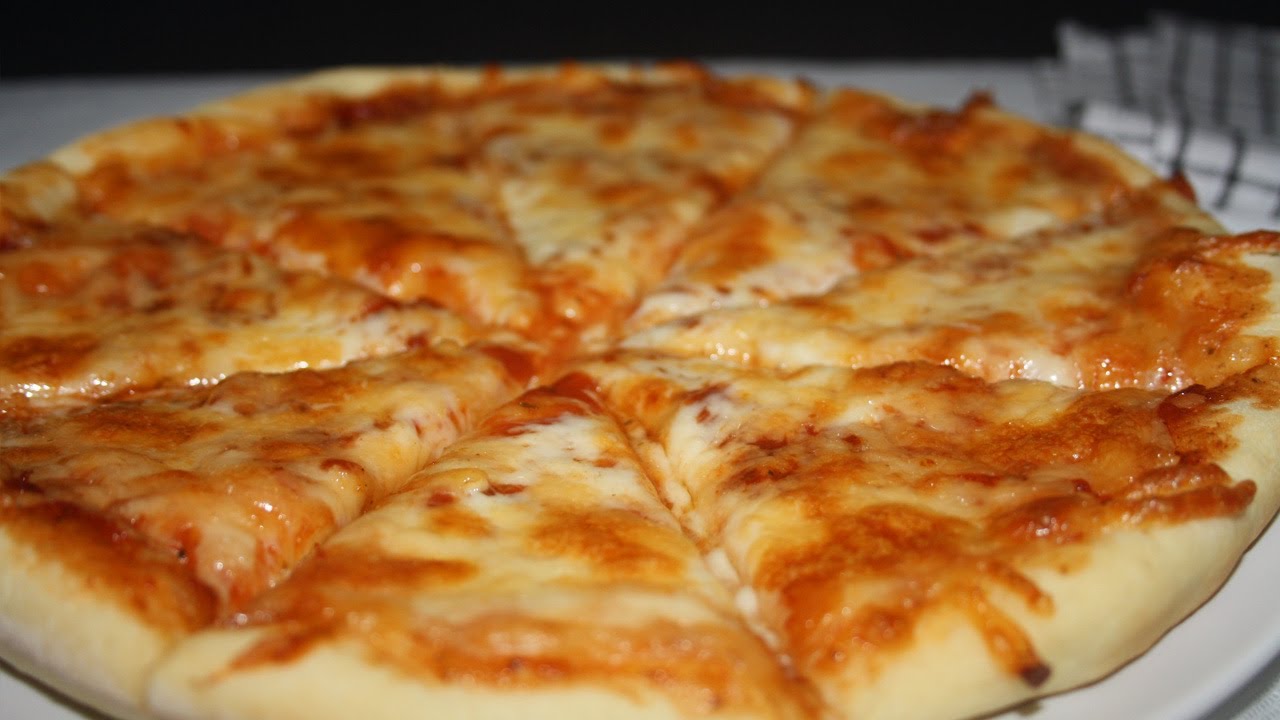
Cheese Pizza Recipe: There is something almost magical about a hot homemade cheese pizza coming out of the oven. The crust is golden, the cheese is bubbling, and the smell fills the kitchen like a promise that dinner is going to be far better than anything that arrives in a cardboard box.
A lot of people think pizza belongs in restaurants or takeout menus, but the truth is that making it at home is easier than it looks.
Once you learn the rhythm of the process, it becomes less like a difficult recipe and more like a kitchen habit you will want to repeat again and again. You are not just making food here. You are building flavor layer by layer, from the dough to the sauce to that blanket of melted cheese.
What Makes a Great Cheese Pizza
A great cheese pizza is not just bread with sauce and cheese thrown on top. The best version feels balanced in every bite. The crust should be soft inside with just enough chew, while the outside should have a slight crispness that keeps the slice from falling apart in your hand. The sauce should taste bright and seasoned, not watery or flat. Then comes the cheese, which should melt smoothly and stretch when sliced without turning greasy or heavy. When all three parts work together, the pizza tastes complete rather than crowded.
That balance is what separates an average homemade pizza from one that makes people stop mid-bite and say, “Wait, you made this yourself?” It is a little like music. If one instrument is too loud, the whole song feels off. Too much sauce makes the crust soggy. Too much cheese can overwhelm the flavor. Too little seasoning makes everything taste sleepy. A professional-style pizza does not need to be complicated. It just needs thoughtful proportions and a reliable method. Once you understand that, the entire process becomes easier.
Another important detail is freshness. Fresh dough, fresh sauce, and good-quality cheese do a lot of the heavy lifting. Even a simple pizza can taste restaurant-worthy when the ingredients are chosen with care. This is why homemade pizza often surprises people. It turns ordinary pantry basics into something comforting and impressive. And the beauty of a step-by-step cheese pizza recipe is that it helps you control every detail. You get to choose the flavor, the thickness, the cheesiness, and the finish. That control is what makes homemade pizza so rewarding.
The Balance of Dough, Sauce, and Cheese
The heart of any best cheese pizza recipe is the relationship between dough, sauce, and cheese. Picture a three-legged stool. If one leg is too short or too long, the whole thing wobbles. Pizza works the same way. The dough is your foundation, and it needs to be sturdy enough to hold the toppings while still staying tender. The sauce adds moisture and acidity, waking up the flavor of the crust and the richness of the cheese. Then the cheese brings creaminess, saltiness, and that irresistible melted texture everyone craves.
Most pizza mistakes happen when this balance is ignored. A thick layer of sauce may sound generous, but it often turns the center into a wet mess. Piling on cheese can seem tempting, yet it can make the pizza greasy and hide the flavor of the sauce beneath it. On the other hand, a bland crust can make even the best toppings feel disappointing. Great pizza is about harmony, not excess. Each part should support the others instead of trying to dominate the bite.
The good news is that once you know what to aim for, balance becomes easy to achieve. Spread the sauce thinly but evenly. Use enough cheese to cover the top without smothering it. Shape the dough to the thickness you actually want instead of forcing it into a style it does not suit. This recipe will walk you through those choices clearly, so you are not guessing along the way. When these three parts come together properly, even a basic cheese pizza feels polished and deeply satisfying.
Choosing Flavor Over Convenience
Convenience matters, of course. Life gets busy, and not every meal can turn into a full kitchen event. Still, when it comes to homemade pizza, choosing flavor over convenience pays off in a big way. Pre-made crusts, bottled sauces, and low-quality cheese may save a little time, but they rarely create the kind of pizza people remember. Making a quick dough and a simple sauce from scratch can transform the final result from acceptable to exceptional. It is the difference between a meal that fills you up and one that makes dinner feel special.
That does not mean the process needs to be exhausting. In fact, one reason this cheese pizza step-by-step guide works so well is that each stage is straightforward. The dough uses basic ingredients. The sauce comes together in minutes. The assembly is simple. What you gain from doing it yourself is not just freshness but control. You can season the sauce exactly how you like it. You can decide whether the crust should be thin, medium, or slightly thick. You can choose the cheese blend that gives you the melt and flavor you want.
Flavor is often built through small decisions rather than dramatic tricks. A pinch of oregano in the sauce, a touch of olive oil in the dough, or a proper oven preheat can make a noticeable difference. These are not complicated upgrades, but they matter. When you make pizza with intention, even a humble cheese pizza starts tasting polished and professional. That is why this recipe focuses on method as much as ingredients. Great flavor does not happen by accident. It comes from simple steps done well.
Ingredients You’ll Need
This recipe is built around pantry-friendly items, which means you probably already have many of them at home. The ingredients are divided into dough, sauce, and topping sections so you can follow the process without confusion.
Ingredients for the Pizza Dough
For the dough, you will need:
- 3 cups all-purpose flour
- 1 teaspoon sugar
- 1 teaspoon salt
- 2 1/4 teaspoons instant yeast or active dry yeast
- 1 cup warm water
- 2 tablespoons olive oil
These ingredients create a dough that is soft, workable, and ideal for a classic cheese pizza. The flour gives the crust structure, the yeast helps it rise, the sugar gently feeds the yeast, and the olive oil adds tenderness and flavor. The salt may seem small, but it is essential because it keeps the dough from tasting flat.
Ingredients for the Pizza Sauce
For the sauce, you will need:
- 1 cup tomato sauce or crushed tomatoes
- 1 tablespoon olive oil
- 2 cloves garlic, minced
- 1/2 teaspoon salt
- 1/2 teaspoon sugar
- 1/2 teaspoon dried oregano
- 1/4 teaspoon dried basil
- 1/4 teaspoon black pepper
This sauce is simple, balanced, and made to support the cheese rather than compete with it. It has enough seasoning to taste lively without becoming overpowering.
Ingredients for the Topping
For the topping, you will need:
- 2 cups shredded mozzarella cheese
- 2 tablespoons grated Parmesan cheese
- 1 tablespoon olive oil for brushing the crust, optional
Mozzarella is the star here because it melts beautifully and gives you that classic stretchy texture. Parmesan adds a sharper, saltier note that deepens the overall flavor.
Optional Add-Ons for Extra Flavor
These are optional, but they can make your pizza even better:
- Pinch of red chili flakes
- Fresh basil leaves
- A little extra oregano
- Cornmeal or flour for dusting the tray or surface
These ingredients are not required, but they are helpful if you want extra character in your finished pizza.
Kitchen Tools That Make the Job Easier
You do not need a professional pizza oven to make a wonderful cheese pizza at home, but a few basic tools make the process smoother. A large mixing bowl is useful for combining and rising the dough. A measuring cup and measuring spoons keep the recipe accurate, which is especially important when yeast is involved. A rolling pin can help if you prefer a uniform shape, though many home cooks simply stretch the dough with their hands. A baking tray or pizza pan works perfectly well for this recipe, and parchment paper can make cleanup easier.
A saucepan helps with the pizza sauce, and a wooden spoon or spatula makes stirring easy. You will also need an oven that has been fully preheated. That may sound obvious, but it is one of the biggest details behind a good crust. Baking pizza in an oven that is not hot enough is like trying to toast bread with a candle. Technically, something happens, but not the result you wanted. A sharp pizza cutter or knife will make slicing easier once the pizza is baked.
The most useful tool, though, is not a gadget at all. It is patience. Good pizza rewards a little waiting, especially during the dough rise and oven preheat. Rushing those parts can flatten the final flavor and texture. The process is not difficult, but it does ask you to let each stage do its job.
Step-by-Step Guide for Cheese Pizza
Step 1 – Prepare the Dough
Start by mixing flour, yeast, warm water, salt, and a little olive oil in a large bowl. Stir until a rough dough forms. This is the base of your pizza, so getting the balance right matters. The dough may look shaggy at first, but that is completely normal.
Step 2 – Knead Until Smooth and Elastic
Transfer the dough to a lightly floured surface and knead it for several minutes. Push, fold, and turn until it becomes smooth and stretchy. Good kneading builds structure, almost like weaving threads into strong fabric. This helps the crust turn soft inside with a pleasant chew.
Step 3 – Let the Dough Rise
Place the dough in a lightly oiled bowl, cover it, and let it rise until doubled in size. This usually takes about an hour, depending on the warmth of the room. The rising stage gives the crust its light texture and deeper flavor.
Step 4 – Make the Pizza Sauce
While the dough rises, prepare the sauce by mixing crushed tomatoes with olive oil, garlic, salt, and a few herbs. Keep it simple so the cheese remains the star. A balanced sauce adds moisture and flavor without overpowering the pizza.
Step 5 – Preheat the Oven Properly
Heat your oven to a high temperature, usually 475°F to 500°F (245°C to 260°C). Place a pizza tray, stone, or baking sheet inside while it heats. A hot oven is the secret to a crisp, well-baked crust.
Step 6 – Shape the Pizza Base
Punch down the risen dough and stretch or roll it into your desired shape. Keep the center thinner and the edges slightly thicker for a classic crust. Try not to press out all the air.
Step 7 – Add Sauce and Cheese
Spread a thin layer of sauce over the base, then top generously with mozzarella cheese. Leave a small border around the edges so the crust can bake up beautifully.
Step 8 – Bake Until Golden and Bubbly
Bake the pizza until the crust is golden and the cheese is melted, bubbling, and lightly browned in spots. Watch closely near the end so it does not overcook.
Step 9 – Cool Slightly, Slice, and Serve
Let the pizza rest for a minute or two before slicing. This helps the cheese settle and makes serving easier. Slice and enjoy while it is still hot and stretchy.
Common Mistakes to Avoid
A few common mistakes can stand between you and a truly great homemade cheese pizza. One of the biggest is using water that is too hot for the yeast. Hot water can kill the yeast, while cold water may not activate it properly. Another frequent issue is adding too much flour during mixing or kneading. A slightly tacky dough is normal, but a dry dough often bakes into a tough crust. It is better to adjust gradually than to dump in extra flour too quickly.
Another mistake is using too much sauce or cheese. It sounds harmless, but excess topping often leads to soggy centers and uneven baking. Pizza is one of those dishes where restraint often creates a better result. Skipping a full preheat is another major problem. A weakly heated oven makes the pizza bake slowly and lose that lively texture you want. And then there is the final trap: slicing too soon. Letting the pizza rest for a couple of minutes helps everything settle.
These mistakes are easy to avoid once you know them. That is the good news. Pizza has a reputation for being tricky, but most problems come from a few simple missteps. Learn those once, and your results improve dramatically.
Tips for the Best Professional-Style Cheese Pizza
If you want your cheese pizza recipe to taste even more polished, a few small habits make a big difference. First, use freshly shredded mozzarella instead of pre-shredded cheese when possible. Packaged shredded cheese often contains anti-caking agents that can affect melting. Freshly shredded cheese melts more smoothly and gives a creamier finish. Second, give your oven enough time to get truly hot. That one choice can improve crust texture more than almost anything else.
Another useful tip is to avoid overloading the center of the pizza. Keep toppings slightly lighter in the middle so the crust bakes evenly. Brushing the outer edge with olive oil helps create color and flavor, and a touch of Parmesan adds a nice savory depth. Some home cooks also like to let the dough rest in the refrigerator for several hours or overnight for more flavor. That extra time develops complexity, almost like letting soup sit before serving. The taste gets deeper and more rounded.
Finally, trust repetition. The first pizza teaches the process, the second builds confidence, and the third starts feeling like your own signature version. Professional-style pizza is not only about equipment. It is about consistency, heat, and balance. Master those, and your homemade pizza starts tasting surprisingly close to what you would hope to get from a great pizzeria.
FAQs about Cheese Pizza Recipe
1. What is the best cheese for cheese pizza?
Mozzarella is the most popular choice because it melts beautifully and gives that classic stretchy texture. You can also mix in cheddar, provolone, parmesan, or Monterey Jack for extra flavor.
2. Can I make cheese pizza without pizza stone?
Yes, you can use a baking tray, sheet pan, or cast-iron pan instead. A pizza stone helps create a crispier crust, but it is not required for a delicious homemade pizza.
3. Why is my pizza crust not crispy?
This can happen if the oven is not hot enough or if too much sauce is used. A properly preheated oven and a lighter layer of sauce usually help the crust bake better and stay crisp.
4. Can I use store-bought dough for cheese pizza?
Yes, store-bought dough is a great time-saver. It makes homemade pizza much easier while still giving you fresh flavor and a warm, cheesy result.
5. How do I keep cheese from burning on pizza?
Bake the pizza at a high temperature, but keep an eye on it during the final minutes. Using the right amount of cheese and placing the pizza in the center of the oven also helps prevent burning.
6. Can cheese pizza be reheated?
Yes, cheese pizza reheats well. For the best texture, warm it in an oven, skillet, or air fryer instead of a microwave so the crust stays firmer.
7. What sauce works best for cheese pizza?
A simple tomato-based pizza sauce made with crushed tomatoes, garlic, olive oil, salt, and herbs works best. The flavor should be balanced so it supports the cheese rather than overpowering it.
Conclusion
A truly satisfying cheese pizza does not depend on complicated ingredients or advanced kitchen skills. It depends on simple things done well: a soft dough, a flavorful sauce, quality cheese, and the patience to let each stage work properly. When you break the process into clear steps, pizza becomes much more approachable. It stops feeling like a special-occasion project and starts feeling like a recipe you can genuinely own.
This step-by-step cheese pizza recipe is built to help you do exactly that. From mixing the dough to pulling the golden pizza from the oven, every part serves a purpose. The result is a comforting, crowd-pleasing meal with a professional feel and homemade warmth. Whether you are making dinner for family, treating friends, or simply learning a foundational recipe, this pizza is a great place to start. And once you taste that first hot, cheesy slice, it is hard not to want to make it again.