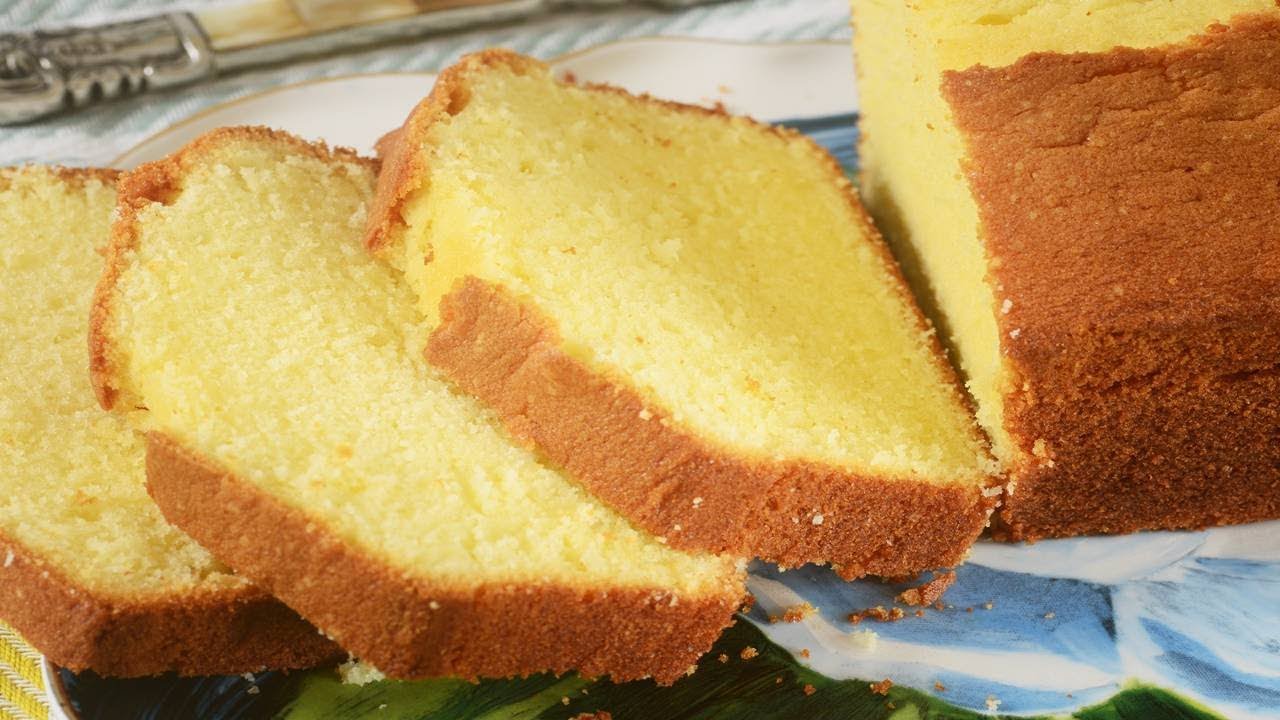
Butter Pound Cake Recipe: Butter pound cake is one of the most beloved classic desserts in the world. Known for its rich buttery flavor, soft crumb, and simple ingredients, this cake has stood the test of time for centuries. Whether served plain with tea, topped with berries and whipped cream, or used as the base for layered desserts, butter pound cake delivers comfort and indulgence in every bite.
Originally created in Europe, the traditional pound cake recipe used one pound each of butter, sugar, eggs, and flour—which is how the cake got its name. Modern recipes still keep the spirit of this formula but adjust ingredient ratios to create a lighter texture while maintaining that signature buttery richness.
In this comprehensive guide, you’ll learn everything you need to know about making a perfect butter pound cake—from choosing the best ingredients to mastering the baking process step by step.
Ingredients You’ll Need
Making a butter pound cake requires simple pantry ingredients, but the quality and temperature of those ingredients matter a lot. Using fresh butter, room-temperature eggs, and high-quality vanilla will significantly improve the flavor and texture.
Main Ingredients
1. Unsalted Butter (1 cup / 226g)
Butter is the heart of a pound cake. It provides flavor, moisture, and structure.
Why unsalted butter?
- Gives better control of salt levels
- Produces a cleaner buttery flavor
- Creams better with sugar
Always use room temperature butter, not melted or cold.
2. Granulated Sugar (2 cups)
Sugar does more than sweeten the cake. It also:
- Helps create a tender crumb
- Retains moisture
- Assists in browning
Creaming sugar with butter creates tiny air pockets that help the cake rise.
3. Eggs (4 large)
Eggs provide structure, richness, and moisture.
Important tips:
- Eggs must be room temperature
- Add them one at a time
- Beat well after each addition
Egg yolks contribute richness while egg whites help the cake rise.
4. All-Purpose Flour (2 ½ cups)
Flour forms the structure of the cake.
Use all-purpose flour, not bread flour or self-rising flour unless the recipe specifies.
For best results:
- Measure using the spoon-and-level method
- Avoid packing flour into the cup
Too much flour will make the cake dry and dense.
5. Baking Powder (1 teaspoon)
Traditional pound cakes didn’t use leavening agents, but modern recipes add baking powder to produce a lighter texture.
It helps the cake:
- Rise evenly
- Avoid becoming overly dense
6. Salt (½ teaspoon)
Salt balances sweetness and enhances the buttery flavor.
Even sweet desserts benefit from a small amount of salt.
7. Whole Milk (1 cup)
Milk adds moisture and helps create a smooth batter.
Whole milk is best because the fat contributes to a richer texture.
Alternatives include:
- Buttermilk
- Heavy cream
- Almond milk
8. Vanilla Extract (2 teaspoons)
Vanilla enhances the cake’s flavor and complements the butter.
Pure vanilla extract is recommended over artificial vanilla.
Optional Flavor Additions
You can customize butter pound cake with additional ingredients such as:
- Lemon zest
- Almond extract
- Orange zest
- Nutmeg
- Cinnamon
- Chocolate chips
Equipment Needed
Before starting, gather the following tools:
- Mixing bowls
- Electric mixer or stand mixer
- Rubber spatula
- Measuring cups and spoons
- Loaf pan or bundt pan
- Cooling rack
- Whisk
- Sifter or sieve
Having the right tools helps ensure consistent results.
Step-by-Step Guide to Making Butter Pound Cake
Now let’s walk through the detailed process of making a perfect butter pound cake from scratch.
Step 1 – Preheat the Oven
Preheat your oven to 325°F (165°C). Grease and lightly flour a loaf pan or bundt pan to prevent the cake from sticking during baking.
Step 2 – Cream the Butter and Sugar
In a large mixing bowl, beat unsalted butter and granulated sugar together using a hand mixer or stand mixer. Mix for about 4–5 minutes until the mixture becomes light, fluffy, and pale in color.
Step 3 – Add the Eggs
Add eggs one at a time, mixing well after each addition. This helps create a smooth batter and ensures the ingredients combine properly.
Step 4 – Mix the Dry Ingredients
In a separate bowl, whisk together all-purpose flour, baking powder, and a pinch of salt. This ensures the dry ingredients are evenly distributed.
Step 5 – Combine Wet and Dry Ingredients
Gradually add the dry ingredients to the butter mixture, alternating with milk or buttermilk. Mix gently until the batter becomes smooth and well combined.
Step 6 – Add Flavoring
Stir in vanilla extract or almond extract to enhance the flavor of the cake.
Step 7 – Bake the Cake
Pour the batter into the prepared pan and smooth the top. Bake for 60–70 minutes or until a toothpick inserted in the center comes out clean.
Allow the cake to cool in the pan for about 10 minutes, then transfer it to a wire rack to cool completely before slicing and serving. Enjoy your rich and buttery pound cake! 🎂🧈
Tips for the Perfect Butter Pound Cake
To achieve bakery-quality results, keep these tips in mind.
Use Real Butter
Avoid margarine or butter substitutes.
Real butter produces the best flavor and texture.
Do Not Overmix the Batter
Overmixing develops gluten, making the cake tough.
Mix only until ingredients are combined.
Use Room Temperature Ingredients
Cold ingredients can cause uneven mixing and affect texture.
Bake at the Right Temperature
Too high a temperature may cause the outside to brown before the inside cooks.
Let the Cake Cool Properly
Cutting the cake while hot may cause it to crumble.
Always allow full cooling.
Variations of Butter Pound Cake
Butter pound cake is extremely versatile.
Here are some popular variations.
Lemon Butter Pound Cake
Add:
- 2 tablespoons lemon zest
- 2 tablespoons lemon juice
Top with lemon glaze.
Almond Pound Cake
Replace vanilla with almond extract.
Add sliced almonds for texture.
Chocolate Chip Pound Cake
Fold in 1 cup chocolate chips before baking.
Marble Pound Cake
Divide batter into two portions.
Add cocoa powder to one half and swirl both batters together.
How to Store Butter Pound Cake
Proper storage keeps your cake fresh longer.
Room Temperature
Store in an airtight container for 3 days.
Refrigerator
Wrap tightly and refrigerate for up to 1 week.
Freezer
Butter pound cake freezes well.
Wrap slices in plastic wrap and store in freezer bags.
It can last 3 months in the freezer.
Common Mistakes to Avoid
Using Cold Butter
Cold butter does not cream properly with sugar.
Adding Too Much Flour
Excess flour makes the cake dry.
Always measure accurately.
Opening the Oven Too Early
This can cause the cake to collapse.
Underbaking the Cake
A dense center usually means the cake needs more baking time.
Nutritional Information (Approximate)
Per slice (based on 12 servings):
- Calories: 380
- Fat: 20g
- Carbohydrates: 45g
- Sugar: 28g
- Protein: 5g
Values may vary depending on ingredient brands.
Why Butter Pound Cake Remains a Classic
Butter pound cake remains one of the most cherished desserts because it combines:
- Simple ingredients
- Reliable baking techniques
- Rich comforting flavor
Unlike complicated cakes, pound cake focuses on perfect texture and buttery taste.
It works equally well for:
- Casual family desserts
- Elegant dinner parties
- Afternoon tea
- Holiday celebrations
Because of its versatility, butter pound cake will likely remain a favorite for generations.
FAQs about Butter Pound Cake Recipe
1. Why is it called pound cake?
Traditional pound cake got its name because the original recipe used one pound each of butter, sugar, eggs, and flour. Modern recipes often adjust the proportions, but the cake still keeps its rich, buttery flavor and dense texture.
2. How do I make sure my pound cake is moist?
To keep pound cake moist, make sure you cream the butter and sugar properly and avoid overbaking. Using ingredients like buttermilk, sour cream, or milk can also help add moisture to the cake.
3. Why did my pound cake turn out dense?
A dense pound cake can result from overmixing the batter, using cold ingredients, or adding too much flour. For the best texture, use room-temperature ingredients and mix the batter just until combined.
4. Can I add flavors to butter pound cake?
Yes, butter pound cake is very versatile. You can add lemon zest, almond extract, cocoa powder, or fruit such as berries to create different flavor variations.
5. How should I store butter pound cake?
Store pound cake in an airtight container at room temperature for up to 3 days. If you want to keep it longer, store it in the refrigerator for about 5–7 days.
6. Can butter pound cake be frozen?
Yes, pound cake freezes well. Wrap it tightly in plastic wrap and foil, then store it in the freezer for up to 3 months. Thaw it at room temperature before serving. 🎂🧈
Final Thoughts
Making a homemade butter pound cake is easier than many people think. With just a few pantry ingredients and careful technique, you can create a cake that is rich, moist, and incredibly flavorful.
The key steps include:
- Properly creaming butter and sugar
- Using room-temperature ingredients
- Mixing gently
- Baking at the correct temperature
Once you master the basic recipe, you can experiment with flavors, glazes, and toppings to create your own unique version.
Whether served plain or dressed up with fruit and cream, butter pound cake is the kind of dessert that never goes out of style.