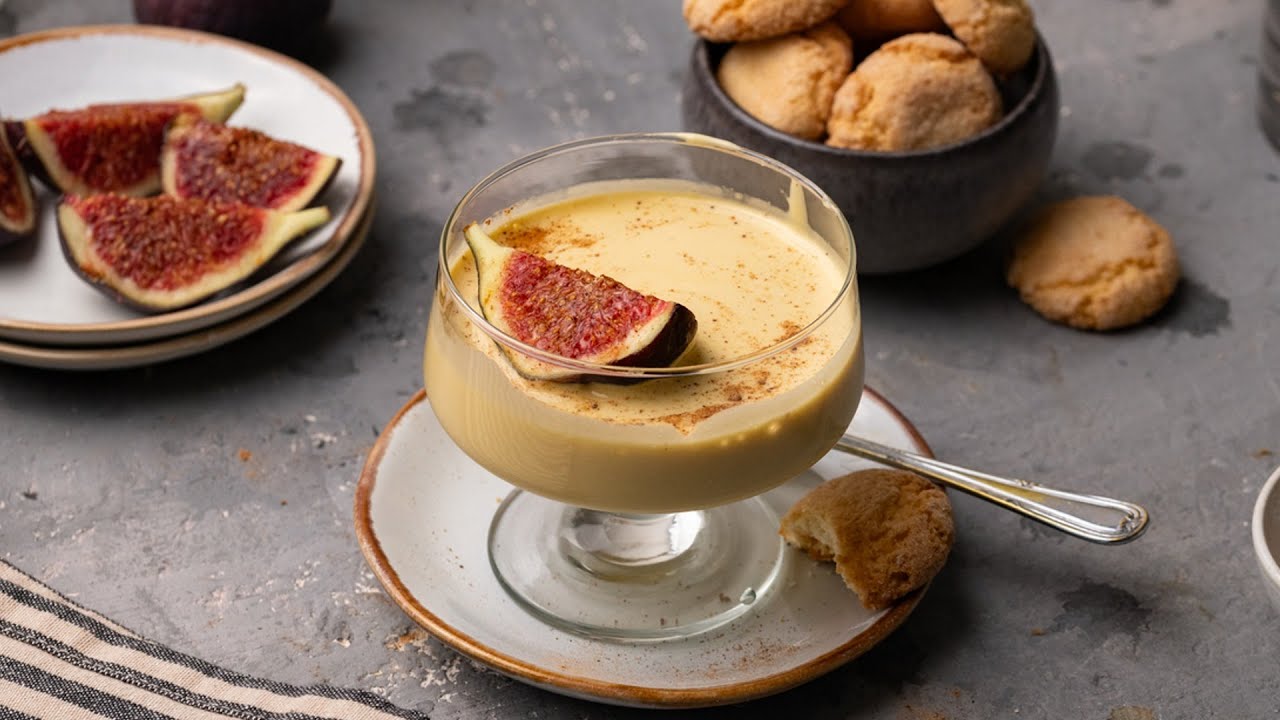
Zabaglione Recipe: Zabaglione (also spelled Zabaione) is one of those magical Italian desserts that feels fancy yet is surprisingly simple to make. It’s a light, creamy, custard-like dessert made from just a few basic ingredients—egg yolks, sugar, and sweet wine—whisked together until they become airy, rich, and absolutely heavenly. The texture is silky and smooth, almost like a mousse, but without any cream involved.
It’s traditionally served warm in a glass or bowl, often paired with fresh berries, cookies, or even poured over cake. Despite its elegance, Zabaglione comes together fairly quickly, making it a go-to dessert when you want to impress without stressing in the kitchen. The beauty of Zabaglione lies in its simplicity and the way it transforms humble ingredients into something truly luxurious.
Why You’ll Love This Italian Dessert
You’ll fall in love with Zabaglione for so many reasons. First off, it’s incredibly light—like a cloud of creamy sweetness that melts in your mouth. It’s not overly sugary, so it satisfies your sweet tooth without overwhelming it. The subtle kick of Marsala wine adds depth and warmth, making each spoonful feel indulgent.
And the versatility? Unreal. You can serve it warm right out of the bowl, chill it for a cool treat, or even spoon it over fruit or cake. It works as a standalone dessert or as a component of something grander, like a layered trifle. Whether you’re making it for a romantic dinner, a dinner party, or just treating yourself, this dessert always delivers.
A Brief History of Zabaglione
Zabaglione has its roots in Northern Italy and dates all the way back to the 15th or 16th century. There’s a bit of debate over its exact origin—some say it came from the court of the Duke of Savoy, others claim it was first made in Venice or even Bologna. Regardless of where it began, it quickly became popular all across Italy.
The original name “Zabaglione” is derived from the Neapolitan word “zapillare,” which means “to foam.” That’s exactly what the dessert does—it becomes light and foamy when whisked correctly. Over the years, it’s been adapted in many different ways across regions and even countries, with France calling their version “Sabayon.”
What’s remained consistent is its identity as a luxurious yet accessible dessert. Once only served to royalty, Zabaglione is now a treasured treat around the world.
Traditional vs. Modern Zabaglione: What’s the Difference?
While the traditional recipe is fairly strict—just egg yolks, sugar, and Marsala wine—modern variations have allowed for a bit more creativity. In Italy, purists often stick to the classic, but outside of Italy, you’ll find adaptations using different types of wine, liquors like Grand Marnier or rum, and even non-alcoholic versions with juice or coffee.
Another modern twist is the addition of whipped cream or mascarpone to lighten or stabilize the texture, especially when serving cold. While it slightly changes the purity of the original, these tweaks can make the dessert more palatable for broader audiences or suit specific dietary needs.
List of Ingredients You’ll Need
Classic Ingredients
To make the most traditional and authentic Zabaglione, you only need three key ingredients:
- 4 large egg yolks – Always use the freshest eggs possible.
- 1/4 cup granulated sugar – Fine sugar dissolves easier.
- 1/2 cup sweet Marsala wine – The signature flavor of Zabaglione.
Optional Add-ins
If you want to customize or modernize your Zabaglione, here are a few optional ingredients to play with:
- A dash of vanilla extract – For extra warmth and sweetness.
- Grated lemon or orange zest – Adds a citrusy lift.
- Pinch of salt – Balances sweetness.
- Whipped cream – Fold in after cooking for a lighter mousse-like texture.
- Mascarpone cheese – To thicken the texture and create a layered dessert.
Kitchen Tools You’ll Need
Before diving in, gather your tools. Making Zabaglione is simple, but technique matters.
- Mixing bowl – Preferably metal or glass.
- Whisk – A balloon whisk works best.
- Double boiler setup – You can use a saucepan and a heatproof bowl.
- Measuring cups and spoons
- Spatula (optional) – For scraping.
- Serving glasses or bowls – To present your dessert beautifully.
Step-by-Step Guide to Making Zabaglione
Step 1: Separate the Eggs Carefully
Start by separating your egg yolks from the whites. For this recipe, you only need the yolks. Do this carefully to avoid getting any whites into the bowl—fat and water don’t mix, and even a drop of egg white can prevent the yolks from whipping up properly.
Pro tip: Crack each egg over a small bowl to separate, then transfer the yolks to your mixing bowl one at a time.
Step 2: Whisk the Yolks with Sugar
Once the yolks are in the bowl, add your granulated sugar. Now it’s time to whisk. At this stage, your goal is to beat the mixture until it becomes thick, pale, and creamy. This can take around 5 minutes of vigorous whisking.
If you’re using an electric hand mixer, that’ll save you some arm workout, but doing it by hand gives you a real feel for the texture.
Step 3: Add the Marsala Wine
Slowly pour in your Marsala wine while continuing to whisk. Add it gradually so the mixture stays smooth and stable. The alcohol will give the custard its signature flavor and aroma—don’t rush it!
If you’re using a substitute like sweet sherry or another fortified wine, adjust the quantity slightly based on sweetness and strength.
Step 4: Create a Double Boiler
Time to bring in the heat! Fill a saucepan with about 1 inch of water and bring it to a simmer—not a boil. Place your bowl with the egg-sugar-wine mixture over the saucepan, making sure the bottom of the bowl doesn’t touch the water.
This gentle, indirect heat is key. Too hot, and you’ll scramble the eggs. Too cool, and the custard won’t thicken.
Step 5: Whisk Continuously Over Heat
Now comes the workout. Whisk constantly—yes, constantly—for 10 to 15 minutes. The mixture will slowly begin to thicken, increase in volume, and become beautifully foamy.
If you stop whisking, you risk the eggs cooking unevenly and creating lumps. Think of it like stirring a magic potion—keep that motion going until it reaches the right texture.
Step 6: Check for Proper Consistency
How do you know when it’s ready? Your zabaglione should have a thick, ribbon-like consistency. When you lift the whisk, the custard should fall back into the bowl in silky ribbons.
Another sign: the mixture should roughly triple in volume and hold its shape for a few seconds before blending back in. If it’s runny, it needs more whisking. If it’s too thick, it may be overheating—remove it from the heat for a moment and continue whisking off-heat.
Step 7: Serve Warm or Cold
Once your zabaglione is ready, you have options. You can serve it immediately while warm and airy—it’s absolutely divine this way. Or let it cool to room temperature and chill it for a firmer, mousse-like texture.
Serve in individual glasses or cups, and garnish with:
- Fresh berries
- Crushed amaretti cookies
- A dusting of cocoa powder
- A mint leaf for color
Tips for Perfect Zabaglione
Want to make zabaglione like a true Italian chef? Here are some golden tips to ensure every batch turns out perfect:
- Use room temperature eggs: Cold yolks won’t whisk up as easily or evenly. Let your eggs sit out for about 30 minutes before starting.
- Stick with Marsala wine: It’s the traditional choice and gives the most authentic flavor. If you must substitute, use another sweet fortified wine like sherry or even a splash of dessert wine.
- Don’t overheat: This is key! The double boiler must stay at a simmer—never let the water boil furiously, or you risk scrambling your mixture.
- Whisk, whisk, whisk: This is not the time to multitask. Constant whisking prevents the yolks from cooking unevenly and keeps the texture smooth and velvety.
- Test consistency with the ribbon test: When you lift your whisk, the mixture should fall like thick ribbons that slowly dissolve back into the bowl. If it does, you’ve nailed it.
- Serve quickly: Zabaglione is at its best freshly made. If you chill it, do so gently and serve it within a few hours for best results.
These tips may seem simple, but together, they’re the secret to transforming three basic ingredients into a five-star dessert.
Common Mistakes to Avoid
Even though zabaglione is easy in theory, small errors can ruin its magic. Avoid these common pitfalls:
- Using cold eggs: It may seem minor, but cold yolks won’t whip properly, affecting the volume and texture.
- Not using a double boiler: Direct heat is too harsh for this delicate custard and will cook the eggs unevenly or too fast.
- Boiling the water too hard: A gentle simmer is all you need. Too much steam and heat will curdle the eggs.
- Stopping whisking: The moment you pause, you risk the mixture sticking or scrambling. Keep your motion steady and constant.
- Adding too much alcohol at once: Pour it in gradually to help it incorporate and prevent separation.
- Serving too late: Zabaglione loses its airy texture as it sits. Serve it warm or cool it down quickly to preserve the magic.
Think of making zabaglione like dancing with a partner—it’s all about rhythm, timing, and attention. Stay in sync with your ingredients and you’ll avoid the common missteps.
How to Serve Zabaglione
Presentation is everything when it comes to a dessert as elegant as zabaglione. Here are a few delicious ways to serve it:
- In a glass: Use a martini glass or dessert cup to highlight the custard’s golden color and airy texture.
- With fresh berries: Strawberries, raspberries, blueberries, or a mix of all three create a beautiful flavor contrast and add color.
- Over sponge cake or ladyfingers: Pour warm zabaglione over slices of sponge cake for a rich and comforting treat.
- As a dip: Serve it as a warm dip for biscotti or crunchy cookies.
- Layered in a trifle: Combine zabaglione with fruit, cake, and whipped cream for a show-stopping layered dessert.
To elevate the experience, add a dusting of cocoa powder, a drizzle of chocolate sauce, or a few mint leaves for a fresh finish. Whether warm or chilled, zabaglione makes every moment feel a little more special.
Variations of Zabaglione
There’s more than one way to whisk this custard! Try one of these delicious twists:
Zabaglione with Espresso
Add 2 tablespoons of strong espresso after cooking for a mocha-flavored version. The bitterness of the coffee pairs perfectly with the sweetness of the custard.
Chocolate Zabaglione
Stir in melted dark chocolate (about 1.5 oz) at the end of cooking for a luscious chocolate flavor. You can even top it with shaved chocolate or cocoa nibs.
Non-Alcoholic Version
Don’t want to use alcohol? No problem! Substitute the Marsala wine with:
- Grape juice
- Apple cider
- Espresso or strong brewed coffee
- Sweetened citrus juice
The texture stays the same, and you still get that lovely richness with a new twist.
Feel free to experiment. Zabaglione is forgiving and fun to customize. You’ll be surprised how versatile it can be.
Pairing Suggestions
Wondering what to serve alongside your zabaglione? Here are a few mouthwatering combos:
- Wine pairing: A sweet dessert wine like Vin Santo or Moscato d’Asti complements zabaglione beautifully.
- With biscotti or ladyfingers: Perfect for dipping or adding a little crunch.
- Serve alongside tiramisu: Double up on Italian desserts for a truly indulgent finish.
- Fresh fruit platter: Zabaglione acts as a wonderful dipping sauce or topping.
A well-paired zabaglione feels like a curated culinary moment—not just a dessert, but an experience.
Storing Zabaglione: Can You Make it Ahead?
Zabaglione is best enjoyed fresh, but you can store it if needed:
- Refrigeration: Store in an airtight container in the fridge for up to 24 hours. It may lose a bit of its volume but will still taste great.
- Re-whipping: If it deflates in the fridge, gently fold in a bit of whipped cream before serving to bring back some lightness.
- Don’t freeze: Zabaglione doesn’t freeze well due to its delicate structure. It can separate and become grainy.
To save time, you can prep the ingredients and have everything measured out so you can quickly make it just before serving.
Nutritional Information (Per Serving – Approximate)
| Nutrient | Amount |
|---|---|
| Calories | 210 |
| Fat | 8g |
| Carbohydrates | 21g |
| Sugar | 19g |
| Protein | 5g |
| Alcohol Content | ~4% |
Note: Nutritional values will vary based on ingredients used and serving size.
FAQs about Zabaglione Recipe
1. Can I make zabaglione without wine?
Yes! You can use alternatives like espresso, grape juice, or apple cider for a non-alcoholic version.
2. How long can I store zabaglione?
Zabaglione is best fresh, but you can refrigerate it for up to 24 hours. Just note it may lose some volume.
3. Can I serve zabaglione cold?
Absolutely. Let it cool to room temperature and refrigerate for a few hours for a cool, mousse-like dessert.
4. What wine can I use if I don’t have Marsala?
Try sweet sherry, Madeira, or even a splash of Grand Marnier for a unique twist.
Conclusion
Zabaglione might sound fancy, but it’s really just comfort food in a classy disguise. With just a few ingredients and a bit of whisking magic, you can create a dessert that’s light, flavorful, and endlessly customizable. Whether you serve it warm in glasses, layered with fruit, or chilled for a mousse-like treat, this timeless Italian classic always impresses.
Next time you want to elevate your dessert game—without spending hours in the kitchen—give this zabaglione recipe a try. You might just find it becomes your new go-to for every special occasion (or, let’s be real, any night you need a little indulgence).