Yogurt Bark Recipe: Yogurt bark is one of those recipes that looks fancy, tastes indulgent, yet is surprisingly simple and healthy. If you’ve ever wanted a quick frozen snack, a healthy dessert alternative, or a fun way to eat yogurt, then yogurt bark might just become your new favorite treat.
Imagine creamy yogurt spread thin, topped with colorful fruits, crunchy nuts, and little pops of sweetness, then frozen and broken into rustic pieces. It’s like chocolate bark’s healthier cousin—cooler, lighter, and endlessly customizable. The best part? You don’t need baking skills, expensive equipment, or hours in the kitchen.
In this complete step-by-step guide, we’ll walk through everything you need to know about yogurt bark—from ingredients and variations to expert tips, storage advice, and common mistakes to avoid. Whether you’re making it for kids, fitness goals, or pure enjoyment, this guide has you covered.
What Is Yogurt Bark?
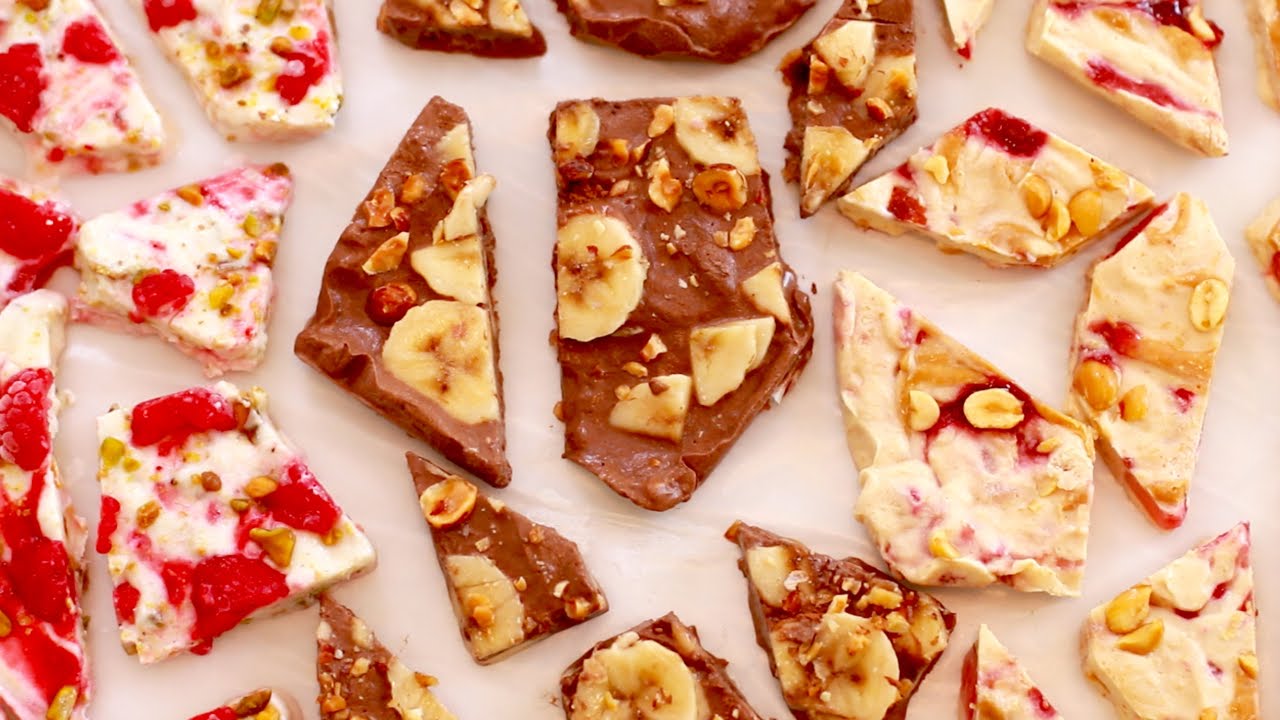
Yogurt bark is a frozen snack made by spreading yogurt onto a lined tray, adding toppings, freezing it solid, and breaking it into pieces. Think of it as a frozen yogurt sheet that snaps like bark when frozen.
Unlike ice cream, yogurt bark:
- Requires no churning
- Uses simple ingredients
- Can be high-protein and low-sugar
- Is customizable for any diet
It’s popular among parents, fitness enthusiasts, and anyone looking for a refreshing treat that doesn’t feel heavy.
Why Yogurt Bark Is So Popular
There’s a reason yogurt bark keeps popping up on social media and recipe blogs:
- Minimal effort, maximum reward
- Healthy but satisfying
- Visually appealing
- Perfect for meal prep
- Kid-approved and adult-loved
It’s one of those recipes that feels like a cheat but isn’t.
Health Benefits of Yogurt Bark
Nutritional Value of Yogurt
Yogurt is naturally rich in:
- Protein
- Calcium
- Potassium
- B vitamins
When frozen into bark form, you still retain these benefits while creating a snack that feels more exciting than plain yogurt.
Probiotics and Gut Health
Live cultures in yogurt support digestion and gut health. While freezing may slightly reduce probiotic activity, many benefits remain intact.
Protein and Fullness
Greek yogurt bark, in particular, is high in protein, helping you feel fuller longer—perfect for mid-day snacking.
A Healthier Dessert Alternative
Compared to sugary ice cream or candy, yogurt bark offers:
- Lower sugar
- Better nutrients
- More control over ingredients
Ingredients You’ll Need
Core Ingredients
At its simplest, yogurt bark requires only two ingredients:
- Yogurt
- Toppings
That’s it. Everything else is optional.
Best Yogurt Types for Yogurt Bark
Greek Yogurt
- Thick and creamy
- High protein
- Best texture for bark
- Least icy when frozen
Regular Yogurt
- Lighter texture
- Can work but may freeze icier
- Best strained slightly before use
Plant-Based Yogurt Options
- Coconut yogurt (rich and creamy)
- Almond yogurt (lighter)
- Soy yogurt (high protein)
Choose unsweetened varieties for better control.
Sweeteners (Optional)
You can sweeten yogurt bark with:
- Honey
- Maple syrup
- Agave nectar
- Date syrup
Add sweeteners sparingly—toppings often add natural sweetness.
Toppings and Mix-Ins
Fruits
- Strawberries
- Blueberries
- Raspberries
- Mango
- Banana slices
- Pomegranate seeds
Nuts and Seeds
- Almonds
- Walnuts
- Pistachios
- Chia seeds
- Pumpkin seeds
Chocolate and Crunch Add-Ons
- Dark chocolate chips
- Cacao nibs
- Granola
- Coconut flakes
Kitchen Tools You’ll Need
Essential Tools
- Baking tray
- Parchment paper
- Spoon or spatula
- Freezer
Optional Tools
- Offset spatula (for even spreading)
- Silicone baking mat
- Measuring spoons
Step-by-Step Guide to Making Yogurt Bark
Step 1 – Choose and Prepare the Yogurt
Use thick yogurt, preferably Greek yogurt. If using regular yogurt, strain it with a cheesecloth for 15–30 minutes to remove excess liquid.
Step 2 – Sweeten and Flavor (Optional)
Add honey, maple syrup, or vanilla extract if desired. Mix gently until smooth.
Step 3 – Prepare the Tray
Line a baking tray with parchment paper. Make sure the paper extends slightly over the edges for easy removal.
Step 4 – Spread the Yogurt
Pour yogurt onto the tray and spread evenly to about ¼-inch thickness. Too thin will snap too easily; too thick will be hard to bite.
Step 5 – Add Toppings
Sprinkle toppings evenly while the yogurt is still soft.
Distribution Tip
Press toppings gently into the yogurt so they don’t fall off later.
Step 6 – Freeze
Place the tray flat in the freezer for 3–4 hours, or until fully solid.
Step 7 – Break and Serve
Once frozen, lift the bark out and break into irregular pieces by hand or with a knife.
Yogurt Bark Flavor Variations
Berry Yogurt Bark
Greek yogurt + mixed berries + honey drizzle.
Chocolate Banana Yogurt Bark
Banana slices + dark chocolate chips + peanut butter drizzle.
Tropical Yogurt Bark
Coconut yogurt + mango + pineapple + coconut flakes.
Peanut Butter Yogurt Bark
Swirl peanut butter into yogurt before freezing.
Honey & Nut Yogurt Bark
Honey-sweetened yogurt + walnuts + almonds.
Tips for Perfect Yogurt Bark
- Use thick yogurt
- Don’t overload toppings
- Freeze on a flat surface
- Let bark sit 1–2 minutes before breaking
Common Mistakes to Avoid
Using Watery Yogurt
This causes icy texture and poor structure.
Overloading Toppings
Too many toppings prevent proper freezing.
Improper Storage
Uncovered bark absorbs freezer odors quickly.
Storage and Shelf Life
How to Store
Store yogurt bark in an airtight container or freezer bag.
How Long It Lasts
Best enjoyed within 2–3 weeks.
Can You Refreeze It?
Yes, but texture may change slightly.
Yogurt Bark for Special Diets
- Vegan: Use plant-based yogurt
- Sugar-Free: Skip sweeteners, use berries
- Gluten-Free: Naturally gluten-free
Yogurt Bark for Kids
Make it fun with:
- Rainbow fruits
- Mini chocolate chips
- Shape cutters after freezing slightly
It’s a great way to get kids involved in the kitchen.
FAQs about Yogurt Bark Recipe
1. Can I make yogurt bark without Greek yogurt?
Yes, you can. However, regular yogurt contains more water, so it’s best to strain it first using a cheesecloth or fine sieve. This prevents the bark from becoming icy.
2. Why is my yogurt bark icy?
Ice crystals usually form when the yogurt is too watery or spread too thinly. Using thick yogurt and spreading it evenly helps create a creamier texture.
3. Can I use frozen fruit?
Yes. Just be sure to thaw and pat the fruit dry before adding it. Excess moisture from frozen fruit can lead to iciness.
4. Is yogurt bark healthy for weight loss?
It can be. Yogurt bark made with unsweetened Greek yogurt and light toppings like fruit, nuts, or seeds is high in protein and can support weight management when enjoyed in moderation.
5. Can I eat yogurt bark daily?
Absolutely. Just keep toppings balanced and watch portion sizes to avoid excess sugar or calories.
These tips help you make yogurt bark that’s creamy, flavorful, and easy to fit into a healthy routine.
Conclusion
Yogurt bark is proof that healthy snacks don’t have to be boring. With just a few ingredients and simple steps, you can create a refreshing, nutritious treat that works for breakfast, dessert, or snack time. Whether you keep it simple or get creative with flavors, yogurt bark is endlessly adaptable and always satisfying.
Once you try it, you’ll wonder how you ever lived without it in your freezer.