A well-made yellow curry paste recipe gives us the foundation for deeply flavorful curries with warmth, color, and balance. It is fragrant, mildly spicy, slightly earthy, and layered with fresh herbs and aromatic spices. When we prepare yellow curry paste from scratch, we gain full control over the taste, texture, freshness, and intensity. That means better curry, better marinade, and better results in every dish that depends on this essential ingredient.
Homemade yellow curry paste stands apart from store-bought versions because it delivers a brighter aroma, a fresher herbal note, and a more natural depth. The texture is smoother, the flavor is cleaner, and the ingredients are easy to adjust. Whether we are making Thai-style yellow chicken curry, vegetable curry, seafood curry, or using it as a seasoning base, this paste becomes one of the most useful preparations to keep in the kitchen.
This guide covers everything needed to prepare a bold, balanced, and versatile yellow curry paste recipe at home, including the full ingredient list, preparation method, storage tips, variations, and practical cooking advice.
What Is Yellow Curry Paste?
Yellow curry paste is an aromatic blend of fresh herbs, spices, roots, chilies, and seasonings ground into a smooth paste. It is known for its distinct golden color, which usually comes from turmeric and yellow-toned spices. The flavor profile is usually milder than red curry paste, but it remains rich, savory, slightly spicy, and deeply aromatic.
In many versions, yellow curry paste includes ingredients such as lemongrass, garlic, shallots, ginger or galangal, turmeric, coriander seeds, cumin, and dried or fresh chilies. Depending on the style, it may also include shrimp paste, white pepper, or citrus zest for more depth.
The beauty of making it fresh is that we can shape it to fit our own recipes. We can keep it mild, increase the chilies, make it vegan, or emphasize earthy spice notes for a more robust curry base.
Why Homemade Yellow Curry Paste Is Better
A homemade yellow curry paste recipe offers several advantages. First, the flavor is significantly fresher. Freshly pounded or blended aromatics release strong essential oils that fade over time in packaged products. Second, the texture is better because we can grind it to exactly the consistency we want. Third, homemade paste contains no unnecessary preservatives, artificial stabilizers, or overpowering salt levels unless we choose them.
It also gives us flexibility. We can make the paste sweeter, hotter, sharper, or more savory. We can reduce shrimp paste, omit it completely, or use more turmeric for a stronger yellow color. That kind of precision makes homemade paste ideal for both everyday cooking and recipe development.
Ingredients You’ll Need
Below is a reliable ingredient list for a rich and balanced yellow curry paste recipe.
Fresh Aromatics
- 4 shallots, peeled and roughly chopped
- 6 cloves garlic, peeled
- 2 stalks lemongrass, tender inner part only, thinly sliced
- 1 medium piece fresh ginger or galangal, peeled and chopped
- 2 fresh turmeric roots or 1 tablespoon ground turmeric
- 2 to 4 yellow or red chilies, deseeded for milder heat if preferred
Dry Spices
- 1 tablespoon coriander seeds
- 1 teaspoon cumin seeds
- 1 teaspoon white peppercorns
- 1 teaspoon curry powder
- 1/2 teaspoon ground cinnamon
- 1/4 teaspoon ground cloves
Seasoning and Flavor Enhancers
- 1 teaspoon salt
- 1 teaspoon sugar
- 1 tablespoon shrimp paste for traditional depth, optional
- 1 tablespoon fish sauce or soy sauce, depending on preference
- 1 to 2 tablespoons neutral oil for blending
- 1 tablespoon lime juice or a small amount of zest for brightness
These quantities produce enough paste for several curry dishes, depending on how intensely flavored we want the final result.
Choosing the Best Ingredients for Yellow Curry Paste
The quality of the final paste depends heavily on ingredient freshness. Lemongrass should smell citrusy and clean. Shallots should be firm. Turmeric should be bright and fresh, with strong earthy aroma. Garlic should not be dried out or bitter. Fresh spices produce a more layered paste, but even dried spices can work very well if they are aromatic and not stale.
If galangal is available, it brings a sharper, more traditional Thai profile than ginger. If it is not available, ginger remains an excellent substitute. For heat, milder yellow chilies work well, while red chilies can add stronger spice and richer color contrast.
How to Prepare the Ingredients
Before blending or pounding, proper preparation improves both texture and flavor. Slice the lemongrass very thinly because its fibers can be difficult to break down. Chop the shallots, garlic, turmeric, and ginger into smaller pieces to make blending easier. If using whole spices, lightly toast them in a dry pan over low heat until fragrant. This step deepens the flavor and helps release aromatic oils.
If using shrimp paste, a brief toasting step can improve its depth and reduce sharpness. This is optional, but it helps round out the taste. Fresh turmeric can stain surfaces and hands, so using gloves or handling carefully helps keep cleanup simple.
Step-by-Step Guide for Yellow Curry Paste
Step 1: Toast the Whole Spices
Place the coriander seeds, cumin seeds, and white peppercorns in a dry skillet over low heat. Stir for 1 to 2 minutes until fragrant. Do not let them burn. Once aromatic, remove them from heat and allow them to cool slightly.
This step gives the paste a fuller flavor and a warmer, more developed aroma.
Step 2: Prepare the Lemongrass and Fresh Roots
Trim the tough outer layers from the lemongrass and use only the softer inner section. Slice it finely. Peel and chop the ginger or galangal and the turmeric. Roughly chop the shallots and garlic.
Keeping the pieces small helps the paste become smooth and uniform when blended.
Step 3: Grind the Dry Spices
Using a spice grinder, mortar and pestle, or small blender, grind the toasted spices into a fine powder. Add the ground cinnamon, ground cloves, and curry powder. Mix until evenly combined.
Starting with the dry spices gives the paste a smoother finish and prevents large spice fragments from remaining in the final mixture.
Step 4: Blend the Aromatics
Add the chopped shallots, garlic, lemongrass, ginger, turmeric, and chilies into a food processor or blender. Pulse several times. Add the ground spice mixture, then the salt, sugar, lime juice, fish sauce or soy sauce, and shrimp paste if using.
Blend until the mixture starts coming together. Add a small amount of oil as needed to help the blades move and create a smoother paste.
Step 5: Process Until Smooth
Continue blending until the paste becomes thick, smooth, and evenly colored. Scrape down the sides as needed. The final texture should be dense and spreadable, not watery. A slightly coarse texture is still acceptable, especially if made in a mortar and pestle, but it should feel cohesive and aromatic.
If the mixture is too dry, add oil in very small amounts. If it becomes too thin, balance it later by cooking it longer when using it in curry.
Step 6: Cook the Paste Briefly for Better Depth
For a deeper and more stable flavor, transfer the paste to a pan with a little oil and sauté over low heat for 3 to 5 minutes. Stir continuously until fragrant and slightly thickened. This step helps mellow raw garlic and shallot notes while intensifying the spice blend.
After cooling, the paste can be stored and used more easily in recipes.
How Yellow Curry Paste Should Taste
A strong yellow curry paste recipe should taste savory, earthy, warm, and fragrant with gentle citrus notes from lemongrass and brightness from lime. It should not taste flat or overly sweet. The turmeric should be present but not dominant. The chilies should provide warmth rather than overwhelming heat, unless a hotter version is intended.
The balance matters. The paste should carry spice, aroma, salt, and freshness all at once.
How to Use Yellow Curry Paste
This paste can be used in many ways beyond traditional curry. It works beautifully as a flavor base for:
- Chicken curry
- Vegetable curry
- Seafood curry
- Coconut curry soup
- Marinades for chicken or fish
- Stir-fried noodles
- Roasted vegetables
- Rice dishes
- Savory dipping sauces
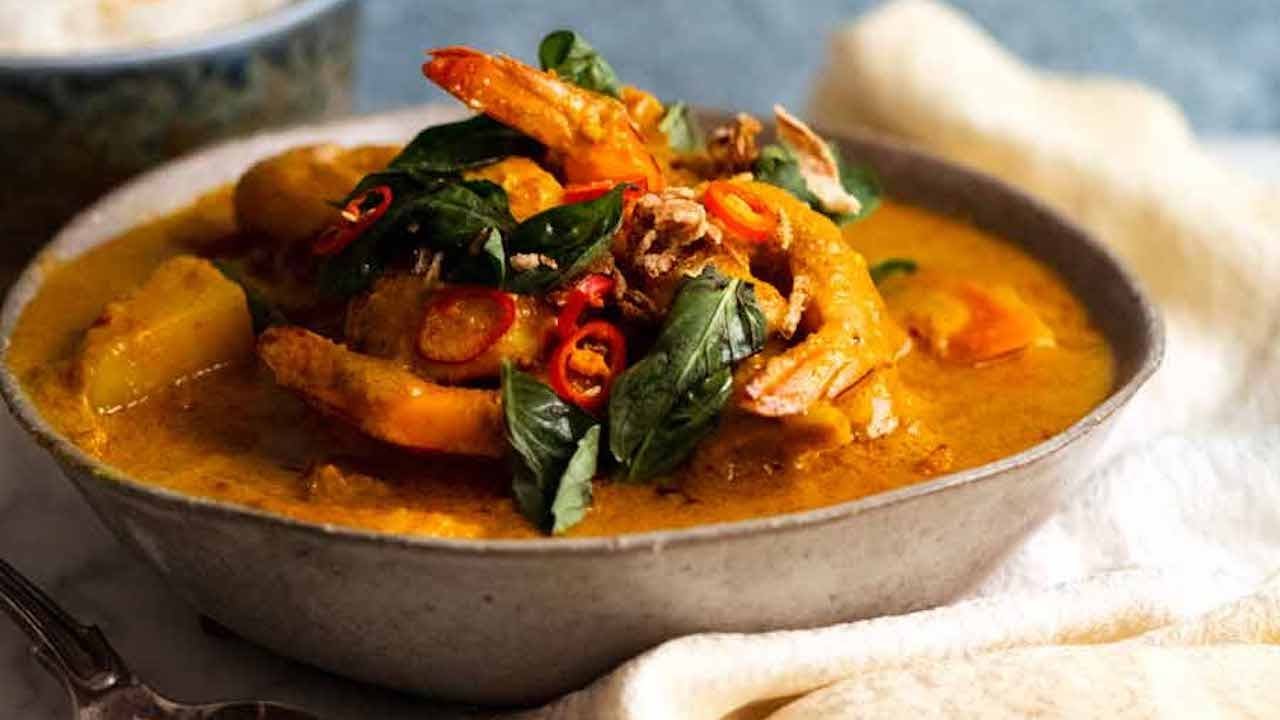
To make a simple yellow curry, sauté 2 to 3 tablespoons of the paste in oil, add coconut milk, stir until smooth, then add protein or vegetables. Simmer until cooked and balanced. The result is rich, golden, and deeply aromatic.
Tips for the Best Yellow Curry Paste Recipe
Using the right method improves the result significantly. Slice fibrous ingredients thinly. Toast whole spices gently, never aggressively. Blend in stages rather than all at once. Use only enough liquid or oil to help movement. Keep the paste concentrated. Fresh lime juice should be added carefully so the citrus note supports rather than dominates.
If we want a stronger yellow color, more fresh turmeric is the best option. If we want more warmth, increase the cumin and white pepper slightly. If we want a smoother Thai-style finish, a mortar and pestle can produce excellent texture, although it takes more time.
Storage and Shelf Life
Store the finished paste in a clean airtight jar in the refrigerator. A thin layer of oil on top helps preserve freshness. It usually keeps well for about 1 week in the refrigerator. For longer storage, portion it into small containers or ice cube trays and freeze. Frozen yellow curry paste can last for 2 to 3 months while retaining strong flavor.
Always use a clean spoon when scooping the paste to keep it fresh longer.
Easy Variations of Yellow Curry Paste
There are many ways to adjust a yellow curry paste recipe to fit different cooking styles.
Vegan Yellow Curry Paste
Replace shrimp paste and fish sauce with soy sauce, miso, or a small amount of mushroom seasoning. This keeps the paste savory without animal-based ingredients.
Extra Spicy Yellow Curry Paste
Increase the number of chilies and add a pinch of dried chili flakes. This creates a bolder and hotter curry base.
Milder Family-Style Yellow Curry Paste
Use fewer chilies and slightly more shallot. This creates a softer flavor profile that works well in creamy coconut curries.
Earthier Yellow Curry Paste
Increase cumin and turmeric slightly for a deeper, warmer profile ideal for root vegetables and lentil dishes.
Common Mistakes to Avoid
A weak paste often comes from insufficient blending, stale spices, or too much liquid. Another common issue is using the tough outer layers of lemongrass, which creates a stringy texture. Adding too much turmeric can make the paste bitter instead of balanced. Skipping seasoning can also leave the final curry bland, even if the aromatics are strong.
The best results come from concentration, freshness, and careful balance.
Serving Ideas for Homemade Yellow Curry Paste
Once prepared, this paste becomes a powerful shortcut for future meals. We can stir it into coconut milk for a quick curry, rub it onto chicken before roasting, blend it into broth for soup, or use it to season sautéed vegetables. It also pairs beautifully with potatoes, carrots, onions, tofu, chickpeas, prawns, and chicken thighs.
Served with steamed jasmine rice, flatbread, or noodles, dishes made from this paste feel complete, rich, and deeply satisfying.
FAQs about Yellow Curry Paste Recipe
1. What is yellow curry paste?
Yellow curry paste is a flavorful blend of spices, herbs, and aromatics used to make yellow curry. It usually has a mild heat level and a warm, rich taste.
2. What ingredients are commonly used in yellow curry paste?
Typical ingredients include turmeric, garlic, ginger, shallots, lemongrass, chilies, coriander, cumin, and salt. Some recipes also use shrimp paste or curry powder.
3. Is yellow curry paste very spicy?
Yellow curry paste is usually milder than red or green curry paste. However, the spice level can be adjusted by using more or fewer chilies.
4. Can we make yellow curry paste without shrimp paste?
Yes, we can. It can be made vegetarian or vegan by simply leaving out the shrimp paste or replacing it with a suitable alternative.
5. How do we store homemade yellow curry paste?
Store it in an airtight container in the refrigerator for up to 1 week. For longer storage, freeze it in small portions.
6. What can we use yellow curry paste for?
It is commonly used in chicken curry, vegetable curry, seafood dishes, soups, marinades, and noodle recipes. It adds deep flavor and color.
7. Can we freeze yellow curry paste?
Yes, yellow curry paste freezes very well. Freezing it in small cubes or spoonfuls makes it easy to use later.
8. Why is turmeric important in yellow curry paste?
Turmeric gives the paste its bright yellow color and earthy flavor. It is one of the key ingredients that makes yellow curry paste unique.
Conclusion
A fresh yellow curry paste recipe transforms everyday cooking with concentrated flavor, vibrant color, and remarkable versatility. By combining aromatic herbs, warming spices, fresh roots, and balanced seasoning, we create a paste that works across a wide range of meals. It is practical, flavorful, easy to customize, and far superior in freshness to many packaged options.
When prepared properly, yellow curry paste becomes more than an ingredient. It becomes the flavor foundation for rich homemade curries, quick weeknight meals, and deeply satisfying dishes with authentic character and bold aroma. A single batch can elevate several recipes, making it one of the most valuable homemade staples to keep ready in the kitchen.