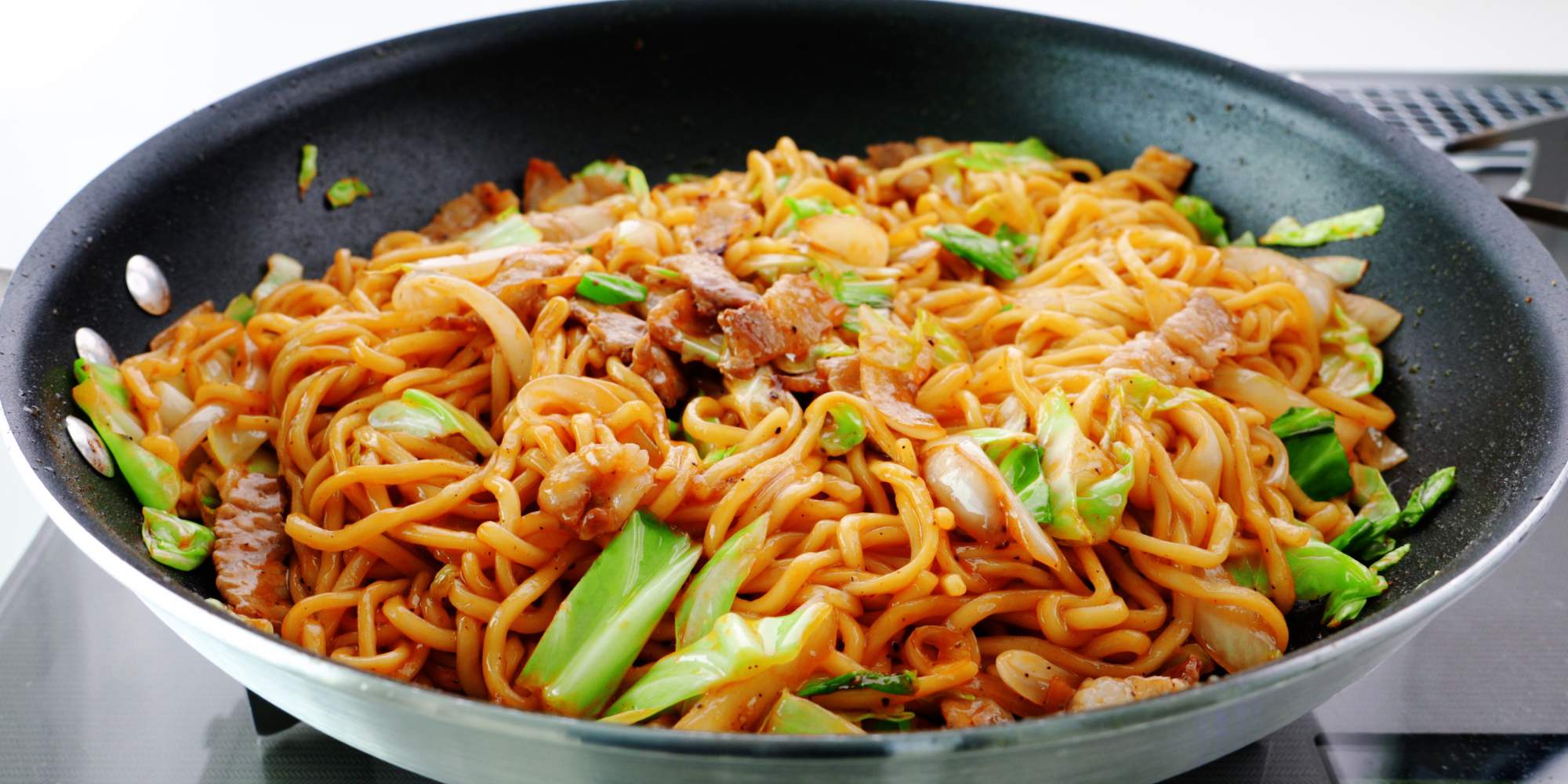
Yakisoba Noodles Recipe: If you’ve ever walked past a Japanese street-food stall and caught the smoky, savory aroma of noodles sizzling on a hot griddle, chances are you were smelling yakisoba. This iconic dish is bold, comforting, fast to cook, and endlessly customizable. The best part? You don’t need a restaurant or special equipment to make authentic, restaurant-quality yakisoba noodles at home.
In this guide, we’ll break everything down—ingredients, techniques, variations, and pro tips—so you can confidently cook perfect yakisoba every single time.
What Is Yakisoba?
Meaning of Yakisoba
Despite the name, yakisoba does not use soba noodles. “Yaki” means fried or grilled, while “soba” is a general Japanese term for noodles. Yakisoba is traditionally made with wheat-based noodles, similar to ramen.
Yakisoba vs Ramen vs Chow Mein
- Yakisoba: Stir-fried Japanese noodles with a sweet-savory sauce
- Ramen: Soup-based noodle dish
- Chow Mein: Chinese stir-fried noodles with lighter seasoning
Yakisoba stands out because of its signature sauce, which combines umami, sweetness, and tang.
Why Yakisoba Is So Popular
- Quick to cook
- Uses everyday ingredients
- Balanced flavors
- Works with meat, seafood, or vegetables
It’s comfort food with personality.
Why You’ll Love This Yakisoba Recipe
Fast, Affordable, and Customizable
This dish comes together in under 30 minutes and works with whatever vegetables or protein you already have.
Perfect for Weeknight Meals
Minimal prep, maximum flavor—ideal for busy schedules.
Better Than Takeout
You control the oil, salt, and ingredients, making it healthier and fresher than restaurant versions.
Ingredients You’ll Need
Core Yakisoba Ingredients
- Yakisoba noodles (or ramen noodles)
- Vegetable oil or sesame oil
- Garlic
- Onion
Vegetables for Yakisoba
- Cabbage (essential)
- Carrots
- Bell peppers
- Green onions
- Bean sprouts (optional but traditional)
Protein Options
- Chicken breast or thighs
- Beef slices
- Shrimp
- Tofu
- Mushrooms (for umami in vegetarian versions)
Yakisoba Sauce Ingredients
Store-Bought Sauce Option
- Japanese yakisoba sauce (ready-made)
Homemade Yakisoba Sauce Option
- Soy sauce
- Worcestershire sauce
- Oyster sauce (or vegetarian oyster sauce)
- Ketchup
- Sugar or honey
This combination gives yakisoba its signature sweet-savory flavor.
Best Noodles for Yakisoba
Traditional Yakisoba Noodles
Fresh, steamed wheat noodles labeled “yakisoba” are ideal.
Substitutes if You Can’t Find Yakisoba Noodles
- Ramen noodles (discard seasoning)
- Spaghetti (emergency substitute, cooked al dente)
Gluten-Free Options
- Rice noodles
- Gluten-free ramen noodles
Essential Cooking Tools
Wok vs Frying Pan
A wok is best for high heat and smoky flavor, but a large non-stick or cast-iron pan works perfectly.
Heat Control Tips
Yakisoba loves high heat, but ingredients should be added in stages to avoid steaming.
Step-by-Step Yakisoba Noodles Recipe
Step 1 – Prepare All Ingredients
Slice vegetables evenly, cut protein into bite-size pieces, and mix the sauce in a bowl. Stir-frying moves fast—prep first.
Step 2 – Make the Yakisoba Sauce
Mix:
- 2 tbsp soy sauce
- 1 tbsp Worcestershire sauce
- 1 tbsp oyster sauce
- 2 tbsp ketchup
- 1 tsp sugar
Set aside.
Step 3 – Cook the Protein
Heat oil in a hot pan. Add protein, season lightly, and stir-fry until just cooked. Remove and set aside.
Step 4 – Stir-Fry the Vegetables
Add more oil if needed. Stir-fry onions, cabbage, carrots, and peppers until slightly tender but still crisp.
Step 5 – Cook the Noodles
Add noodles directly to the pan. If using fresh noodles, loosen gently. If using dried noodles, cook and drain first.
Step 6 – Combine Everything
Return protein to the pan. Pour in yakisoba sauce. Toss thoroughly so everything is coated evenly.
Step 7 – Final Toss and Taste Adjustment
Cook for another 2–3 minutes. Adjust seasoning with soy sauce or a splash of water if too dry.
Yakisoba Variations
Chicken Yakisoba
Savory, juicy, and classic.
Beef Yakisoba
Rich and hearty—use thin-sliced beef.
Shrimp Yakisoba
Light, slightly sweet, and fast-cooking.
Vegetable Yakisoba
All veggies, big flavor—add mushrooms for depth.
Vegan Yakisoba
Use tofu, mushrooms, and vegan oyster sauce.
Yakisoba Toppings and Garnishes
Traditional Toppings
- Pickled ginger
- Aonori (seaweed flakes)
- Sesame seeds
Modern Topping Ideas
- Fried egg
- Chili oil
- Sriracha mayo
Common Mistakes to Avoid
Overcrowding the Pan
Too many ingredients at once cause steaming instead of frying.
Using Too Much Sauce
Yakisoba should be glossy, not soggy.
Overcooking the Noodles
Soft noodles break and lose texture.
Make-Ahead, Storage, and Reheating Tips
Can You Make Yakisoba Ahead of Time?
Yes, but it’s best fresh. Prep ingredients ahead instead.
How to Store Leftovers
Store in an airtight container for up to 3 days in the fridge.
Best Way to Reheat Yakisoba
Reheat in a pan over medium heat with a splash of water.
Nutritional Information
Calories and Macros
Calories vary by protein and oil, but yakisoba is a balanced carb-protein meal.
How to Make Yakisoba Healthier
- Add more vegetables
- Use less oil
- Choose lean protein
Serving Suggestions
What to Serve With Yakisoba
- Miso soup
- Japanese cucumber salad
- Spring rolls
Yakisoba for Parties and Meal Prep
It scales beautifully—double the recipe and cook in batches.
FAQs about Yakisoba Noodles Recipe
1. Can I make yakisoba without Worcestershire sauce?
Yes. You can substitute with extra soy sauce and a small splash of vinegar to recreate the salty-tangy balance Worcestershire sauce provides.
2. Is yakisoba spicy?
Traditionally, no. Yakisoba is savory and slightly sweet rather than spicy. However, you can easily add heat with chili oil, chili flakes, or hot sauce to suit your taste.
3. Can I freeze yakisoba?
Freezing is not recommended. The noodles tend to lose their texture and become mushy once thawed. Yakisoba is best enjoyed fresh or refrigerated briefly.
4. What oil is best for yakisoba?
Use a neutral oil such as vegetable, canola, or sunflower oil. These oils handle high heat well and won’t overpower the dish’s flavors.
5. Why does my yakisoba taste bland?
Bland yakisoba usually comes from low heat or overcrowding the pan. Cook over high heat, stir-fry in batches if needed, and make sure the flavors are balanced between sweet, salty, and savory.
These tips help you achieve bold, restaurant-style yakisoba every time.
Conclusion
Yakisoba noodles are proof that simple ingredients can create unforgettable flavor. With the right sauce, proper heat, and a little technique, you can turn everyday noodles into a dish that feels straight out of a Japanese street market. Whether you go classic, vegetarian, or protein-packed, this step-by-step yakisoba recipe gives you everything you need to cook it perfectly—every time.