Xiao Long Bao Recipe: Who doesn’t love biting into a delicate dumpling only to be met with a burst of hot, flavorful soup inside? That’s the magic of Xiao Long Bao—Shanghai’s famous soup dumplings. If you’ve ever wanted to learn how to make them at home, you’re in the right place.
This in-depth guide will walk you through every step of creating perfect Xiao Long Bao with homemade dough, juicy pork filling, and rich soup gelatin (aspic).
So let’s roll up our sleeves and dive into this culinary adventure.
What is Xiao Long Bao?
Xiao Long Bao, or soup dumplings, are a type of Chinese steamed bun originating from the Jiangnan region, specifically Shanghai and Suzhou. Despite their delicate appearance, they pack a punch of flavor. Each dumpling is filled with seasoned pork and a rich, savory soup that’s created from a meat gelatin that melts during steaming.
These dumplings are traditionally steamed in bamboo baskets (called “xiao long”), which is how they got their name. “Bao” simply means bun. Together, Xiao Long Bao translates to “small basket buns.” Unlike regular dumplings, the real surprise comes from the piping-hot broth that gushes out with the first bite.
The History and Origin of Xiao Long Bao
The origins of Xiao Long Bao are traced back to the late 1800s in Nanxiang, a suburb of Shanghai. A food shop named Ri Hua Xuan (now known as Nanxiang Mantou Dian) began selling these unique buns that had a surprise soup inside. Locals were intrigued, and soon, Xiao Long Bao gained popularity throughout China and then across the globe.
What makes them distinct from other dumplings or buns is the clever use of aspic—a meat-based gelatin that melts into soup when steamed. It’s a brilliant piece of culinary engineering that continues to wow food lovers.
What Makes Xiao Long Bao Special?
Xiao Long Bao aren’t just dumplings—they’re a sensory experience. The combination of thin, delicate wrappers, a juicy meat filling, and a hot burst of savory soup makes them truly special.
Here’s why people love them:
- Soup Inside: A unique technique traps flavorful broth inside the dumpling.
- Delicate Wrappers: Soft and thin dough that holds everything together.
- Savory Pork Filling: Lightly seasoned but rich in umami.
- Steamed Perfection: Gentle steaming keeps them moist and tender.
This complex yet comforting dish blends art and science, which is what makes them both challenging and exciting to make at home.
Ingredients You’ll Need
Let’s break down what you’ll need into three main parts: dough, filling, and aspic.
For the Dough
- 3 cups (360g) all-purpose flour
- ¾ cup (180ml) hot water
- ¼ cup (60ml) cold water
- Pinch of salt
For the Filling
- 1 pound (450g) ground pork (70% lean, 30% fat)
- 1 tablespoon soy sauce
- 1 tablespoon Shaoxing wine (optional)
- 1 teaspoon sesame oil
- 1 teaspoon sugar
- ½ teaspoon salt
- ½ teaspoon white pepper
- 1 tablespoon grated ginger
- 1 clove garlic, minced
- 2 green onions, finely chopped
For the Aspic (Soup Gelatin)
- 1 pound (450g) pork skin or pork bones
- 4 cups (950ml) water
- 2 slices ginger
- 2 green onions
- 1 tablespoon Shaoxing wine
- Salt to taste
You can also use store-bought unsalted pork stock, but making your own gives the best results.
Kitchen Tools & Equipment
To make Xiao Long Bao from scratch, a few key tools will help:
- Bamboo steamer baskets
- Parchment paper or cabbage leaves (to prevent sticking)
- Rolling pin (small dumpling size preferred)
- Dough scraper or knife
- Fine mesh strainer (for aspic)
- Mixing bowls
- Dumpling press or mold (optional)
- Chopsticks or tongs
These tools help maintain the structure and quality of your dumplings and make the process easier and more enjoyable.
Where to Buy Special Ingredients
Some ingredients like Shaoxing wine, pork skin, or dumpling flour can be found at Asian grocery stores or online. If you’re in the U.S., stores like 99 Ranch, H Mart, or Asian Food Grocer are reliable. Amazon also carries most non-perishable ingredients.
Look for:
- High-quality ground pork with fat
- Unflavored pork bone stock (if not making your own aspic)
- Fine all-purpose flour or dumpling flour for best dough elasticity
Step-by-Step Guide to Making Xiao Long Bao
Now, let’s get into the nitty-gritty of making your own Xiao Long Bao at home. Don’t rush—take your time and enjoy the process!
Step 1: Make the Aspic (Soup Gelatin)
Simmer pork skin or chicken wings with ginger and scallions in water for 1–2 hours until rich and gelatinous. Strain the liquid, season lightly with salt, and refrigerate until fully set. Once firm, chop the aspic into small cubes—this is what creates the soup inside the dumplings.
Step 2: Prepare the Dough
Mix all-purpose flour with warm water to form a soft dough. Knead until smooth and elastic, about 8–10 minutes. Cover and rest for at least 30 minutes. Resting relaxes the gluten, making the wrappers easier to roll thin.
Step 3: Make the Pork Filling
Combine ground pork with soy sauce, Shaoxing wine, grated ginger, minced scallions, sesame oil, salt, and sugar. Mix until sticky, then gently fold in the chopped aspic cubes. Keep the filling chilled to prevent the gelatin from melting.
Step 4: Roll Out the Dough Wrappers
Divide the dough into small portions and roll each into a thin round, about 3–3½ inches wide. Keep the center slightly thicker than the edges to support the filling and soup.
Step 5: Assemble the Xiao Long Bao
Place a spoonful of filling in the center of each wrapper. Carefully pleat the edges upward, forming tight folds, and pinch to seal at the top. Aim for a snug seal to trap the soup.
Step 6: Steam the Dumplings
Line a bamboo steamer with parchment or cabbage leaves. Steam over boiling water for 8–10 minutes until the wrappers are translucent and the filling is cooked. Serve hot and enjoy carefully—the soup inside is piping hot.
Tips for Perfect Xiao Long Bao at Home
Making Xiao Long Bao is an art, but a few tips can take your dumplings from good to great:
- Use fatty pork: The fat keeps the filling juicy and helps bind the ingredients.
- Chill your aspic and filling: Cold filling is easier to wrap and less likely to leak.
- Thin, even wrappers: A uniform wrapper ensures even cooking and that perfect bite.
- Don’t overfill: It’s tempting, but too much filling can cause tearing.
- Steam on parchment or cabbage: Prevents sticking disasters!
Making Xiao Long Bao may take time to master, but with these tips, you’ll improve with every batch.
Common Mistakes to Avoid
Even seasoned cooks can slip up! Avoid these common pitfalls:
- Skipping the aspic: No aspic = no soup. Don’t rely on soupy fillings alone.
- Using cold dough: Cold, dry dough cracks and doesn’t stretch well.
- Overkneading the dough: It can become too elastic and difficult to roll thin.
- Letting wrappers dry out: Always cover unused wrappers to keep them pliable.
- Opening the steamer too soon: This can collapse your delicate dumplings.
Perfection takes practice—but every mistake is a step toward mastering the art of Xiao Long Bao.
How to Eat Xiao Long Bao Properly
There’s a bit of etiquette (and technique) involved in enjoying Xiao Long Bao the right way:
- Pick up gently with chopsticks by the topknot, avoiding any squeeze that could burst the soup.
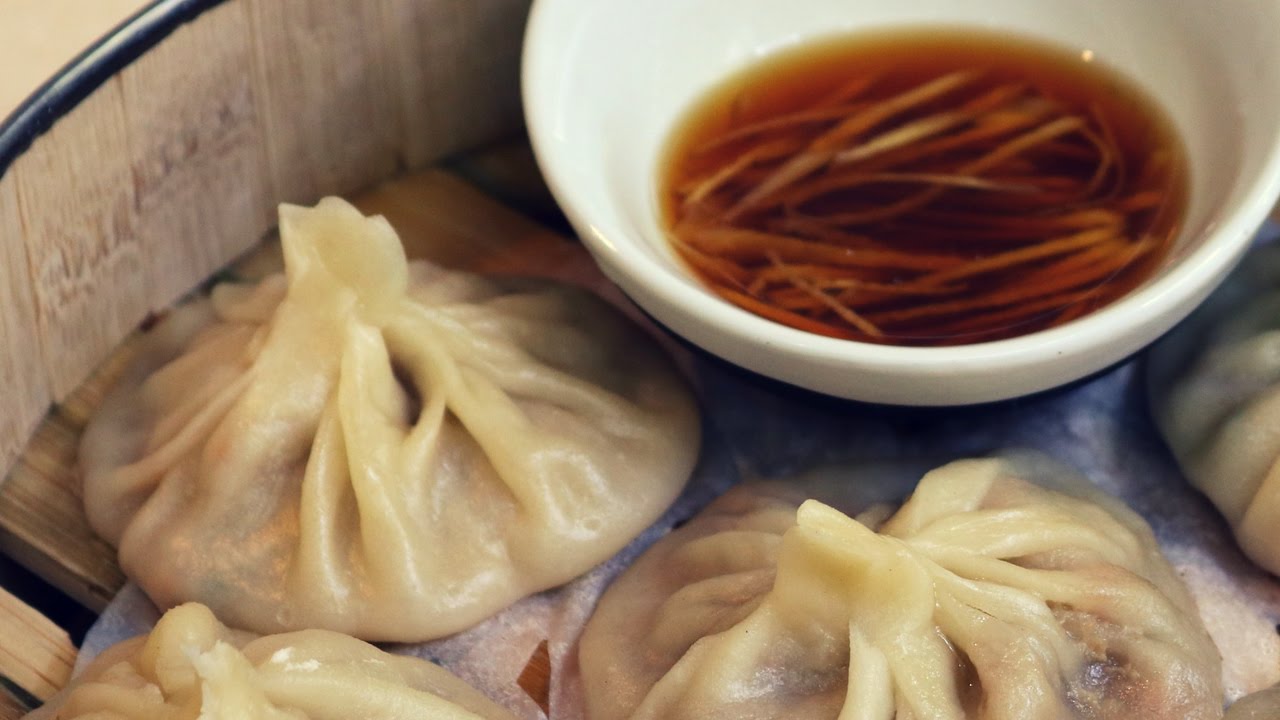
- Dip lightly in a mixture of black vinegar and fresh ginger slivers.
- Place on a soup spoon and bite a small hole to release some of the steam.
- Sip the soup carefully, then eat the rest in one bite.
Don’t rush! These dumplings are hot inside, and biting into them too quickly can burn your mouth or spill the soup.
Storage & Reheating Tips
Want to prep ahead or save leftovers? Here’s how to store and reheat them safely:
- To Store (Uncooked): Freeze them on a tray first, then transfer to an airtight container. Steam directly from frozen for 12–14 minutes.
- To Store (Cooked): Refrigerate leftovers in a sealed container for up to 2 days. Re-steam or microwave with a damp towel to reheat.
- Avoid refreezing thawed dumplings, as the wrappers may crack or become soggy.
Freezing affects the texture slightly, but they’re still delicious when reheated right.
Serving Suggestions & Dipping Sauce
Xiao Long Bao are best served fresh and hot, accompanied by:
- Black vinegar + slivers of fresh ginger (classic pairing)
- Chili oil for those who like a spicy kick
- Garlic soy dipping sauce for a flavorful twist
- Pair with hot tea, scallion pancakes, or a light cucumber salad for a full meal
Use shallow sauce dishes for dipping, and remember—less is more! A light dip enhances, not overpowers, the dumpling.
Nutrition Facts (Per Serving of 3 Dumplings)
| Nutrient | Amount |
|---|---|
| Calories | 240 kcal |
| Protein | 10g |
| Fat | 14g |
| Carbohydrates | 18g |
| Sodium | 450mg |
| Fiber | 1g |
| Sugar | 1g |
These values can vary depending on your ingredients and portion sizes, but overall, Xiao Long Bao are a tasty and satisfying treat that can fit into a balanced diet when enjoyed in moderation.
FAQs about Xiao Long Bao Recipe
1. Can I use chicken or shrimp instead of pork for the filling?
Yes! Chicken or shrimp can be used, but make sure to maintain enough fat content and adjust seasoning accordingly. Also, make a chicken or seafood-based aspic to match.
2. What’s the difference between Xiao Long Bao and regular dumplings?
Xiao Long Bao contain a soup gelatin that melts during steaming, creating the soup inside. Regular dumplings don’t usually have this feature.
3. Can I buy pre-made wrappers?
Technically, yes—but most store-bought wrappers are too thick or dry for Xiao Long Bao. It’s best to make your own or buy specialty wrappers from Asian markets.
4. Why do my dumplings break during steaming?
This could be due to overfilled dumplings, too-thin wrappers, or tearing from handling. Make sure your dough is well rested and not overly stretched.
5. Can I make the aspic with store-bought broth?
Yes, but ensure it’s rich in collagen (like bone broth). Add unflavored gelatin if needed to help it set properly when cooled.
Conclusion
Mastering Xiao Long Bao at home is no small feat—but it’s one of the most rewarding culinary projects you can undertake. From crafting silky dough to perfecting the savory soup filling, each step brings you closer to that magical first bite. Whether you’re a seasoned cook or just getting started, don’t be discouraged by the learning curve. Every pleat and pinch is part of the journey.
So next time you’re craving something truly special, skip the takeout and make your own Xiao Long Bao. Your kitchen will smell amazing, your friends and family will be impressed, and you’ll have gained a new skill that connects you to centuries of Chinese culinary tradition.