Wing Sauce Recipe: Today, wing sauce is a staple at sports bars, backyard barbecues, and game day gatherings. It’s spicy, tangy, buttery, and endlessly customizable. Whether you’re a mild-mannered foodie or a heat-seeking daredevil, there’s a wing sauce for you. But here’s the kicker—most store-bought sauces can’t hold a candle to the flavor explosion you get from a homemade version. That’s why learning to make your own wing sauce isn’t just smart—it’s deliciously rewarding.
Why Make Your Own Wing Sauce at Home?
There’s something incredibly satisfying about crafting your own wing sauce from scratch. You control every ingredient, from the level of heat to the tanginess and thickness. Store-bought sauces often contain preservatives, artificial flavors, and more sodium than you’d like. But homemade wing sauce? It’s clean, customizable, and surprisingly easy to make. Plus, it’s cost-effective. A bottle of high-quality wing sauce can run you anywhere from $5 to $10, while you can make a batch at home for a fraction of that price. Another perk? You can tailor your sauce to different diets—keto, vegan, or gluten-free. Want it sweeter? Add honey. Spicier? Toss in some cayenne. Smokier? A splash of liquid smoke does the trick. Making your own sauce transforms your wings into a culinary masterpiece that’s personalized to your taste buds.
Essential Ingredients for Classic Wing Sauce
Core Ingredients You Need
The beauty of a classic wing sauce lies in its simplicity. At its core, you only need a few staple ingredients:
- Butter: The base of most wing sauces. It adds richness and mellows out the heat.
- Hot Sauce: Frank’s RedHot is the traditional go-to, but any vinegar-based hot sauce works.
- Garlic Powder: Adds depth and umami to the mix.
- Worcestershire Sauce: Optional, but gives a subtle savory kick.
- Salt and Pepper: For balance and flavor enhancement.
These ingredients come together to form that signature tangy, buttery, spicy sauce that clings beautifully to crispy chicken wings. The best part? You probably already have most of them in your kitchen.
Ingredient Variations to Customize Your Sauce
If you’re feeling adventurous, there are countless ways to elevate your sauce:
- Honey or Brown Sugar: Adds sweetness and balances the heat.
- Cayenne Pepper or Chili Flakes: For an extra kick.
- Smoked Paprika: Infuses a deep smoky flavor.
- Apple Cider Vinegar or Lemon Juice: Brightens up the flavor profile.
- Cream or Ranch Powder: Adds a creamy twist.
- Soy Sauce or Fish Sauce: For a bit of umami.
These optional ingredients let you tailor your wing sauce to fit any craving or occasion. Whether you’re craving sweet and spicy or smoky and tangy, the possibilities are endless.
Tools and Equipment You’ll Need
Kitchen Tools Checklist
Making wing sauce doesn’t require fancy gadgets. Here’s what you’ll need:
- Medium Saucepan: To heat and combine your ingredients.
- Whisk or Wooden Spoon: To stir and emulsify the sauce.
- Measuring Cups and Spoons: For accuracy.
- Spatula: To scrape every last drop out of the pan.
Simple, right? The tools are basic, but the results are anything but. Clean-up is easy too, which makes this recipe a go-to for quick flavor boosts.
Optional Tools for Better Results
While the basics will do just fine, a few optional tools can elevate your sauce game:
- Immersion Blender: Helps emulsify the sauce for a silkier texture.
- Thermometer: Ensures your butter doesn’t burn.
- Glass Jars or Bottles: Perfect for storing leftover sauce.
Using these tools isn’t necessary, but they can streamline your process and make your sauce even more consistent in texture and flavor.
Step-by-Step Wing Sauce Recipe
Step 1: Gather Your Ingredients
Before you even turn on the stove, get everything ready. This includes measuring out your butter, hot sauce, and any optional add-ins. Having your mise en place (a fancy French term for “everything in its place”) makes cooking smooth and stress-free. Trust me, scrambling to find the Worcestershire sauce while your butter burns is no fun.
Step 2: Melt the Butter
Place your saucepan on medium-low heat and add the butter. Don’t rush this part. Melting butter slowly prevents it from browning or separating. You want a smooth, golden pool—not foamy, burnt bits. If you’re using unsalted butter, you’ll have more control over the final salt level of the sauce.
Step 3: Add the Hot Sauce and Mix
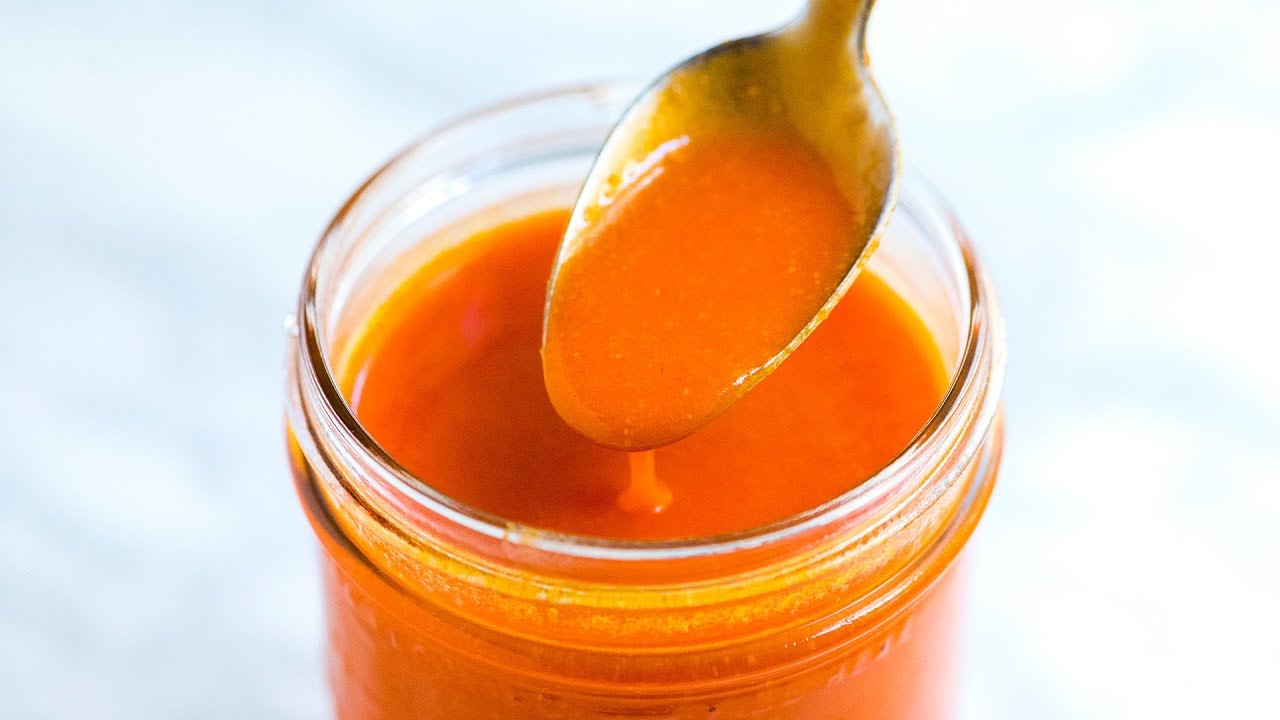
Once your butter is fully melted and gently simmering, it’s time to bring in the heat—literally. Pour in the hot sauce slowly while whisking continuously. This helps to emulsify the sauce, meaning the butter and hot sauce blend into one smooth, silky mixture rather than separating. The classic ratio is about 2 parts hot sauce to 1 part butter, but you can tweak this to match your taste buds. Want it hotter? Use more hot sauce. Prefer it milder and creamier? Add a touch more butter. Keep whisking until the sauce looks glossy and fully integrated. This is the base of your wing sauce, and it already smells like victory.
Step 4: Simmer for Flavor Fusion
Now, turn the heat down a notch and let your sauce simmer gently for 5 to 7 minutes. This simmering step is where the magic happens. It allows all the flavors—garlic, vinegar, butter, spice—to marry together into one cohesive flavor bomb. If you’re using add-ins like garlic powder, Worcestershire sauce, or honey, this is the time to add them in. Stir occasionally to make sure nothing sticks to the pan. The aroma at this point will be enough to make anyone’s mouth water. The sauce should start to thicken slightly, clinging to the back of a spoon. If it’s too thick, add a splash of water or vinegar to loosen it up. Too thin? Let it simmer a bit longer or add a teaspoon of cornstarch slurry.
Step 5: Adjust the Seasoning and Thickness
Taste test time! Grab a clean spoon and dip it in your freshly made sauce. Think it needs more salt? Add a pinch. Want more heat? A few dashes of cayenne or chili flakes will do. If the sauce tastes too acidic, a small spoonful of honey or brown sugar can balance it out. Texture not quite there? Let it simmer a tad longer or add a thickening agent like a cornstarch and water mixture. Want it creamier? Try a dash of heavy cream. This is your chance to make it perfect, so take your time. Once you’re happy, turn off the heat and let the sauce cool for a minute or two before using it.
Tips for the Perfect Wing Sauce
Balancing Heat and Flavor
Creating the perfect wing sauce isn’t just about throwing together hot sauce and butter. It’s about achieving balance. Too much vinegar and the sauce becomes harsh. Too much butter and it turns greasy. Start with a base ratio of 2:1 hot sauce to butter and build from there. Remember that every hot sauce is different. Some are vinegar-forward while others lean sweet or smoky. Taste as you go. Use ingredients like honey, garlic, Worcestershire, or even mustard to balance out the spice and add complexity. Don’t be afraid to experiment—making sauce is like jazz. You improvise until it sings.
Another secret? Let the sauce sit for 10–15 minutes before using. The flavors deepen and meld as it cools slightly, making it even better when it coats those crispy wings. If you’re serving a crowd, consider making two batches—one mild, one spicy—to cater to all heat levels. Label them clearly so your guests know what they’re getting into.
Storing and Reheating Your Sauce
Got leftovers? Good—because wing sauce stores beautifully. Pour the cooled sauce into a glass jar or airtight container and store it in the fridge for up to a week. When you’re ready to use it again, reheat gently on the stove over low heat or in the microwave in short bursts, stirring often. Be careful not to overheat or boil it, as the butter can separate and ruin the texture.
If you want to make a big batch ahead of time, you can even freeze wing sauce. Just let it cool completely, pour it into a freezer-safe bag or container, and label it with the date. It should keep for up to 3 months. Thaw it in the fridge overnight, then reheat slowly and stir well to bring it back to its original glory.
Creative Ways to Use Wing Sauce
Beyond Chicken Wings: Other Dishes to Try
Sure, chicken wings and wing sauce go hand in hand, but let’s not limit this liquid gold to just one dish. Wing sauce can be a versatile kitchen hero if you give it a chance. Try drizzling it over crispy cauliflower bites for a vegetarian-friendly option that even meat lovers will enjoy. Toss it with grilled shrimp or slather it on a chicken sandwich for a spicy twist.
It also makes a killer dipping sauce for fries, onion rings, and even mozzarella sticks. Mix a little with mayonnaise or sour cream and you’ve got an instant spicy aioli. Ever had buffalo mac and cheese? Game changer. Just fold a few spoonfuls into your cheese sauce and watch people go back for seconds. Want to impress at brunch? Stir it into your Bloody Mary or drizzle it over scrambled eggs and toast.
In short, wing sauce is not just for wings. It’s your new go-to flavor booster for almost anything that could use a spicy, buttery upgrade.
How to Use Sauce for Different Cooking Styles
Wing sauce isn’t just for tossing. It can be used in marinades, glazes, and finishing sauces depending on how you cook your chicken. If you’re baking or grilling, brush the sauce on during the final 5 minutes of cooking to avoid burning the butter. For deep frying, toss the hot, crispy wings in warm sauce immediately after removing from the oil so the sauce sticks perfectly. If you’re air frying, cook the wings until crispy and then toss them in warmed sauce just like you would fried ones.
Using the sauce as a marinade gives your protein a bold, spicy kick before it hits the heat. Just remember that butter hardens in the fridge, so if you’re marinating overnight, let it come to room temperature before grilling or baking. Whether you’re smoking, roasting, or pan-searing, wing sauce adapts beautifully when used creatively.
Common Mistakes to Avoid When Making Wing Sauce
Overheating the Butter
Butter is the foundation of your wing sauce, but it’s also easy to mess up. Overheating butter causes it to brown or even burn, which adds a bitter flavor to your sauce. Keep the heat low and steady. Melt it gently and never let it bubble too aggressively. If you see foam or brown spots, pull it off the heat right away. Burnt butter = ruined sauce.
Using the Wrong Hot Sauce
Not all hot sauces are created equal. Some are extremely acidic, while others are pure heat with little flavor. For that classic buffalo wing taste, a vinegar-based hot sauce like Frank’s RedHot is your best bet. Avoid overly thick, sweet, or exotic hot sauces unless you’re going for a specific flavor profile. And always taste your hot sauce on its own before adding it to your butter. If you don’t like the taste straight out of the bottle, you won’t like it in your wing sauce either.
Skipping the Taste Test
One of the biggest rookie mistakes? Not tasting as you go. Wing sauce is all about balance, and small tweaks make a huge difference. Add your seasonings gradually and test often. You might discover that your sauce needs a bit more garlic, or maybe it’s too salty. Always adjust before you commit.
How to Serve Wings with Sauce Like a Pro
Saucing Techniques for Even Coating
There’s an art to saucing wings, and it’s all about timing and technique. For perfectly coated wings, make sure the sauce is warm but not boiling. Place your cooked wings in a large stainless steel or glass mixing bowl, pour the sauce over them, and toss vigorously. If you don’t have the wrist strength for the toss, use tongs or a spoon to stir them thoroughly until every piece is evenly coated.
Want next-level coating? Use a basting brush to layer on the sauce, then pop the wings back in the oven or air fryer for a few minutes. This creates a slightly sticky glaze that clings to the meat. Just don’t drown your wings. You want them coated, not swimming.
Garnishing and Presentation Tips
People eat with their eyes first. Garnish your wings with finely chopped parsley, green onions, or even crumbled blue cheese. A drizzle of ranch or extra sauce on the side doesn’t hurt either. Serve them on a platter with celery sticks and carrot spears for that classic wing night vibe.
Want to elevate things even more? Use a wooden cutting board for a rustic look, add dipping sauces in ramekins, and include moist towelettes or napkins. Trust me—your guests will appreciate the attention to detail.
Pairing Wing Sauce with Dipping Sauces
Classic Dips That Complement Wing Sauce
No wing night is complete without a proper lineup of dipping sauces. They’re not just sides—they’re flavor companions. The most iconic pairing, of course, is ranch dressing. Its cool, creamy texture tames the heat and adds a fresh, herby contrast to spicy wing sauce. Blue cheese dressing is another heavyweight contender—its bold, tangy flavor is a perfect foil to buttery heat, especially if you’re going classic buffalo style.
Want to mix things up? Try garlic aioli, chipotle mayo, or a yogurt-based dip with dill and lemon. These provide a range of flavors from smoky to zesty and everything in between. And if your wing sauce leans toward sweet and spicy, consider pairing it with a creamy sriracha or honey mustard dip. These combinations keep each bite exciting and make your wings even more addictive.
The trick is to match the intensity and profile of your wing sauce. Got a hot and fiery batch? Go with something mellow and creamy. Using a mild or sweet sauce? Pair it with a spicy or acidic dip for balance.
How to Make a Simple Ranch or Blue Cheese Dip
Homemade Ranch Dip Recipe:
- 1/2 cup mayonnaise
- 1/2 cup sour cream
- 1/4 cup buttermilk
- 1 tsp garlic powder
- 1 tsp onion powder
- 1 tbsp chopped parsley
- 1 tbsp chopped dill
- Salt and pepper to taste
Whisk everything together in a bowl and refrigerate for at least 30 minutes. The result? A fresh, herby ranch that’s leagues better than the bottled stuff.
Blue Cheese Dip Recipe:
- 1/2 cup sour cream
- 1/4 cup mayonnaise
- 1/2 cup crumbled blue cheese
- 1 tbsp lemon juice or vinegar
- Salt and pepper to taste
Mash the blue cheese into the sour cream and mayo, then add lemon juice. Let it chill before serving. This dip packs a punch and pairs beautifully with spicy wings.
Storing and Freezing Homemade Wing Sauce
Best Practices for Refrigerating
Homemade wing sauce holds up great in the fridge. After cooking, let the sauce cool to room temperature. Then transfer it to an airtight container or glass jar. It can last up to one week in the refrigerator without any issues.
Make sure to label the container with the date you made it. When you’re ready to use it again, reheat slowly over low heat, whisking as it warms to re-emulsify the butter and hot sauce. Avoid boiling—it will cause separation and mess up the texture.
Can You Freeze Wing Sauce? Yes, Here’s How
If you’ve made a big batch or want to prep ahead for future wing nights, freezing is totally an option. Once the sauce cools completely, pour it into a freezer-safe container or a zip-top bag. Flatten the bag so it freezes evenly and takes up less space. Wing sauce can be stored in the freezer for up to 3 months.
When you’re ready to use it, thaw it overnight in the fridge or place the sealed bag in warm water. Reheat gently on the stovetop while whisking until smooth. You might need to adjust the seasoning slightly after thawing, but the flavor will hold up beautifully.
FAQs about Wing Sauce Recipe
1. Can I make wing sauce without butter?
Yes! You can substitute butter with vegan alternatives like margarine, olive oil, or coconut oil. The texture might vary slightly, but the flavor will still be great.
2. How can I make my wing sauce less spicy?
Use less hot sauce and more butter. Adding a little honey or brown sugar also helps mellow the heat without losing flavor.
3. Is wing sauce gluten-free?
Most basic wing sauces are naturally gluten-free, but always check labels on hot sauces and add-ins like Worcestershire sauce to be sure.
4. Can I use wing sauce as a marinade?
Definitely. Just note that the butter will solidify in the fridge, so let it come to room temp before cooking. It adds amazing flavor to grilled or baked chicken.
5. What’s the best hot sauce for making wing sauce?
Frank’s RedHot is the traditional choice, but you can experiment with others like Cholula, Crystal, or even sriracha depending on your preferred flavor profile.
Conclusion
Making your own wing sauce is more than just a kitchen experiment—it’s a flavor journey. From choosing the right hot sauce to mastering the perfect butter-to-heat ratio, each step gives you control and creativity. You’re not just tossing wings in a jar of store-bought sauce; you’re crafting a personalized flavor bomb that can be tailored for any occasion.
Whether you’re hosting game day, spicing up a weeknight dinner, or just craving something bold, this homemade wing sauce recipe has got your back. It’s simple, cost-effective, and most importantly, delicious. So roll up your sleeves, grab that whisk, and let your kitchen become the go-to wing joint for you and your friends.