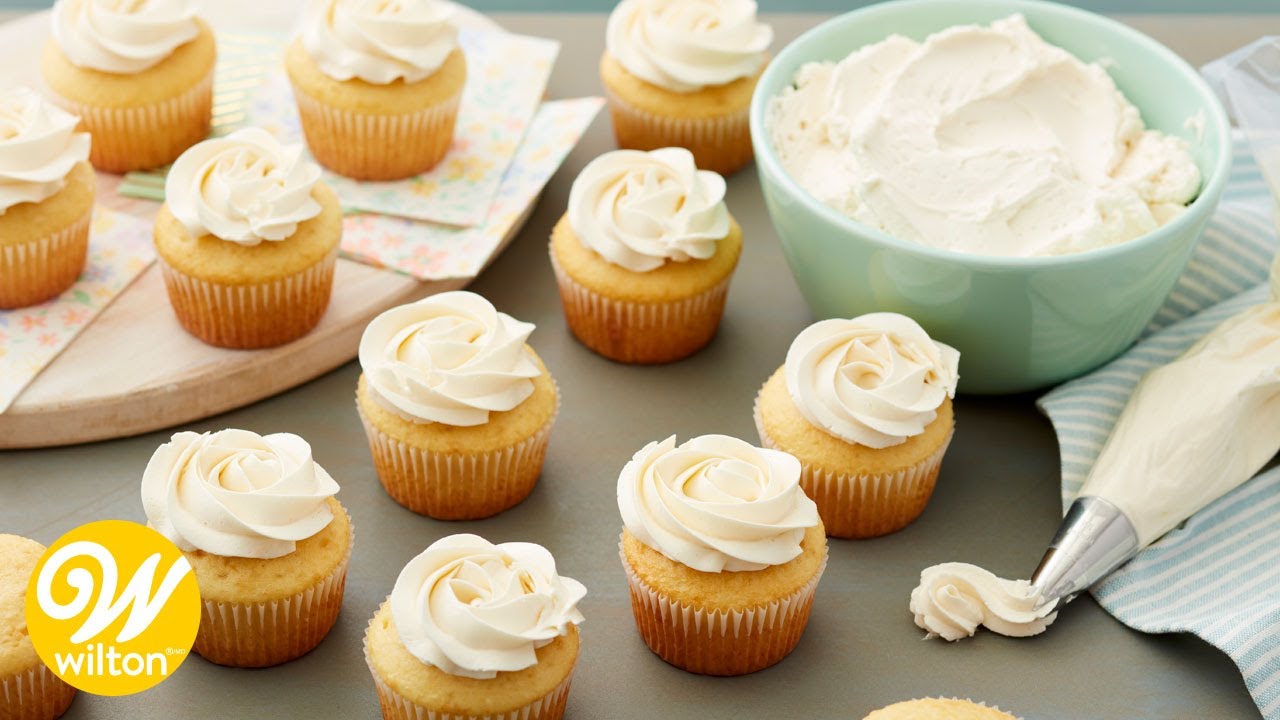
Wilton Buttercream Frosting Recipe: Buttercream frosting is the backbone of cake decorating, and when people talk about reliable, smooth, pipe-perfect frosting, one name keeps coming up again and again: Wilton Buttercream Frosting. Whether you’re baking your first birthday cake or decorating wedding cupcakes, this frosting is famous for its stability, creamy texture, and versatility.
In this complete, professional guide, we’ll walk through everything you need to know about making Wilton Buttercream Frosting perfectly—every single time. We won’t rush. We won’t skip details. We’ll explain the why, not just the how, so by the end, you’ll feel confident enough to frost, pipe, color, store, and customize your buttercream like a pro.
Let’s get started.
What Is Wilton Buttercream Frosting?
Wilton Buttercream Frosting is a classic American-style buttercream developed for cake decorating. It’s known for being easy to make, stable in warm conditions, and perfect for piping.
Why Wilton Buttercream Is So Popular
This frosting is loved worldwide because:
- It holds its shape beautifully
- It pipes clean lines and sharp details
- It’s forgiving for beginners
- It works in warm environments better than butter-only frostings
- It accepts food coloring extremely well
If buttercream were a toolbox, Wilton’s version would be the all-purpose tool—reliable, flexible, and always ready.
How It Differs from Other Buttercreams
American vs Swiss vs Italian Buttercream
- American Buttercream (Wilton style): Sweet, sturdy, quick, no cooking
- Swiss Buttercream: Light, silky, egg whites required
- Italian Buttercream: Very stable, cooked sugar syrup, more advanced
Why Wilton Is Best for Beginners and Pros
Wilton Buttercream gives you control. You decide the thickness. You decide the sweetness. You decide the texture. That’s why it’s the go-to frosting for decorators at every level.
Ingredients You’ll Need
Core Ingredients Explained
To make authentic Wilton Buttercream Frosting, you’ll need:
- Vegetable Shortening (½ cup)
Provides stability, structure, and heat resistance. - Unsalted Butter (½ cup, softened)
Adds rich flavor and creaminess. - Powdered Sugar / Confectioners’ Sugar (4 cups)
Sweetens and thickens the frosting. - Clear Vanilla Extract (1–2 teaspoons)
Keeps frosting bright white while adding flavor. - Milk or Water (2–4 tablespoons)
Adjusts consistency. - Salt (¼ teaspoon, optional)
Balances sweetness.
Optional Ingredients for Flavor & Texture
Milk vs Cream vs Water
- Milk: Balanced and classic
- Heavy cream: Richer mouthfeel
- Water: Lightest option, very smooth
Flavor Extract Options
- Almond
- Lemon
- Coconut
- Butter flavor
- Peppermint
Equipment & Tools You’ll Need
Mixing Tools
- Stand mixer or hand mixer
- Large mixing bowl
- Rubber spatula
Decorating Tools
- Piping bags
- Wilton piping tips
- Offset spatula
- Bench scraper (for cakes)
Wilton Buttercream Frosting – Step-by-Step Guide
This is where the magic happens. Follow each step carefully.
Step 1 – Preparing Your Ingredients
Ensure all ingredients are at room temperature. You’ll need vegetable shortening, butter, powdered sugar (sifted), milk or water, and vanilla extract. Proper prep prevents lumps and ensures smooth mixing.
Step 2 – Creaming the Shortening and Butter
In a large bowl, beat the shortening and butter together on medium speed until light, fluffy, and well combined. This step builds the foundation for a smooth, stable buttercream.
Step 3 – Adding Powdered Sugar Correctly
Gradually add the powdered sugar, one cup at a time, mixing on low speed to avoid a sugar cloud. Scrape down the bowl frequently to keep the texture even.
Step 4 – Adjusting Consistency
Add liquid one tablespoon at a time until you reach your desired consistency.
Stiff Consistency
Best for flowers and detailed piping. Use less liquid—the frosting should hold sharp peaks.
Medium Consistency
Ideal for borders and cupcake swirls. Soft, smooth, and easy to pipe.
Thin Consistency
Perfect for icing cakes or writing. Add a bit more liquid until spreadable.
Step 5 – Flavoring the Buttercream
Mix in vanilla extract or other flavorings (almond, lemon, or cocoa). Blend on low speed until evenly distributed.
Step 6 – Final Mixing & Texture Check
Beat on medium speed for 1–2 minutes until silky and smooth. The buttercream should be fluffy, easy to work with, and free of air bubbles.
This method produces classic Wilton buttercream that’s smooth, stable, and perfect for decorating.
Buttercream Consistency Guide (Very Important)
How to Test Buttercream Consistency
- Spoon test
- Piping test
- Finger swipe test
Best Consistency for Different Uses
| Use | Consistency |
|---|---|
| Cake frosting | Medium-thin |
| Cupcake swirls | Medium |
| Flowers | Stiff |
| Borders | Medium |
How to Color Wilton Buttercream Frosting
Gel Colors vs Liquid Colors
Always use gel colors. Liquid colors thin the frosting.
How to Get Deep Colors
- Use concentrated gel
- Let frosting rest overnight
- Remix before use
How to Get White Buttercream
- Use clear vanilla
- Avoid over-mixing
- Use whitening food color if needed
How to Use Wilton Buttercream Frosting
Frosting Cakes Smoothly
- Apply crumb coat
- Chill cake
- Apply final layer
- Smooth with scraper
Piping Cupcakes
- Use star tip
- Hold bag at 90°
- Apply steady pressure
Decorative Flowers & Borders
Wilton buttercream excels here—roses, shells, ruffles, and leaves all hold shape beautifully.
Common Buttercream Problems & Fixes
Grainy Buttercream
Fix: Beat longer, add 1 tsp liquid
Too Sweet Buttercream
Fix: Add salt or a little butter
Melting or Slipping Frosting
Fix: Chill, add more powdered sugar, reduce butter
Storage & Make-Ahead Tips
Room Temperature Storage
Up to 24 hours, covered
Refrigeration
Up to 2 weeks in airtight container
Freezing Buttercream
Freeze up to 3 months. Thaw, remix, use.
Yield, Measurements & Scaling
How Much Frosting This Recipe Makes
Enough for:
- 12–18 cupcakes
- One 8-inch cake
How to Double or Triple the Recipe
Scale ingredients evenly. Mix in batches for best texture.
Wilton Buttercream vs Homemade Variations
All-Butter Version
More flavor, less heat-stable
Shortening-Only Version
Very stable, less rich taste
Pro Tips for Bakery-Quality Results
- Always sift sugar
- Keep frosting covered
- Clean piping tips frequently
- Practice pressure control
- Adjust consistency for weather
FAQs about Wilton Buttercream Frosting Recipe
1. Can I make Wilton buttercream without shortening?
Yes, you can substitute all butter for shortening. However, the frosting will be softer and less stable, especially in warm weather or humid conditions.
2. Why does my buttercream taste gritty?
A gritty texture usually means the powdered sugar wasn’t sifted or the frosting wasn’t mixed long enough. Beating a little longer on medium speed helps dissolve sugar particles.
3. Can I make this frosting ahead of time?
Absolutely. Wilton buttercream stores very well. Keep it refrigerated for up to a week or frozen for several weeks. Bring to room temperature and re-mix before use.
4. Is Wilton buttercream good for hot climates?
Yes. The inclusion of vegetable shortening makes it more heat-stable, which is why it’s popular for outdoor events and warm climates.
5. Can I use this frosting under fondant?
Yes. Wilton buttercream is one of the best frostings for fondant cakes because it creates a smooth, firm base that supports fondant well.
These tips help ensure smooth, stable, and professional-looking results every time.
Conclusion
Wilton Buttercream Frosting is more than just icing—it’s a foundation skill for anyone serious about baking and decorating. Once you master this recipe, you unlock endless creative possibilities, from smooth celebration cakes to intricate floral designs. With the right ingredients, patience, and consistency control, you can produce bakery-quality results right from your kitchen.